


Key Takeaways
- Pineapple is safe during periods
- Bromelain may help reduce inflammation
- No proof it starts periods early
- Does not increase heavy bleeding
- Supports hydration and digestion
- Eat in moderation for best benefits
Yes, pineapple can be eaten during periods. It is safe, but there is no strong proof that it directly reduces period pain. The idea comes from bromelain, but its effect on cramps is not clearly proven.
In India, periods are still not openly discussed in many places.
Because of this, wrong beliefs about food and diet continue. Pineapple is often misunderstood during this time.
In this article, we will understand if you should eat pineapple during periods and what actually happens in your body.
Is Pineapple Good During Periods
Pineapple can be included in your diet during periods. It gives you hydration, natural sugar, and useful nutrients that support your body in this phase. Many people relate pineapple with bromelain and pain relief, but its main benefit is overall support, not instant cure.
This fruit contains vitamin C, antioxidants, and fibre, which help your body stay active and balanced. It can also support digestion and reduce that heavy feeling you may get during your period.
So instead of focusing only on one claim, it is better to look at pineapple as a healthy addition to your period diet.
Nutritional benefits of Pineapple
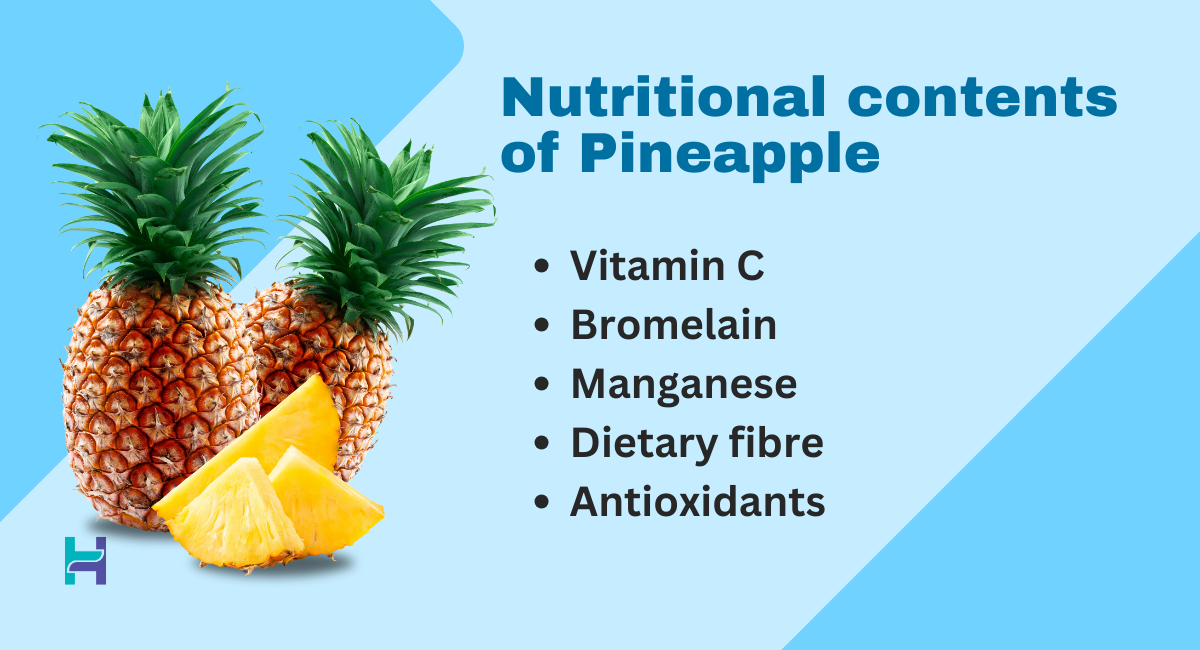
Let us understand the nutritional content of Pineapple.
-
Vitamin C: Pineapple is rich in Vitamin C content. It can boost your immune system, skin health, and natural healing. Also, it comes with antioxidants that improve cell damage capabilities.
-
Bromelain: One of the components of Pineapple is bromelain. It is a combo of enzymes that may help with regular digestion and improve inflammation rate. Bromelain is proven to be an anti-inflammatory agent and arguably a cancer-reducing component.
-
Manganese: A mineral that is important for metabolism, antioxidant activity, and bone health, manganese is found in pineapples. In addition, manganese is necessary for the development of connective tissues and the maintenance of healthy skin.
-
Dietary fibre: This is an essential nutrient for gut health. Constipation can be avoided, bowel movements can be regulated, and a healthy gut microbiota can be supported by fiber.
-
Antioxidants: The antioxidants included in pineapples, such as vitamin C and bromelain, can assist in reducing oxidative stress and neutralizing free radicals inside the body. In addition to being beneficial to general health, antioxidants may lower the chance of developing chronic illnesses.
- Hydration: The high-water content of Pineapple might aid in maintaining proper hydration. Many body processes, including digestion, circulation, and temperature control, depend on enough hydration.
10 Advantages of eating Pineapple for women
Now that we know about the chemical composition of Pineapple, let’s see what is it good for in particular.
- It cures colds and cough
- Increases bone and teeth strength
- Works as a cancer-preventing agent
- It's good for the eyes
- Helps cure Arthritis symptoms
- Reduces hypertension
- Prevents Nausea
- Make you energetic
- It makes your skin brighter
- Works as an anti-acne agent
Pineapple and Menstrual Health: Is it beneficial?
We learned about the health-beneficial facts about consuming pineapple in the previous point. Now let’s understand how it is helpful for periods (women’s menstrual cycle).
Pineapples contain an enzyme called bromelain. One kind of enzyme called a proteolytic enzyme is bromelain. Both pineapple juice and the pineapple stem contain it.
Research has indicated that bromelain increases the body's synthesis of chemicals that reduce pain and swelling. Additionally, bromelain includes compounds that seem to reduce blood clotting and impede the development of tumor cells.
It facilitates the uterine lining's shedding, which initiates your menstrual cycle. Additionally, this fruit promotes the synthesis of red and white blood cells, which improves blood flow.
Expert advice: A light and healthful approach to enjoying the advantages of this delicious fruit is to drink pineapple juice. It may be consumed on its own or mixed into drinks, juices, and smoothies. It is crucial to drink fresh juice that is pure and free of added sugars and artificial flavors.
Increasing the number of red and white blood cells will also help to enhance blood flow. You might be able to enhance your blood flow throughout your menstruation in this way.
4 Myths and Facts about eating Pineapple during periods
#1: Eating Pineapple will make your periods come early.
Hard fact: No scientific evidence supports that pineapple and menstruation are directly proportional. Hormonal fluctuations inside the body regulate menstruation, and pineapple eating is unlikely to have a major effect on this process.
#2: Pineapple can relief periods pain.
Hard fact: Experts say pineapple's bromelain enzyme helps lessen inflammation and ease menstruation cramps. Although bromelain has anti-inflammatory qualities, there isn't much research to back up its usefulness for treating period cramps in particular.
#3: Drinking Pineapple juice can cause high menstrual bleeding.
Hard fact: There isn't any scientific proof that eating pineapples can lead to heavy menstrual flow. A balanced diet can contain drinking pineapple juice which is high in nutrients and has no negative effects on menstrual health.
#4: You shouldn't eat pineapple when you're menstruating.
Hard fact: There’s no need to avoid eating Pineapple during your period (if you’re not allergic to it). On the contrary, pineapple has some elements that may be helpful during menstruation.
Summary
So finally we can conclude that pineapple is safe to consume during periods (or for normal days) because of its rich nutrient content (vitamin C, bromelain, manganese, fiber, and antioxidants). You can add this to your period friendly diet, if won’t affect your period symptoms but is healthy in general.
Individual tastes and tolerance, however, should always be taken into account. For individualized nutritional advice, it's best to speak with a medical practitioner or a qualified dietitian, particularly if you have any particular health issues or illnesses. All things considered, eating pineapple in moderation may be a tasty and healthy option for promoting general health, even during the menstrual cycle.
Enjoy your Pineapple diet.
FAQs
Q1. Does pineapple juice increases our period flow?
No, there's no scientific proof that eating pineapple might cause heavier periods. The hormonal fluctuations of women’s body are the main factors that affect menstrual flow, and drinking pineapple juice doesn’t have a big influence on this.
Q2. Can pineapple help counter menstruation pain?
There’s no concreate evidence to that claim. Some people think that the pineapple's bromelain enzyme might help ease period cramps and decrease inflammation. Although bromelain has anti-inflammatory qualities, additional studies are required to discover whether or not they are particularly helpful for menstrual cramps.
Q3. Should we avoid eating pineapple when menstruating?
There's no particular reason to avoid pineapple during your period unless you have a sensitivity or allergy to it. Pineapple has several elements that may be helpful during menstruation.
Q4. How much pineapple is safe to consume when I'm menstruating?
There is no known limit. In general, pineapple is safe to eat in moderation as part of a healthy diet. However, some people may have stomach pain if they consume large amounts of pineapple or any other meal.
References:
- Pavan, R., Jain, S., Kumar, A., & Kumar, A. (2012). Properties and therapeutic application of bromelain: A review. Biotechnology Research International, 2012, 976203. https://doi.org/10.1155/2012/976203
- Chobotova, K., Vernallis, A. B., & Majid, F. A. A. (2010). Bromelain’s activity and potential as an anti-cancer agent: Current evidence and perspectives. Cancer Letters, 290(2), 148–156. https://pubmed.ncbi.nlm.nih.gov/19700238/


Comments