


Wellness & Self-Care Blog
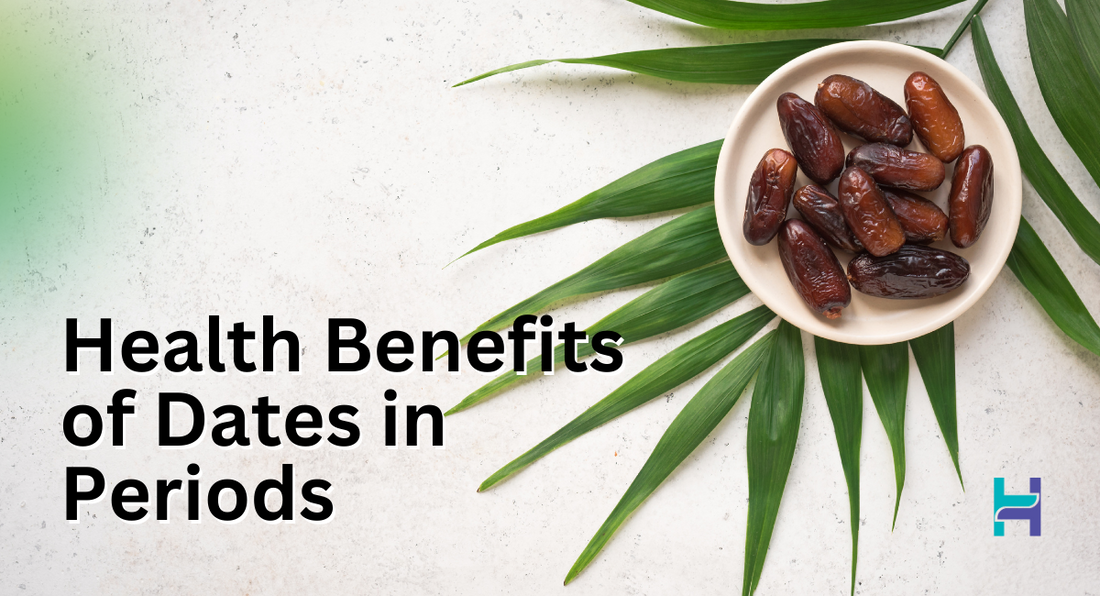
Dates in Periods: 15 Nourishing Health Benefits for Women
Key takeaways: Date provides quick natural energy during weakness. It is rich in iron, help recover blood loss. Magnesium present in Dates relaxes muscles and ease cramps. Fiber reduces bloating and support digestion. Potassium maintains fluid balance and heart health. Have you ever stopped to notice those small chewy fruits that we often eat during festivals or special family times? Yes, we are talking about dates! Many of you may think of them only as sweet treat, but dates are far more than just a delicious fruit. In Indian culture they hold special place, and they also bring many health advantages, especially for women during their periods. We want to take you along with us to explore how dates can support your body in those tough days. Together, we will look at 15 important health benefits that come when you add dates in your diet during menstrual cycle. These benefits are not just about taste, but also about giving your body strength, energy and comfort when you really need it most. Also read: Health Benefits of Coconut Water But before that, let’s understand the nutritional value of dates. Nutritional Value of Dates Dates are not only sweet fruit; they are also full with nutrition which body can use every day. In 100 grams of dates, you get almost 20% of daily fiber needed. This fiber acts like helper for digestion, cleaning stomach and making bowel movement regular. Many women notice less bloating during period when diet have good fiber, so dates can give some comfort. Inside dates there are also many minerals and vitamins. About 12% of potassium needed for one day is present in 100-gram dates, which help heart to beat proper and also control blood pressure. They also give around 10% of magnesium which relax muscle and support nerve health. Because of this, dates can provide little relief in cramps that come during menstrual time. Dates contain near about 29-gram natural sugar per 100 grams, which is quick energy source for body when you feel weak. On tiring days, they can be taken as small energy snack instead of processed food. They also hold 21% water, so they give little hydration too. Eating dates is simple habit which give taste, energy, and nutrition together, especially when body need extra care. Can women eat dates during periods? Yes, women can surely eat dates during periods, and in fact it is very helpful for body at that time. Dates are rich in iron, magnesium and natural sugar, which support you when energy feel low and weakness comes during menstruation. They also contain good amount of fiber that make digestion smooth and reduce bloating which is common problem in period days. Dates provide natural sweetness, so instead of junk snack or processed sugar, you can eat dates and feel more active. The potassium present in dates also help to balance fluid in body and ease mild cramps. Eating few dates daily in cycle can improve mood, give quick energy and supply minerals that blood loss take away. Studies show dates are rich in potassium, magnesium and iron, which may help reduce fatigue, support muscle relaxation, and replenish blood loss during menstruation. So, including dates is safe and useful during your periods. 15 Benefits of dates for women’s periods Let's explore the advantages of dates during your period in more detail and see how they might make your period days seem simple. 1. Time to Say Goodbye to Bloating and Cramps Have you ever experienced bloating or cramps during your period? You can get help from dates! They contain a lot of fiber, which acts as a digestive super hero. Fiber facilitates smooth digestion, which significantly reduces tummy discomforts. Additionally, it aids in preventing the bloating sensation, making period days more bearable and enjoyable. 2. Dates during periods help boost in Iron level Feeling a bit low on energy during your period? Dates are like your energy-boosting pals. They're rich in iron, which is like the fuel your body needs to stay energetic and vibrant. Iron helps your body fight off tiredness, making sure you stay active throughout the day. Also read: 10 Cashew Benefits for Women's Health 3. Satisfy your Sweet Cravings during periods Craving something sweet but don't want to reach for sugary snacks? Dates are like nature's candy. They offer a natural sweetness that's not only delicious but also healthier. Dates are like your guilt-free way to satisfy those sweet tooth cravings. 4. Maintain Body Balance Imagine dates as little treasure chests of nutrients. They're full of vitamins and minerals that your body loves. From potassium to magnesium, they're like a mini multivitamin that helps keep your body balanced and feeling fantastic. 5. Instant Energy Boosters during menstrual cycle Dates have a special kind of natural sugar that's like a quick energy boost. If you are feeling a bit low, grab a few dates and feel the energy rush. They're like your instant energy boosters when you need it most, especially during your periods. 6. Dates keep bones stronger Strong bones are essential, and dates are here to help. They're like your bone-strengthening pals, packed with calcium and phosphorus. These nutrients work together to keep your bones strong and ready to take on the world. 7. Helps with Period Mood Swings Are you having Period mood swings? Dates are there for help. They contain nutrients that are like mood regulators. They help stabilize your mood, making sure you feel cheerful and positive even during menstrual days. 8. Regular consumption of dates helps fight anemia Do you sometimes feel tired? Well, that may be because of Anemia. Anemia can leave you feeling tired and low on energy. Dates are like your secret weapon against anemia. Thanks to their iron content, they help boost your iron levels and keep that fatigue at bay. When you eat dates during periods, they give you a boost of iron. This boost makes sure that anemia doesn't make you feel tired and weak anymore. 9. Dates are Inflammation Buster Periods sometimes come with discomfort, but dates can be your comfort heroes. Dates contain natural compounds that work as anti-inflammatories. It's like applying a cool, soothing balm to an achy area. Dates bring that comforting touch to your body. They can help ease the inflammation that might be causing discomfort, giving you a sense of relief during your period. 10. Dates help healthy blood circulation When it comes to periods, smooth blood flow can make all the difference. Cramps and discomfort often arise due to the constriction of blood vessels, causing the muscles to contract more intensely. This is where dates step in. They are rich in nutrients that support healthy blood circulation. By encouraging your blood vessels to remain supple and open, dates can potentially lessen the intensity of cramps and reduce discomfort. Dates promote a steady flow of blood, ensuring that essential nutrients and oxygen reach your muscles and tissues efficiently. This means your body can better manage any discomfort that might arise during your period. 11. Hormone Harmony with Dates Dates provide your body with the nutrients it requires to keep everything in check. These nutrients act as support beams for your hormonal system, ensuring that the swings and shifts are less intense. The nutrients in dates contribute to the equilibrium your body strives for during your period. Think of dates as your backstage crew, working behind the scenes to keep the hormonal show running smoothly. Also Read: Boost Happy Hormones during Periods 12. Happy and Healthy Heart Dates comprises with the goodness of potassium and antioxidants. Potassium, often referred to as nature's electrolyte, plays a pivotal role in maintaining proper heart rhythm and ensuring fluid balance within the body. Antioxidants shield your heart cells from oxidative stress caused by free radicals, which can otherwise lead to undesirable consequences. These nutrient-packed fruits provide your heart with the necessary elements for optimal functionality and resilience against potential cardiovascular risks. 13. Dates help you Stay Hydrated During your periods, your body undergoes fluctuations that can impact your hydration needs. The subtle water content present in dates can make a noticeable difference. While dates might not boast the appearance of a water-laden fruit, they discreetly harbour water content, serving as an inconspicuous source of hydration. 14. Dates are rich in Antioxidants As dates are filled with Antioxidants, which work like invisible shields for your body. These antioxidants help fight stress and anxiety during your menstruation. So, eating dates during your periods gives your body a boost of power to keep you going strong, no matter what comes your way. 15. Improves your blood quality Your blood quality plays a big role in how you feel during your periods. When it's not at its best, it can lead to fatigue and overall discomfort. Dates contain a good amount of iron, a nutrient that's essential for healthy blood production. They help you feel less tired and keep you more energetic. So, if you want smoother period days, remember that dates are your blood’s best friend. Get Your Exclusive 12% OFF – Just for Our Loyal Readers! Enjoy a special discount on your next purchase. Grab your code now before it expires!. Email Address Get Coupon By signing up, you agree our terms of use and acknowledge the data policies in our privacy policy. You may unscubscribe any time! In the end, can women eat dates during periods? Yes! Eating Dates during periods have numerous benefits to your period days. From easing your period discomfort to improving digestion and working as a natural mood booster, dates are obviously a versatile fruit. You should help your body out when it needs a little extra attention by incorporating dates into your diet. So next time you're seeking relief from discomfort or simply aiming for a healthier, happier period experience, keep these little fruits handy by your side. References: 1. Irandegani, F., Arbabisarjou, A., Ghaljaei, F., Navidian, A., & Karajibani, M. (2019). The effect of a date consumption-based nutritional program on iron deficiency anemia in primary school girls aged 8 to 10 years old in Zahedan (Iran). Pediatric Health, Medicine and Therapeutics, 10, 183–188. https://doi.org/10.2147/PHMT.S225816 2. Najafi, N., Khalkhali, H., Moghaddam Tabrizi, F., & Zarrin, R. (2018). Major dietary patterns in relation to menstrual pain: A nested case control study. BMC Women’s Health, 18(1), 69. https://doi.org/10.1186/s12905-018-0558-4
Read More
Why does your Period Blood smell and how to fix it fast
It’s normal for period blood to smell a little. The scent is usually mild and not something others notice. But sometimes the smell changes. It may turn strong, fishy, or different from usual. That’s when it deserves attention. During your period, your body does more than release blood. It also sheds the lining of the uterus. Along with it come fluids and bacteria. Once this mix leaves the body and touches air, a smell can form. That is why some days the scent feels stronger. In this blog, we will explore what counts as normal. You will also know the reasons behind odour, simple care tips, and how to fix the issue. By the end, you’ll know how to manage it better and when to take action. Understanding period odour Period odour comes from a mix of blood, tissue, and vaginal fluids. When exposed to air, these can oxidize and change smell. Bacteria in the vagina also play a role. Hormones can make the scent stronger or lighter. Diet and hydration may affect it too. Most scents are mild and normal. Strong or unusual smells may signal an infection. Also read: Benefits of tracking your periods 1. Normal breakdown Menstrual blood contains blood, tissue, and fluids. When it leaves the body and meets air, it starts to oxidize. This process can create a mild, metallic scent. Natural vaginal bacteria also mix with the blood. This combination leads to the familiar period odour. It is usually light and nothing to worry about. 2. Bacterial Vaginosis (BV) BV happens when certain bacteria grow too much. It can cause a strong, fishy smell during periods. This odour is often more noticeable after sex. Other symptoms include unusual discharge and itching. BV is not always linked to poor hygiene. It needs medical treatment to clear up. 3. Retained Tampon Sometimes a tampon is left in by mistake. This can trap blood and tissue inside the vagina. Bacteria quickly grow in this environment. The result is a strong, rotten smell. Other signs may include discharge and discomfort. Remove the tampon immediately and look for immediate medical help. We would highly recommend you to use period panty just to avoid any bacterial infections. 💡 Pro Tip: Always change period underwear frequently. It keeps you fresh and prevents unwanted odour. 4. Poor Hygiene Not changing pads, tampons, or cups often causes odour. Blood left for too long encourages bacterial growth. This makes the smell stronger and more unpleasant. Change your period underwear at regular intervals, even if they aren’t full. Regular cleaning of the area also helps. 5. Infections Infections like BV, yeast, or STIs can change vaginal odour. During periods, these smells may become more noticeable. They can be sour, fishy, or even foul. Look for symptoms like itching, burning, or unusual discharge. If present, see a doctor for diagnosis and treatment. 6. Some other factors Hormones can affect the smell of period blood. Certain foods like garlic or spicy meals may change it. Dehydration can also make odors stronger. Even scented soaps and products can disrupt natural balance. Avoid irritants and drink enough water to help. Here’s how you can fix or reduce Period odour Period odour is common. If you follow proper guidelines, you can reduce the odour and feel more comfortable. Wash the outer genital area every day. Use plain water or a mild, unscented soap. Do not wash inside the vagina. The body cleans itself naturally. Strong cleansers or scented products can upset the balance and cause irritation. You should stay away from perfumes, sprays, and scented pads or tampons. They may smell pleasant at first but can trigger itching or dryness. Simple products like period underwear are always safer. Always choose cotton underwear during your period. Cotton lets the skin breathe and absorbs moisture. Tight clothes and synthetic fabrics trap heat. That creates sweat and bacteria, which can make the odour worse. We recommend you drink plenty of water. Hydration keeps your body in balance. Hydration also helps your system flush out waste. A well-hydrated body often feels fresher. If the odour stays strong or gets worse, do not ignore it. Pay attention if you also notice itching, burning, or unusual discharge. Get Your Exclusive 12% OFF – Just for Our Loyal Readers! Enjoy a special discount on your next purchase. Grab your code now before it expires!. Email Address Get Coupon By signing up, you agree our terms of use and acknowledge the data policies in our privacy policy. You may unscubscribe any time! When should you consult a doctor? If you ever notice a strong foul smell, itching, burning, or unusual discharge during your period, do not ignore. Look for these signs: Strong, foul, or fishy smell Persistent itching Burning sensation Unusual discharge They may be an early sign of infections like bacterial vaginosis or STIs. The sooner it gets diagnose, the better as it helps prevent complications and makes recovery faster. Final Takeaways Periods can come with changes in smell, but most causes are simple to fix. Pay attention to your body. Notice what feels normal for you. Small changes in hygiene and habits can make a lot of difference in your body. If you feel something is not right, don’t wait, get it checked early. Disclaimer This blog is intended for educational and informational purposes only. It is not a substitute for professional medical advice, diagnosis, or treatment. Always consult a qualified healthcare provider with any questions you may have regarding a medical condition.
Read More
Papaya during Periods: Benefits and Side Effects
Key Takeaways Ripe papaya is safe during periods and helps regulate flow Papain enzyme relaxes uterine muscles and reduces cramps High in fibre, it aids digestion and reduces bloating Vitamins C and A boost energy and support skin health Avoid unripe papaya during heavy flow or pregnancy Best eaten in the morning or early afternoon on an empty stomach Limit to 100 to 250 grams per day Periods come with pain, bloating, and sudden mood shifts. These signs can slow you down. Many women try simple food fixes. Papaya is one such choice. It helps with flow and may ease cramps. Some say it works. Others feel unsure. Can papaya help during periods? Or can it cause harm? This blog gives you the facts. Can We Eat Papaya During Periods Yes, you can eat papaya during periods. It is safe. It helps start the flow. Eat one bowl of ripe papaya or drink its juice once or twice a day. Raw papaya breaks down the uterine lining. This may help if your period is delayed. Papaya has fibre, zinc, magnesium, and vitamin C. These reduce cramps and improve digestion. Eat it mid-cycle or before your period starts. Always use ripe papaya. Avoid unripe ones. Nutrition in Papaya Papaya is low in calories but rich in key nutrients. A 250g serving offers a healthy mix of vitamins, minerals, and enzymes. These nutrients can help improve digestion, reduce cramps, and balance your hormones. A 250g serving of ripe papaya contains: Calories: 100–110 Carbohydrates: 27g Natural Sugars: 18g Dietary Fibre: 3g Vitamin C: 140–150mg (more than daily need) Vitamin A: 1,300–1,400 IU Folate (Vitamin B9): 60–70mcg Potassium: 500–520mg Magnesium: 30–35mg Papain enzyme: Helps break down proteins and supports digestion Papaya also contains small amounts of calcium and vitamin E. These nutrients make papaya a strong natural support during menstruation. Health Benefits of Eating Papaya 1. Papaya regulates Menstrual Flow Papaya helps in regulating the menstrual flow in women. Papaya contains carotene, which helps stimulate the production of estrogen [1]. Estrogen is the hormone that is responsible for regulating menstruation. When you eat papaya, it increases the amount of estrogen in the body, thus leading to a healthy and regular flow. Papaya contains softening enzymes that break down the uterine walls. This will help ease the menstrual process in women who usually experience more delayed periods or lighter flows. 2. Papaya reduces Menstrual Cramps The anti-inflammatory properties of papaya minimise overall discomfort and pain associated with menstrual cramps. Papaya contains an enzyme called papain that breaks down proteins and calms the muscles [2]. This could be really helpful in relaxing uterine muscles and reducing the severity of the cramps. Dietary use of papaya can be of relief to women dealing with painful periods, or dysmenorrhea. Papaya provides natural relief from pain, without reaching for a prescription. 3. Helps improve Digestion during periods Many females face digestive problems like bloating, constipation or diarrhoea during their menstrual periods because the hormones upset this delicate balance. Papaya is a natural digestive aid as it contains a lot of fibre and the digestive enzyme papain, which helps optimise the digestive system efficiently. The fruit also maintains the balance of the gut, which minimises chances of feeling too full or bloated during menstruation. 4. It helps enhance energy levels in women Did you know that menstruation makes women feel more fatigued and thus less capable of carrying out their daily activities? Papayas are rich in vitamins C and A, which help increase energy levels. Read about more ways to fight menstrual fatigue during your cycle. The natural sugars present in papaya increase energy right away and help fight the feeling of tiredness that many women carry with them during their period. Moreover, its antioxidant properties may help neutralise free radicals, making the body feel fresh. 5. Papaya Improves skin health during periods Several women experience skin issues during their periods due to hormonal changes. Read about how your menstrual cycle changes your skin and what you can do about it. Papaya contains both vitamins A and C, which are rich for the skin; consuming it during the period helps reduce pimples and provides a glowing complexion. The antioxidants in papayas help reduce inflammation and soothe inflamed skin. 6. Papaya is good for arthritis If you are an arthritis patient, then include papaya, which contains an enzyme called papain, an anti-inflammatory compound that reduces pain and stiffness in bones. Regular eating will strengthen your bones. 7. Protects from Heart Disease It protects the heart since it's full of antioxidants like Vitamin A, Vitamin C, and Vitamin E. Consuming any nutritious food can reduce the chances of heart disease. Is papaya leaf good for menstruation? Yes, the extract of papaya leaf can be used to treat menstrual cramps. It has been proven effective in reducing pain and swelling during menstruation. The extract of the leaf contains compounds that inhibit prostaglandin production, which is believed to reduce pain and inflammation during periods [3]. However, some people may experience side effects when taking this supplement, such as headache, dizziness and rashes, so consume it in moderation. Side effects of eating papaya Raw papaya may trigger uterine contractions. It can cause spotting or bleeding in some women. Avoid it if you have heavy flow. Unripe papaya may upset the stomach. It can lead to nausea or loose motion. Some women feel bloated after eating it. If you have allergies, papaya may cause skin rashes or itching. Always eat it in small amounts during periods. 💡 Pro Tip: Avoid unripe papaya during heavy flow days. Papayas are great for desserts You can try papaya salad as a lighter lunch option. You may also like the papaya punch, papaya paratha, bruschetta, etc. The fruit also has anti-ageing properties. Ripe papaya can be eaten as a dessert with some fresh cream. It is good to eat ripe papaya as it has very low levels of latex, and papaya is safe to consume during your period. You can eat it as a tangy appetiser or simply enjoy it as a snack. If you have kids at the house who do not like the taste of the fruit, try making papaya popsicles. Add strawberries and bananas to your smoothie for a nutrient-rich option during irregular periods. If you have a sweet tooth, bake unripe papaya and cut it into quarters. Remove seeds and add some cinnamon and sugar. Do not forget to put some water in a baking pan. Bake the papaya for around 30 minutes at 350 degrees. Dos and Don'ts of eating papaya Here are a few Dos Consume papaya during periods. Try to include it in your daily routine. You can make various dishes and have them in small amounts. And a few Don'ts Do not have it during your pregnancy. Do not overeat it! Do not eat if you have an allergy. It can lead to toxicity and even hamper fertility. Eating semi-ripe fruit may lead to natural abortion or miscarriage. When is the best time to eat papaya? Eat papaya in the morning or early afternoon. Your stomach digests it better during these hours. Avoid eating it late at night. It may cause bloating if taken before sleep. Eat it on an empty stomach for better results. This helps the enzymes work well. Do not eat papaya right after a heavy meal. It may slow down digestion. Women with irregular periods can eat it daily in the morning. If you have heavy flow, avoid raw papaya. Always choose ripe papaya. Eat fresh and clean pieces. Stick to 100–250 grams a day. Do not overeat. FAQs 1. Is papaya good for PMS symptoms? Yes, ripe papaya can be part of a balanced diet during the days before and during your period. It provides vitamin C, fibre, potassium, and other nutrients that support overall nutrition. However, there is not enough evidence to say that papaya specifically treats PMS symptoms. A balanced diet, regular physical activity, adequate sleep, and other healthy habits can support menstrual well-being. 2. Can I drink papaya juice during my period? Yes, papaya juice can be consumed during your period, but whole ripe papaya is a better everyday choice because it provides fibre. Juice can contain less fibre and can be easier to consume in larger quantities. Choose fresh, unsweetened juice rather than products with added sugar. For overall nutrition, include papaya as part of a varied diet rather than relying on it for menstrual benefits. 3. Can I eat papaya every day during my period? Yes, ripe papaya can be included in your regular diet if you tolerate it well. There is no established need to eat papaya every day specifically because you are menstruating. Keep your meals varied and include other fruits, vegetables, whole grains, protein sources, and healthy fats. The amount you eat should also fit your overall calorie and carbohydrate needs. 4. Can papaya cause an allergic reaction? Yes, papaya can cause an allergic reaction in some people. Symptoms may include itching, skin rash, swelling, or other allergy symptoms after eating the fruit. Papaya contains enzymes and proteins that can act as allergens in susceptible individuals. If you develop an allergic reaction after eating papaya, stop consuming it and seek medical advice if the symptoms are significant. 5. Is ripe papaya different from unripe papaya during pregnancy? Yes, ripe and unripe papaya are not the same in terms of their latex content. Unripe and semi-ripe papaya contain more latex, and laboratory research has shown that crude papaya latex can cause uterine contractions. Evidence from animal research also found no significant harmful effect from normal consumption of ripe papaya, but human pregnancy safety data remain limited. If you are pregnant, discuss papaya consumption with your doctor rather than using unripe papaya as a home remedy. Summary To conclude, eating papaya is great to induce menstruation. You should eat this tasty fruit for its other health benefits too. It may improve blood flow to the uterus and support heart and gut health. References Juárez-Rojop I, Díaz-Zagoya J, Ble-Castillo J, et al. Beneficial Role of Carica papaya Extracts and Their Bioactive Constituents on Metabolic Syndrome. Front Pharmacol. 2021;12:645688. doi:10.3389/fphar.2021.645688. https://www.ncbi.nlm.nih.gov/pmc/articles/PMC8066973/ Indriani D, Wahyuningsih S, Aprinawati I. The Effect of Giving Papaya (Carica Papaya) on the Smooth Menstruation of High School State 3 Makassar Students: A Case Study. Int J Sci Health Res. 2022;7(3). https://ijshr.com/IJSHR_Vol.7_Issue.3_July2022/IJSHR-Abstract41.html Mustofa S, Soleha TU, Lisiswanti R. Effectiveness of Pineapple and Papaya Leaf Combination for Dysmenorrhea Pain Relief in Mice (Mus musculus). Holist Leg Sci. 2023. doi:10.4081/hls.2023.11968. https://www.pagepressjournals.org/hls/article/view/11968/12592 Rajesh M, Anitha P, Bharathi R, et al. Assessment on Outcome of Papaya Fruit on Premenstrual Tension Syndrome Among Adolescent Girls in Selected Setting. ResearchGate. 2022. https://www.researchgate.net/publication/365356418
Read More
Health benefits & side effects of Watermelon Juice
Key Takeaways: Watermelon juice hydrates and refreshes. Supports heart, skin, and muscle health. Helps in digestion and is low in calories. Rich in antioxidants. Offers relief during periods. The health benefits of watermelon juice make it more than just a summer treat. We love it for its sweet taste. You’ll love it for what it does to your body. It cools you down and keeps you fresh. Every glass is full of vitamins A, B1, B6, and C. These keep your body strong in different ways. Lycopene and beta-carotene protect your heart. They also keep your cells healthy. In this blog, we’ll show you the main health benefits of watermelon juice, how to use it, and what side effects to watch for. By the end, you’ll know if this drink deserves a spot in your daily routine. What is Watermelon juice? Watermelon juice is a drink you make by blending fresh watermelon flesh. It’s sweet, juicy, and hydrating. To prepare it, cut the watermelon, remove the seeds, and blend the red part. You can strain it or leave it thick. Both ways taste great. Most of us love it chilled on hot days. It’s quick to make and doesn’t need sugar. A glass gives you more than just water. It’s full of vitamins, minerals, and plant compounds. It’s light on calories but keeps you full. That’s why it works well for fitness and weight control. You can drink it plain or mix it up. A glass of watermelon juice contains: Water Vitamin A Vitamin C Vitamin B6 Potassium Lycopene Beta-carotene Magnesium Amino acids like citrulline When you drink watermelon juice, you hydrate fast. You also give your body the nutrients it needs for healthy skin, heart, and energy. It’s not just a summer cooler. You can enjoy it all year. Health benefits of Watermelon juice Now that you know what watermelon juice is, let’s talk about why you should drink it often. A glass does more than quench your thirst. It works for your body in many ways. 1. It keeps you hydrated When your body needs water, watermelon juice can help. It is made up of about 90% water. Each sip gives your body the fluids it needs. You can drink it any time, but it works best on hot days. It cools you down fast. After a workout, you lose water through sweat. Each glass of watermelon juice replaces that water loss quickly. It feels very light in your stomach, so you don’t feel bloated or heavy. The natural sugars give you a quick energy boost. Watermelon juice also helps prevent dehydration headaches. It keeps your skin from drying out in the heat. 2. Watermelon juice boosts heart health Watermelon juice is rich in lycopene. This antioxidant supports your heart by reducing oxidative stress. It also helps keep cholesterol levels in check. Potassium in watermelon juice relaxes blood vessels. This helps control blood pressure. A 2014 study in the American Journal of Hypertension found that watermelon extract reduced blood pressure in overweight adults with high blood pressure. The amino acid L-citrulline in watermelon plays a key role here. It helps blood flow better. A glass a day may not replace medicine, but it can be a tasty step toward a healthier heart. 3. Watermelon juice is good for your skin Your skin loves hydration, and watermelon juice delivers it. With over 90% water, it keeps your skin soft and fresh. Vitamin C in watermelon helps your skin make more collagen. This protein keeps skin firm and youthful. Lycopene fights free radicals that cause dullness and early wrinkles. Potassium keeps skin cells balanced and reduces dryness. Drinking it daily may reduce puffiness and improve skin glow. A 2015 review in the Journal of Food Science and Technology noted that antioxidants in watermelon protect skin from UV damage and aging. 4. It supports muscle recovery After a workout, your muscles need help to repair. Watermelon juice gives them just that. It’s rich in L-citrulline, an amino acid that may reduce muscle soreness. A 2013 study in the Journal of Agricultural and Food Chemistry found that drinking watermelon juice before exercise reduced recovery time and soreness in athletes. The natural sugars restore energy levels. Potassium replaces the electrolytes you lose through sweat. 💡 Pro Tip: Add a pinch of pink Himalayan salt to your watermelon juice after workouts or during your period. It boosts electrolytes and helps you rehydrate faster. 5. It is low in calories Watermelon juice is light. One glass has very few calories. You can enjoy it without guilt. It’s sweet but naturally so. We recommend you not to add any sugar. You can sip it during meals or between them. It won’t add much to your daily calorie count. That makes it perfect for weight control. You stay refreshed and full without overeating. 6. Juice is rich in antioxidants Watermelon juice is packed with antioxidants. These protect your body from free radicals. Free radicals can damage cells over time. The main antioxidant here is lycopene. It gives watermelon its red colour. Lycopene supports heart health. Beta-carotene is another antioxidant present in small amounts. Your body converts it into vitamin A. That keeps your eyes healthy and vision clear. 7. Helps in quick digestion Good digestion keeps you active and light. Watermelon juice can help with that. It has plenty of water to keep your digestive tract moving. The natural fiber supports bowel regularity. When you drink it, it helps soften stool and prevent constipation. It also soothes your stomach on hot days when heavy meals feel too much. Quick benefits for digestion: It hydrates your gut Softens your stool It supports regular bowel movement It is very gentle on the stomach Can you drink watermelon juice during your periods? Yes! You can drink watermelon juice. When you're on your period, you need hydration and gentle relief. Watermelon juice delivers both. It’s over 90% water, helping you beat bloating and stay refreshed. It packs vitamins A and C. This help ease inflammation and support your immunity when you feel low. Watermelon also contains magnesium and citrulline. Magnesium relaxes muscles and may reduce cramps. Citrulline improves circulation, helping relieve soreness. Get Your Exclusive 12% OFF – Just for Our Loyal Readers! Enjoy a special discount on your next purchase. Grab your code now before it expires!. Email Address Get Coupon By signing up, you agree our terms of use and acknowledge the data policies in our privacy policy. You may unscubscribe any time! Side effects of Watermelon juice Watermelon juice is healthy, but too much can cause issues. It is high in natural sugars. Drinking several glasses daily can raise blood sugar levels. It is also high in potassium. Excess potassium can affect your heart rhythm and kidney function. If you have kidney problems, we suggest limiting your intake. Some people may experience bloating or mild diarrhoea. This happens because watermelon contains sorbitol, a sugar alcohol that can upset the stomach. Our advice is to enjoy it in moderation. We recommend starting with a small glass and seeing how your body reacts. Summary Watermelon juice is more than just a refreshing drink. It keeps you hydrated. It can help with muscle recovery, aid digestion, and provide a good dose of antioxidants. Our recommendation is to drink it in moderation. One glass a day is enough for most people. This way, you get all the benefits without the risk of overconsumption. We believe adding watermelon juice to your routine is a simple way to boost your health. You can enjoy it plain or mix it with other fruits for variety. References: Perkins, Penelope & Davis, Angela. (2014). Watermelon-based Sunscreen Blocks UVA and UVB Light. Available from - https://www.researchgate.net/publication/267354023_Watermelon-based_Sunscreen_Blocks_UVA_and_UVB_Light Tarazona-Díaz MP, Alacid F, Carrasco M, Martínez I, Aguayo E. Watermelon juice: potential functional drink for sore muscle relief in athletes. J Agric Food Chem. 2013 Aug 7;61(31):7522-8. doi: 10.1021/jf400964r. Epub 2013 Jul 29. Erratum in: J Agric Food Chem. 2013 Nov 20;61(46):11241. PMID: 23862566. Available from - https://pubmed.ncbi.nlm.nih.gov/23862566/ Disclaimer This blog is intended for educational and informational purposes only. It is not a substitute for professional medical advice, diagnosis, or treatment. Always consult a qualified healthcare provider with any questions you may have regarding a medical condition.
Read More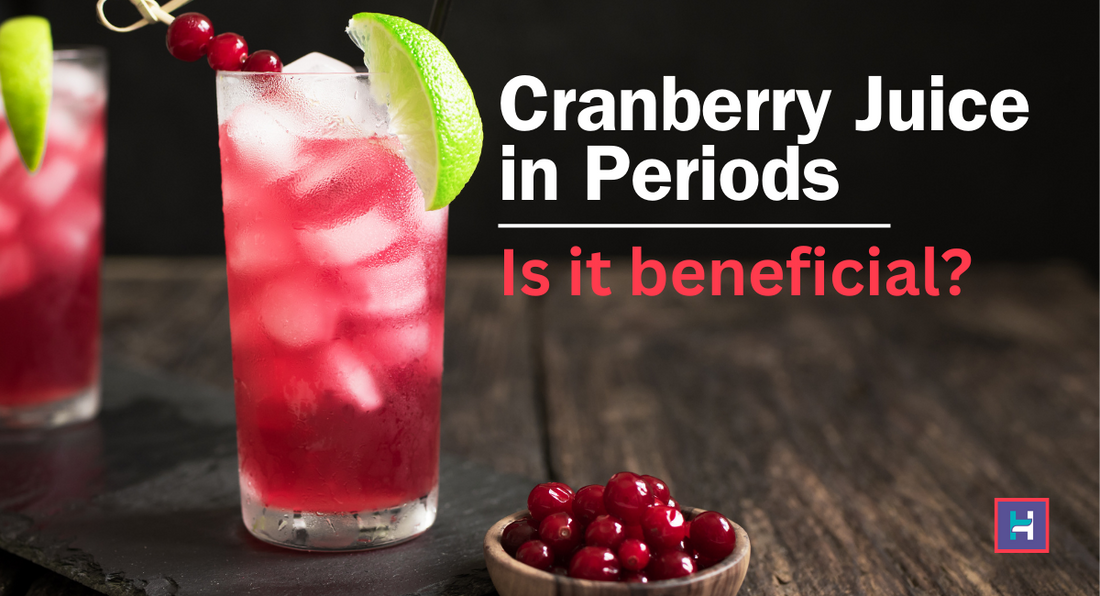
Does Cranberry Juice Ease Period Pains? Here is the answer
Key Takeaways Cranberry juice may reduce period pain. It contains anti-inflammatory plant compounds. Salicylic acid in cranberries can ease cramps. Research is limited but shows promise. More studies are needed for clear answers. Does cranberry juice help your period cramps? - Many women ask this when period pain strikes. Cranberry juice is a common home remedy. But does it really work? There isn’t much direct research on cranberry juice for period cramps. But the fruit is rich in bioactive compounds that fight inflammation. Cranberries contain phenolic acids, flavanols, and anthocyanins. These are natural plant chemicals. A study by the ACS Food Science & Technology found that cranberry extracts lower inflammation in human cells. Some studies also show that drinking cranberry juice increases salicylic acid in the blood. This helps reduce period pain by calming inflammation. A 2023 review articulates cranberries may help with inflammation-related issues. So, while we need more research on cranberry juice for period pain, the signs look promising. In this blog, we will talk about this period pain wonder - cranberry juice. Is cranberry juice good for your period cramps Premenstrual syndrome or PMS is common for many women. The emotional and physical symptoms related to this are extremely uncomfortable as well. Cranberries are often referred to as one of the Superfoods with a high nutritional value that can really help you during this time. It contains high levels of phenolics, vitamins, minerals and fibre. If you are extremely conscious about what you put inside your body, then let us tell you that it is low in calories as well. The phenolics that are present in cranberries have significant antioxidant properties. Phenolics also help in eradicating inflammation, which include different kinds of pain such as periods pain. It is a rich source of magnesium and a single cup can give you about 15 milligrams of the same. Magnesium comes with a wide range of health benefits such as preventing type 2 diabetes, boosting bone mineral density, etc. You must be wondering how is it related to whether cranberry juice is good for your periods or not. Let us explain. This actually supports the link between menstruation and cranberries as post-menopausal women are more at risk when it comes to osteoporosis. You need to focus on your bone density health, with which this wonder juice can help. As we all know symptoms before menstruation can include a lot of things such as diarrhoea, nausea, body pain and irritation, etc. It is said that about 50% of women have PMS and this also disrupts their everyday activities. It is really difficult for them to manage these days and it is always better to have something natural instead of just popping pills (which again has plenty of side effects). It is often said that magnesium can help you decrease all these symptoms. Some of the other food items that you can try for your daily dose of magnesium include pumpkin seeds, spinach, soy milk and chia seeds. Estimated nutrient content of cranberries 1 Cup of raw cranberries contains Calories: 46 Water: 87% Protein: 0.4 grams Fiber: 4.6 grams Fat: 0.1 grams Carbs: 12.2 grams Sugar: 4 grams As you can see, they are mainly fibre and carbs. They consist of Vitamin C, manganese, Vitamin E, Vitamin K1 and copper. Cranberry juice can also help you manage stress. However, there are a few other things that you need to be mindful of, such as reducing your caffeine intake and salt intake, eating nutritious food, getting enough rest, avoiding alcohol and tobacco, etc. Reduce your caffeine intake and try to manage your stress levels by meditating. Can I drink cranberry juice during periods? Yes, you can drink cranberry juice when you are menstruating. It’s safe for you. It may ease your cramps. It can help in reducing your bloating too. Here’s why cranberry juice during period helps - It fights the inflammation in your body and lowers water retention, so you feel lighter. The juice also supports your body with antioxidants. It keeps your system clean and balanced. If you often get UTIs during your period, it may help with that too. The cranberry juice flushes out bacteria from your urinary tract. That keeps you more comfortable. The cranberry juice also keeps you hydrated. One glass a day is enough to keep you fit and healthy. Make sure it’s unsweetened. Too much sugar can do the opposite. We suggest you to check how your body feels after drinking it. If it suits you, make it a habit. We also suggest adding it to your period routine. It's a simple step that might make a big difference. Also read: Benefits of watermelon juice Health Benefits of drinking cranberry juice Here are some of the benefits of drinking cranberry juice for menstrual health. As mentioned earlier, the presence of magnesium in this juice is excellent for proper muscle function. Its deficiency can lead to muscle cramps and thus, pour yourself a cup, take your heating pad and enjoy some Netflix during those 3-7 days. Apart from this, it also helps in easing depression and anxiety. If you face other symptoms related to PMS like lower back pain and breast tenderness, then this miracle juice can do wonders. Can cranberry juice help irregular periods? If you have been wondering whether cranberry juice can induce irregular periods are not, then the answer is yes, it can. However, it can need some planning on your part. Since it is high in antioxidants, it has numerous other health benefits. It can regulate your menstrual cycle in a very natural way. There are no side effects to the same. It is advisable for you to drink at least 2 cups of pure cranberry juice per day for at least 3 to 5 days leading up to the time when you want your mensuration to start. However, it is up to you whether you can digest the same. We always suggest our readers consult their doctors or dietitians before going ahead with this process. Do not opt for any kind of diluted version of cranberry juice because it might not work. And if you are looking for scientific evidence to support this claim, no there is no such scientific evidence. You should definitely have cranberry juice for irregular periods. Get Your Exclusive 12% OFF – Just for Our Loyal Readers! Enjoy a special discount on your next purchase. Grab your code now before it expires!. Email Address Get Coupon By signing up, you agree our terms of use and acknowledge the data policies in our privacy policy. You may unscubscribe any time! Pregnant women should not drink cranberry juice as it can increase their risk of getting a miscarriage. There are several other ways to relieve menstruation-related pains such as drinking chamomile tea and peppermint tea, heat therapy, exercising on a regular basis, having ginger tea, and drinking turmeric milk as it has anti-inflammatory properties. You should also have a green smoothie consisting of dark leafy greens such as kale and spinach because they are loaded with zinc, fibre and antioxidants. You can blend some fresh bananas with them to make it tastier. You can add Kiwi, honey and milk as well. And do not forget to drink a lot of water. Now that you know how effective this juice is for PMS, irregular periods and menstruation pain, let us talk about its benefits beyond menstruation. Here are some additional benefits of Cranberry juice consumption 1. It prevents UTI Cranberry juice is miraculous when it comes to preventing urinary tract infections. If you are prone to the same, you should drink cranberry juice often. It is high in proanthocyanins, which prevent bacteria like E. coli. 2. Boosts the immune system Cranberry juice is rich in vitamin C and enhances one's immune system. With daily consumption, your body's immune system to fight against infections and diseases will increase. 3. Promotes digestive health If you are someone who faces a lot of digestive issues, cranberry juice can help by increasing your bowel movements and controlling constipation. 4. Prevents cancer It is said that cranberry juice has various benefits such as preventing cancers. Its antioxidants help fight against the damage that is generally caused by free radicals. 5. Reduces inflammation As mentioned earlier, cranberry juice has anti-inflammatory properties, which are great for managing pain such as periods pain, rheumatoid arthritis and heart diseases. 6. Lowers blood pressure Since it is rich in potassium, it is effective in controlling blood pressure. 7. Boosts cardiovascular health It is beneficial for cardiovascular health as it has anti-inflammatory and antioxidant properties. It will reduce the risk of stroke and heart disease. 8. Helps with dental health Cranberry juice is rich in Proanthocyanidin, which reduces growth of bacteria leading to tooth decay and gum disease. It also eradicates the formation of plaque. 9. Improves Sexual health Some sources say that this miraculous drink helps in boosting your sex life. It also enhances the flavour of vaginal secretions. Cranberry juice helps in preventing aging as well. If you want to keep your teeth and gums healthy, you should consume cranberry juice. However, keep in mind to have it in moderation. It also decreases ulcer risks, enhances postmenopausal health, supports vaginal health, and more! To Conclude Cranberry juice is a healthy beverage that comes with numerous health benefits. Do not add sugar to it and have it in its purest form. Make sure you consult your doctor because they can interfere with several blood-thinner drugs. It all depends on your current health and what kind of medication you take on a daily basis. References: Anti-inflammatory Activities of Cranberry Fruit Extracts in Human THP-1 Monocytes are Influenced by Their Phytochemical Composition. Liang Xue, Chang Liu, Hang Ma, Navindra P. Seeram, and Catherine C. Neto, ACS Food Science & Technology 2022 2 (1), 75-83. DOI: 10.1021/acsfoodscitech.1c00324. Available from: https://pubs.acs.org/doi/10.1021/acsfoodscitech.1c00324 Blumberg JB, Camesano TA, Cassidy A, Kris-Etherton P, Howell A, Manach C, Ostertag LM, Sies H, Skulas-Ray A, Vita JA. Cranberries and their bioactive constituents in human health. Adv Nutr. 2013 Nov 6;4(6):618-32. doi: 10.3945/an.113.004473. PMID: 24228191; PMCID: PMC3823508. Available from: https://pmc.ncbi.nlm.nih.gov/articles/PMC3823508/ Disclaimer This blog is intended for educational and informational purposes only. It is not a substitute for professional medical advice, diagnosis, or treatment. Always consult a qualified healthcare provider with any questions you may have regarding a medical condition.
Read More
How to reduce Prostaglandins naturally
Key Takeaways: High prostaglandins cause intense cramps, nausea, and other period symptoms You can reduce them naturally through diet, exercise, and stress management Anti-inflammatory foods and omega-3s are especially helpful Track your symptoms to understand what works for your body Consistent lifestyle changes offer long-term relief You know your period is coming when the cramps creep in, your mood shifts, and suddenly, everything feels harder, and yes, we literally mean it. But what if the pain isn’t just normal? What if high prostaglandins are the real reason behind your intense cramps? As women, we’ve often been told to just deal with it. But we believe we deserve more than that. In this blog, we’ll show you how to reduce prostaglandins naturally, with proven food choices, simple habits, and some helpful tips. What are prostaglandins Prostaglandins are hormone-like chemicals in your body. They control inflammation, pain, and muscle contractions. During periods, they help the uterus contract to shed its lining. This hormone like chemicals is made in the tissues, not in glands like other hormones. Too much prostaglandin can cause strong cramps and discomfort. What causes high levels of prostaglandins during period Your body produces prostaglandins in the uterus lining. Their main job is to help shed that lining during menstruation. But when levels rise too high, they increase the intensity of contractions. This leads to strong cramps, nausea, headaches, and even loose stools. Here are a few factors can increase the levels of prostaglandins: Hormonal imbalance (especially high estrogen) Too much of omega-6 fats in your diet Chronic inflammation Lack of physical activity (like Yoga, Brisk walking etc.) Stress High prostaglandins symptoms Not sure if your body is producing too much? Here are the 5 common signs: Sharp, throbbing period cramps Lower back pain that starts on Day 1 Loose stools or diarrhoea during periods Headaches or migraines Nausea or vomiting with cramps These symptoms show your body is reacting strongly to the hormone spike at the start of your period. You feel intense cramps because the prostaglandins make the uterus contract harder. In addition to that, you often feel pain in the back because, the nerves in your pelvis connect to your lower spine. Occasionally, loose stools may occur during periods as these chemicals also affect your digestive muscles within your body. How to lower prostaglandins naturally You can take steps that help your body regulate prostaglandins better. Here's what you may try: 1. Use heating pad or warm water bag This always works. You should use a heating pad or warm water bag on your lower abdomen. This relaxes the muscles and improves blood flow, which reduces pain. 2. Stay active Exercise reduces prostaglandin production. Even light walking or yoga can help let go your cramps. 3. Get enough sleep Poor sleep increases inflammation. Make sure you sleep 7 to 8 hours daily, especially before and during your period. 4. Avoid Smoking and limit alcohol Smoking and alcohol: they both increase inflammation and worsen period pain. You should quit smoking and keep alcohol to a minimum. If you really want to know, whether you should drink during your periods or not, read our comprehensive blog on beer during periods. Say goodbye to Period Discomfort Make your periods worry-free with ultra-absorbent, reusable GoPadFree™ period panties. Get them today!! Shop Now Foods that lower prostaglandins Your diet plays a direct role. Some foods increase prostaglandins; others help lower them. These food decreases prostaglandins Omega-3 rich foods: flaxseeds, walnuts, fatty fish Magnesium-rich foods: spinach, dark chocolate, almonds Anti-inflammatory spices: turmeric, ginger Fruits and vegetables: especially berries, leafy greens, carrots Green tea: rich in antioxidants that help lower inflammation And, try to avoid these foods Fried and processed foods Excessive red meat Sugary snacks and sodas Too much caffeine A 2023 meta‑analysis in Nutrition & Dietetics showed omega‑3 fatty acids reduced dysmenorrhea pain significantly. Another article from UPMC stated that diets rich in anti‑inflammatory foods such as omega‑3s, leafy greens, colourful fruits, and curcumin help ease period pain by reducing inflammation 💡 Pro Tip: Start adding flaxseeds or chia seeds to your breakfast. They help balance hormones and reduce inflammation. Quick tips to reduce prostaglandins naturally Beyond quick fixes, building long-term habits keeps prostaglandin levels in check. 1. Manage your stress level Chronic stress increases cortisol, which disrupts hormones and worsens cramps. Practice breathing exercises, meditation, or journaling. We have an article on best yoga during periods. 2. Start tracking your cycle Use a period tracker to note when pain peaks and what helps. There are a lot of apps available online that can help women log symptoms easily. 3. Consult a doctor to balance your hormones Work with a doctor, a gynaecologist or nutritionist if you suspect hormonal imbalance. Treating underlying issues like PCOS or estrogen dominance often helps reduce excess prostaglandins. Concluding thoughts This blog explained how to reduce prostaglandins naturally. You learned why high prostaglandins cause painful periods. We have also covered the symptoms you should not ignore and you are aware of what raises prostaglandin levels during periods. We have also discussed the best foods that help lower them. If you have any additional suggestions, or tips on how to reduce the prostaglandins, please let us know in the comments section below. We would love to hear your side of the story as well. Get Your Exclusive 12% OFF – Just for Our Loyal Readers! Enjoy a special discount on your next purchase. Grab your code now before it expires!. Email Address Get Coupon By signing up, you agree our terms of use and acknowledge the data policies in our privacy policy. You may unscubscribe any time! Frequently asked questions (FAQs) Q. Do prostaglandins affect fertility? Yes, prostaglandins can affect fertility. High levels may interfere with ovulation, fertilization, or embryo implantation. They can also cause inflammation in the uterus and fallopian tubes, making it harder to conceive. Q. Which organ produces prostaglandins? Many tissues in the body produce prostaglandins, but they are not stored in any organ. Instead, they are made on demand at the site where they are needed. The uterus, kidneys, brain, and immune cells commonly produce them. Q. Does birth control reduce prostaglandins? Yes, hormonal birth control can reduce prostaglandin production. It works by thinning the uterine lining, which leads to lower prostaglandin release during periods. This often results in lighter flow and less menstrual pain. Q. What exercises reduce prostaglandins? Low to moderate aerobic exercises help reduce prostaglandins. Activities like walking, swimming, cycling, or yoga increase blood flow and reduce inflammation. Exercise also triggers the release of endorphins, which block pain and counter prostaglandin effects. Disclaimer This blog is intended for educational and informational purposes only. It is not a substitute for professional medical advice, diagnosis, or treatment. Always consult a qualified doctor with any questions you may have regarding a medical condition.
Read More
Does Periods delay in winter? Here's what you should know
Key Takeaways: Winter can delay your period. Lifestyle changes in winter affect your cycle. A delay of up to 7 days is usually normal. Period symptoms may worsen during colder months. Tracking and healthy habits help maintain cycle balance. If your period shows up late during the colder months, you’re not imagining things. Winter can affect your menstrual cycle. The weather, shorter days, and lifestyle changes all play a role. Let’s break down what’s happening and what you can do about it. How winter affects your menstrual cycle Slight delays are real Your cycle isn’t just about hormones. It also responds to environmental cues—light, temperature, stress, and physical activity. Several studies show that menstrual cycles tend to shift slightly in winter. On average, they can be 0.5 to 1 day longer than in summer. A 2023 study in Archives of Gynaecology and Obstetrics found that some women experience delayed ovulation and longer luteal phases during colder months. This often leads to late periods in winter, especially in regions with shorter daylight hours. So yes, cold climate affects periods—not dramatically, but enough to notice. What changes in winter? Less sunlight = lower vitamin D Cold temperatures = slower metabolism More indoor time = reduced physical activity Each of these factors can disrupt your hormonal rhythm and shift your cycle slightly. Common symptoms you might notice Some women say their periods feel worse in winter. Heavier flow, stronger cramps, mood swings, or increased fatigue—it’s all connected to how your body responds to cold weather. Why this happens Vasoconstriction: Cold air tightens blood vessels, including those in your uterus. This can increase pain. Vitamin D deficiency: It affects serotonin and melatonin, both of which help regulate your cycle. Iron deficiency: Heavier periods without enough iron in your diet lead to fatigue. As Dr. Ewelina Rogozinska from University College London says: “Iron deficiency is the most common nutritional deficiency in the world… Symptoms may seem worse during the winter months.” Are these delays a health concern? You should talk to a doctor if you miss your period entirely and you're not pregnant, if your flow becomes unusually heavy or painful, or if you feel unusually tired or dizzy. These signs could indicate underlying issues like a thyroid imbalance, low iron levels, or hormonal disruptions that require medical attention. 💡 Pro Tip: Aim for 15–20 minutes of natural light daily. If you can’t get outside, consider a vitamin D supplement after consulting your doctor. Winter and lifestyle- The missing link Winter doesn’t just bring cold weather—it often brings a shift in routine. You stay indoors more, move less, and eat heavier foods. These changes might feel small, but they affect your hormonal balance. Less physical activity can slow down your metabolism, which in turn may delay ovulation. A diet low in nutrients, especially iron and vitamin D can increase fatigue and worsen PMS. And when your body doesn't get enough light, melatonin and serotonin levels drop, which can disrupt your cycle and mood. It’s not winter alone causing late periods. It’s how your lifestyle shifts in response to it. Even moderate stress, whether from year-end deadlines or lack of sunlight, can impact your menstrual cycle. What you can do Move daily, even indoors Get sun exposure or take vitamin D Eat iron-rich foods like leafy greens, lentils, and eggs Track your cycle regularly Stay hydrated and warm What the latest trends say Research and expert commentary point to winter as a season linked with delayed or altered menstrual cycles. According to Riverwalk OBGYN, colder temperatures raise stress hormones like cortisol, which can disrupt reproductive rhythms and lead to irregular or delayed periods during the winter months. NutritionFact.in notes that cold weather indirectly contributes to late periods by triggering stress, reduced activity, dietary shifts, and illness—factors known to delay ovulation and cycle start. User observations on Reddit also support winter-related cycle shifts. One user shared: “I have been off hormonal contraceptives… since November my menstrual cycle has been way out of whack, averaging 45–50 days. I’m having my first northern hemisphere winter.” Another noted increased cycle length during winter months, attributing it to less activity and seasonal changes in mood and diet. Other common causes of late periods Winter isn’t the only reason your period might be late. Several other factors can affect your cycle. If you’ve recently gained or lost a significant amount of weight, that can throw off your hormonal balance and delay ovulation. The same goes for changes in birth control. Starting or stopping hormonal contraceptives often leads to irregular or missed periods, especially in the first few months. Hormonal conditions like PCOS or thyroid disorders are also common causes. These disrupt the signals between your brain and ovaries, making your cycle unpredictable. If you're over 40, you may be entering perimenopause. This transition before menopause often brings irregular bleeding, skipped periods, and cycle changes. And of course, if there’s any chance of pregnancy, that should be the first thing you rule out. Get Your Exclusive 12% OFF – Just for Our Loyal Readers! Enjoy a special discount on your next purchase. Grab your code now before it expires!. Email Address Get Coupon By signing up, you agree our terms of use and acknowledge the data policies in our privacy policy. You may unscubscribe any time! Final Thoughts Your body reacts to seasons—especially winter. So, if your period is late by a few days, don’t panic. It's your hormones adjusting to the cold, lower sunlight, and lifestyle shifts. But don’t ignore major changes. Heavy bleeding, prolonged delays, or excessive fatigue aren't just "winter blues." They're signals. Track your cycle. Eat right. Stay active. And talk to a doctor if anything feels off. FAQs Q. How many days late period is normal Yes, a delay of up to 7 days is normal. Your cycle can shift slightly each month. Stress, travel, or diet changes can cause delays. If your period comes within a week, there’s usually no need to worry. But if it’s late every month, talk to your doctor. Q. Can climate change delay the period? Yes, weather changes can affect your cycle. Cold temperatures slow down body processes. Less sunlight can lower hormone levels. These changes may delay ovulation. That can make your period come later than expected. Q. Can I be 7 days late and not be pregnant? Yes, it’s possible. Not every late period means pregnancy. Stress, illness, or weight changes can affect your cycle. Even travel or poor sleep can delay it. Take a test if you’re unsure, but don’t panic. Q. Should I be worried if my period is 3 days late? No, a 3-day delay is usually harmless. Your cycle isn't always exact. Small changes in your routine can shift it. Most periods arrive within a few days. Wait a bit before taking any action. Q. How common is a missed period Yes, it’s common. Many women miss a period occasionally. It can happen from stress, hormones, or illness. Skipping one period doesn't always mean something is wrong. But if it happens often, get it checked. Disclaimer This blog is intended for educational and informational purposes only. It is not a substitute for professional medical advice, diagnosis, or treatment. Always consult a qualified healthcare provider with any questions you may have regarding a medical condition.
Read More
Drinking Warm Water during Periods: Top Benefits
Key Takeaways Drink warm water to ease cramps and leg pain. Use it to reduce bloating and improve digestion. Warm water helps flush out toxins from the body. Avoid cold drinks during periods to prevent discomfort. Your mother always said, “Drink warm water when you’re on your period.” You heard it. Maybe you ignored it. But she was right. Warm water does more than quench thirst. It helps your body handle the chaos inside. Periods come with cramps, mood swings, bloating, and fatigue. A simple glass of warm water can ease a lot of that. Let’s see how. It helps ease period cramps fast Period pain hits hard and it all starts in your lower belly. Sometimes it spreads to your back or thighs. The cause? Your uterus contracts to push out its lining. These muscle spasms create sharp, pulling pain. For some women, it feels like a constant ache. For others, it comes in waves. Either way, it slows you down. Even small tasks feel difficult. Your body feels tense, and you just want quick relief. Drinking warm water helps ease that pain. It boosts blood flow to your pelvic area that reduces the tight contractions in your uterus. Your muscles begin to relax. The heat from the water soothes your insides. It works like a gentle internal heating pad. No pills. No side effects. Just simple comfort. You feel lighter after drinking 1 or 2 glasses. You can stretch without wincing. You move with less stiffness. One warm drink at the right time can change your entire day. Warm water reduces period bloating Bloating is common during periods. Hormonal changes cause your body to hold water. This makes your belly feel tight and heavy. Your period pants may feel tighter. You may also feel gassy or full. Warm water helps flush out excess salt and fluid. It improves digestion and reduces water retention. It also soothes your stomach and relaxes the digestive muscles. You feel lighter within a few hours. Regular warm water intake keeps your system active. It prevents fluid build-up. Drink it slowly, several times a day. Also, avoid cold drinks and salty food. This simple habit can reduce bloating and ease discomfort naturally. 💡 Pro Tip: Start your day with a glass of lukewarm water to ease cramps and boost digestion during your period. Helps you poop better Constipation often gets worse during periods. Hormones slow down your digestion. This makes it harder to pass stool. Warm water helps fix that. It softens the stool and stimulates bowel movement. Your intestines respond better when they stay warm and active. Drink a glass first thing in the morning. It jumpstarts your system and clears the blockage. Keep sipping throughout the day. Try to avoid cold drinks and junk food. Make this a habit every cycle. Your stomach will feel lighter. You’ll notice less bloating, less strain, and easier relief. Warm water helps clear toxins Your body goes through a lot during periods. Hormones shift. Fatigue builds. Toxins collect in your system. You may feel sluggish or dull. Warm water helps clear it out. It increases sweat and urine flow. This pushes out waste faster and more efficiently. You feel refreshed and light It supports kidney function It may reduce body odour and heaviness Warm water also improves blood flow. This helps your skin breathe. You may notice fewer breakouts and a clearer glow. It’s a simple way to feel clean from within. Boosts circulation Low blood flow leads to cold hands and feet. You may also feel dizzy during those time of the month. Warm water opens blood vessels. It increases circulation. It sends oxygen and nutrients where they’re needed. This helps reduce pain, fatigue, and tension. Especially in your lower back and legs. A study conducted in Northern Taiwan found that a warm-water footbath can significantly reduce menstrual pain and improve autonomic nervous system (ANS) activity in young women with dysmenorrhoea. Hydrates without causing cramping Cold water can cause stomach cramps. It mostly happens when you’re already in pain during your periods. In scenarios like this, we highly recommend warm water that hydrates your body gently. It keeps your body balanced. No shocks. No sudden chills. Your core stays warm and your muscles stay loose too. Relieves headaches and body aches Dehydration can be a reason for headaches. Add period pain to it—it gets worse. Drinking warm water eases tension. It relaxes tight muscles. It helps you stay calm. Sip slowly. Let it work. Lifts your mood naturally You wake up feeling low. Nothing feels right. You snap at people. Small things upset you. It’s not just the cramps or the bloating. Your mood swings come without warning. Hormonal shifts mess with your brain chemicals. That’s why you feel anxious, sad, or exhausted. But there’s more. Dehydration adds to it. Your body struggles to function without enough water. Your brain slows down. Your nerves get tense. That’s when everything starts to feel heavier. Warm water helps fix this. It hydrates your brain cells and supports better nerve activity. Your system feels more balanced. Warm water also improves blood circulation. That means more oxygen reaches your brain. You feel less foggy. Less snappy. You think clearer. Your heart rate slows. Your breath becomes calm. This simple habit can lower stress levels without caffeine, sugar, or medication. Keeps your digestion smooth You may have noticed this - Gas. Acidity. Indigestion, they all get worse during periods – isn’t it? Well, there is a solution for that as well. Drinking lukewarm water. Lukewarm water helps break down food. It keeps your digestive system running. It prevents acid buildup. We advise you to drink it 30 minutes after meals. Try to avoid cold drinks. You’ll feel the change. Easy tips for drinking warm water in periods Drink a glass first thing in the morning Keep sipping through the day Add a few Tulsi or mint leaves if you want flavour Avoid ice-cold drinks during your period Get Your Exclusive 12% OFF – Just for Our Loyal Readers! Enjoy a special discount on your next purchase. Grab your code now before it expires!. Email Address Get Coupon By signing up, you agree our terms of use and acknowledge the data policies in our privacy policy. You may unscubscribe any time! Final thoughts Warm water helps your body during periods. It eases cramps, reduces bloating, and keeps digestion smooth. It also flushes out toxins from your body and hydrates you well. You don’t need fancy drinks or pills. Just sip warm water through the day. It relaxes your muscles and keeps you feeling steady. Try it during your next cycle. Start with one glass in the morning and see the change. Your body will feel lighter and calmer. This simple habit can make your period days easier. Your mom was right—warm water works. Have you tried it before? Or planning to start now? Tell us in the comments. We’d love to hear your story. References: Wu SJ, Kan WC, Shiao CC. Warm-water footbath improves dysmenorrhoea and heart rate variability in college students: a randomised controlled trial. J Obstet Gynaecol. 2022 Jul;42(5):1204-1210. doi: 10.1080/01443615.2021.1945007. Epub 2021 Sep 24. PMID: 34560833. Torkan, B., Mousavi, M., Dehghani, S. et al. The role of water intake in the severity of pain and menstrual distress among females suffering from primary dysmenorrhea: a semi-experimental study. BMC Women's Health 21, 40 (2021). https://doi.org/10.1186/s12905-021-01184-w Rajaselin, A., Sridevi, G. and Preetha, S. (2021) “An Evaluation of Hot Water Intake and Relief from Menstrual Cramps among Healthy Females - A Cross Sectional Study”, Journal of Pharmaceutical Research International, 33(58B), pp. 319–327. doi: 10.9734/jpri/2021/v33i58B34207. https://journaljpri.com/index.php/JPRI/article/view/4983
Read More
Can We Eat Curd During Periods? Experts Finally Answer
Periods are a natural part of life, but they can also cause discomfort. You should eat curd during your period because it relieves period discomfort, cramps, and even PMS symptoms like bloating and mood swings.
Read More
Can We Eat Dark Chocolate During Periods or Avoid It?
Dark chocolate is rich in antioxidants that help reduce period cramps and improve mood, making it one of the best during menstruation
Read More
Dehydration and Period symptoms: What to know
When your period appears, it is easy to indicate fingers on hormones for every cramp, headache and sudden decline in energy. And when the hormones play a large role, there is another criminal who often fly under the radar - dehydration. Most of us do not think about how much water we are drinking during our cycle. But the thing here is: Hydrated is not just about quenching thirst. This can really help reduce your cramps, promote your energy and make you feel fully comfortable. Once you understand how dehydration messes up with the symptoms of your period, it can actually change the game. From those acute cramps to a fast headache, the effect is real - and is completely avoidable with some simple changes. What’s the connection between Periods and Dehydration Your menstrual cycle creates a perfect storm for dehydration. During menstruation, hormonal changes—particularly the reduction in estrogen and progesterone—cause your body to retain water in some areas while losing it in others. This hormonal shift disturbs your body's natural fluid balance, making you more prone to dehydration even when you think you're drinking enough water. Your body also works harder during menstruation, and it requires additional resources to shed the uterine lining and manage the various physiological processes involved. This increased demand means your hydration needs are actually higher during your period, not lower. How dehydration increases your period symptoms Here are some common period symptoms that can get worse when you're not drinking enough water: Fatigue and Low Energy During Periods Severe Period Cramps and Bloating Menstrual Headaches and Migraines Urinary Issues and Lower Belly Pain Extreme tiredness and low energy during periods Your energy is already at an all-time low when you’re on your period, and dehydration is a one-two punch. When you’re not properly hydrated, your volume of blood drops, which causes your heart to work harder to deliver oxygen and nutrients to your cells. You feel weak and tired from this extra work. It gets worse because dehydration results in insufficient oxygen supply to your red blood cells. When they don’t get properly oxygenated, your muscles aren’t able to function as efficiently, and this can result in that heavy, tired feeling that feels as though it's just dragging you down. Your blood pressure falls when you are dehydrated, which in turn depletes your energy. If you're already experiencing period-related fatigue, dehydration will intensify these feelings. The combination creates a cycle where you feel too tired to take care of yourself properly, including maintaining adequate hydration. Bad period cramps and bloating Perhaps nowhere is the impact of dehydration more noticeable than in the realm of menstrual cramps and bloating. When you're dehydrated, your blood volume decreases, which means less oxygen and fewer nutrients reach your organs—including your uterus. This oxygen deficit can cause your uterine muscles to contract more painfully, intensifying cramping sensations. Dehydration reduces blood flow to the uterus, making cramps worse Low oxygen levels can lead to stronger, more painful contractions Proper hydration plays a crucial role in flushing toxins from your system and reducing inflammation throughout your body. Without adequate water intake, waste products build up, contributing to bloating and discomfort. Water helps your kidneys function efficiently, allowing them to process and eliminate excess sodium that contributes to water retention and puffiness. Water helps your kidneys flush out excess sodium Less sodium = less water retention and less bloating Studies have shown that increased water consumption during menstruation can actually reduce the intensity of cycle-related pain. The mechanism is simple: better hydration means better circulation, more efficient waste removal, and less inflammation—all of which translate to reduced cramping and bloating. Also read: Here are the best sleeping positions during period cramps Menstrual Headaches and Migraines Dehydration is a well-known headache trigger, but during your period, this effect becomes magnified. When your body lacks sufficient fluid, your brain tissue temporarily contracts due to fluid loss. This contraction causes the brain to pull away from the skull slightly, resulting in that characteristic throbbing pain we associate with dehydration headaches. For women who are already prone to hormonal headaches during their periods, dehydration can be the tipping point that transforms a manageable headache into a full-blown migraine. The combination of hormonal fluctuations and dehydration creates the perfect conditions for severe head pain that can last for hours or even days. As per National Library of Medicine, Menstrual-Related Headaches (MRH) headaches are a common class that occur in women related to a decline in estrogen during the menstrual cycle. It also indicates that adequate water intake is linked to reduced severity of menstrual pain, implying that dehydration (low water intake) could contribute to more intense pain. Urinary issues and Lower belly pain Your kidneys respond to dehydration by conserving every drop of water they can. This survival mechanism leads to decreased urine output and darker, more concentrated urine. While this is your body's way of protecting itself, it can create additional discomfort during your period. When you're not urinating frequently enough, waste products and toxins that should be eliminated remain in your system longer. This backup can contribute to lower abdominal pain and general discomfort in your pelvic region. The concentrated urine can also be more irritating to your urinary tract, potentially causing burning sensations or increased urgency when you do urinate. Get Your Exclusive 12% OFF – Just for Our Loyal Readers! Enjoy a special discount on your next purchase. Grab your code now before it expires!. Email Address Get Coupon By signing up, you agree our terms of use and acknowledge the data policies in our privacy policy. You may unscubscribe any time! Why dehydration happens during your period You might not know this, but it is actually more difficult to stay hydrated during your period. It’s because your body undergoes a number of changes that lead to an increase in fluid loss and a decrease in water intake, sometimes without you even realizing it. Here’s why you may not realize you’re getting dehydrated during your period. 1. Changes in hormones and loss of fluids During your period, the levels of estrogen and progesterone change. These hormonal shifts can change the way your body retains water. At the same time, you’re losing fluids, too, through your menstrual blood, which compounds any dehydration going on. So: Even if you’re drinking what seems like a pretty normal (for you) amount of water, it might not be enough to keep up with the demands on your body. 2. Unhealthy cravings Food cravings during your period tend to veer toward salty chips or sugary treats. Those snacks may cause you to guzzle less water and consume fewer water-rich foods like fruits or veggies. And salt especially can cause your body to retain sodium, worsening bloating and leaving you feeling even more dehydrated. 3. Caffeine and alcohol intake A lot of women turn to coffee, tea, or even a glass of wine on their periods as something to enjoy. But these drinks are diuretics — they cause you to urinate more frequently, which results in even more fluid loss. This accelerates dehydration, particularly if you aren’t balancing it out with plenty of plain water. The Ripple effect of other symptoms Dehydration during your period doesn't stop at the major symptoms. It can also contribute to muscle pain throughout your body, particularly in your back where many women already experience period-related aches. The reduced oxygen delivery to your muscles makes them more prone to tension and pain. You might also notice increased dizziness or episodes of feeling lightheaded, especially when standing up quickly. Some women experience swelling in their feet and ankles, which dehydration can worsen by disrupting normal fluid balance throughout the body. Taking control through hydration Listen to your body—the signs of dark yellow urine, constant headaches, or feeling unusually tired could suggest that you're not drinking enough water. We highly recommend you to keep a bottle of water by your side and, if needed, set an alarm on your phone so you don't forget. We also suggest you to give yourself a break, because your period does not have to feel worse than it already does. Dehydration may well be aggravating the symptoms of cramps, fatigue, and bloating. It’s always a good idea to develop a basic habit: drink more water every day and most especially during your period. In simple terms, that means at least 8 to 10 glasses. Place fruits and herbal teas like green tea or chamomile tea on the menu if plainer water is not your cup of tea. This tiny step can make a huge difference in reducing the discomfort and keeping you in control of your body from one month to the next.
Read More
Bloating and Gas Before Periods - Causes and Relief Tips
Gas and bloating just before your period are common and completely normal. Many women experience these symptoms because of hormonal changes in the days leading up to their period. While gas and bloating can feel uncomfortable or frustrating, but it is usually not a cause of concern. And there are simple ways to manage it. In this blog, we will explore why gas forms before periods and we will also share some easy-to-follow tips to help you feel more relaxed and happier. Why does Bloating and Gas happen before Periods? Do you know that atleast 73% experience at least one of the primary GI symptoms either pre-or during menses? The main culprits behind your pre-period bloat are the hormonal fluctuations that occur during your menstrual cycle. In the days leading up to your period, progesterone levels rise and then fall, while estrogen levels fluctuate as well. These hormonal shifts directly impact your digestive system and how your body retains water. Progesterone specifically slows down your digestive tract, which means food moves more slowly through your intestines. This slower movement gives your body more time to absorb water from your food, leading to constipation for some women. It also creates the perfect conditions for excess gas to build up in your digestive system. At the same time, estrogen can cause your body to retain more water, contributing to that overall feeling of fullness and bloating. Common causes of Gas and Bloating before your Period While hormones are the primary trigger, several specific factors contribute to premenstrual bloating and gas: Hormonal Changes As mentioned, fluctuating levels of progesterone and estrogen are the main drivers. Progesterone relaxes smooth muscle tissue throughout your body, including in your digestive tract, slowing things down and potentially leading to constipation and gas buildup. Slower Digestion With your digestive system moving more slowly, food has more time to ferment in your intestines, producing excess gas. This slowdown can also make constipation more likely, which further contributes to bloating. Water Retention Your body may hold onto more water during this time, particularly in your abdomen, breasts, and extremities. This extra fluid adds to the feeling of fullness and bloating. Food Cravings and Changes in Eating Habits Many women experience intense food cravings before their periods, often for salty, sweet, or processed foods. These types of foods can increase water retention and gas production. Additionally, some women may eat more or differently during this time, which can disrupt normal digestion. Stress and Inflammation The hormonal changes before your period can trigger inflammatory responses in your body. Combined with any pre-period stress or anxiety you might be experiencing; this can worsen digestive symptoms like bloating and gas. Symptoms of Gas before periods Premenstrual bloating and gas can manifest in several ways. You might notice: A tight, full feeling in your abdomen Visible swelling or puffiness in your belly Increased passing of gas More frequent burping Discomfort when wearing tight clothing A feeling of heaviness in your lower abdomen Temporary weight gain (usually 1-3 kgs.) Unlike bloating from food intolerances or digestive disorders, period-related bloating typically begins 1-2 days before your period and improves within a few days after your period starts. It also tends to follow a predictable pattern that aligns with your menstrual cycle. Tips to relieve Bloating and Gas naturally While you can't completely prevent hormonal changes, you can take steps to minimize their impact on your comfort level. Here are some effective strategies: Stay hydrated: Drinking plenty of water helps flush excess sodium from your system and actually reduces water retention. Aim for at least 8-10 glasses daily. Watch your salt intake: Limit processed foods, fast food, and added salt, which can worsen water retention. Choose anti-inflammatory foods: Incorporate fruits, vegetables, whole grains, and lean proteins, which can help reduce inflammation. Move your body: Light exercise like walking, yoga, or swimming can help move gas through your digestive system and reduce bloating. Try gentle heat: A warm bath or heating pad on your abdomen can help relax muscles and provide comfort. Consider herbal remedies: Peppermint tea, ginger tea, green tea in periods or chamomile can help ease digestive discomfort and reduce gas. Include probiotics: Curd during periods, or probiotic supplements may help maintain digestive balance. Avoid trigger foods: Common gas-producing foods include beans, dal, broccoli, carbonated drinks, and artificial sweeteners. Practice stress reduction: Try meditation, deep breathing, or gentle stretching to manage stress, which can worsen digestive symptoms. When should you visit your doctor While some bloating before your period is normal, certain symptoms warrant medical attention: If your bloating is severe, extremely painful, or doesn't improve when your period starts, it's worth discussing with your healthcare provider. Additionally, if bloating is accompanied by missed periods, unusual discharge, fever, or severe abdominal pain, seek medical advice promptly. Some conditions like endometriosis, polycystic ovary syndrome (PCOS), or irritable bowel syndrome (IBS) can cause bloating that's more severe than typical premenstrual bloating. These conditions often benefit from specific treatments beyond general self-care measures. Get Your Exclusive 12% OFF – Just for Our Loyal Readers! Enjoy a special discount on your next purchase. Grab your code now before it expires!. Email Address Get Coupon By signing up, you agree our terms of use and acknowledge the data policies in our privacy policy. You may unscubscribe any time! Summary It is quite common for women to feel gassy and bloated at the beginning of the periods. However, please note that these signs are not very serious. Occurrence of gas before your period is related to the hormonal changes. If you follow a few small changes like drinking plenty of water, a little bit of exercise and mindful eating things can be taken care easily. We highly recommend you to keep yourself active throughout the day. These tips can surely make you comfortable during your periods. We hope that these tips will help you overcome these common symptoms. We would love to hear your experience with period bloating and gas in the comments section below. References: 1. The role of probiotics in improving menstrual health in women with primary dysmenorrhoea 2. Progesterone Inhibitory Role on Gastrointestinal Motility 3. Relationship of bloating to other GI and menstrual symptoms in women with irritable bowel syndrome 4. Changes in body weight and body composition during the menstrual cycle
Read MoreOur Top Essentials


