


Wellness & Self-Care Blog

Alcohol and Period: Effects of Drinking Beer during Period
Drinking beer during your period can have some pretty serious effects on your health. Learn about the possible risks and how to protect yourself.
Read More
PCOS Hair Loss: Causes, Symptoms, and effective solutions
PCOS hair loss affects millions of Indian women, that causes both physical and emotional distress. Polycystic Ovary Syndrome (PCOS) is a common hormonal disorder among women of reproductive age, that affects approximately 1 in 5 women in India. At HealthFab, we understand how distressing the hair loss can be, especially when the reason behind is an underlying condition like PCOS. In this blog, we will explore the relationship between PCOS and hair loss. We will also share some of the effective solutions that will help you regain your hair health. Does hair loss occur due to PCOS? Yes, PCOS is the main culprit of hair loss in women. Unlike the temporal shedding of hair experienced by many women, the hair loss attributable to PCOS stems from hormonal imbalances that can lead to slow and progressive thinning if the treatment is not done on time. With early diagnosis and appropriate management, there is a good chance that many women can improve their hair growth considerably and attain good thickness. Also read: PCOS and Alcohol: Everything You Need to Know How PCOS contributes to Hair Loss Hormonal Imbalance At the core of PCOS-related hair loss is a hormonal imbalance. Women with PCOS typically produce higher levels of androgens (male hormones) than women without the condition. While all women naturally produce some androgens, elevated levels can disrupt the normal hair growth cycle and lead to hair loss on the scalp while paradoxically causing excess hair growth elsewhere on the body. Androgen Sensitivity Not all women with high androgens experience hair loss. The key factor is how sensitive your hair follicles are to these hormones. In Indian women, we often see varying degrees of follicular sensitivity to androgens based on genetic factors. When hair follicles are particularly sensitive to androgens like testosterone and DHT (dihydrotestosterone), they can shrink and produce thinner, shorter hairs even with moderately elevated hormone levels. Hair Follicle Miniaturization One of the most significant processes in PCOS hair loss is follicle miniaturization. This occurs when hair follicles gradually shrink over time due to androgen exposure. During this process: The growth (anagen) phase of the hair cycle becomes shorter Hair follicles produce thinner, weaker hairs with each cycle Eventually, follicles produce only fine, colourless vellus hairs instead of normal terminal hairs Some follicles may stop producing hair altogether. Over time, this miniaturization process leads to noticeable thinning, especially at the crown and frontal areas of the scalp. Female Pattern Baldness PCOS is the leading cause of female pattern hair loss (FPHL) in Indian women. Unlike male pattern baldness, which typically causes a receding hairline, FPHL usually presents as: Diffuse thinning across the crown and top of the head Widening of the central part Preservation of the frontal hairline Gradual progression over years This pattern is particularly distressing for many women as it affects the visible top portions of the scalp. Traditional hair styling techniques like center parting may become increasingly difficult as the condition progresses. How Do I Know If My Hair Loss Is Hormonal? Distinguishing PCOS-related hair loss from other types of hair loss is important for effective treatment. Here are key indicators that suggest your hair loss may be hormonal: Hair loss occurs primarily at the crown and top of the head You also experience irregular periods or missed cycles You notice increased facial or body hair growth You have difficulty maintaining a healthy weight Blood tests show elevated androgen levels You have acne that worsens around your period There's a family history of PCOS or similar hormone-related conditions If you experience several of these symptoms together, we recommend consulting with a healthcare provider who specializes in women's hormonal health. Symptoms of PCOS-Related Hair Loss Increased Hair Shedding Many women with PCOS notice increased hair shedding before thinning becomes visibly apparent. While it's normal to lose 50-100 hairs daily, women with PCOS may notice: More hair than usual on their pillow in the morning Increased hair in the shower drain Larger clumps of hair when brushing or combing Constant shedding throughout the day This excessive shedding happens because more hair follicles enter the telogen (resting) phase prematurely due to hormonal disruption. Hair Thinning PCOS hair thinning has distinctive characteristics that differentiate it from age-related or stress-induced thinning: It typically affects the crown and top of the head first The hair diameter becomes progressively finer Thinning often appears more noticeable after washing New hair growth is shorter and finer than previous hair Thinning is usually symmetric across both sides of the scalp Many Indian women with PCOS report noticing their thinning when their traditional hair partings begin to look wider or when they struggle to maintain volume in hairstyles that were previously easy to achieve. Widening Parting A widening hair part is often one of the earliest and most noticeable signs of PCOS-related hair loss. This happens because: Hair loss is typically concentrated at the crown The central part naturally exposes the most affected area As follicles miniaturize, they produce less visible hair along the parting Many women notice this change when: Their scalp becomes more visible in photographs They need to change their parting style to conceal thinning Hair accessories no longer provide adequate coverage Scalp Visibility As PCOS hair loss progresses, increased scalp visibility becomes more apparent. This typically follows a pattern: Initial visibility along the central parting Gradually expanding to the crown area Developing into a broader area of thinning across the top of the head Sometimes creating a "Christmas tree" pattern of widening toward the front This increased visibility can be particularly distressing in bright lighting, under direct sunlight, or when hair is wet. Many women report feeling self-conscious during outdoor activities or after swimming, when their hair is more likely to reveal thinning areas. Is PCOS Hair Loss Reversible? The question many women ask us is whether PCOS-related hair loss can be reversed. The answer is encouraging but nuanced: Early intervention is key: Hair loss caught in its early stages responds better to treatment Many women see significant improvement: With proper treatment, most women experience regrowth Complete reversal varies: Some women achieve nearly complete restoration, while others see partial improvement Maintenance is essential: Ongoing management of PCOS is necessary to sustain results. The effectiveness of treatment depends on several factors, including: How long hair loss has been occurring The extent of follicle miniaturization Your adherence to treatment plans Whether underlying hormonal issues are properly addressed We recommend a comprehensive approach that addresses both the cosmetic aspects of hair loss and the underlying hormonal imbalances. Treatment and Management The foundation of treating PCOS hair loss is addressing hormonal imbalances: Oral contraceptives: Combined birth control pills can lower androgen levels Anti-androgens: Medications like spironolactone can block androgen effects on hair follicles Metformin: May help reduce insulin resistance, which can improve hormone balance Ayurvedic approaches: Certain traditional herbs may help balance hormones naturally For many Indian women, a combination of modern medical treatments with traditional Ayurvedic practices provides the most satisfying results. Lifestyle Changes Simple lifestyle modifications can significantly impact hormone levels and hair health: Regular exercise: 30 minutes of moderate activity most days of the week Weight management: Even a 5-10% reduction in body weight can improve hormone balance Stress reduction: Practices like yoga and meditation help lower cortisol levels Sleep hygiene: Aim for 7-8 hours of quality sleep nightly Balanced diet: Focus on whole foods with plenty of protein, healthy fats, and complex carbohydrates These changes not only support hair health but also improve overall PCOS symptoms and quality of life. Also read: 9 Balanced Indian Lunch Recipes to Support PCOS Management Medications Several medications specifically target hair regrowth: Minoxidil (2-5%): Applied directly to the scalp to stimulate follicles Finasteride: Sometimes prescribed off-label for women with PCOS Low-dose corticosteroids: May help in cases with inflammation Nutritional supplements: Iron, vitamin D, and zinc supplements when deficiencies are present. Please note: We highly recommend you to consult with a doctor before starting any medication, as some have potential side effects or contraindications. Other Therapies Beyond medications, several promising therapies show effectiveness for PCOS hair loss: PRP (Platelet-Rich Plasma): Injections of your own platelets to stimulate growth Low-level laser therapy: Light-based treatments to stimulate follicles Microneedling: Creates tiny injuries that stimulate regeneration Hair camouflage products: Concealers and fibres for immediate cosmetic improvement Scalp massage: Increases blood flow to hair follicles Many women find that combining multiple approaches yields the best results, especially when treatments target different aspects of the hair growth cycle. How to Stop PCOS Hair Loss To effectively stop PCOS hair loss, we recommend a structured approach: 1. Get properly diagnosed: Confirm PCOS with blood tests and ultrasound 2. Address hormonal imbalances first: Work with healthcare providers to normalize hormone levels 3. Be consistent with treatments: Most regimens take 3-6 months to show results 4. Monitor your progress: Take monthly photos in the same lighting to track changes 5. Adjust as needed: Be prepared to modify your treatment plan based on results Remember that stopping hair loss is the first step—regrowth often follows once the underlying issues are addressed. Also read: Natural Ways to Induce Periods with PCOS Home Remedies While medical treatments are essential, many Indian women find these traditional remedies helpful supplements to their treatment plan: · Oil massages: Warm coconut, amla, or bhringraj oil massaged into the scalp weekly · Fenugreek (methi) masks: Soaked seeds blended into a paste and applied to the scalp · Aloe vera: Fresh gel applied directly to thinning areas · Onion juice: Applied to the scalp for 15-30 minutes before washing · Curry leaves: Boiled in coconut oil and applied to the scalp These remedies can improve blood circulation, deliver nutrients to hair follicles, and sometimes help balance local hormone metabolism in the scalp. When to see a Doctor While mild hair thinning might respond to home treatments, certain signs indicate you should consult a specialist: 1. Sudden or severe hair loss 2. Patchy hair loss or bald spots 3. Scalp irritation, redness, or pain 4. Hair loss accompanied by other new symptoms 5. No improvement after 6 months of self-treatment We recommend seeing either a gynaecologist specializing in PCOS, an endocrinologist, or a dermatologist with expertise in women's hair loss. Get Your Exclusive 12% OFF – Just for Our Loyal Readers! Enjoy a special discount on your next purchase. Grab your code now before it expires!. Email Address Get Coupon By signing up, you agree our terms of use and acknowledge the data policies in our privacy policy. You may unscubscribe any time! Summary PCOS hair loss is a manageable and treatable disorder for many women in India. Women who have correct diagnosis and treatment along with thorough implementation can see improvement in their hair condition. Remember, you're not the only person; millions of Indian women around the country face the same challenge in battling PCOS and hair loss. Acting sooner rather than later will help save your remaining hair and possibly reverse much of the thinning that you have undergone. We're hoping you feel free to talk about this with your doctor, explore the spectrum of treatment options available, and consider any recommendations. We hope that this guide has helped you understand the causes, symptoms and effective ways to treat the condition. Feel free to share your experience with us in the comment section below. References: · Female Pattern Hair Loss and Androgen Excess: A Report From the Multidisciplinary Androgen Excess and PCOS Committee · Polycystic ovaries and herbal remedies: A systematic review · Treating female pattern hair loss
Read More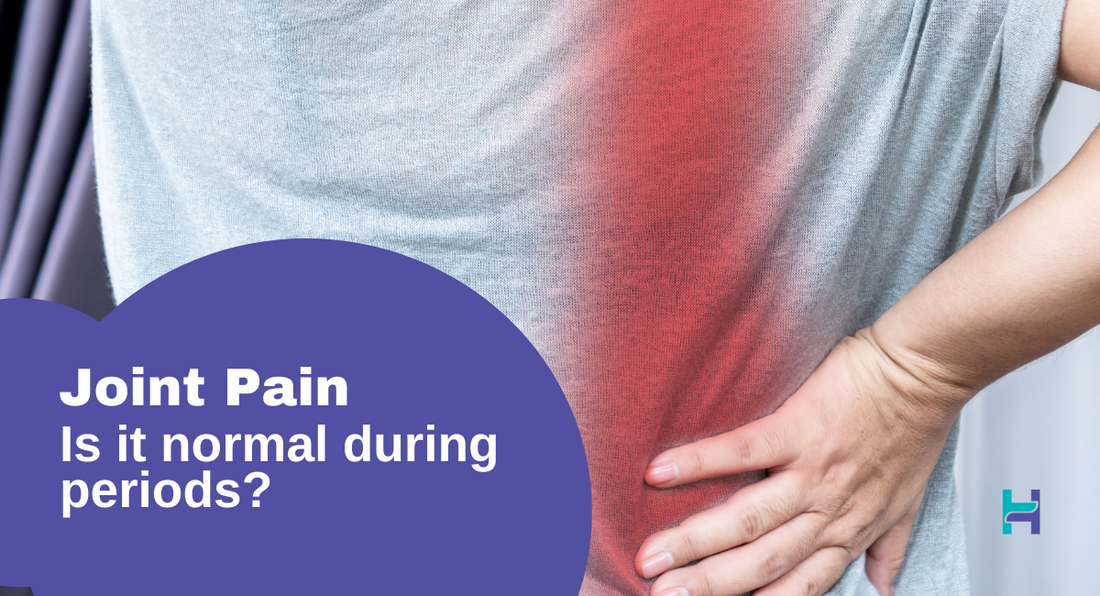
Is it normal to have Joint pain during Periods?
Do you experience sudden aches or stiffness in your joints during your period? Well, you are not the only person. Irritability and mood swings are common symptoms during periods, and period cramps can come as a surprise for many women. In this blog, we'll look at what causes the pain, which joints are involved, how it feels, and how it's related to other period symptoms. We'll also give you easy home remedies and when to call a doctor. Let's get to know your body better—a symptom at a time. What is the reason behind joint pain during periods? Hormonal fluctuations, especially the decline in estrogen the week before and during your period, can have an impact on your joints. Since estrogen helps protect joints and cut inflammation, when levels drop, pain and stiffness can appear. Another suspect: prostaglandins — chemical messengers that surge during menstruation, causing the uterus to contract. They can also result in pain in muscles and joints throughout the body. Fluid retention — a common PMS symptom — may also exacerbate that sense of heaviness or tightness in the joints during your period. When does period joint pain typically start? It is not unusual for women to tell us that joint pain sneaks in a few days before menstruation. That timing is logical as estrogen levels start to decrease during the luteal phase of the menstrual cycle, right before menstruation starts. Joint stiffness, particularly upon waking in the morning or after prolonged periods of rest. For some of the women, the discomfort is most intense in the first two to three days of menstruation — when levels of prostaglandins are highest. These chemicals, while necessary for managing the menstrual cycle, can cause inflammation not just in the uterus but in muscles and joints too. Adding to the discomfort, some women also feel sore joints along with body aches, fatigue or bloating, making the pain feel more systemic. For people with existing conditions like arthritis, the hormonal drop can exacerbate symptoms around this time. Fortunately, for most women, the pain usually lessens on its own after a couple of days of your period. Which joints are most affected? Though period-induced joint pain can differ among people, many women notice soreness in the knees, lower back, hips and smaller joints like the wrists or fingers. These joints could feel stiff, achy, or tender during menstruation. The knees are a common area of concern, in particular, becoming swollen or sore, particularly if you’re on your feet for hours at a time. These joints can feel heavier than they normally would due to hormonal fluctuations and water retention. If you already have sensitive joints, you may experience more pain during your menstruation. Also read: Reasons for cramps but no periods How it feels: common joint pain symptoms Period joint pain isn’t always a one-size-fits-all experience. Some women have a dull, nagging ache in their knees or hips, and others feel stiffness — particularly in the morning. You may also notice that your joints feel heavier or more fatigued than normal. Some go so far as to refer to it as “flu-like” body aches during one’s period. Swelling in your joints occur due to water retention and inflammation that is triggered by prostaglandins. And due to this you may have limited movements from one place to another, particularly when you are exercising or going for a long walk. Sometimes, this pain in the joints is also aggravated by soreness in the muscles or general fatigue, which can hamper your daily activities. You may also feel a bit of tenderness when touching or moving certain joints. While these symptoms generally resolve after a few days, they can be annoying, and often overlap with other period-related discomforts, such as cramps and mood changes. How is period joint pain connected to other symptoms? Most likely, joint pain during your periods will not be experienced due to solitary reasons, but as part of a of symptoms that results from hormonal changes. When estrogen and progesterone go down in values, they can affect the complete body. For instance, the same prostaglandins that cause contractions in the uterus and cramping can also create inflammatory changes in muscles and joints. That is why period pain affects your back, legs, or even arms. Some other prevalent symptoms include body aches, which are typically confused as flu symptoms. Another common companion is fatigue; it intensifies how you may experience joint pains and makes your body feel heavier. Some women report bloating, breast tenderness, headaches, and other digestive complications such as diarrhoea or constipation as well. These overlap and are generally classified under PMS. Home remedies to relieve joint pain during periods Period-related joint pain often improves with simple home remedies. Here are a few things we recommend you should try: Try a few gentle stretches or yoga to loosen stiff joints Take a warm bag or take a relaxing bath Try to take enough rest and keep yourself hydrated by drinking plenty of water Talk to your doctor and explain the situation to him or her You should massage sore joints gently with coconut oil as it provides great relief If you stay active, it will help improve your blood flow and reduce pain. Get Your Exclusive 12% OFF – Just for Our Loyal Readers! Enjoy a special discount on your next purchase. Grab your code now before it expires!. Email Address Get Coupon By signing up, you agree our terms of use and acknowledge the data policies in our privacy policy. You may unscubscribe any time! When should you visit a doctor Joint pain during periods is generally common, but there is a time when a healthcare provider’s intervention is necessary when the pain continues beyond the periods, when the pain prevents daily activities from being done, or when the pain seems to be increasing in intensity. An example of a more severe condition will be which shows persistent swelling, redness, or pain that does not subside with the use of home treatment; this may be linked to some form of a more serious underlying joint condition, most probably arthritis. Such intense recurring pain in the joints during periods or with other PMS symptoms definitely calls for a doctor's advice on possibly hormone imbalances or autoimmune disorders. It is also advisable to consult a health expert if you've been regularly using nonprescription analgesics for pain relief. Summary Joint pain during periods is more common than we might think, thanks to hormonal changes, prostaglandins, and inflammation. While it often affects the knees, hips, and lower back, the discomfort usually eases after the first few days. We can manage mild joint pain with stretching, rest, and pain relief methods at home. But if the pain feels unusual or too intense, don’t hesitate to reach out to a doctor. Understanding your body is the first step toward feeling better every cycle. References 1. https://medlineplus.gov/menstruation.html 2. https://womenshealth.gov/menstrual-cycle/premenstrual-syndrome 3. https://www.mdpi.com/1660-4601/17/4/1191 4. https://bmcwomenshealth.biomedcentral.com/articles/10.1186/1472-6874-14-14
Read More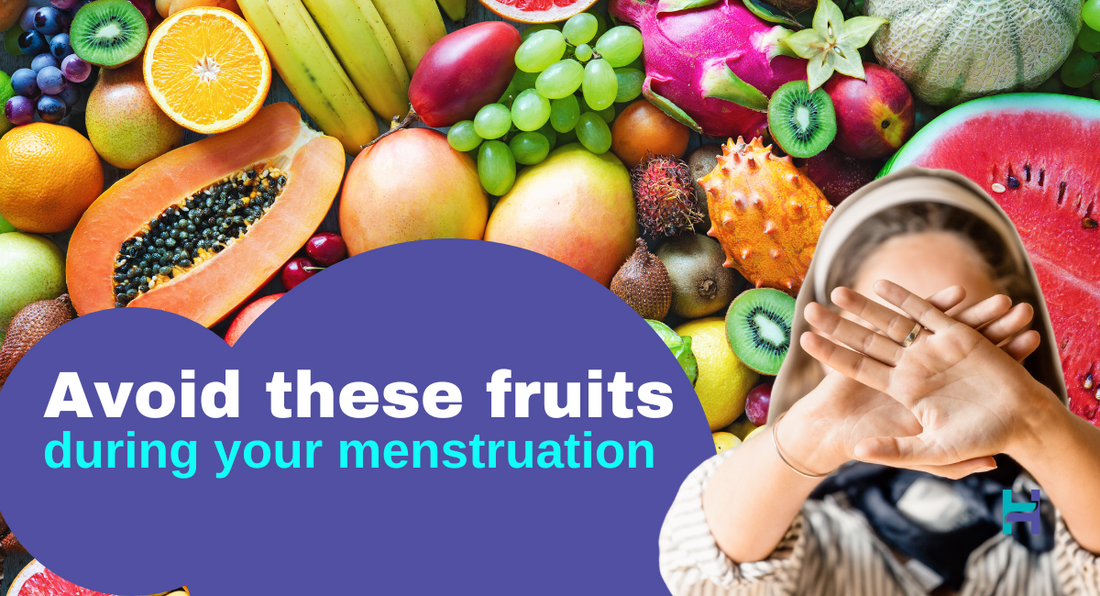
Fruits to avoid during periods: A quick guide
During menstruation, the body experiences a range of hormonal shifts that can influence everything from mood to digestion. While numerous fruits provide valuable nutrients that can ease period symptoms, some fruits can actually exacerbate some discomforts. This guide examines which fruits you may want to restrict or avoid during your menstrual cycle and why. Why some fruits may affect your period Before diving into specific fruits to avoid, we must understand why certain foods impact menstruation differently: Water retention: Some fruits can increase bloating and water retention. Sugar content: Fruits high in sugar can trigger inflammation and mood swings. Cold properties: According to traditional medicine practices, certain "cooling" fruits may intensify cramps. Digestive impact: Some fruits is known to worsen digestive issues that are already heightened during periods. Here are the 5 fruits you should avoid during periods 1. Pineapple Pineapple has bromelain, an enzyme that can possibly cause increased blood flow and intensify bleeding in women with heavy periods, although little research is available on this effect; however, strangely enough, some women say that pineapple's anti-inflammatory properties actually lessen menstrual cramps instead of exacerbating them. For those worried about pineapple's possible effects, papaya during periods is a safer choice with comparable anti-inflammatory benefits without the possible increased blood flow issues. 2. Watermelon Watermelon is a fruit that can keep you hydrated and cool on the inside. It has been utilized in Chinese and Ayurvedic medicine to yield cooling effects. However, for females in the menstrual period, this sour taste from watermelon may have a deteriorating effect on the condition of cramps. It is known that warm foods help during menstruation, mainly by promoting blood flow and hence decreasing the problems that have been accumulated according to the Chinese reading on the issue. Watermelon, with more than 90% of water, can be the reason for bloating. Period bloating is a common symptom among most women because of hormonal changes and water retention, so watermelon turns out to be the least appropriate option in this case. Another good practice is to go for berries like amla or jamun that do wonders for keeping the body hydrated. These berries not only provide the necessary fluid for the body but also contribute to the excretion of radical oxygenated species. Being rich in powerful antioxidants, these berries fight inflammation, which is of phenomenal importance, as it is a major source of discomfort during a period. They also have anthocyanins and ellagic acid, the compounds that play a significant role in reducing the inflammation to cure the condition, and therefore, make it possible to lessen the period's severity and duration of pain. 3. Citrus Fruits During your period, some fruits are better avoided to minimize discomfort. Citrus fruits like oranges, lemons, and grapefruits contain high acidity levels that may worsen digestive issues common during menstruation. Women who already experience acid reflux or stomach sensitivity might find their symptoms intensify after consuming these fruits. Why citrus can be problematic during periods: Contains high concentrations of citric acid that can irritate the digestive tract May trigger heartburn when hormonal changes already affect digestion Can increase stomach acidity when the digestive system is more sensitive Might exacerbate nausea that some women experience during menstruation Instead, opt for gentler fruits like bananas or apples, which provide essential nutrients and fiber without the digestive irritation, helping maintain comfort during an already challenging time. Also read: Learn about benefits of banana during periods 4. Unripe Bananas Eating ripe bananas is preferable while menstruating, whereas unripe bananas are less favorable. One reason unripe bananas are frowned upon by some is due to the amount of resistant starch they contain, which is poorly digested in the body. Resistant starch can slow digestion, and in some cases, cause constipation. Many women experience bloating and constipation during menstruation, and eating unripe bananas can worsen those symptoms. Constipation causes physical discomfort for a person, which can directly impact their mood and energy level. That's why you should be careful of bananas during your period. 5. Dried fruits with added sugar We should avoid dried fruits that contain added sugar, especially during periods. These sugary snacks can spike blood sugar levels, which may lead to inflammation and mood swings. Since our hormones are already fluctuating during this time, added sugar can make things worse. It might leave us feeling irritated or bloated. Many packaged dried fruits are coated with sugar or syrup, which reduces their health benefits. Instead, we can go for fresh fruits that are naturally sweet or opt for unsweetened dried fruits. Eating them in small, moderate amounts can satisfy our cravings without causing a sugar crash. Making mindful swaps like this helps us feel more balanced during our cycle. Fruits that may help during your period Not all fruits are problematic during menstruation. In fact, many can help ease these symptoms: 1. Bananas: Ripe bananas are rich in potassium and vitamin B6, which can reduce bloating and mood swings 2. Berries: Strawberries, blueberries, and raspberries contain antioxidants that fight inflammation 3. Apples: Provide fiber that helps regulate digestion and contains quercetin, which has anti-inflammatory properties 4. Kiwi: Rich in vitamin C and E, which can help reduce period pain 5. Dates: Dates during periods provide iron and natural sugars for energy when dealing with fatigue It's important to note that every woman's body responds differently to foods during menstruation. What triggers symptoms for one person might provide relief for another. Pay attention to how your body responds to different fruits during your cycle and adjust your diet accordingly. Keep a food diary for a few months to track how certain fruits affect your period symptoms. This personalized approach is often more effective than following general recommendations. Get Your Exclusive 12% OFF – Just for Our Loyal Readers! Enjoy a special discount on your next purchase. Grab your code now before it expires!. Email Address Get Coupon By signing up, you agree our terms of use and acknowledge the data policies in our privacy policy. You may unscubscribe any time! When to consult a doctor? If you experience severe period pain, extremely heavy bleeding, or significant mood changes that interfere with daily life, consult a healthcare provider. These symptoms could indicate underlying conditions like endometriosis or PMDD (Premenstrual Dysphoric Disorder) that require medical attention. To summarize Even though some fruits could make menstrual symptoms worse, it cannot be denied that a sensible diet filled with nutrients is a major factor during this time of the month. The thing here is to understand what your body tells you and to take the necessary steps concerning the fruits instead of stopping its consumption as a whole for the period only. Add to this that water supply, proper sleep, and moderate physical workouts are also equally important in reducing period discomfort in addition to dietary issues.
Read More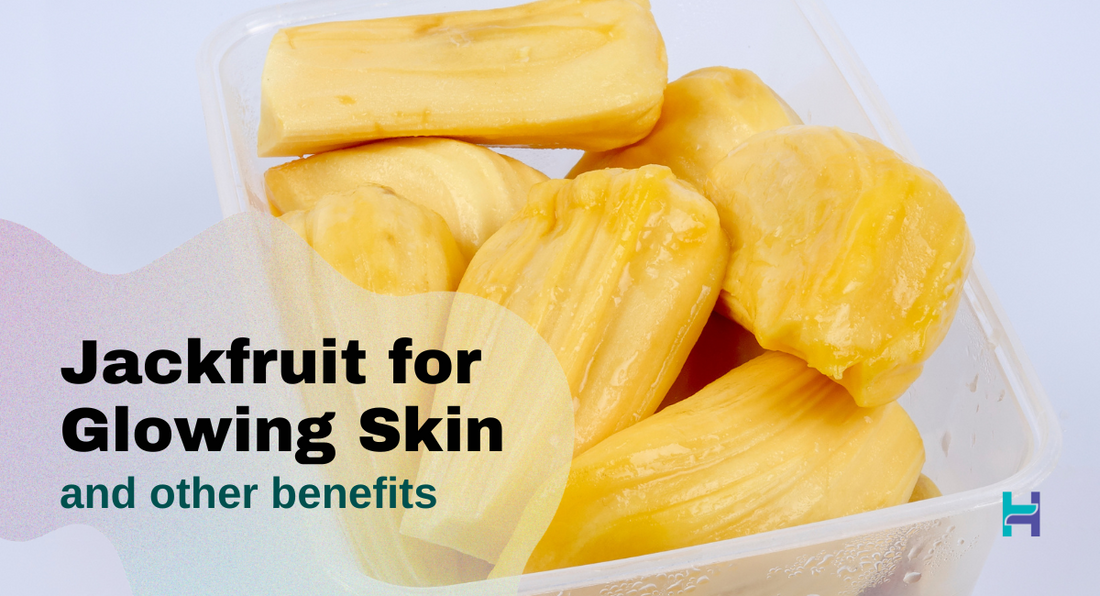
Amazing Benefits of Jackfruit for Glowing Skin in Women
Do you want to look naturally radiant and young? While we spend a lot of money on expensive skincare products, the answer may be hiding in plain sight: Jackfruit! When it comes to jackfruit benefits for skin, this tropical wonder is nothing short of miraculous. We have discovered that this versatile fruit, known as 'kathal' in Hindi, is not only a tasty treat but a powerhouse of skin-enhancing nutrients. In this content, we will see how this amazing fruit can transform and enhance your daily skincare routine naturally. Nutritional Profile of Jackfruit Before we talk about the actual benefits to the skin, let us understand what really makes jackfruit so potent as a beauty food. This tropical fruit is full of essential vitamins and minerals that do marvelous things for the skin and, of course, for the general health. The vitamin C level in Kathal is very high and contains 100 grams, amounting to almost 13.7mg-about 23% of your required daily intake. This excellent fruit is perfectly complemented by the contents of antioxidants, fiber, potassium, and Vitamin A. Jackfruit, however, makes it distinctively special through a unique blend of phytonutrients and flavonoids offering both internal and external benefits. The impressive medicinal properties in jackfruit include the presence of lignans, isoflavones, and saponins. Key benefits of Jackfruit for skin When it comes to skincare, jackfruit emerges as a natural beautifying agent. Its rich antioxidant content directly impacts your skin's health and appearance. We're excited to share how this humble fruit can revolutionize your beauty routine: Collagen Boost: Contains vitamin C and antioxidants that stimulate natural collagen production, improving skin elasticity Anti-aging Protection: Rich in antioxidants that fight free radicals and prevent premature aging Natural Hydration: High water content and essential nutrients help maintain skin moisture levels Wound Healing: Antibacterial properties support faster healing of minor skin issues Let's explore how kathal works its magic on your skin. The vitamin C content in jackfruit isn't just about immunity – it's your skin's best friend for collagen synthesis. We've discovered that regular consumption helps maintain skin elasticity and firmness. The fruit's unique composition includes compounds that protect your skin from harmful UV rays and environmental stressors. What's particularly fascinating is its ability to promote a natural glow from within. The combination of vitamins A and C, along with antioxidants, works synergistically to delay the appearance of fine lines and wrinkles. Plus, its anti-inflammatory properties help calm irritated skin and reduce redness. Additional Health Benefits of Jackfruit Beyond skin benefits, jackfruit offers comprehensive health support. For women experiencing menstrual discomfort, we've found that jackfruit can be particularly beneficial during periods: Rich in iron, helping maintain hemoglobin levels during menstruation Natural anti-inflammatory properties that may help reduce period pain Contains magnesium that helps alleviate premenstrual symptoms Provides energy without causing bloating The fruit's impact on heart health is equally impressive, thanks to its potassium content and fiber levels. Its immune-boosting properties make it an excellent addition to your daily diet, especially during seasonal changes. Get Your Exclusive 12% OFF – Just for Our Loyal Readers! Enjoy a special discount on your next purchase. Grab your code now before it expires!. Email Address Get Coupon By signing up, you agree our terms of use and acknowledge the data policies in our privacy policy. You may unscubscribe any time! Benefits of raw Jackfruit for your skin When it comes to maximizing jackfruit benefits for skin, raw consumption takes the crown. Fresh, uncooked kathal preserves the highest concentration of vital nutrients that your skin craves. We've found that raw jackfruit maintains its complete enzyme profile, particularly its vitamin C content, which is crucial for collagen synthesis. The natural sugars and antioxidants remain fully intact, providing maximum free-radical fighting power to protect your skin from premature aging. What's particularly fascinating is that raw jackfruit contains higher levels of resveratrol compared to its cooked counterpart – this powerful compound helps maintain skin elasticity and firmness. The water content in raw jackfruit also remains unaltered, offering optimal hydration benefits for your skin cells. Additionally, the raw fruit preserves its natural anti-inflammatory compounds, making it especially effective for treating skin irritations and redness. Benefits of dried Jackfruit for your skin While fresh jackfruit offers immediate benefits, dried jackfruit presents a unique set of advantages for skin health. Through the drying process, certain nutrients become more concentrated, making dried kathal a powerful beauty food in its own right. We've observed that the concentration of beta-carotene increases significantly in dried jackfruit, providing enhanced protection against UV damage and supporting overall skin health. The drying process also intensifies the presence of flavonoids, which are crucial for maintaining skin elasticity and preventing oxidative stress. What makes dried jackfruit particularly interesting is its concentrated fiber content, which helps in detoxification and promotes clearer skin from within. The preserved minerals, especially zinc and copper, become more bioavailable in dried form, supporting natural collagen production and skin repair mechanisms. Get Your Exclusive 12% OFF – Just for Our Loyal Readers! Enjoy a special discount on your next purchase. Grab your code now before it expires!. Email Address Get Coupon By signing up, you agree our terms of use and acknowledge the data policies in our privacy policy. You may unscubscribe any time! Precautions and side effects Although jackfruit is considered safe, we still have to be aware of some things. Some individuals might be allergic to it, especially if they are allergic to birch pollen. Diabetic patients should also take note of the portions because jackfruit may alter the level of blood sugar. Pregnant women should only consume it in moderation. Also, its high fiber content may cause stomach discomfort if eaten in large amounts. Summary Jackfruit benefits for skin are truly amazing, providing a natural way to beautiful, healthy skin. From stimulating collagen production to anti-aging, this versatile fruit deserves a place in your beauty and wellness routine. We encourage you to include this nutritional powerhouse in your diet mindfully, considering both its benefits and limitations. Remember, consistent consumption in moderation is key to experiencing the full range of kathal's skin-enhancing and health-promoting properties. Frequently Asked Questions: Q. Does jackfruit improve skin whitening? Jackfruit contains some natural compounds that may level the skin tone. However, it is not particularly a whitening agent; instead, it makes the skin healthier and brighter in its own right. Q. Can I consume jackfruit every day? We encourage moderate intake-2 to 3 portions a week will work for most to reap benefits without any bad impact on health. Q. When to avoid eating jackfruit? Do not eat jackfruit if you have a latex allergy, or you are suffering from digestive disorders or are due for surgery within two weeks. Late-night intake is not recommended since it has high fiber. Q. Is jackfruit heating to the body? As per Ayurveda, it heats up the body. We would recommend a balance with cooling foods, particularly in summer. Reference: Nutritional and Health Benefits of Jackfruit (Artocarpus heterophyllus Lam.): A Review Efficacy of jackfruit components in prevention and control of human disease: A scoping review
Read More
Ashokarishta Benefits for Glowing Skin in Women
Are you looking for a natural way to get that glow on your skin? In the world of Ayurvedic skincare, one formulation stands out above the rest in terms of its benefits - Ashokarishta. Today, we're excited to share a quick guide on how this time-tested herbal preparation can transform your skincare routine. We will explore how its skin-purifying properties and its anti-aging benefits can enhance your beauty. By the end of this blog, you'll discover why Ashokarishta might be the missing skincare routine in your journey to achieving healthy, glowing skin. What is Ashokarishta Ashokarishta is primarily made from the bark of the Ashoka tree (Saraca indica), fermented with other beneficial herbs and natural ingredients. Ashokarishta works by purifying blood and balancing the vata dosha. Modern research and clinical observations have revealed its exceptional benefits for skin health, making it a valuable addition to natural skincare routine. Also read: Try Ashokarishta for Irregular periods Let us first understand the key ingredients present in Ashokarishta. Ashokarishta: key ingredients The primary component is the bark of the Ashoka tree, known for its skin-rejuvenating properties. It's key ingredients include: 1. Ashoka Tree Bark: It is known for its ability to support hormonal balance and reduce menstrual discomfort. 2. Dhataki (Woodfordia fruticosa): It aids fermentation and enhances the tonic’s efficacy. 3. Musta (Cyperus rotundus): It helps soothe inflammation and supports digestion. 4. Haritaki (Terminalia chebula): A powerful antioxidant that helps detoxify your body. 5. Amalaki (Emblica officinalis): Amalaki is rich in Vitamin C, which is known to promote healthy skin and immunity. 6. Jaggery: It acts as a natural sweetener and source of iron. These ingredients work synergistically to enhance women’s health, offering benefits that extend beyond the reproductive system and skin health. Get Your Exclusive 12% OFF – Just for Our Loyal Readers! Enjoy a special discount on your next purchase. Grab your code now before it expires!. Email Address Get Coupon By signing up, you agree our terms of use and acknowledge the data policies in our privacy policy. You may unscubscribe any time! Ashokarishta benefits for skin 1. Improves Skin Texture Ashokarishta detoxifies the body by flushing out toxins that contribute to uneven skin tone and dullness. Regular use of ashokarishta helps achieve smoother, softer skin. 2. Reduces Acne and Blemishes Its anti-inflammatory properties help soothe irritated skin, while its blood-purifying effects target acne-causing toxins for clearer skin. 3. Promotes Natural Glow The rich antioxidants in Ashokarishta enhance circulation, delivering essential nutrients to the skin and boosting radiance. 4. Fights Pigmentation Ashokarishta helps balancing hormones, and reduces melanin overproduction, preventing dark spots and uneven skin tone. 5. Hydrates and Revitalizes Skin Ashokarishta improves overall hydration levels that ensures the skin stays plump and youthful. Also read: Benefits of Ashokarishta for PCOS How it helps with common skin problems Ashokarishta’s blood-purifying properties tackle common skin problems like acne, rashes, and pigmentation. It helps in balancing hormones, and it addresses issues caused by hormonal fluctuations such as breakouts and excessive dryness. Its anti-inflammatory ingredients soothe irritated skin, while antioxidants combat free radicals, preventing premature aging. For women experiencing recurring skin issues due to internal imbalances, Ashokarishta acts as a holistic remedy to restore and maintain skin health. Ashokarishta for anti-aging and glowing skin Ashokarishta’s rich blend of antioxidants and natural herbs makes it a powerful remedy for maintaining youthful, glowing skin. Its ability to purify the blood and flush out toxins ensures the skin stays clear and healthy. Antioxidants like Vitamin C from Amalaki or Amla protect the skin from damage caused by free radicals, preventing wrinkles and fine lines. Ashokarishta enhances circulation and hydration, and it revitalizes the skin from within, restoring its natural glow. Women looking for an Ayurvedic solution to delay signs of aging can greatly benefit from this rejuvenating tonic. How to use Ashokarishta for skin health Ashokarishta should be used according to the recommendation of an Ayurvedic physician. The commonly recommended dose is 15-30 ml. Mix the preparation with an equal quantity of water. It needs to be administered twice a day post-prandially for several months. Avoid Ashokarishta administration on an empty stomach and without consulting the health care professional, especially for pregnant and breastfeeding mothers, patients taking any allopathic or alternative medicine. As for best possible effects, always follow it by eating a healthy diet and a routine skin care activity. Get Your Exclusive 12% OFF – Just for Our Loyal Readers! Enjoy a special discount on your next purchase. Grab your code now before it expires!. Email Address Get Coupon By signing up, you agree our terms of use and acknowledge the data policies in our privacy policy. You may unscubscribe any time! Precautions and side effects Pregnancy and Breastfeeding: Avoid use unless prescribed by a doctor. Overconsumption: Can cause digestive discomfort or diarrhea. Allergies: Check for potential allergies to any ingredients. Medical Conditions: Consult your doctor if you have diabetes or chronic illnesses. Though Ashokarishta is generally safe, excessive consumption can lead to digestive issues like bloating or mild diarrhea. Pregnant and breastfeeding women should avoid it unless advised by a practitioner. If you have any chronic conditions or are on medication, seek medical advice before starting Ashokarishta. Always use it in the prescribed dosage for best results without adverse effects. Summary Ashokarishta is a versatile Ayurvedic tonic that offers numerous benefits for women's health and skin. Its natural ingredients like Ashoka bark and Amalaki make it a powerful remedy for hormonal balance, glowing skin, and anti-aging. It also detoxifies the body and improves blood circulation, which helps to address common skin issues such as acne, pigmentation, and dryness while enhancing overall radiance.To get the most out of Ashokarishta, use it consistently as per the recommended dosage. If you’ve experienced its benefits or have questions about adding it into your routine, we’d love to hear from you! Share your thoughts or ask questions in the comments below.
Read More
Back Pain in Winter - Causes, Remedies and Prevention Tips
Winter brings its own set of joys — cozy blankets, hot tea, and lazy mornings. But for many women, it also brings an unwelcome companion: back pain. If you’ve noticed that your back pain seems to get worse as the temperature drops, you’re not the only one. The cold weather can trigger or worsen back pain, making your everyday tasks feel more difficult. In this blog we would know the common causes of back pain during winter, simple home remedies or using ayurveda, and a few effective prevention tips to keep it away during winters. Common causes of back pain in winter Cold weather affects the human body in quite unexpected ways. Back pain is one of the most frequent complaints during the winter months. During winters, your muscles become stiffer with decreased blood circulation as the temperatures drop. The muscles, in turn, tend to become aches-prone and discomfort-sensitive. When winter month comes, most of us usually spend time staying indoors, which results in less physical activity, causing their back muscles to become weak. This sedentary lifestyle, coupled with long periods of sitting or lying down, often increases the chances of back pain. Another factor that is often ignored and overlooked is vitamin D deficiency. In winter, reduced sunlight exposure can lower your body's vitamin D levels that weakens your bones and muscles. This deficiency can make your back more vulnerable to pain. Moreover, those suffering from diseases like arthritis or sciatica feel their symptoms get worse with cold weather, thus worsening the pain and prolonging it. Such causes make the reason for why back pain seems to become an issue for so many women in the winter. Also read: Impact of Vitamin D on your periods Home remedies for back pain during winter Dealing with back pain during winter can be quite challenging, but some simple remedies can offer relief. Here are a few tried-and-tested home remedies: Apply a warm compress Massage with herbal oils Do light stretching exercises Maintain proper posture Always stay hydrated These remedies mentioned above are effective because they enhance blood circulation, relax stiffened muscles, and reduce inflammation. Applying a warm compress or giving an herbal oil massage results in easing pain immediately. Stretching on a regular basis and maintaining proper posture will keep the pain away. Hydration helps in proper muscle function and keeps your back flexible even on cold days. Prevention tips for back pain Layer Up: Wearing warm clothes, especially around your lower back, helps keep your muscles warm and prevents stiffness. Cold weather can cause muscle contractions, leading to pain and discomfort. Make sure to wear thermal inners, thick sweaters, and jackets to keep your back well-insulated. Adding extra layers around your core and lower back ensures better warmth and protection. Regular Exercise: In winter, staying active is essential to keep the flexibility and muscle strength. Walking, stretching, or light yoga can keep your back muscles active and reduce the risk of pain. Even a few minutes of gentle movement each day can improve blood circulation and prevent stiffness in your lower back. Maintain a Balanced Diet: Switching to proper nutrition and balance diet will help you in keeping your muscles and bones strong. Eat food that are rich in calcium and vitamin D, such as milk, green leafy vegetables, and fish, in your diet. These nutrients help in maintaining bone density and preventing muscle weakness, which can lead to back pain. Maintain a warm indoor climate, as it makes your muscles remain relaxed and minimizes any cold shocks in temperatures. Make use of room heaters, warm blankets, or electric heating pads to maintain an acceptable temperature level in your house. This would decrease the possibilities of getting back pain due to the cold that caused muscle tension. Maintain Good Posture: Bad postures while sitting or lying can exacerbate back pains more during winter. One must use an ergonomic chair with good lumbar support and avoid slouching when sitting. Maintaining good posture, to some extent, helps distribute weight equally across your body and decreases back pressure. We also recommend you to try our GoPainFree Instant period relief cream. Get Your Exclusive 12% OFF – Just for Our Loyal Readers! Enjoy a special discount on your next purchase. Grab your code now before it expires!. Email Address Get Coupon By signing up, you agree our terms of use and acknowledge the data policies in our privacy policy. You may unscubscribe any time! Treatment options for chronic back pain If you are dealing with chronic back pain, we highly recommend you explore advanced treatment options. Physical therapy remains one of the best approaches. If you consult a trained physiotherapist then he can design exercises that target specific problem areas, strengthening your muscles and improve overall flexibility. Over-the-counter pain killers can help you manage occasional pains, but long-term use should be avoided without medical advice. We also suggest you look for alternative treatments, such as acupuncture, acupressure or chiropractic care, have also proven to be effective in pain management. If these treatments do not reduce your pain, you should see a doctor or visit a hospital nearby. Proper diagnosis can help identify underlying conditions, thus allowing you to receive the appropriate treatment. To conclude Back pain during the winter season is a common issue. If you understand the causes, then you may follow simple home remedies, and implement prevention tips to keep your back healthy. However, if the pain persists, don't ignore it — consult a doctor. We hope this blog helps you to better manage your back pain and enjoy the winter season without discomfort. If you have any personal remedies or tips that worked for you, we would love to hear about them in the comments!
Read More
Carrot Juice with Lemon Benefits, Side-effects & more
If you are looking for a quick, natural way to enhance your health, then carrot and lemon juice is your perfect combination. This vibrant combo drink is packed with all the nutrients that is needed for your immunity, skin and your eyes. We will discuss the awesome benefits of carrot and lemon juice, and why this power-packed juice is a must-have in your daily routine. And trust us - you will thank us for this golden treat! Let's dive in. Nutritional profile of carrot and lemon Carrots and lemons don't exist alone but rather complement each other in the process of a healthy body. When it comes to nutritional profile, carrots are nature's multivitamin powerhouse. The orange roots are loaded with beta-carotene (which converts to vitamin A in your body), that offers a remarkable 428% of your daily vitamin A needs in just one cup. They're also rich in biotin, vitamin K1, potassium, and fiber. Alongwith that, lemons are packed with vitamin C (about 51% of your daily needs in just one lemon), flavonoids, citric acid, and potassium. We also recommend you read our detailed article on consuming lemon water during periods in our blog. Below is the nutritional information for 250ml (1 cup) of each juice. Carrot Juice (250ml) Vitamin K: 33% DV Sugar: 9.6 grams Vitamin C: 23.4% DV Fat: <1 gram Biotin: 10.6% DV Fiber: 2.2 grams Calories: 100 Vitamin A: 266% DV Potassium: 16% DV Protein: 2.1 grams Carbs: 23.4 grams Vitamin B6: 13.8% DV Lemon Juice (250ml) Citric Acid: 1.53 grams Vitamin C: 198% DV Sugar: 4.3 grams Thiamine: 6.4% DV Protein: 0.85 grams Folate: 3.2% DV Carbs: 18 grams Fat: 0.21 grams Potassium: 8.5% DV Fiber: 0.64 grams Calories: 57 Vitamin B6: 5.3% DV They become really powerful when we combine these two ingredients. This is where synergistic benefits come into play. The vitamin C present in lemons enhances your body's absorption of beta-carotene from carrots. And the citric acid in lemons helps preserve the juice's nutrients and prevents oxidation, keeping your drink fresh and nutritionally potent for longer. Combined benefits when mixed (1:4 ratio of lemon to carrot juice - 250ml) Improved enzymatic activity for better digestion Extended shelf life through natural preservation Better mineral bioavailability due to citric acid content Balanced pH levels for optimal nutrient absorption Enhanced Vitamin A absorption through Vitamin C synergy Increased antioxidant activity from combined flavonoids Please note: DV (Daily Value) is based on a 2,000-calorie daily diet. Values may vary depending on the freshness and quality of ingredients used. In nutrition, DV means Daily Value, or what a person should take on a daily basis to remain within the recommended limit or intake. The %DV indicates what percentage of the daily value for a given nutrient a single serving of food contains. Also read: Dark period blood, Should I be worried? The combination also creates a perfectly balanced pH level, making it gentle on your stomach while maximizing nutrient absorption. This synergy makes carrot lemon juice more beneficial than consuming either ingredient alone. Here are the incredible health benefits of carrot lemon juice. 1. Skin benefits Who doesn't dream of having radiant, flawless skin? Imagine a natural drink that not only hydrates but nourishes your skin from deep within - that is the magic of carrot lemon juice! Carrots are rich in beta-carotene that enhances your skin. This nutrient converts to vitamin A in your body, helping to repair skin tissues and protect against harmful sun damage. We recommend you to pair it with lemons that are loaded with vitamin C, and you’ve got a skin-boosting powerhouse. This juice combo stimulates collagen production, helps keeping your skin firm, plump, and ever youthful. The antioxidants fight against wrinkles, fine lines and all other signs of ageing. And if you’re struggling with blemishes or uneven skin tone, the healing properties of lemon work wonders to clear and brighten your complexion. 2. It has Cancer prevention properties The carrot and lemon juice have impressive cancer-prevention properties. The beta carotene in carrots not only boosts immunity but also combats harmful free radicals in the body. Studies suggest that beta-carotene may reduce the risk of certain cancers, particularly lung, breast, and stomach cancers, by protecting cells from oxidative stress and DNA damage. 3. Enhances your immune system The beta-carotene in carrot converts to vitamin A in your body—a vital nutrient that strengthens the immune system by enhancing the production of white blood cells, that is responsible for your body's frontline defence against infections. Apart from that carrots provide vitamin C and antioxidants that reduce inflammation and protect cells from oxidative damage. Lemons also play a vital role in immune health. Just one lemon offers over 50% of your daily vitamin C needs, helping to boost the production of white blood cells and antibodies. The flavonoids present in lemons further enhance immunity by reducing oxidative stress and promoting healthy immune responses. Also read: Watermelon Juice - it's benefits and side effects 4. Improves heart health Carrots are rich in potassium, which helps regulate blood pressure by countering the effects of sodium. Their fiber content supports healthy cholesterol levels, reducing the risk of heart disease. The antioxidants present in carrots juice protect blood vessels from oxidative damage. The vitamin C content in lemon improves blood vessel function and reduces arterial inflammation, and flavonoids in lemons are known to lower blood pressure and prevent the buildup of plaque in arteries, reducing the risk of atherosclerosis. 5. Digestive health Both carrots and lemons are fantastic for addressing your gut health. Carrots are high in dietary fiber, which promotes regular bowel movements. The fiber also supports healthy gut bacteria, enhancing digestion and nutrient absorption. Lemons help digestion by stimulating the production of digestive juices by improving nutrient breakdown. Their citric acid content helps detoxify the digestive system and may prevent the formation of kidney stones. Both of them promote gut health, prevents constipation, and enhances the body's ability to process and absorb nutrients 6. Eye health benefits We all know the importance of Vitamin A. Carrots are renowned for their high beta-carotene content, a precursor to vitamin A, which is essential for good vision. Vitamin A plays a very critical role in maintaining the health of the cornea, the eye's outermost layer, and supports the functioning of the retina. It helps prevent night blindness and may reduce the risk of age-related macular degeneration (AMD), a leading cause of vision loss. The lutein and zeaxanthin found in carrots are potent antioxidants that protect the eyes from damage caused by blue light and harmful free radicals. These compounds also help reduce the risk of cataracts and other degenerative eye diseases. Lemons, although less directly linked to vision, offer significant benefits with their high vitamin C content. Vitamin C addresses the health of blood vessels in the eyes, that helps reducing the risk of cataracts and AMD. The antioxidants in lemons can reduce inflammation, which is beneficial for maintaining overall eye health. Recommended daily intake For optimal benefits, we recommend consuming 250ml of this juice blend daily, preferably in the morning on an empty stomach. You can start with a ratio of 4:1 (carrot to lemon) and blend them according to your taste. However, moderation is key – excessive consumption might lead to carotenemia, a harmless condition that can give skin an orange tint. People with citrus allergies or those on certain medications should consult their healthcare provider first. Here are the side effects of Carrot Lemon juice Although carrot lemon juice is a good source of health benefits, it is crucial to have it in moderation to prevent adverse side effects: Allergic Reactions: Allergies may occur with some people against carrots and lemons. Digestive issues: Problems such as acid reflux may occur with excessive consumption. Blood Sugar Levels: Natural sugars in the carrots could contribute to rising blood sugar levels if it is consumed excessively. Summary Carrot lemon juice is truly a wellness powerhouse, offering a spectrum of benefits from enhanced vision and beauty to strengthened immunity and optimized internal health. We suggest you add this nutrient-rich beverage into your daily routine, that will not only enhance your taste buds but you're also investing in your long-term health. It is always best to choose fresh, organic ingredients whenever possible, and maintain consistent consumption for the best results. It's actually a powerful yet simple formula that will unlock natural, better health for you. We would love to hear from you about your experiences. Which juice do you prefer the most during your periods? Do let us know in the comments section below.
Read More
Unripe Papaya for Periods - It's Benefits and Side Effects
Traditionally, the green or unripe papaya has been used in many cultures, especially Southeast Asian medicine, for its effects on menstruation and reproductive health. This tropical fruit contains unique enzymes and compounds when in its unripe state that can influence hormonal balance and menstrual flow. What is Unripe Papaya? Green or unripe papaya is basically the raw, immature version of the sweet, orange papaya we're familiar with. While the ripe one is sweet and soft, the unripe one is firm, green, and has a different nutritional profile altogether that makes it particularly interesting for women's health. Unripe papaya is rich in: Papain: A powerful enzyme that's most concentrated in the fruit's unripe state Chymopapain: Another enzyme that works alongside papain Latex: A milky substance that contains beneficial compounds They are rich fiber content Packed with essential vitamins and minerals These enzymes, along with other bioactive compounds, contribute to its medicinal properties. Also read: Induce periods immediately with the 5 superfoods Benefits of Unripe papaya for menstrual health 1. Helps regulate irregular menstrual cycle We know how frustrating it is to have unpredictable periods. It comes early one month, late the next month, and sometimes you may see a skip a month altogether. Consumption of green papaya can be pretty beneficial in such situations. Enzymes in the raw or unripe papaya function directly with your body's natural processes. They might help your period come at the right time, each month. Here's what happens when you consume unripe papaya – Your menstrual cycle starts becoming more predictable. You'll notice your periods coming at more regular intervals. The time between your periods becomes more consistent. Your body develops a more stable monthly pattern. We recommend starting with small amounts of unripe papaya. You can add it to your diet about a week before your expected period date. However, remember – if you're pregnant or trying to conceive, you should avoid unripe papaya completely. A quick note from us: While many women find unripe papaya helpful, everybody is different. If your periods are very irregular, it's best to talk to your doctor first. 2. Reduces the severity of menstrual cramps Menstrual pain can really disrupt your life. However, the really good news is unripe papaya can help ease those uncomfortable cramps. The special enzymes in unripe papaya, especially papain, work like natural pain relievers. They help relax your uterine muscles, which means less cramping and discomfort during your period. Rather than popping those over-the-counter painkillers right away, you might find that adding unripe papaya to your diet in the days leading up to your period helps reduce the intensity of cramps. This natural approach can make your monthly cycle more comfortable. 3. Aids in healthy uterine muscle contractions during menstruation During your period, your uterus needs to contract properly to shed its lining – it's like a natural cleansing process. When your uterus contracts in a healthy, regulated way, it helps your period flow more smoothly and reduces the chance of blood clots forming. The enzymes in unripe papaya, particularly papain, help support these natural contractions. The enzymes don't make your contractions stronger or more painful – instead, they help make them more effective. This means you might notice your periods becoming more regular and manageable. Many women report that their periods seem to "flow better" when they include unripe papaya in their pre-menstrual routine. 4. Unripe papaya balances hormonal levels The special compounds present within an unripe papaya have been found to function thinly with the hormone systems in women. The presence of these natural substances leads to the regulation of estrogen – that fluctuates and at times gives a woman trouble such as mood swings, heavy bleeding or irregular periods. This helps women understand how unripe papaya inclusion in diets on a daily basis impacts them and keeps their moods more stable with lesser symptoms of PMS during the entire menstrual cycle. Phytochemicals in unripe papaya support your body's own hormone-balancing mechanisms, unlike synthetic hormones that might override your natural processes. Get Your Exclusive 12% OFF – Just for Our Loyal Readers! Enjoy a special discount on your next purchase. Grab your code now before it expires!. Email Address Get Coupon By signing up, you agree our terms of use and acknowledge the data policies in our privacy policy. You may unscubscribe any time! 5. It assists in reducing menstrual blood clotting Heavy clotting during periods can be uncomfortable and concerning. But unripe papaya can help you with this issue as well. It works in two main ways to reduce menstrual blood clotting: Through its enzyme fibrinolytic properties: The papain enzyme in unripe papaya acts as a natural blood thinner. It helps break down fibrin, a protein that's responsible for blood clot formation. When these enzymes are present, they help prevent blood from becoming too thick or forming large clots during menstruation. Through improved circulation: The enzymes in unripe papaya also help improve blood flow in the uterine area. Better circulation means blood can flow more smoothly during menstruation, reducing the likelihood of clots forming. Side Effects and Precautions Even though unripe papaya can be beneficial for menstrual health and has so many benefits, it also has its share of risks. If you're pregnant or trying to conceive, please avoid unripe papaya completely – its strong enzymes can cause uterine contractions that might lead to miscarriage. Another issue with consuming unripe papaya is experiencing digestive issues like stomach discomfort, bloating, or diarrhoea when women first start consuming unripe papaya. In those cases, you may opt for healthy papaya juice. So, it is always better to consult with your doctor. The enzyme papain can also trigger allergic reactions in sensitive individuals, showing up as skin rashes, itching, or in rare cases, breathing difficulties. If you're taking blood-thinning medications, be extra cautious as unripe papaya can enhance their effects and increase bleeding risks. If you experience any unusual symptoms after consuming unripe papaya, stop consuming it and get connected to your doctor immediately. Summary Unripe papaya can be a natural way of backing your menstrual health. Its ability to stimulate uterine contractions may help regulate delayed periods, while its nutrients can ease menstrual discomfort. But women should also be cautious as consuming it in excess or during pregnancy can lead to complications. If you’re thinking of adding unripe papaya to your diet during your periods, it’s always a good idea to consult a nutritionist. You can get personalized advice to ensure if eating papaya is safe and beneficial for you.
Read More
Can Jeera Water Relieve Constipation? The Answer Is Here
Did you know that a whopping 14% of Indians suffer from constipation at some point? If you have ever experienced the discomfort of irregular bowel movements, bloating, or indigestion, you are not alone. We understand how frustrating digestive issues can be. Today, we're exploring a natural remedy that might just bring you relief: jeera water (cumin). Join us as we explore whether jeera water can indeed help reduce constipation and improve your digestive health. Let's dig in and find the answers together. Does Jeera Water Help with Constipation? Yes, jeera water definitely helps with constipation. Jeera water does work by stimulating digestive enzymes to promote regular bowel movements. The seeds have essential oils that activate salivary glands, breaking down the food and helping in easing digestion. Constipation can be very distressing for women in their menstrual years. This condition hampers your comfort during the day. Many women look for natural remedies such as jeera water, which is said to have digestive benefits in traditional medicine. Women require good digestive health, particularly when they are menstruating. Although jeera water cannot be a panacea, its properties may help relieve constipation and promote overall digestive health. It not only helps in easing constipation but also supports smoother gastrointestinal function in women, which is very necessary for women throughout the menstrual cycle. We would highly recommend you learn more about the benefits of Jeera water during periods in our detailed blog. Let us now understand how jeera water helps in digestion and what all beneficial impacts it has on the body. Benefits of using Jeera water for digestion Improves Digestive Enzyme Production Jeera, or cumin seeds, stimulates the production of digestive enzymes such as amylase, lipase, and protease. These enzymes break carbohydrates, fats, and proteins easily and aid in digestion so nutrients can be absorbed into the blood to achieve optimal health. Relieves Indigestion and Bloating Jeera has carminative properties that help reduce indigestion and bloating. It reduces gas formation in the digestive tract by expelling trapped gases, bringing relief from discomfort and offering a flatulence-free stomach after meals. Regulates Bowel Movements Drinking jeera water regularly helps regulate bowel movements as it encourages peristalsis, the wave-like contractions of the intestines that propel food and waste through the digestive tract. This prevents constipation and ensures smooth passage of stool, promoting digestive regularity and overall gastrointestinal health. It enhances nutrient absorption Improving digestive efficiency, jeera water enhances the absorption of all the essential nutrients such as vitamins (like vitamin B12 and vitamin D), minerals (such as iron and calcium), and antioxidants from the food we consume. In this way, our body receives maximum benefit from the nutrients present in our diet. Also read: How Jeera water helps your skin glow Reduces Risk of Acid Reflux Jeera water diminishes the possibility of reflux acidity because it maintains stomach acid production. The water supports the secretion of gastric juices without overproducing stomach acids that help to break up food. Therefore, reducing the risk of reflux acidity minimises heartburn and several other symptoms linked with this disease, leading to digestive ease and comfort. How to make jeera water for constipation Homemade drink for constipation: To prepare jeera water, take about one to two teaspoons of cumin seeds (jeera). Rinse the cumin seeds under running water, making sure to wash off any impurities or dust particles. Now, heat a small saucepan over medium heat. Add the rinsed cumin seeds. Dry roast them for a few minutes until they are aromatic and slightly darker in colour. Dry roasting will enhance the flavour of the cumin seeds and release the essential oils, which help in digestion. Once roasted, add two cups of water to the saucepan immediately. Bring to a boil over medium-high heat, then reduce the heat to low and let it simmer for another 5-10 minutes. This is when the cumin seeds infuse into the water, creating a very potent and therapeutic jeera water solution. Let the jeera water cool down to room temperature. Strain the jeera water using a fine mesh strainer once it cools down to get rid of the cumin seeds and any residue from them. Pour the jeera water into a clean glass or container. And now, your jeera water is ready for drinking! Drinking jeera water on an empty stomach in the morning can be an effective stimulant for bowel movements and relieve constipation. For added benefits, you can squeeze a little fresh lemon juice into the jeera water before drinking it. Also read: How to reduce period bloating and gas Benefits of drinking Jeera water at night Drinking jeera water before bed can aid digestion and promote better sleep. Jeera, or cumin seeds, are rich in antioxidants and essential oils that help calm the digestive system. Jeera water is a natural diuretic; hence, it helps detoxify and flush out toxins from the body. This detoxification also supports the functioning of kidneys and reduces water retention in the body, making it feel lighter at night. Drinking jeera water at night can also regulate blood sugar levels and boost metabolism, which is very helpful for people with diabetes or for weight management. In short At the end, we can say that Jeera water has incredible potential as a natural digestive aid, showing a holistic approach to gastrointestinal challenges and constipation. Scientific and traditional evidence supports its ability to enhance digestive processes, reduce discomfort, and thus help reduce constipation. We welcome our readers to add this simple remedy to their wellness routine and share transformative experiences. References https://www.abbott.in/media-center/press-releases/indian-adults-suffer-from-constipation.html https://pmc.ncbi.nlm.nih.gov/articles/PMC7407589/
Read More
Can Low Vitamin D Affect Your Menstrual Cycle?
Ever wonder if low vitamin D might be impacting your menstrual cycle? In our blog, we will establish the connection between vitamin D levels and your monthly rhythms. We will also help you find out why maintaining optimal vitamin D levels is crucial for women's health, how it impacts menstrual regularity and pain, and more practical tips on how to ensure you're getting enough. So, by the end of this read, you'll have a clearer idea of how vitamin D affects your cycle and what steps you can take to navigate the month cycle. What is Vitamin D and why it is essential? Vitamin D is a fat-soluble vitamin our bodies require to absorb calcium and promote bone health. Besides its skeletal benefits, it is essential in supporting immune function, mood regulation, and hormone balance. For women, it is especially important to keep adequate vitamin D levels since it influences menstrual health, fertility, and pregnancy outcomes. It is also involved in modulating estrogen and progesterone, thus affecting the predictability and intensity of menstrual cycles. Maintaining adequate vitamin D levels has been linked with reduced risks for conditions such as osteoporosis, autoimmune diseases, and several cancers. If you think of Vitamin D as sunshine vitamin, they you should know the sunshine vitamin is really important because it impacts so much more of your health than sun does. What is Irregular Menstrual Cycle An irregular menstrual cycle refers to variations in the length of time between periods, changes in the flow and duration of menstruation. For some women, this means periods that come too frequently (less than 21 days apart) or too infrequently (more than 35 days apart). It can also involve unpredictable changes in menstrual flow, from very light to heavy bleeding. The role of Vitamin D and your periods Various international studies reveal the alarming trend that women having irregular cycles or with cycle length greater than 35 days show symptoms of vitamin D deficiency. This vital vitamin regulates the hormones responsible for the functions of ovaries. The presence of VDR throughout the female reproductive system, especially in the ovaries, gives a clear impression that this is a critical one. This wide dissemination suggests that low levels of vitamin D may disrupt the hormonal balance necessary for regular menstruation. Understanding this relationship is of utmost importance to women's health, as maintaining proper levels of vitamin D becomes essential for optimal reproductive health and menstrual cycle regularity. How Vitamin D helps Vitamin D interacts with cells throughout our body, including those that produce and regulate hormones. Within the endocrine system, vitamin D is a modulator, meaning it affects the production and release of major hormones such as estrogen, progesterone, and testosterone. Vitamin D fine-tunes their activity by binding to specific receptors on hormone-producing cells, allowing them to operate at optimal levels. Thus, adequate vitamin D levels play a critical role in ensuring that the hormonal machinery of our body works smoothly and contributes to our general health and vitality. What are the accurate Vitamin D levels It is always a good idea to know your vitamin D levels as it is important in understanding and managing your overall health. Healthy vitamin D levels are associated with better bone health, immune function, and hormonal balance, which are particularly important for women's reproductive health. A simple blood test can accurately measure your vitamin D levels, usually expressed as nanograms per millilitre (ng/mL) or nanomoles per litre (nmol/L). Healthcare providers recommend maintaining levels between 30 to 50 ng/mL (75 to 125 nmol/L) for optimal health benefits. If low vitamin D levels are detected, your doctor may recommend supplements or dietary changes to boost vitamin D intake. Get Your Exclusive 12% OFF – Just for Our Loyal Readers! Enjoy a special discount on your next purchase. Grab your code now before it expires!. Email Address Get Coupon By signing up, you agree our terms of use and acknowledge the data policies in our privacy policy. You may unscubscribe any time! Sources of Vitamin D Getting enough vitamin D is important for health and could have a significant difference by knowing where to find it. There are two natural ways of getting vitamin D. First, is getting natural exposure to the sun while the other source of obtaining vitamin D is by consumption. Supplements also offer another way of attaining adequate vitamin D levels in one's body. Sunlight: Vitamin D is produced in the skin upon exposure to direct sunlight, especially UVB rays. Through a Diet: You should include foods that are rich in vitamin D in your diet, such as fatty fish (salmon, mackerel, tuna), egg yolks, cheese, and fortified foods like dairy products, cereals, and orange juice. Vitamin D3 supplements: This is the preferred supplement because vitamin D3 is more efficient in increasing and maintaining levels of vitamin D in the body than vitamin D2. The supplementation dosage varies between 600 to 2000 IU (International Units) a day, but if one has a deficiency, it may be higher as recommended by the doctor. Tips to maintain Vitamin D levels in women Here are some tips to maintain vitamin D levels in women. Get enough sunlight exposure. Eat foods rich in vitamin D, such as fatty fish, egg yolks, and fortified dairy products. Consider Vitamin D supplements. Use fortified foods, such as cereals and orange juice. Maintain a healthy weight. Monitor and test your vitamin D levels regularly. In Summary Research suggests that inadequate vitamin D levels can lead to an imbalance in hormones, which might result in abnormal menstruation and pain during menstruation. Maintaining adequate vitamin D levels can help regulate your cycle and ease the symptoms. However, it is highly recommended that you consult a doctor and follow what is suggested.
Read More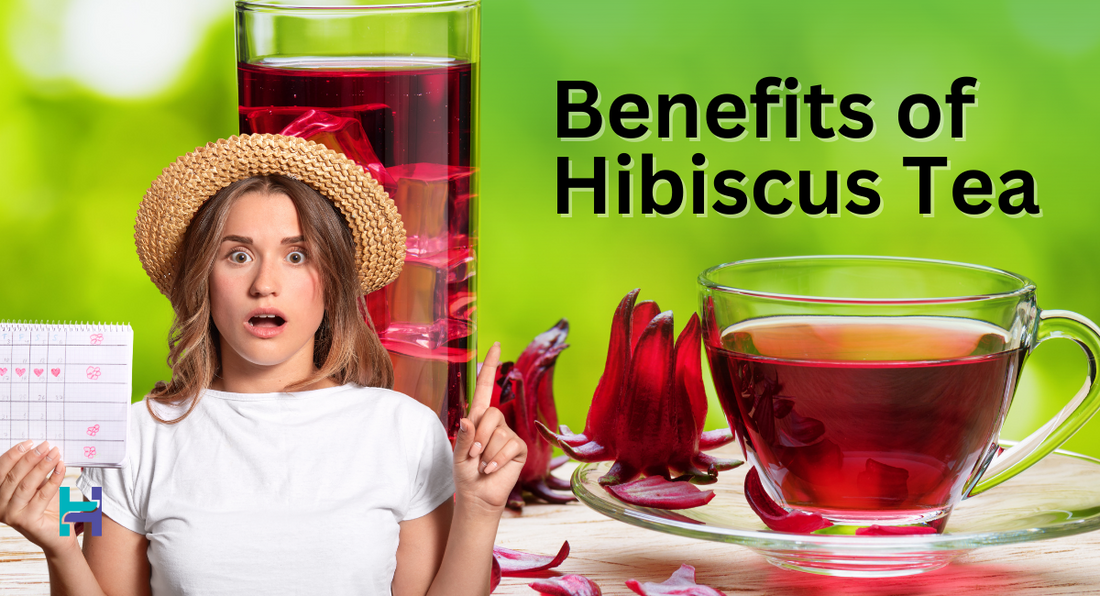
Why Hibiscus Tea is a Must for Periods: Benefits Explained
A lot of women look for natural remedies to overcome their period symptoms that actually work without adding to their list of worries. Hibiscus tea has gained attention as a soothing, herbal option which doesn't just taste refreshing but also brings real benefits during that time of the month. In this blog, we'll walk you through how hibiscus tea can support your body during cramps, mood swings, bloating, and more. By the end, you'll know the benefits of this vibrant, ruby-red tea that will help you feel a little more in control and comfortable during your menstruation phase. Let's dive into how hibiscus tea might just become your new period partner. It reduces menstrual cramps Cramps - probably one of the worst signs of your period. All of us have clenched our abdomen in pain, feeling that familiar unwanted tension. This is where hibiscus tea helps. The natural properties of the tea calm muscles that cause uterine spasms and therefore the pain associated with menstrual cramps are curbed by its gentle but efficient relief-giving action. Research has shown that hibiscus tea contains antispasmodic compounds. These compounds impact a mechanism of relaxation within the smooth muscles of the uterus, thereby reducing the likelihood that powerful spasms can be felt as intensely. For many women, this translates to much-needed peace and comfort when it's time to visit Aunt Flo. That means while cramps aren't necessarily going away completely, you'll likely be able to push through them using far fewer prescriptions. Balances the hormones Hormonal fluctuations happen during periods, and just about any emotion can go topsy turvy with hormonal fluctuations. The estrogen levels could surge or plummet, leaving you absolutely overwhelmed, irritable, or just plain "not yourself." Hibiscus tea may be a gentle accommodator of these hormonal fluctuations. Hibiscus tea also contains phytoestrogens—plant compounds that mimic estrogen. Phytoestrogens bind with estrogen receptors in your body, which may help a woman modulate ups and downs in her hormones. Some studies have revealed that for some women, that subtle balancing effect can make the emotional roller coaster of PMS a little less wild ride, offering a little more stability throughout those days leading up to and through your period. And the best part is that you are bringing out this balance with something natural, without having to use artificial supplements or added hormones. Hibiscus tea eases PMS symptoms PMS mostly involves cramps, bloating, fatigue, irritability, and mood swings. Hibiscus tea benefits those more than just the physical agony. The antioxidants present in the tea aid in combating oxidative stress-a state often attributed to fatigue and low energy. Moreover, flavonoids present in hibiscus tea helps by stabilizing the mood. Overall, it can be a great companion not only to your body but also to your soul. Improves circulation Periods can sometimes leave us feeling drained, especially on heavier days. Good circulation improves energy levels and supports all the natural processes going within your body. Hibiscus tea is a mild vasodilator, which may help to allow blood flow through widening those blood vessels. Improved circulation can result in higher oxygenation levels in most of your body, which might possibly help you during your period. It may not suddenly boost your energy levels, but help you feel less drained and more capable to endure what you are going through. Adding to this, the red colour of your hibiscus tea feels energizing on its own, a small visual sign of energy. Also read: Hibiscus tea for period cramps Anti-inflammatory properties of Hibiscus tea Inflammation is often behind the scenes as a cause of period pain. It happens because if our bodies create too much prostaglandins – hormone-like chemicals linked to inflammation – menstrual cramps, headaches, and other pains become stronger. The anti-inflammatory properties of hibiscus tea is very useful in this regard. Hibiscus contains anthocyanins, a group of all-natural compounds of the highest anti-inflammatory action. Anthocyanins helps decrease your body's inflammation reaction and, hence decrease the pain with your periods. Hibiscus tea presents a natural and gentle choice for relief for a woman suffering from menstrual cramps. Nutritional composition of hibiscus Hibiscus flowers are rich in a lot of nutrients that can make them an excellent addition to your period wellness routine. Vitamin C content in hibiscus increases the immunity and fights against fatigue, while essential minerals like iron and calcium ensure healthy blood flow and muscle relaxation. The intense red anthocyanins present in the juice of hibiscus flowers act as potent antioxidants by reducing inflammation and easing on cramps. Hibiscus natural acids and fiber help enhance digestion with a lovely tangy flavour, making every cup of hibiscus tea not only a soothing drink but also nutrient-rich and capable elixir during your period. Side Effects of Hibiscus Tea While hibiscus tea does come with its fair share of benefits, it's always a good idea to consume it in moderation. In fact, for some, hibiscus lowers blood pressure lightly, so it may not be a good drink for someone with low blood pressure. It also interacts with some types of medicine, like those being taken for blood pressure or hormonal balance. So, if you're already taking medication, it's best to see a doctor before taking hibiscus tea. Overconsumption of hibiscus tea causes stomach upset or dizziness; thus, one to two cups a day allows for the safe consumption of its benefits without worry. Also, you can try green tea, as green tea is also known for its anti-inflammatory properties and has the ability to boost your mood. To sum up Hibiscus tea has varied therapeutic benefits in terms of menstrual health, including its ability to ease up those nagging cramps, balance hormones, reduce inflammation, and boost energy. With every cup, you enhance your body with a natural and soothing remedy perfectly aligned with your wellness goals. If there was something missing for an easy, enjoyable approach to feeling more comfortable and in control of your period, this could be the addition you've been waiting for. Try it now, and please share your experience with us. Frequently asked questions Q1: Is hibiscus tea good for PCOS? Ans: Yes, hibiscus tea is good for PCOS. In fact, it is a great way to help regulate your period and reduce symptoms. PCOS is an endocrine disorder that affects how your body processes hormones particularly estrogen which leads to irregular periods, or no periods at all. Q2: Can hibiscus start period? Ans: Hibiscus can definitely help with period-related symptoms like cramps and bloating. It's also great for PMS because it has high levels of vitamin C, which helps regulate hormone production. So yes! Hibiscus tea can encourage your period. In fact, drinking hibiscus tea regularly is a great way to help your body prepare for menstruation. Q3. Is hibiscus good for female fertility? Ans: Hibiscus is not just good for female fertility—it's actually a superfood! Hibiscus tea has been used for centuries to help with menstrual cramps and heavy bleeding, and it's even thought to help balance your hormones.
Read MoreOur Top Essentials


