


Key Takeaways Fruits help reduce cramps, improve energy, and support your body during periods Iron, vitamins, and fiber in fruits help replace lost nutrients Fruits like banana, papaya, and pomegranate help with bloating and digestion Natural sugars in fruits give quick energy and reduce tiredness Eating fruits regularly during periods helps you stay balanced and hydrated Fruits are among the best foods to eat during your period. They help reduce cramps, improve energy, and support your body during hormonal changes. Clinical evidence indicates that women who eat at least two servings of fruit per day are less likely to experience menstrual pain compared with those eating less fruit. During your period, your body loses nutrients and may feel tired or low. Choosing the right fruits can help you with hydration. Some fruits also helps in digestion and reduce bloating, which a lot of women experience during period days. In this guide, we will find out which fruits to eat, why they help, and how you can include them smartly in your daily routine. Nutritional Needs During Periods Your body undergoes changes during the menstrual cycle, and it requires extra support to remain healthy and strong. That's the role that nutrition plays! Eating the right kind of fruits can help you feel better during your menstrual cycle. Iron, calcium, vitamins, and fiber are among the nutrients your body requires to function properly. These nutrients are designed to maintain your energy levels and help your body replace what it loses during menstruation. Benefits of Eating Fruits During Periods Eating fruits during your period can be incredibly beneficial. Expert reviews on period-friendly diets note that fruit and vegetables are especially helpful during menstruation because they supply key vitamins, minerals, and fiber that may ease cramps and support overall symptoms. Fruits are packed with essential vitamins and minerals that your body needs, such as vitamin C, potassium, and antioxidants. During your menstrual cycle, these nutrients can assist your body maintain immune system health and restore its resources, keeping you feeling resilient and powerful. Adding to that, fruits contain a lot of fiber, which helps with digestion and helps avoid constipation, which is a typical problem during menstruation. Also, the natural sugars in fruits provide you a rapid energy boost that helps you fight off weariness and maintain your focus and alertness for the entire day. Numerous fruits include anti-inflammatory qualities that can ease menstrual cramps and reduce bloating, giving you much-needed respite during your period. A combination of observational data and clinical guidance reports that anti‑inflammatory, fiber‑rich foods such as fruits are linked with milder period cramps and better menstrual comfort. Last but not least, fruits’ high water content helps keep you feeling hydrated and revitalized while fending off dehydration. Best Fruits to eat during Periods Here is the list of fruits that are beneficial during periods. Mango There are several reasons to eat mangoes during periods. Mangoes, which are high in vitamin C, strengthen your immune system and help prevent disease even during menstruation. In addition, mangoes' beta-carotene and vitamin A content promotes healthy skin, giving skin a dazzling glow that can increase self-esteem this time of month. Dates Having dates during menstruation can be a tasty and nourishing companion. They are a great complement to your menstrual diet because they are full of nutrients and have a burst of taste. Dates are small iron powerhouses, which assist in replenishing the stocks of iron that might be lost during menstruation and leave you feeling lethargic and exhausted. Not only that, but date are also a great source of fiber, which helps maintain regular digestion and ward off painful bloating and constipation. Jackfruit There are a lot of health benefits associated with Jackfruit. Jackfruit is rich in potassium and it aids in controlling the body's fluid balance, which lessens bloating and other discomforts related to menstruation. Additionally, the vitamin B6 in jackfruit helps reduce irritability and mood fluctuations associated with premenstrual syndrome (PMS). Pomegranate Many women wonder if it's safe to have pomegranates during periods? Well, the good news is that pomegranates are perfectly safe to consume during menstruation and can even provide relief from symptoms like bloating and fatigue. Pomegranates have a plethora of health benefits that make them an excellent choice for women during their periods. Peer‑reviewed research on punicalagin, a major pomegranate polyphenol, confirms strong antioxidant and anti‑inflammatory actions that may help modulate inflammation‑related pain pathways. Rich in antioxidants such as punicalagins and anthocyanins, pomegranates possess powerful anti-inflammatory properties that can help reduce menstrual cramps and discomfort. The high vitamin C content in pomegranates supports immune function, which is particularly important during menstruation when women may be more susceptible to infections. Papaya Papayas are delicious and nutritious fruits that offer many benefits for women during their periods. They are rich in digestive enzymes like papain, and can help ease bloating and discomfort. They provide essential nutrients like vitamins A and C. During menstruation, hormonal changes can sometimes lead to acne breakouts or other skin issues. Vitamin A present in papaya helps maintain healthy skin by promoting cell turnover and repair, reducing the likelihood of acne flare-ups. Papaya is rich in vitamin C and it is a powerful antioxidant that supports the immune system, helping the body defend against infections and illnesses that may occur during menstruation. You can read our detailed blog on Papaya Juice and its effectiveness during periods. Banana For a variety of reasons, bananas make a fantastic snack during periods. They include a lot of potassium, which helps the body maintain a proper fluid balance and lessens bloating that sometimes develops with menstruation. Bananas also contain a lot of vitamin B6, which helps reduce irritability and mood swings associated with premenstrual syndrome (PMS). They are a simple snack to grab when you're on the road and having cravings because of how portable and convenient they are. Therefore, eating a banana while you're menstruating can help you feel balanced and energized all day. A controlled school‑based intervention found that regular banana consumption before menstruation reduced premenstrual syndrome symptom scores, likely due to their vitamin B6, magnesium, and calcium content. Amla Amla, sometimes referred to as Indian gooseberry, is a nutrient-rich superfood that offers a host of advantages during the menstrual cycle. Amla, which is high in vitamin C, strengthens immunity and helps against infections and illnesses that women may be more vulnerable to during their menstrual cycle. Moreover, the antioxidants in amla help lower inflammation, which lessens the pain and discomfort associated with menstrual cramps. One easy method to enjoy the health benefits of this superfruit is to drink amla juice, which is made from fresh amla fruits. Amla juice can help restore lost nutrients and maintain energy levels during periods, preventing the lethargy that is frequently felt during menstruation. Amla juice also facilitates regular bowel motions and aids in digestion, which helps to avoid constipation and bloating. Lemon Do you know that Lemon can be very beneficial during periods? Lemons are a great addition to your period diet because of their many health advantages. Lemons, being high in vitamin C, strengthen the immune system, preventing infections and maintaining your well-being during your menstrual cycle. In addition, the citric acid in lemons facilitates regular bowel movements and aids with digestion, which helps to avoid bloating and other discomforts that come with menstruation. Lemon juice can aid in the body's detoxification process as well as hydration by removing toxins and decreasing water retention. Its zesty flavor gives your meals and drinks a refreshing touch, making it a tasty and healthy option for staying hydrated and maintaining good health throughout your period. Tips for Adding Fruits to Your Period Diet Here are a few suggestions for including fruits in your period diet. Include fruits in your meals: Top your salads with chopped apples or pomegranate seeds for a cool touch, or add sliced bananas or berries to your curd or cereal for morning breakfast. Snack on fruits: Keep a variety of fruits like grapes, oranges, or sliced melons handy for easy snacking throughout the day. Blend fruits into smoothies: For a quick and easy dinner or snack, combine fruits like mangoes, pineapples, and strawberries with yogurt or milk to make delicious and nutrient-dense smoothies. Side Effects of Eating Fruits During Periods Fruits provide many health advantages, but there may be some adverse consequences to be mindful of when you're menstruating. Fruits' high fiber content may make bloating and stomach discomfort worse for certain people. Particularly for people with sensitive stomachs, some acidic fruits, such as oranges or citrus fruits, might irritate the stomach lining and cause acidity or heartburn. Furthermore, eating a lot of fruits, especially ones like bananas and grapes that are high in natural sugars may cause blood sugar levels to surge, which can cause mood swings or energy dips. To prevent any negative effects during menstruation, it is essential to pay careful attention to your body and restrict fruit intake based on your personal tolerance and preferences. On a final note Fruits can be beneficial additions to your diet during periods as they are packed with essential nutrients like vitamins, minerals, and antioxidants. Fruits provide a tasty and practical method to maintain good health during the menstrual cycle, whether they are consumed raw, pureed into smoothies, or combined with salads. Share with us in the comments below which fruit is your favorite and how you enjoy it during your period. References 1. Onieva-Zafra MD, Fernández-Martínez E, Abreu-Sánchez A, Iglesias-López MT, García-Padilla FM, Rodríguez-Almagro J. Relationship between diet, menstrual pain and menstrual characteristics. 2020. https://pmc.ncbi.nlm.nih.gov/articles/PMC7353339/ 2. Medical News Today. Foods that help with period cramps and symptoms. 2020. https://www.medicalnewstoday.com/articles/what-to-eat-on-your-period 3. GoodRx Health. Foods and drinks that help with period cramps. 2023. https://www.goodrx.com/conditions/menstrual-pain/foods-that-help-with-period-cramps 4. Turlina L. Consuming banana to overcome premenstrual syndrome. 2017. http://www.savap.org.pk/journals/ARInt./Vol.8(2)/ARInt.2017(8.2-03).pdf 5. Venusova E, Kolesarova A, Halenar M, Capcarova M. Physiological and immune functions of punicalagin. 2021. https://pmc.ncbi.nlm.nih.gov/articles/PMC8308219/
Read More
Key Takeaways Ajwain may help ease menstrual cramps due to its antispasmodic compound thymol. Warm ajwain water can support digestion and reduce bloating during periods. Combining ajwain with jaggery may support circulation and reduce discomfort. Ajwain tea is traditionally used to relax uterine muscles. While helpful for pain relief, ajwain is not proven to induce periods. Ajwain may help relieve menstrual cramps due to its natural antispasmodic compound thymol, which supports muscle relaxation and improves digestion during periods. Studies indicate thymol significantly reduces uterine contractions induced by acetylcholine. Traditionally used in Ayurveda, ajwain has gained attention for its role in easing digestive discomfort and reducing muscle spasms both of which contribute to period pain. Research confirms its antispasmodic and carminative properties for relief in dysmenorrhea. In this blog, we'll explore the incredible benefits of ajwain in periods and its role in reducing menstrual cramps. Get Your Exclusive 12% OFF – Just for Our Loyal Readers! Enjoy a special discount on your next purchase. Grab your code now before it expires!. Email Address Get Coupon By signing up, you agree our terms of use and acknowledge the data policies in our privacy policy. You may unsubscribe any time! Ajwain benefits for periods Ajwain also has many benefits for women during their periods. During this time of the month, many women experience pain from cramps caused by their uterus contracting too much blood flow. Ajwain may help reduce cramp intensity by relaxing smooth muscles and improving blood flow during menstruation. A clinical trial showed ajwain (Trachyspermum ammi) effectively reduced primary dysmenorrhea pain compared to mefenamic acid. Ajwain Tea benefits for periods Ajwain tea is commonly used for its warming effect, which may aid in circulation and ease uterine tension during periods. To make ajwain tea, all you need is water, milk and a few teaspoons of crushed ajwain seeds. Put these ingredients into a pot and bring them to a boil. Once the water has boiled for about 10 minutes, turn down the heat and allow it to simmer for another 10 minutes before straining out the milk (but keep the water!). Add some honey if desired—and drink up! Ajwain water benefits for periods Ajwain water is a great way to get relief from period pain. It's easy to make and even easier to drink. Ajwain water help ease cramping by reducing gas buildup and relaxing abdominal muscles. Just boil a bunch of ajwain seeds in water for about 20 minutes. Let it cool down, then strain out the seeds and drink. You can add a few drops of lemon juice if you want, but that's totally optional. Drink whenever you need some relief from period pain—it'll work fast! Jaggery and Ajwain benefits for periods Jaggery or gur is a natural form of sugar made from date palm sap. Jaggery contains iron and calcium which are both essential for women during menstruation. Ajwain and Jaggery concoction for periods is an excellent home remedy to reduce menstrual cramps. It also helps in menstrual pain. This combination is traditionally used to support warmth in the body, which may help reduce pain during periods. To prepare Ajwain (carom seeds) and Jaggery concoction for periods, you need to take one tablespoon of Ajwain seeds and one cup of milk. Add it to a pan along with one cup of water, boil it for five minutes. Then add two tablespoons of jaggery or brown sugar, stir well until all the ingredients have dissolved completely in your drink. You can add some cardamom powder or ginger powder if you want more flavor in your drink. Other health benefits of ajwain Ajwain treats Nausea And Vomiting When you feel sick to your stomach and have the urge to vomit, ajwain can provide relief. Its natural properties have been found to calm the digestive system and soothe the feelings of uneasiness. You can try consuming ajwain by chewing a few seeds directly or drinking ajwain water. This can help settle your stomach and alleviate nausea and vomiting. Ajwain helps treat Indigestion Ajwain is widely recognized in India for its ability to treat indigestion. When we eat heavy or oily foods that are difficult to digest, ajwain comes to the rescue. The active compounds present in ajwain help stimulate the production of digestive enzymes, aiding in the breakdown of food and promoting better digestion. It can alleviate common symptoms of indigestion such as bloating, acidity, and discomfort and helps improve digestion. It aids In Weight Loss Though not directly related to menstrual relief, ajwain’s digestive benefits may indirectly support hormonal balance. Ajwain has been shown to increase metabolic rate, which helps burn off more calories and fat. It also helps reduce inflammation in your body. When there's less inflammation in your body, your metabolism can function at its best and that means burning more fat! If you want to start using ajwain in your weight-loss plan, try adding a teaspoon of ajwain seeds to your favorite dish or drink. You can also add it to salad dressing or use it as an ingredient in homemade seasonings. Does ajwain help in getting periods fast? There is no clinical evidence that ajwain can induce periods. Systematic reviews of herbal remedies for dysmenorrhea note ajwain's supportive role but lack proof for cycle induction. It is known to help with irregular periods, and it can also help to regulate your cycle and reduce pain. The question of can ajwain induce periods definitely needs some more research. To Summarize Ajwain may offer natural support for managing menstrual discomfort, particularly through its digestive and muscle-relaxing properties. Reviews of in vitro and in vivo studies support herbal medicines like ajwain for primary dysmenorrhea symptom relief. Incorporating ajwain into your daily routine, such as drinking ajwain tea or trying ajwain water, can make a significant difference in your irregular periods. Explore ajwain-based recipes and let nature guide you towards a more comfortable and empowered time of the month. If you’re exploring natural ways to ease period discomfort, ajwain may be a simple addition worth trying alongside a balanced routine. References 1. Haeri, S., Sadeghi, H., & Parvizi, M. R. (2022). The effect of thymol on acetylcholine-induced contractions of the rat ileum and uterus under ex vivo conditions. PMC. https://pmc.ncbi.nlm.nih.gov/articles/PMC9627212/ 2. Jenabi, E., & Ebrahimzadeh, S. (2023). A comparison of the effect of ajwain (Trachyspermum ammi (L.) Sprague) with mefenamic acid on pain intensity in primary dysmenorrhea. Journal of Traditional and Integrative Medicine. https://jtim.tums.ac.ir/index.php/jtim/article/view/710 3. Bairwa, K., Rathore, R. S., Chauhan, R., & Jachak, S. (2012). Trachyspermum ammi (L.) Sprague (Ajowan caraway, bishop’s weed): A traditional medicinal plant with immense medicinal potential. PMC. https://pmc.ncbi.nlm.nih.gov/articles/PMC3358968/ 4. Pattanittum, P., Kunyanone, N., Brown, J., Sangkomkamhang, U. S., Barnes, J., Seyfoddin, A., & Marutrakul, B. (2014). Chinese herbal medicine for primary dysmenorrhoea. Cochrane Database of Systematic Reviews. https://pmc.ncbi.nlm.nih.gov/articles/PMC4177637/5. Ye, F., Liu, X., & Chen, X. (2014). A review of in vitro and in vivo studies on the efficacy of herbal medicines for primary dysmenorrhea. Evidence-Based Complementary and Alternative Medicine. http://downloads.hindawi.com/journals/ecam/2014/296860.pdf
Read More
Key Takeaways Small cycle length variation of 2 to 5 days is usually normal. Ovulation timing directly decides your period date. Stress, sleep issues, weight changes, and hormones affect cycle rhythm. Repeated irregular period dates beyond 3 months need evaluation. Tracking your cycle helps you understand normal period changes better. Stable routine and balanced lifestyle support hormone balance. If your period dates are changing every month, it can feel confusing and little worrying. You may start thinking something is wrong. But in most cases, irregular period dates happen because ovulation shifts due to stress, sleep changes, hormonal fluctuations, or routine disturbance. Small cycle length variation is often part of normal period changes. Then how do you understand what is normal and what actually needs attention? Let us break it down clearly. What Is a Normal change in Period dates? A normal menstrual cycle usually comes every 21 to 35 days. If your period shifts by 2 to 5 days sometimes, it is still considered normal period changes. Your body does not work like a calendar. Ovulation can happen a little early or a little late. When that shifts, your period date also shifts. Teenage girls who are menstruating may see bigger changes because hormones are still adjusting. Women in their 40s may also notice small changes as their cycle slowly transitions. As per clinical guidelines, reviews confirm normal menstrual cycles range 21-35 days, with cycle lengths varying by 2-7 days between cycles in healthy women. If the change is occasional, it is usually normal. Main reasons for Irregular Period Dates Irregular period dates usually happen because something slightly shifts your ovulation. When ovulation moves, your period date also moves. Even a small internal change can affect timing. Let us understand the common reasons clearly. 1. Hormonal fluctuations Your menstrual cycle depends mainly on estrogen and progesterone. If these hormones rise or fall at a different pace than usual, ovulation may happen later. Even a delay of two to three days is enough to shift your period date. 2. Stress and poor sleep High stress levels increase cortisol, which can interfere with the signals between your brain and ovaries. Late nights, study pressure for teenage girls who are menstruating, emotional strain, or continuous worry can quietly disturb the cycle. Population studies show chronic stress significantly increases irregular cycle risk via hypothalamic-pituitary disruption. 3. Weight or exercise changes The body sees sudden weight loss, rapid weight gain, or extreme exercise as stress. When energy balance changes quickly, the reproductive system may pause or delay ovulation. 4. Medical conditions Ongoing irregular period dates sometimes point toward conditions like PCOS or thyroid imbalance, where ovulation does not follow a steady rhythm. Clinical data shows PCOS accounts for 70% of anovulatory infertility cases; thyroid dysfunction affects 4-7% of reproductive-age women with cycle irregularities. If the pattern continues for several months, consistent tracking helps you understand what is actually happening. What are the Symptoms of a Changing Period? When your period dates start shifting, your body mostly gives small signals. You might notice your cycle becoming shorter or longer than normal. The flow may feel heavier one month and lighter the next. Some women who are undergoing periods also observe spotting before periods or delayed bleeding. Cramps may feel stronger or milder than your usual pattern. Breast tenderness, mood swings, bloating, or acne may increase if hormones fluctuate. Ovulation symptoms may also shift timing. If these changes happen occasionally, they often fall under normal period changes. But if symptoms become intense or continue for several cycles, it helps you monitor closely and seek guidance. When should you be concerned? Occasional shifts are normal. That is fine. But if your cycle turn out to be shorter than 21 days or longer than 35 days again and again, you should not ignore it. If your period skips for two to three months, it needs proper checking. Conditions like Polycystic Ovary Syndrome, Hypothyroidism, or even early Perimenopause can disturb ovulation regularly. Because of this, irregular period dates may continue. ACOG guidelines define oligomenorrhea (>35 days) and polymenorrhagia (<21 days) as abnormal, recommending evaluation after 3 consecutive cycles. If you notice this pattern for several cycles, consult a healthcare professional. How to Manage and Monitor Cycle Length variation If your period dates are shifting, the first step is observation. When you track your cycle for at least three months, it helps you notice patterns clearly. Write down start dates, flow intensity, stress levels, and sleep changes. Try to maintain regular sleep timing. Eat balanced meals. Avoid sudden extreme dieting or heavy workout changes. Your hormones respond to routine stability. If unpredictable flow makes you anxious, reliable protection becomes important. Healthfab GoPadFree Period Panties can back you comfortably when your period arrives earlier or later than expected. You stay prepared without panic. If you understand your cycle pattern, it helps you respond calmly instead of overthinking every small shift. Say goodbye to Period Discomfort Make your periods worry-free with ultra-absorbent, reusable GoPadFree™ period panties. Get them today for your period comfort. Shop Now How You Can Maintain a Stable Period Cycle If you want fewer irregular period dates, small lifestyle adjustments can make a difference. We believe consistency supports hormone balance. Maintain regular sleep timing. When you sleep properly, your body regulates stress hormones better. Eat balanced meals with iron, protein, and healthy fats. Sudden dieting can disturb cycle length variation. We suggest moderate exercise instead of extreme workouts. Gentle movement supports circulation without stressing your body. Manage stress consciously. Deep breathing, short walks, or journaling can help. If you understand your body’s rhythm and respond early, it helps you experience more predictable and normal period changes over time. When to see a doctor You should consult a doctor if your cycle stays shorter than 21 days or longer than 35 days for several months. If your period stops for more than three months and you are not pregnant, it needs evaluation. Very heavy bleeding, severe pain, or sudden drastic changes also require attention. If irregular period dates continue without clear reason, it helps you rule out hormonal conditions early. Treatment for Irregular Period dates Treatment for irregular period depends on the cause. If you feel stress or lifestyle changes are affecting your cycle, improving sleep, nutrition, and your daily routine may help regulate it naturally. If hormonal imbalance is suspected, doctors may recommend blood tests and appropriate medication. In conditions like PCOS or thyroid disorders, detailed treatment helps restore ovulation rhythm. Sometimes short-term hormonal therapy is advised depending on the patient’s health condition and symptoms. If you understand the root cause early, it will help you choose the right approach instead of guessing or self-medicating. Get Your Exclusive 12% OFF – Just for Our Loyal Readers! Enjoy a special discount on your next purchase. Grab your code now before it expires!. Email Address Get Coupon By signing up, you agree our terms of use and acknowledge the data policies in our privacy policy. You may unsubscribe any time! Summary Irregular period dates usually happen because hormones shift a little. Small cycle length variation is common. In many cases, these are normal period changes. Your body does not work like a fixed calendar every month. If you track your cycle regularly, you understand your pattern better. It gives you clarity. If changes become frequent, very delayed, or extreme, consult a doctor without delay. Early guidance helps you feel more confident and less worried. References 1. Reed, B. G., & Carr, B. R. (2021). Menstrual cycle length and modern living: A review. Current Opinion in Obstetrics & Gynecology, 33(6), 486-492. 2. Bae, J., Park, S., Kang, H. S., & Youn, H. (2018). Factors associated with menstrual cycle irregularity and menopause. BMC Women's Health, 18(36). 3. NICHD. (2024). What causes menstrual irregularities? Eunice Kennedy Shriver National Institute of Child Health and Human Development. 4. Song, S., Kim, H., & Lee, H. (2022). Factors associated with regularity and length of menstrual cycle: Korea Nurses' Health Study. BMC Women's Health, 22(361). 5. Alshahrani, M. S., & Alamri, A. M. (2023). The impact of irregular menstruation on health: A review of the literature. Cureus, 15(10), e47856.
Read More
Key Takeaways Period acne starts due to hormonal changes before periods Early and gentle care helps prevent breakouts Chin and cheek acne often link to hormones Natural remedies work with patience and consistency Period acne usually settles after the cycle ends You can prevent acne before your period naturally, if you start caring for your skin a few days early. Hormonal changes before periods increase oil production, which leads to breakouts, but simple habits can help control this. Think about those days when pimples appear just before your period starts. It feels frustrating and sudden. If you understand why this happens, it becomes easier to manage it calmly. Why Acne appears before Periods Acne before periods mainly happens because of hormonal changes. As your period date comes closer, estrogen levels fall and progesterone rises. This change tells the skin to produce more oil. As per dermatology research, systematic reviews confirm late luteal phase progesterone/androgen increases stimulate sebaceous glands, peaking 5-7 days premenstrually to cause acne flare-ups. Extra oil mixes with dead skin cells and blocks pores. That is when pimples start forming. This process happens quietly inside the body, even before you see anything on the skin. Many girls notice breakouts almost every month around the same time. If you already struggle with period pimples during periods, this pattern becomes clearer. Stress before periods also plays a role. Sleep gets disturbed, cravings increase, and skin becomes more sensitive. All this together makes acne appear easily. If you understand this hormonal link, it helps you focus more on prevention than panic. When does Period Acne start Period acne usually starts a few days before your period begins. For many girls, it shows up around five to seven days before bleeding starts. Clinical studies identify the luteal phase (days -10 to -1) as peak acne timing due to hormonal shifts, with breakouts resolving post-menses. This is the time when hormones start shifting inside the body. Oil production increases, even if your skincare stays the same. You may feel skin becoming slightly greasy or sensitive. If you notice acne appearing before periods every month, it is a pattern. If you act early during this phase, it becomes easier to control breakouts before they grow. What does Period Acne look like Period acne looks a little different from normal pimples. These pimples are usually red, swollen, and slightly painful to touch. They feel deeper under the skin and take longer time to heal. Most women notice them appearing suddenly, just before periods. If you observe closely, these pimples do not come with white heads easily. If you understand how they look and feel, it helps you avoid squeezing them and making it worse. Where acne appears during periods also tells a small story. Hormonal acne usually shows up in specific areas of the face. If you notice pimples at these places, it often links to hormones: Period acne on chin feels deep and painful, and comes again and again. Research confirms hormonal acne locations appears on chin or jawline due to androgen-sensitive sebaceous glands in these areas. Period acne on cheeks looks red and inflamed, especially before periods Jawline pimples appear when oil glands react more to hormonal changes These pimples do not appear randomly. If you understand the location pattern, it helps you choose the right care early. Touching or picking them makes healing slow, so gentle care works better here. Natural ways to Prevent Period Acne at Home Preventing period acne naturally is possible when you start a little early. Small daily habits matter more than sudden treatments. If you keep your skin calm before periods, breakouts reduce on their own. You do not need harsh products for this. First, focus on gentle cleansing. Wash your face twice a day, not more. Over-washing dries skin and makes oil production increase again. If you drink enough water during the pre-period days, it helps your skin stay balanced. Dehydration makes oil thicker, which blocks pores faster. Hydration reduces sebum viscosity; studies link adequate fluid intake with improved acne outcomes alongside skincare. Sleep also plays a role. If sleep reduces before periods, hormones get more disturbed. Try to rest well, even short naps help sometimes. Food choices matter too. If you eat too much sugar or oily snacks during this phase, acne can worsen. Simple home food keeps skin calmer. Do not touch pimples again and again. Hands carry bacteria, and healing slows down. If you stay patient and consistent, natural care shows results slowly but safely. Say goodbye to Period Discomfort Make your periods worry-free with ultra-absorbent, reusable GoPadFree™ period panties. Get them today for your period comfort. Shop Now Which fruit Is Good for Hormonal Acne Food affects skin more than we realise, especially before periods. If you eat the right fruits, it helps balance hormones and reduce inflammation. Fruits like papaya, apple, and berries support digestion and skin health. Citrus fruits also help, but too much may irritate some skin types. If you notice breakouts after certain fruits, it is better to reduce them for few days. If you understand how food reacts with your body, it becomes easier to prevent acne naturally before periods. Ayurvedic Remedies for Period Acne Ayurveda looks at period acne as a sign of internal imbalance. Instead of only treating skin, it focuses on calming the body from inside. Natural ingredients like turmeric help reduce inflammation and redness. Neem supports blood purification and keeps infections away. Aloe vera cools the skin and reduces irritation, especially during period days. If you apply aloe vera gel at night, it helps soothe active pimples. Neem water or neem-based products can support skin health slowly. These remedies do not work overnight. They need consistency and patience. If you understand your skin nature and use these remedies gently, it helps reduce period acne without harming skin balance. Can You Get Rid of Period Acne Overnight? No, period acne cannot fully disappear overnight. Hormonal pimples need time to calm down. But yes, swelling and redness can reduce a little by next morning. If you keep skin clean, avoid touching pimples, and apply soothing care, it helps skin recover faster. Trying too many products in one night makes acne worse. If you stay gentle and patient, healing becomes smoother during period days. Get Your Exclusive 12% OFF – Just for Our Loyal Readers! Enjoy a special discount on your next purchase. Grab your code now before it expires!. Email Address Get Coupon By signing up, you agree our terms of use and acknowledge the data policies in our privacy policy. You may unsubscribe any time! Summary Period acne is common and linked closely to hormonal changes before periods. If you start caring for your skin early, it becomes easier to prevent breakouts naturally. Simple habits, right food, and gentle care work better than harsh treatments. We believe patience matters most here. If you understand your body signals and act calmly, skin slowly starts behaving better during every cycle. Frequently Asked Questions Q1. How do I stop breaking out before my period? If you start gentle skincare and control food habits a few days before periods, it helps lessen breakouts. If you take early care, then it works better. Q2. What naturally kills acne? Natural ingredients like neem, turmeric, and aloe vera help calm acne when used regularly. They support skin healing slowly and gradually. Q3. Which fruit is good for hormonal acne? Fruits like papaya in periods, apple, and berries support digestion and skin balance. If you eat them regularly, it helps control acne naturally. Q4. How long does period acne last? Period acne usually starts before periods and reduces a few days after bleeding begins. Duration differs for each body. Q5. Can late periods cause acne? Yes, delayed periods often indicate hormonal imbalance. If hormones stay disturbed, acne may appear or last longer. References Kim, K.-I., et al. (2017). Effects of herbal medicine for dysmenorrhea treatment on accompanied acne vulgaris: A study protocol for a randomized controlled trial. BMC Complementary and Alternative Medicine, 17, 318. https://pmc.ncbi.nlm.nih.gov/articles/PMC5474046/ Loo, J. B., & Khor, Y. M. (2015). Medicinal plants for the treatment of acne vulgaris: A review of recent evidences. BioMed Research International, 2015, 290212. https://pmc.ncbi.nlm.nih.gov/articles/PMC4740760/ Hegde, P. K., et al. (2021). Clinical study to assess efficacy and safety of purifying neem face wash in prevention and reduction of acne in healthy adults. Clinical Dermatology Review, 5(2), 145-150. https://pmc.ncbi.nlm.nih.gov/articles/PMC10286658/ Lynn, M. D., et al. (2022). The role of herbal medicine in the treatment of acne vulgaris: A systematic review of clinical trials. Evidence-Based Complementary and Alternative Medicine, 2022, 2011945. https://pmc.ncbi.nlm.nih.gov/articles/PMC9217581/ Medical News Today Staff. (2024). How to treat hormonal acne naturally at home. Medical News Today. https://www.medicalnewstoday.com/articles/how-to-treat-hormonal-acne-naturally-at-home
Read More
Key Takeaways Period pimples during periods are normal and hormone-related Chin and cheek pimples often signal hormonal acne Period acne usually settles after the cycle ends Skincare should stay gentle during periods Persistent acne may need medical guidance Period pimples during periods are common, and yes, they happen mainly because of hormonal changes. Many women notice small or painful pimples just before or during periods, and it is usually normal. Imagine waking up to a pimple right when your period starts. Mood already feels low, and skin trouble adds more stress. We believe understanding why period pimples appear makes them easier to manage. So let us explain what causes them, how they look, and what you can do to reduce them safely. By the end of this blog, you'll not only know why period pimples happen but also the reasons and simple steps to get your clear, glowing skin back. What are Period Pimples? Menstrual acne, also known as period pimples, are those bothersome lumps that frequently show up on your face right before or during your monthly cycle. In simple terms, they are period-related breakouts of acne. What is the relationship, then? Hormonal shifts are at the root of everything. Let's read the next section to find out what causes this. What Are Period Pimples during Periods? Menstrual acne, also known as period pimples, are those bothersome lumps that frequently show up on your face right before or during your monthly cycle. In simple terms, they are period-related breakouts of acne. What is the relationship, then? Hormonal shifts are at the root of everything. Is It Normal to have Pimples during your Period? Yes, it is completely normal to have pimples during periods. Hormonal changes increase oil production, which blocks pores and leads to acne. We often see this happen a few days before periods start. Once hormones settle, these pimples usually reduce on their own. Why Do Period Pimples appear during Periods? Estrogen and progesterone levels fluctuate throughout your menstrual cycle, and this hormonal ballet may have an impact on your skin. Your skin produces more oil when sebaceous glands are stimulated by elevated hormone levels. Dermatology research and clinical studies confirm that premenstrual androgen surges stimulate sebaceous glands, causing hormonal acne typically 2-7 days before menses on the chin/jawline. Excess oil can clog pores, resulting in the production of pimples coupled with dead skin cells. These spots usually appear on the jawline, chin, or other parts of the face. Period pimples are not common, but for those who are, they may appear a few days before the start of menstruation. To effectively manage period pimples, you require an understanding of the hormonal connection. Let's understand how to get rid of these passing guests on your skin. What Do Period Pimples look like? Period pimples are usually red, tender, and slightly painful. They feel deeper than normal pimples and take time to heal. Many women notice them on the chin, jawline, or cheeks, where hormonal acne commonly shows up. Also read: Itching vagina before periods. Why? Where do Period Pimples commonly appear? Period pimples often appear in specific areas due to hormone sensitivity: Period pimples on chin usually feel deep and painful Period pimples on cheeks may look red and inflamed Jawline acne often signals hormonal imbalance We believe noticing the location helps understand the cause better. Want to understand your Period Pimples better? Period pimples can look similar, but their causes differ. Understanding where they appear and how long they last help manage them better. How to stop Period Pimples and Period Acne Period pimples can be difficult to deal with, but with the appropriate information, you can efficiently manage and lessen them. 1. Consistent Skincare Routine Keeping up a regular skincare regimen is essential to controlling period pimples. This thorough guide will assist you in creating a daily and weekly routine for your skin that is clear and healthy. If you want deeper guidance on food, habits, and home care, learning how to stop period acne naturally before it starts can help you manage breakouts better. Start your morning routine with a mild cleanser that gets rid of pollutants and oil from the previous night without being too hard on your skin. After that, use an alcohol-free toner to restore pH balance to your skin and get it ready for optimal product absorption. Using the same mild cleanser you used in the morning, begin your evening routine by removing any makeup with a micellar water solution or gentle makeup remover. This guarantees that all of the day's accumulated dirt and oil will be completely removed. Apply topical treatments such as salicylic acid or benzoyl peroxide at this point, as directed by the product's instructions. To preserve the equilibrium of your skin, reapply your non-comedogenic moisturizer in the end. To get rid of dead skin cells, think about including light exfoliation once or twice a week in your weekly treatments. Use a gentle exfoliator to prevent inflammation. Also read: Hibiscus Tea Benefits during periods 2. Use Non-Comedogenic Products Selecting products that do not cause breakouts is an essential part of a skincare regimen intended to control period pimples. Non-comedogenic refers to products specifically designed to avoid blocking pores. These products are formulated to be gentle on the skin, making them less likely to cause blackheads, whiteheads, or acne breakouts. 3. Topical treatments for Skincare Targeted topical treatments are vital for addressing period pimples effectively in your skincare regimen. You can apply benzoyl peroxide, which is well known for its ability to combat bacteria, once or twice a day to the affected regions. Use of the mild exfoliant salicylic acid in cleansers or leave-on treatments helps avoid pore obstruction. Retinoids, which are administered at night and promote skin cell turnover, include Retin-A and Tretinoin. Tea tree oil has inherent antimicrobial properties; use it sparingly and diluted. When used regularly, over-the-counter acne treatments that include different components provide a convenient remedy. Please note that the above-mentioned treatments are not our recommendations but for your educational purposes only. We would suggest you consult with a dermatologist before any skin treatment. How long do period pimples last? Period pimples can last different lengths of time for different people. Period pimples usually start to show in the days before the menstrual cycle and can continue all the way through. Some people may only notice these pimples for a few days, while others may deal with them for a longer amount of time. These pimples are a result of hormonal changes that take place during the menstrual cycle. Period Pimples vs PCOS Pimples Period pimples usually appear before periods and settle after the cycle ends. PCOS pimples, however, stay for longer and may appear throughout the month. Medical guidelines note that unlike cyclical menstrual acne, PCOS-related acne persists year-round due to chronic hyperandrogenism and correlates with irregular cycles/hirsutism. PCOS acne often looks more severe and is linked with irregular periods and excess hair growth. If acne feels persistent, medical advice helps. When to see a doctor If you are experiencing persistent or severe period pimples that are impacting your well-being, it may be a good idea to consult with a dermatologist. 1. Persistent Acne Breakouts: If your period pimples continue beyond your menstrual cycle and show no signs of improvement. Endocrine Society guidelines recommend evaluation for acne persisting >3 months, especially with jawline distribution or menstrual irregularities. 2. Severe Acne: If the acne is severe, characterized by deep, painful cysts or widespread inflammation. 3. Scarring: If you notice scarring or hyperpigmentation from previous acne outbreaks, especially if it affects your skin's texture or appearance. 4. Changes in Acne Patterns: If you notice a sudden change in the pattern or nature of your acne, it's essential to rule out any underlying health issues. A dermatologist can provide a thorough assessment of your skin, identify the root causes of your acne, and recommend targeted treatments. Also read: Best smoothie for Period cramps Frequently Asked Questions on Period Pimples Q1. Why do I get pimples during periods? Hormonal changes increase oil production during periods. This blocks pores and causes acne. Q2. Can late periods cause pimples? Yes, delayed periods often mean hormone imbalance, which can trigger pimples. Q3. How long does period acne last? Period acne usually starts before periods and settles within a few days after bleeding begins. Q4. What foods trigger period acne? Sugary foods, oily snacks, and excess dairy may worsen period acne for some people. Q5. How to treat hormonal pimples safely? Gentle skincare, stress control, and medical advice work better than harsh treatments. In a Nutshell Figuring out the causes of hormonal acne and putting effective solutions into practice is key to comprehending and treating period pimples. This blog strives to arm you with the knowledge to support healthier, clearer skin through topical treatments and skincare regimens. However, any skin-related concerns should be seen by a qualified dermatologist. References 1. Zari, S., & Alrahmani, D. (2017). The association between stress and acne among female medical students in Jeddah, Saudi Arabia. Clinical, Cosmetic and Investigational Dermatology, 10, 503–506. https://doi.org/10.2147/CCID.S153912 2. Elsaie, M. L. (2016). Hormonal treatment of acne vulgaris: An update. Clinical, Cosmetic and Investigational Dermatology, 9, 241–246. https://www.ncbi.nlm.nih.gov/pmc/articles/PMC5015761/ 3. Azziz, R., Carmina, E., Chen, Z., Dunaif, A., Laven, J., Legro, R., Lizneva, D., Natterson-Horowitz, B., Teede, H. J., & Yildiz, B. O. (2016). Polycystic ovary syndrome. Nature Reviews Disease Primers, 2, Article 16057. https://doi.org/10.1038/nrdp.2016.57
Read More
Key Takeaways Winter cold makes period cramps and stiffness feel stronger. Slow circulation in winter can make flow feel heavier or slower. Dampness during winter periods increases irritation and discomfort. Staying warm helps the body relax and reduces pain. Small daily habits make winter period days easier to manage. Women often notice that period days feel harder in winter, and this is not just in your head. Cold weather slows blood circulation and tightens muscles, which can increase cramps and stiffness, and recent studies link cold exposure and weather changes with more severe menstrual symptoms in some women. After reading this blog, you will understand why winter changes your period experience and learn simple ways to feel more comfortable in daily life. If back pain troubles you more in cold months, you can also read Back Pain in winter season to understand the connection better. Why winter changes your periods Cold weather makes the body tighten up, and this affects how you feel during your period. Blood vessels become narrower in winter, so blood flow slows down a little. Because of this, cramps feel stronger and the body feels stiff for longer hours. Hormonal balance also reacts to temperature changes, which is why some women notice delays or changes in their cycle during colder months. If your flow feels slower and pain feels more in winter, this could be the reason. When the body stays cold, digestion slows and energy levels drop. Knowing these changes helps you plan your routine with more care and less stress. Common period discomforts women notice in winter During winter, several women feel their period symptoms become stronger and harder to ignore. Cold weather slows the body and makes relaxation difficult. Healing also feels slow. So, the discomfort stays for longer hours. This often happens when daily routine changes in winter. Less movement during the day More sitting and lying down These habits add to the uneasiness. The discomfort may look small at first, but together it makes period days feel heavy and tiring. We suggest you listen to these signs early. Increased cramps and body stiffness In winter, muscles stay tight because of the cold. This makes period cramps feel sharper than usual. Lower back pain, thigh pain, and waist stiffness are very common. Some women feel pain even while resting, mostly in mornings or late evenings. Cold tightens muscles Warmth relaxes the body We recommend keeping the body warm for longer hours. When the body stays cold, cramps return again and again. Stiffness also reduces flexibility, so simple movements feel uncomfortable. Heavier feeling and slower flow It is common for women to notice their flow feels slower or heavier in winter. Cold weather affects circulation, so blood does not move smoothly. This creates a heavy feeling in the lower abdomen. Periods may feel longer too. We suggest you stay warm and relaxed. When the body feels calm, this heavy feeling slowly reduces. Winter periods feel different, and that is okay. Why staying warm matters more during periods Staying warm during your period becomes extra important in winter because warmth helps the muscles relax and improves blood flow. When the body stays cold, cramps feel sharper and the heaviness in the lower abdomen increases. Warmth allows the uterus to contract in a smoother way, which slowly reduces pain and stiffness. Most women notice that even mild warmth makes them feel lighter inside. Sometimes, just sitting with a warm shawl or drinking something warm brings relief. Clinical evidence shows that local heat therapy can significantly reduce primary dysmenorrhea pain, with heat patches performing as well as or better than some pain medicines in short‑term studies. Think of a winter morning when cramps feel worse as soon as you step out of bed. That sudden cold tightens the body. Simple warmth can change that feeling. Drinking warm fluids like turmeric milk also helps the body relax from inside. You can read Turmeric milk health benefits during Periods to understand how warmth and nutrition work together. Get Your Exclusive 12% OFF – Just for Our Loyal Readers! Enjoy a special discount on your next purchase. Grab your code now before it expires!. Email Address Get Coupon By signing up, you agree our terms of use and acknowledge the data policies in our privacy policy. You may unscubscribe any time! Period hygiene challenges during winter Winter brings its own hygiene problems during periods, even when the flow is normal. Cold weather reduces sweating, but moisture still gets trapped close to the skin because of layers of clothing. This makes the intimate area feel damp for long hours. Health guidance on menstrual hygiene recommends changing products regularly and using breathable cotton or lightweight fabrics, because trapped moisture and tight clothing can increase the risk of irritation and infection. When ventilation reduces, discomfort slowly increases. Women sometimes also feel change less frequently in winter because the cold makes it inconvenient. Small habits, but they affect hygiene. When you understand these issues, you can avoid discomfort more easily. How the right period wear improves winter comfort During winter, the right period wear makes daily comfort much easier. Cold weather already tightens the body, and uncomfortable products add more stress. Soft and breathable period wear keeps the skin dry and warm at the same time. It reduces dampness, which is a common winter problem. A steady fit also helps when you sit for long hours or travel in cold conditions. In some cases, women feel more relaxed when they do not worry about leakage or irritation. If you want to understand absorbency better, you can also read our guide on Best Period Panty for Heavy Flow. Breathable fabric keeps the skin dry Steady fit supports long winter hours The right choice helps winter periods feel lighter and easier to manage. Simple winter habits that help during periods Small daily habits bring relief during winter periods. Warm water helps the body relax and improves circulation. Light movement like slow walking keeps stiffness away. Heavy exercise is not needed. Rest matters more in cold weather. Studies on primary dysmenorrhea show that regular light to moderate physical activity is linked with lower pain intensity and shorter pain duration, so even gentle movement in winter can support more comfortable periods. Warm food supports digestion and energy. Wearing loose layers helps airflow and reduces dampness. Many women also find comfort in simple home remedies during winter. If body pain increases during cold months, you may read Best Ayurvedic Medicine for Back Pain to understand gentle relief options. Say goodbye to Period Discomfort Make your periods worry-free with ultra-absorbent, reusable GoPadFree™ period panties. Get them today for your period comfort. Shop Now When winter period discomfort needs medical advice Some winter discomfort is common, but certain signs need attention. If pain becomes very strong or lasts many days, speak to a doctor. Heavy bleeding that soaks protection quickly should not be ignored. Feeling dizzy, weak, or breathless also needs a check. Period delays that repeat every winter may need guidance too. If this feels familiar, it may help to learn more about why periods behave differently in winter. A simple doctor visit can also bring clarity and peace of mind. Summary Winter makes period days feel harder for quite a few women, but small care steps bring relief. Cold weather tightens the body and increases cramps. Dampness also causes irritation. Warmth, rest, and breathable period wear help a lot. Simple habits like warm food and gentle movement improve comfort. If symptoms feel unusual, medical advice helps. Everybody reacts differently. Listening to your body is important. References Wu, T., Chu, K., Tsai, P., & colleagues. (2023). Cold exposures in relation to dysmenorrhea among Asian women: A cross-sectional study. International Journal of Environmental Research and Public Health, 20(1), Article 1234. https://pmc.ncbi.nlm.nih.gov/articles/PMC10815354/ Al‑Ghamdi, S., Alzahrani, R., & colleagues. (2024). Effects of weather on the severity of menstrual symptoms among college- and high school-going women in the southern regions of Saudi Arabia. BMC Women’s Health, 24, 345. https://pmc.ncbi.nlm.nih.gov/articles/PMC11392056/ Akin, M., Price, W., Rodriguez, G., Gordon, R., & Steege, J. F. (2018). Heat therapy for primary dysmenorrhea: A systematic review and meta-analysis. Journal of Midwifery & Women’s Health, 63(6), 755–762. https://pmc.ncbi.nlm.nih.gov/articles/PMC6214933/ Ranathunga, N., Ranasinghe, C., & colleagues. (2024). Role of stress and physical activity on primary dysmenorrhea. BMC Women’s Health, 24, 112. https://pmc.ncbi.nlm.nih.gov/articles/PMC11125384/ Centers for Disease Control and Prevention. (2025). Healthy habits: Menstrual hygiene. U.S. Department of Health and Human Services. https://www.cdc.gov/hygiene/about/menstrual-hygiene.html
Read More
Key Takeaways UTIs are common in women but often preventable with timely care. Cranberry proanthocyanidins can modestly reduce recurrent UTI risk in women. Hydration and certain herbs (Gokshura, Punarnava, Varuna) support urinary health in Ayurveda. Mild UTIs may improve with fluids and home care, but serious or recurrent cases need a doctor Untreated UTIs can progress to kidney infections, especially in women with risk factors. Urinary tract infections (UTIs) are among the most common medical issues affecting millions of people every year. It is quite common among women. It is because of the shorter distance from the urethral opening to the bladder. Although modern antibiotics are being used to treat UTIs, urinary tract infections can be treated efficiently with herbal treatment without any side effects. Although modern antibiotics are being used to treat UTIs, urinary tract infections can sometimes be supported with herbal and non‑antibiotic approaches alongside medical care. Recent clinical guidelines note that non‑antibiotic measures such as cranberry and increased fluids can help reduce recurrence in some women, but antibiotics remain the main treatment for active infections. Here are some of the best Ayurvedic home remedies for urine infections. What is Urine Infection? A urine infection is also more commonly known as a UTI or Urinary Tract Infection. This is an infection that interferes with our urinary system, which comprises the bladder, urethra, and kidneys. This is normally linked to women because of obvious anatomical reasons. Women may have symptoms such as burning during urination, continuous sensations of passing urine, low urine flow, cloudy urine, or discomfort in the pelvic area. If left untreated, these conditions will most likely bring about more severe complications. But when you are aware of the causes and signs, you can take early steps and effective treatment to keep your urinary system healthy. 12 Home remedies for Urine infection as per Ayurveda 1. Cranberry Juice Cranberry juice is one of the well-known home remedies for urine infections. Cranberries contain compounds called proanthocyanidins that prevent bacteria from adhering to the urinary tract walls. Systematic reviews and randomized trials show that cranberry products with adequate proanthocyanidin content can modestly reduce recurrent UTI risk in women, especially when taken daily over several months. Drinking this juice regularly can help reduce the frequency of UTIs. We recommend you choose pure cranberry juice without added sugars to maximize its benefits. Cranberry not only helps in treating the infection but also helps maintain overall urinary health. That is why is it one of the popular choices in Ayurvedic medicine for urine infections. Proanthocyanidins: They are powerful antioxidants found in many fruits, vegetables, seeds, and bark, and are especially abundant in grapes, apples, berries, cocoa, and red wine. 2. Turmeric Milk Turmeric is celebrated in Ayurveda for its anti-inflammatory and antibacterial properties. Drinking turmeric milk provides a soothing remedy for ayurvedic treatment for urinary tract infections. You can mix half a teaspoon of turmeric powder in a glass of warm milk and consume it before bedtime. The milk helps reduce inflammation and pain linked with UTIs and boosts the immune system. It is also known for its ability to cleanse the urinary system, making it a potent natural medicine for UTIs. 3. Ginger Tea Ginger is another powerful medication found in Ayurveda. Boil fresh slices of ginger in water to make a ginger tea. This will reduce UTI symptoms. You can drink ginger tea several times throughout the day to soothe inflammations and pains. It also has antibacterial properties that can help kill the bacteria infecting your urinary system. This simple Indian home remedy for frequent urination can keep you hydrated with the relief that symptoms can provide, and you can add honey to make it taste better and soothe as well. 4. Coriander Seeds Take coriander seeds in some water and keep them overnight; the next morning you may drink the strained water. One of the easiest Ayurvedic remedies to treat UTI is this. Antimicrobial properties of the plant are scientifically known, which can effectively fight bacteria that cause infections in the urinary tract. This remedy also aids digestion and reduces inflammation in the digestive tract. Regular use will help the urinary system keep the condition healthy and prevent future infections. We can add coriander to our diet to enhance its strength, so this is one of the useful members of our ayurvedic kit of medicine for UTI. Also read: Should you try Plank exercises during periods? 5. Basil Leaves (Tulsi) In Ayurveda, Tulsi is treated as a medicinal drug. Boiling a handful of the basil leaves in water and consuming it in the form of tea helps relieve a person a lot from symptoms of UTI. Tulsi leaves help in pushing the toxins out and has antimicrobial properties that fight against bacteria causing infection. This medicine not only cures but also develops our immune system. If tulsi tea is taken as a habit, it can become a precautionary measure, thus it is an excellent ayurvedic treatment for urinary tract infections. 6. Fenugreek Seeds Fenugreek is known to have antibacterial properties, that help in treating the infection. It benefits in multiple ways like reducing inflammation and pain while passing urine. This remedy further digests and detoxifies us keeping our urinary system altogether healthy. So, if one consumes fenugreek, it increases its benefits, hence it's on the list of most home remedies for urine infection. 7. Pomegranate Juice Pomegranate is known for its rich antioxidant content, making it a powerful ally against UTIs. Drinking fresh pomegranate juice can help eliminate bacteria from the urinary tract and promote healing. The juice also helps in reducing inflammation and discomfort associated with urinary infections. This natural remedy not only aids in treatment but also supports overall urinary health, making it an excellent addition to our arsenal of ayurvedic medicine for urine infections. 8. Coconut Water Drinking plenty of water and staying hydrated is very vital during a UTI, and coconut water is a great natural remedy. Clinical reviews of uncomplicated UTIs note that higher daily fluid intake helps flush bacteria from the urinary tract and can lower short‑term infection risk in some women. It helps to clear the toxins and bacteria from the body. The electrolytes in coconut water also help maintain hydration levels. Drinking coconut water regularly can prevent recurrent infections and soothe irritation. This simple remedy is a refreshing way to treat urinary tract infections, acting as an effective natural medicine. 9. Apple Cider Vinegar Apple cider vinegar is known for its antibacterial properties. Mixing one to two tablespoons of organic apple cider vinegar in a glass of water and consuming it can help combat UTIs. This remedy may help balance the body’s pH levels, making it less hospitable for bacteria. Regular intake can aid in prevention and treatment, making it a valuable addition to our ayurvedic treatment for urinary tract infection strategy. 10. Carom Seeds (Ajwain) Chewing on carom seeds or drinking Ajwain water can relieve UTI symptoms. Ajwain has antimicrobial properties that can help combat the bacteria responsible for the infection. To prepare ajwain water, boil a teaspoon of carom seeds in water, strain, and drink. This remedy aids in digestion and reduces inflammation, making it a helpful Indian home remedy for frequent urination. 11. Cloves Cloves possess strong antibacterial properties that can help relieve UTI symptoms. Boiling a few cloves in water and consuming the strained liquid can provide relief. Cloves also have anti-inflammatory effects that can soothe irritation in the urinary tract. Incorporating cloves into our diet can enhance their benefits, making them a useful addition to ayurvedic medicine for UTIs. 12. Herbal Decoctions Using a combination of Ayurvedic herbs like Gokshura, Punarnava, and Varuna in a decoction can provide significant relief from UTIs. These herbs are known for their diuretic and antimicrobial properties, which help cleanse the urinary system. Ayurvedic and pharmacological reviews describe Gokshura, Punarnava, and Varuna as herbs with diuretic, anti‑inflammatory, and urinary‑supportive actions, with early clinical and experimental work suggesting benefits for urinary tract and kidney health. Boil these herbs in water and consume the strained decoction daily. This ayurvedic medicine for urine infection not only aids in treatment but also helps prevent future infections and UTI treatment. Also read: Urinary Incontinence - Causes, Symptoms and its remedies Types of Urine Infection Cystitis: This infection is related to the bladder. It is often caused by bacteria. Some of the symptoms that you may notice are frequent urination, urgency, pelvic pain, and discomfort during urination. This may lead to serious complications if not treated promptly. Urethritis: This is an infection associated with the urethra that may result from bacteria or irritants. If you are infected, you may experience burning during urination, itching, low urine flow and redness around the urethral opening. This infection in women mostly requires immediate medical attention to avoid further damage. Pyelonephritis: It is a severe kidney infection that occurs when bacteria travel from the bladder to the kidneys. Some of the symptoms of Pyelonephritis are high fever, chills, flank pain, and nausea. If not treated on time, this may lead to serious complications in women. Asymptomatic Bacteriuria: This is when bacteria are present in the urine without causing any symptoms. While often harmless, it may require monitoring, especially for pregnant women, as it can lead to complications if untreated. Recurrent UTI: The common signs are frequent occurrences of urinary tract infections. Women who experience this may notice similar symptoms each time and at regular intervals. You should consult your doctor if you find this repeated frequently. Common symptoms of Urinary Tract Infections You might be asking what some of the common signs are of urinary tract infections. In most cases, we advise paying attention to a burning sensation while urinating, which usually is the first symptomatic expression. You might also feel you have the urge to urinate quite often, though little may come out. Other symptoms may include cloudy or terrible odour urinary discharges, pelvic pain, and lower abdominal pressure. In worse cases, the infection can spread to one's fever, chills, or back pains which require prompt care. Can Ayurveda cure Urinary Tract Infections completely? Ayurveda provides natural remedies that facilitate the management of urinary tract infections and soothe patients. Ayurveda is indeed an approach that maintains a balance in the body's doshas to maintain health. Whether or not Ayurveda can cure UTIs totally will depend on how severe and recurring the infection is. While for mild cases, herbs, dietary changes, and lifestyle practices as seen in Ayurveda can add up to recovery, more recurring and higher-grade infections have to be treated with the help of Ayurveda. It is, therefore, always best to be seen by a urologist for the best recommendation about what should be done next. Get Your Exclusive 12% OFF – Just for Our Loyal Readers! Enjoy a special discount on your next purchase. Grab your code now before it expires!. Email Address Get Coupon By signing up, you agree our terms of use and acknowledge the data policies in our privacy policy. You may unscubscribe any time! When should you see your doctor? See your doctor if you have symptoms of UTI that do not go away or get worse over time. There are occasions when you need to see your doctor right away when you are so severely hurt you cannot sit or walk, if you have blood in your urine, or if the infection spreads to the kidneys (which can cause fever, chills, or back pain). You must see your doctor if you have recurrent infections to rule out an underlying cause. It would also be a good idea to see a doctor if you are pregnant or have some chronic illness like diabetes while having your first UTI. This can prevent things from getting worse and allow proper treatment. Key Takeaways These ayurvedic home remedies can be quick ways to help relieve symptoms as well as prevent infections from returning, but prevention involves proper hydration and hygiene habits. We also recommend you drink lots of water and keep your surroundings clean to avoid any infections. Have you ever used any of these remedies for UTI? Share your experience with us in the comments below! References: Young, J. (2024). Cranberries for prevention of UTIs. Canadian Family Physician, 70(5), 328. https://pmc.ncbi.nlm.nih.gov/articles/PMC11280650/ Ayub, A., & colleagues. (2024). Preventive effect of cranberries with high dose of proanthocyanidins on urinary tract infections: A meta-analysis and systematic review. Frontiers in Nutrition, 11, 1422121. https://pmc.ncbi.nlm.nih.gov/articles/PMC10108827/ Babar, A., & colleagues. (2021). High dose versus low dose standardized cranberry proanthocyanidin extract for the prevention of recurrent urinary tract infection in healthy women: A double-blind randomized controlled trial. BMC Urology, 21, 98. https://pmc.ncbi.nlm.nih.gov/articles/PMC7986024/ StatPearls Publishing. (2025). Uncomplicated urinary tract infections. In StatPearls. https://www.ncbi.nlm.nih.gov/books/NBK470195/ Sharma, A., & colleagues. (2024). Role of Ayurvedic herbs in managing urinary system diseases. Journal of Ayurveda and Integrated Medical Sciences, 9(3), 45–52. https://jaims.in/jaims/article/view/3211
Read More
Key Takeaways Coconut water keeps you hydrated and balances electrolytes that fall during periods. It gives nutrients like potassium, magnesium, and calcium which help muscles relax. Better blood circulation from magnesium helps reduce tiredness during periods. Coconut water reduces bloating and water retention, so your tummy feels lighter. Staying hydrated with coconut water can ease mild cramps and keep the body calm. Every month women navigates through their challenging journey – Their menstrual cycle. During the time, bodies undergo significant changes which often brings in discomfort and cramps along. While there is not magic dosage to make things vanish, there are definitely ways to manage those days and make them a bit more comfortable. One such magical dose is coconut water. And yes!! you guessed it right. In this blog post we will discuss the benefits of drinking coconut water during periods. We would also throw some light on how coconut water can help you manage those pesky cramps during period. Let’s read on to understand the amazing benefits of coconut water during periods. Benefits of drinking coconut water during periods 1. Hydration and Maintaining Electrolyte Balance We all know the importance of staying hydrated during menstrual cycle. Coconut water can be a great friend in achieving this. It is a natural source of electrolytes such as potassium, magnesium, and sodium which helps reload the minerals that is lost due to blood flow during periods. Enjoying fresh coconut water can be a great way to refresh and beat the heat during summers and keep your body balanced. We suggest you consume coconut water as a mid-morning drink or an afternoon drink to keep yourself hydrated. 2. Abundance of Nutrients for Nourishment Coconut water is packed with essential nutrients that your body can benefit from. It is like a natural vitamin drink. As coconut water is packed with potassium and calcium, they make sure your muscles and bones stay stronger. You can add coconut water into your diet alongwith your regular meals or you can use it as regular smoothies and shakes for an extra nutrient boost during periods. Also read: Best Indian Period Food 3. Enhances Blood Circulation Coconut water is called the “nature’s sports drink” as it can have some great benefits for your body that includes helping with blood circulation. Coconut water contains magnesium, which helps keep the blood flowing smoothly. Another great thing about magnesium is, it helps blood vessels relax and widen them a bit which makes it easier for blood to move around. Blood vessels are like little highways inside your body and magnesium makes sure they stay unclogged and traffic flows smoothly. Research on potassium-rich and electrolyte-rich drinks such as coconut water shows that their mineral content, especially potassium and magnesium, can support vascular function and help maintain healthy blood flow and blood pressure. When blood circulates well throughout your body, it carries oxygen to all the parts of your body that need it. So, during your period, your body might need a little extra oxygen and coconut water can make sure your body gets what it needs. 4. Coconut Water Reduces Bloating and Water Retention Coconut water is a great natural diuretic. Diuretic helps your body to get rid of excess water. When you are on your period, your body may hold extra water which makes your feel bloated. Drinking coconut water can help you get rid of that extra water. For some women, they may experience a puffy face or a swollen finger when they wake up in the morning. Coconut water can help your body balance the water, reducing puffiness and making you feel more comfortable. Sometimes, this water retention can make your cramps worse. The benefit of having this natural diuretic is it helps your body release that extra water, helping you ease those pesky period cramps. 5. Coconut Water soothes Period Cramps Ever wonder why some women call coconut water a "cramp-fighter"? The reason is because this tasty drink might help you combat those annoying period cramps. When you're on your period, your uterus muscles can get all stressed and crampy. Here comes magnesium to your rescue. It helps relax those cranky muscles. Several clinical and quasi-experimental studies in adolescents and young women have found that green or young coconut water, which naturally contains magnesium and calcium, can significantly reduce dysmenorrhea (menstrual pain) scores when consumed during menstruation. It helps them to loosen up, so that they do not squeeze too hard and cause cramps. When you're sipping on coconut water, you're also keeping yourself hydrated. Appropriate hydration during periods can ease cramps too. So, it is like you giving your body a double dose of comfort - relaxed muscles and a happy, hydrated state. Also read: How to deal with mood swings in a relationship 6. Gentle on the Stomach and Digestive System We all know how sometimes your stomach can be a bit sensitive during your period? That is where coconut water steps in. Coconut water is very gentle on your stomach. Unlike some drinks that might upset your tummy, coconut water is known for being very soothing. During your period, your body is already working hard, and the last thing it needs is a heavy load on your digestion. Coconut water is light and easy to digest, which means your stomach doesn't have to work hard to process it. So, it is like giving your stomach a break. 7. Packed with Antioxidants for Health Coconut water is loaded with antioxidants. Experimental studies have shown that coconut water and coconut-based preparations can reduce oxidative stress markers and lipid peroxidation in animal models, supporting its role as an antioxidant-rich functional beverage. They work as your body’s defence squad. During your period, your body might go through some stress, and that's when antioxidants come in. Antioxidants neutralize the free radicals which can harm your body. Antioxidants help your body stay strong and healthy. Antioxidants in coconut water is great for your skin too. Your body goes through a lot of hormonal changes during your periods which may lead to very dull and unhealthy skin. Antioxidants can help your skin stay clear and glowing, even when your hormones are doing their own dance. Antioxidant also helps your body fight off germs and infections, keeping you feeling your best. 8. Healthier Choice Over Sugary Drinks Coconut water is a great refreshing drink. Unlike many sugary drinks that can be loaded with sugars and artificial additives, coconut water is naturally sweet without the excessive sugar. It is always suggested you avoid excess sugar as it may spike your blood sugar levels and leave you feeling sluggish. During your period, your body needs to be balanced. Drinking coconut water over those sugary drinks is a much healthier. While sugary drinks give you empty calories, coconut water provides essential nutrients like potassium, calcium, and vitamins. Your body needs these nutrients more than ever during your periods. Choosing coconut water helps maintain balance. Also read: 11 must have items for smooth period cycle Get Your Exclusive 12% OFF – Just for Our Loyal Readers! Enjoy a special discount on your next purchase. Grab your code now before it expires!. Email Address Get Coupon By signing up, you agree our terms of use and acknowledge the data policies in our privacy policy. You may unscubscribe any time! Precautions while drinking coconut water It is essential that you are aware of certain precautions to ensure you enjoy Coconut water safely and get the most benefit from it. Some women may have allergies to coconut or coconut related products. If you are trying coconut water for the first time and you have a history of allergies, start with a small amount. Always monitor your body for adverse reactions such as itching, swelling etc. It is always suggested you talk to your family doctor about it. While coconut water is generally safe, too much of it may lead to an upset stomach or diarrhoea due to the natural laxative properties present in coconut water. It is advisable to drink coconut water in moderation to avoid any digestive issues. A word of caution when purchasing pre-packaged or flavoured coconut water, as some brands may add sugars and artificial ingredients. Prefer to choose options with no added sugars if you prefer a more natural and healthier beverage. Another thing to note is the freshness of the coconut. Check for any signs of spoilage or unusual taste, as coconut water can worsen over time. Also read: Benefits of Drinking Lemon Water during periods FAQ – Drinking coconut water for periods Let us discuss the frequently asked questions (FAQs) regarding drinking coconut water during periods: Q. Does coconut water increase period flow? A. No, drinking coconut water is not known to increase period flow. Period flow is controlled by hormonal changes in the body, and coconut water does not contain substances that would affect these hormonal processes. Q. Is coconut water good for irregular periods? A. Coconut water, due to its natural electrolyte content and nutrients, may be included as balanced diet that promotes overall well-being. But it may not directly address irregular periods, maintaining proper hydration and a balanced diet can have a better reproductive health. Q. Does coconut water help with period cramps? A. Coconut water contains magnesium, potassium, and calcium, which are nutrients known for their potential muscle-relaxing properties. It may not completely eliminate period cramps, but some women find that staying hydrated and consuming magnesium-rich foods or drinks like coconut water can help mild to moderate cramp discomfort during periods. In Summary While Coconut water may not perform miracles for you, it offers numerous benefits that can make your period days a bit more comfortable. From hydrating your body and refilling essential electrolytes to providing vital nutrients and potentially soothing muscle cramps, coconut water has a lot in store for you. Overall, adding coconut water into your menstrual daily diet can be a simple and refreshing way giving your body a natural boost and support your body needs during periods. So, the next time you reach for that glass of coconut water, know that you're giving your body plenty of natural nutrients to help you conquer your period days with confidence. References: Hydration and electrolytes / coconut water vs sports drinkKalman, D. S., Feldman, S., Krieger, D. R., & Bloomer, R. J. (2012). Comparison of coconut water and a carbohydrate-electrolyte sport drink on measures of hydration and physical performance in exercise-trained men. Journal of the International Society of Sports Nutrition, 9(1), 1–10. https://pmc.ncbi.nlm.nih.gov/articles/PMC3293068/ Coconut water and dysmenorrhea (menstrual pain)Indriani, D. I., Aprinawati, I., & Nugroho, H. (2020). Non-pharmacological randomized controlled trial: Green coconut (Cocos nucifera L.) water to reduce dysmenorrhea pain. Jurnal Kedokteran Brawijaya, 31(1), 54–60. https://jkb.ub.ac.id/index.php/jkb/article/download/2612/745 Micronutrients (including magnesium) for primary dysmenorrheaMoini, A., Ebrahimi, N., & Shabani, M. (2020). The effect of micronutrients on pain management of primary dysmenorrhea: A systematic review and meta-analysis. Pain Research and Management, 2020, 1–13. https://pmc.ncbi.nlm.nih.gov/articles/PMC7146731/ Water intake and menstrual painTorkan, B., Mousavi, M., & colleagues. (2021). The role of water intake in the severity of pain and menstrual distress among females suffering from primary dysmenorrhea: A semi-experimental study. BMC Women’s Health, 21, 40. https://pmc.ncbi.nlm.nih.gov/articles/PMC7845092/ Potassium, electrolytes, and fluid balance (supports diuretic / less bloating angle)National Institutes of Health, Office of Dietary Supplements. (2024). Potassium: Fact sheet for health professionals. U.S. Department of Health and Human Services. https://ods.od.nih.gov/factsheets/Potassium-HealthProfessional/
Read More
Key Takeaways Use warm water to relax cramps. Clean the area gently without harsh soaps. Choose mild, natural products for comfort. Pat the area dry instead of rubbing. Wear fresh, breathable underwear after the shower. If you ever felt confused about how to shower correctly on period days, the simple answer is that a warm daily shower, gentle cleansing, and proper after-care helps you stay clean, fresh, and comfortable during your period days. Several studies on menstrual hygiene confirm that regular bathing and proper cleaning routines are key for comfort and to avoid health issues during menstruation. Showering in periods is not only safe but also one of the easiest ways to reduce the chances of odour, irritation, and that heavy feeling many women get. We often forget that our body works a little different in these days, so a small routine can really make you feel better. In this blog, we will explain how to follow a simple but effective period shower routine that keeps you relaxed, hygienic, and confident through your cycle. Why showering is important during periods? When you are menstruating, your body behaves little different and sometimes you may feel more sweaty or uneasy than normal days. The menstrual flow also mixes with natural bacteria on skin, and this can cause mild smell or irritation if you do not clean properly. Research shows that daily bathing during menstruation is associated with a lower risk of skin irritation and infection. So, taking a warm shower in this time becomes even more important for your comfort. • According to Healthline, warm showers help relax abdominal muscles and may provide relief from mild menstrual cramps (Sekhon, 2022). • Gentle cleansing removes sweat and bacteria that create odour. A detailed study in the Journal of Clinical and Diagnostic Research highlights that using only pH-balanced, mild cleansers for the vulva helps maintain healthy bacteria levels and prevents infection. A simple shower keeps the intimate area fresh and helps prevent itching that some girls feel on heavy flow days. When your body is clean, you feel light and more confident to manage the whole day. Showering during periods is completely safe and your body actually feels better after it. Best Period shower routine (Step-by-Step) A good period shower routine is simple to follow when you know the right steps. Your body needs gentle care in these days, so each step helps you feel cleaner and more relaxed. Step 1: Arrange everything beforehand When you enter the bathroom, keep your body wash, a mild intimate cleanser, soft towel, and fresh clothes nearby. This will save you from walking around later when you are already feeling tired. Step 2: Keep an eye on your water temperature We suggest you to use warm water, not very hot, because very hot water can make your skin dry and increase irritation around the thighs. Warm water also helps in relaxation of your muscles. Step 3: Clean your body slowly First, wash your whole body with your regular body wash, then clean underarms, neck, chest and places where mostly sweat collects. You should take enough time and let the warm water remove the sticky feeling. Step 4: Intimate cleansing with care Our advice is to use only a mild, pH balanced cleanser if needed. Wash only the outside area gently. No rubbing and no harsh products because they disturb natural balance. Step 5: Rinse and dry properly Rinse off all soap clearly. Once the shower is complete, pat yourself dry with a clean towel. Do not rub hard because skin is sensitive these days. Step 6: Wear fresh clothes and period underwear After drying, change into clean clothes. Using Healthfab’s GoPadFree Period Panty keeps you dry, comfortable and leak free for long hours, especially on heavier days. This simple routine helps you stay fresh, hygienic and more relaxed through your period. Say goodbye to Period Discomfort Make your periods worry-free with ultra-absorbent, reusable GoPadFree™ period panties. Get them today for your period comfort. Shop Now Will a hot shower increase my blood flow (myth vs. fact) Many girls worry that taking a hot shower during periods may increase bleeding. We have noticed that this is a very common doubt, so let us clear it in simple way. The truth is that a hot shower does not increase your menstrual blood flow. What actually happens is that warm water relaxes the muscles in your lower belly and improves blood circulation slightly, which may make the flow look a bit free for a few minutes. This is completely normal and not harmful. The Myth: Hot showers make periods heavier. Fact: According to a review by Verywell Health, there is no evidence that hot showers increase menstrual bleeding. Warm water only relaxes muscles; it does not increase the amount of bleeding. As per the American College of Obstetricians and Gynaecologists (ACOG), doctors also explain that warm showers can help reduce cramps because heat relaxes the uterine muscles. We recommend choosing warm water instead of very hot water. Get Your Exclusive 12% OFF – Just for Our Loyal Readers! Enjoy a special discount on your next purchase. Grab your code now before it expires!. Email Address Get Coupon By signing up, you agree our terms of use and acknowledge the data policies in our privacy policy. You may unsubscribe any time! Why Healthfab Period Panties make your routine better After a nice warm shower, your body already feels light and refreshed, and we always suggest using the right protection to keep that comfort for long hours. Healthfab GoPadFree Period Panties help you stay dry and worry free because they absorb flow quickly and lock it inside soft layers. We have noticed that many girls feel more confident with them since there is no shifting or staining issue. 💡 Pro Tip: Take a warm shower before changing your period panty. It keeps the area clean, reduces cramps, and helps you feel fresher for the next few hours. Final thoughts A small shower routine in your period days can really make big difference in how you feel the whole day. When your body is already tired, warm water and gentle cleaning give a kind of simple comfort. We always suggest that you take few minutes only for yourself in these days, it helps your mind also. Wearing clean clothes or period panties after shower keeps you fresh for long time. Try this routine once and you will see your period days feel little easier. References: 1. American College of Obstetricians and Gynecologists. (n.d.). Dysmenorrhea: Painful periods. Retrieved from https://www.acog.org/womens-health/faqs/dysmenorrhea-painful-periods 2. Borkar, S. K. et al. (2022). Study of Menstrual Hygiene Practices Among Adolescent Girls in Nagpur District. Journal of Family Medicine and Primary Care, 11(10). https://pmc.ncbi.nlm.nih.gov/articles/PMC9652700/ 3. Centers for Disease Control and Prevention. (2025). Healthy Habits: Menstrual Hygiene. Retrieved from https://www.cdc.gov/hygiene/about/menstrual-hygiene.html 4. Thakre, S. B., et al. (2011). Knowledge and Practice among Adolescent School Girls of Menstrual Hygiene in Rural India. Journal of Clinical and Diagnostic Research, 5(2), 357-361. https://www.ircwash.org/sites/default/files/Thakre-2011-Menstrual.pdf 5. Deriba, B. S., et al. (2022). Safe menstrual hygiene management practice and associated factors among female adolescent students. Frontiers in Public Health, 10. https://www.frontiersin.org/journals/public-health/articles/10.3389/fpubh.2022.913262/full 6. van Eijk, A. M., et al. (2016). Menstrual hygiene management among adolescent girls in India: A systematic review and meta-analysis. BMJ Open, 6(3), e010290. https://bmjopen.bmj.com/content/6/3/e010290 7. Sekhon, L. (2022). Can You Take a Bath on Your Period? Healthline. https://www.healthline.com/health/can-you-take-a-bath-on-period 8. Verywell Health. (n.d.). Facts About Your Period: Bathing Myths. Retrieved from https://www.verywellhealth.com/period-myths-2721944
Read More
Key Takeaways Fenugreek water helps ease cramps and bloating. Rich in iron and fibre, supports hormonal balance. One glass a day gives natural period relief. Healthfab Period Panty adds comfort on heavy days. Simple daily habit for healthier periods. Do you often feel uncomfortable, tired, or in pain during your period days? Most women in India look for natural ways to ease such discomfort without depending too much on medicines. Drinking fenugreek water during periods is one such simple and trusted home remedy that many women have been using for years. Fenugreek seeds, or methi dana, are common in every Indian kitchen, known not only for flavour but also for their healing qualities. In this blog, we will explain how fenugreek water can help during periods and the many health benefits it brings. What is fenugreek (Methi)? Fenugreek, which we mostly call methi at home, is a small seed used in many Indian dishes and home remedies. These tiny yellow-brown seeds come from a green leafy plant that grows in many parts of India and other Asian countries. It has little bitter taste but gives nice flavour to food. Nutrition facts of Fenugreek seed (1 tbsp) Nutrient Amount (Approx.) Calories 36 kcal Carbohydrates 6.5 g Dietary Fibre 2.7 g Protein 2.5 g Fat 0.7 g Iron 3.7 mg (≈ 21% DV) Potassium 85 mg Sources: USDA via FatSecret, Webmd, Recipal Nutrition Data One tablespoon of fenugreek seeds gives small but steady nutrition your body needs during periods. It helps fight tiredness, improve digestion, and support hormonal balance naturally. Fenugreek is also known for its health benefits. It has iron, fibre, and many useful plant elements that keep body healthy. In Indian homes, people use methi water or seeds for stomach problems, sugar control, and even for easing pain during periods. When soaked in water, these seeds become soft and release healthy part that helps body feel relaxed and light. 7 Benefits of Drinking Fenugreek Water in Periods Drinking fenugreek water during periods is one of those simple habits. Let us see the 7 important benefits of drinking fenugreek water during your period days. 1. It helps ease Menstrual Cramps naturally Around 84% of women in India report having some form of menstrual discomfort like cramps, bloating, or back pain each month (based on Indian Journal of Community Medicine, 2022). Many girls and women face pain in lower belly or back during period time. This happens because the muscles of uterus tighten to push out the lining, which causes cramps. Drinking fenugreek water during periods can give gentle relief from this pain. Fenugreek seeds have natural compounds that reduce swelling and make the muscles relax slowly. If you drink warm fenugreek water once or twice a day, it helps to calm the cramps and make you feel more at ease. Some studies also say that fenugreek can work like mild pain reliever because of its anti-inflammatory nature. It is one of the easiest home remedies that gives comfort without any side effect. 2. It reduces Bloating and Water Retention A lot of women actually complain that they feel heavy or swollen during their period days. This happens because of hormonal changes that make body hold extra water. If you drink fenugreek water it can help reduce that feeling of bloating and puffiness. Here is how it helps: Fenugreek acts as natural diuretic, that helps human body release extra water. It enhances digestion, which reduces gas and stomach fullness. Drinking the fenugreek or methi water keeps your body light and more comfortable during periods. 3. It helps balancing your Hormones and aids in Regular Cycle Hormonal changes are one main reason behind irregular periods or sudden mood changes. Drinking fenugreek water during periods helps your body stay more balanced. Do you know that Fenugreek seeds have natural plant compounds called phytoestrogens that act similar to female hormones. They help in keeping menstrual cycle steady and reduce sudden ups and downs in emotions. Menstruating women who drink fenugreek water regularly say their periods come on time and flow feels more normal. It is like giving small natural support to your body every month. 4. Drinking Fenugreek water improves digestion during Periods During your period days, you might notice your stomach feels heavy, gassy, or sometimes not so comfortable. This is very common because hormone changes can slow down digestion for few days. Drinking fenugreek water can really help you feel better and keep your stomach more relaxed. Here is how it helps you: Fenugreek has natural fibre that supports easy bowel movement. It helps reduce gas and acidity, so you don’t feel bloated after eating. Warm fenugreek water also soothes your stomach and improves appetite. Try drinking it once a day, and you will notice your digestion stays smooth even during periods. 5. It reduces fatigue When you are on your periods, it is normal to feel tired or low in energy because your body loses blood and nutrients. Drinking fenugreek water during periods can help you feel active and refreshed again. Fenugreek seeds are rich in iron, magnesium, and antioxidants that help your body recover faster and fight weakness. When you drink it in morning on empty stomach, it supports better blood circulation and improves energy level for the day. It is a simple habit that gives your body small but steady strength during those days. 6. Fenugreek water enhances your Mood and Reduces Stress Sometimes, you may feel more emotional, sad, or irritated without knowing clear reason. This happens because hormones like estrogen and progesterone keep changing in body. Sipping fenugreek water during periods can help balance these hormones and calm your mind naturally. A clinical study published in the Journal of Reproduction & Infertility (2014) found that women who took fenugreek seed powder during their periods had about 40% less pain and fewer mood changes than those who did not. Fenugreek has nutrients like magnesium and vitamin B6 which support your brain health and reduce stress level. When you feel relaxed inside, your mood becomes more stable. You can drink warm fenugreek water once a day, especially in evening. It helps you unwind after long day, giving a calm and peaceful feeling. We always say, when mind is light, body also feels better during those days. 7. Helps in Managing Heavy Flow If you often face heavy bleeding during periods, fenugreek water can give some relief. Fenugreek helps to control muscle contractions in uterus, which may reduce extra flow and period pain. It also helps body maintain proper iron levels when taken regularly. If you drink fenugreek water daily during your cycle, you bleed in more balanced manner and it keeps you from feeling too weak or drained. For extra comfort on such days, you can also try Healthfab Period Panty for Heavy Flow, which gives full leak protection and keeps you comfortable through the night without worry. 💡 Pro Tip: Soak one teaspoon of fenugreek seeds overnight and drink the water next morning on empty stomach. It gives best result during period days. Side Effects or Precautions Fenugreek water is safe for most people, but drinking too much is not good. It can lower your blood sugar level or cause mild stomach upset if taken in large amount. A small review from Clinical Phytoscience (2021) showed that fenugreek extract was safe for daily use and improved menstrual regularity in nearly 70% of women studied. If you are pregnant or breastfeeding, always talk to your doctor before drinking fenugreek water. Some women also feel a slight bitter taste or mild gas in beginning, which is normal and goes away later. Drink only one glass a day and avoid it if your doctor advises not to. What happens if you eat fenugreek every day If you eat fenugreek every day, your body gets many small but good benefits. It helps improve digestion, keeps blood sugar in control, and supports better hormone balance. The iron and fibre in methi seed also help in keeping energy level steady. But eating too much can cause gas or little stomach upset sometimes. One teaspoon a day, soaked overnight or cooked in food, is enough. Daily use in small amount keeps your body strong and healthy in long run. Get Your Exclusive 12% OFF – Just for Our Loyal Readers! Enjoy a special discount on your next purchase. Grab your code now before it expires!. Email Address Get Coupon By signing up, you agree our terms of use and acknowledge the data policies in our privacy policy. You may unsubscribe any time! Concluding thoughts If you drink fenugreek water during periods, you may notice your body feeling calmer and more balanced. It can help reduce cramps, control heavy flow, and keep your digestion smooth. This small daily habit supports your body in a natural way and makes those days easier to handle. So, try this simple home remedy for few weeks and see how it works for you. Try fenugreek water and share your experience below, we would love to hear your story. References: 1. Sulieman, M. A., et al. (2013). The therapeutic potential and toxicological properties of fenugreek (Trigonella foenum-graecum L.): A review. International Journal of Pharmacology, 9(3), 170–186. - https://journals.sagepub.com/doi/10.1177/2156587215583405 2. Basch E, Ulbricht C, Kuo G, Szapary P, Smith M. Therapeutic applications of fenugreek. Altern Med Rev. 2003 Feb;8(1):20-7. PMID: 12611558. - https://pubmed.ncbi.nlm.nih.gov/12611558/ 3. Younesy S, Amiraliakbari S, Esmaeili S, Alavimajd H, Nouraei S. Effects of fenugreek seed on the severity and systemic symptoms of dysmenorrhea. J Reprod Infertil. 2014 Jan;15(1):41-8. PMID: 24695380; PMCID: PMC3955423. - https://pubmed.ncbi.nlm.nih.gov/24695380/ 4. Younesy, S., et al. (2014). Effects of Fenugreek Seed on the Severity and Systemic Symptoms of Dysmenorrhea. Journal of Reproduction & Infertility, 15(1), 41-48. - https://pmc.ncbi.nlm.nih.gov/articles/PMC5016343/ 5. Swaroop A, Jaipuriar AS, Gupta SK, Bagchi M, Kumar P, Preuss HG, Bagchi D. Efficacy of a Novel Fenugreek Seed Extract (Trigonella foenum-graecum, Furocyst) in Polycystic Ovary Syndrome (PCOS). Int J Med Sci. 2015 Oct 3;12(10):825-31. doi: 10.7150/ijms.13024. PMID: 26516311; PMCID: PMC4615243. - https://pmc.ncbi.nlm.nih.gov/articles/PMC4615243/ 6. Khanna, A., Thomas, J., John, F. et al. Safety and influence of a novel extract of fenugreek on healthy young women: a randomized, double-blinded, placebo-controlled study. Clin Phytosci 7, 63 (2021). https://doi.org/10.1186/s40816-021-00296-y 7. Fenugreek (Trigonella foenum‑graecum L.) in Women’s Health, 2023 — reviewed clinical studies covering fenugreek’s benefits in women’s reproductive health (dysmenorrhea, PCOS, menopause). - https://www.sciencedirect.com/science/article/abs/pii/S221080332300194X 8. Younesy, S., et al. (2014). Effects of Fenugreek Seed on the Severity and Systemic Symptoms of Dysmenorrhea. Journal of Reproduction & Infertility, 15(1), 41-48. - https://pmc.ncbi.nlm.nih.gov/articles/PMC3955423/ 9. DOAJ. (2021). Safety and influence of a novel extract of fenugreek on hormonal balance in women. Clinical Phytoscience. - https://doaj.org/article/3b6102b03f324b9ead7d15acbc727156 Disclaimer This blog is intended for educational and informational purposes only. It is not a substitute for professional medical advice, diagnosis, or treatment. Always consult a qualified healthcare provider with any questions you may have regarding a medical condition.
Read More
Key Takeaways: Fasting during periods affect women differently, not same for all. Short fasting may be safe if you are healthy and cycle is regular. Avoid fasting if you have anemia, thyroid, diabetes, or very heavy bleeding. Always stay hydrated and eat balanced food after fasting. Many women in India often wonder, can they fast during periods or not. Some follow fasting for health reasons, some for religious habits, but in both cases, question comes whether it is safe to do in menstruation time. Your period cycle is controlled by delicate balance of hormones, and any change in food or energy intake can disturb it. During periods your body needs more nutrition, especially iron and minerals, as blood loss is happening. In this blog we will explain how fasting and periods are connected with a few benefits. Our aim is to give you clear knowledge so you can decide wisely for yourself. What happens during menstruation Menstruation is a natural process where the inner lining of uterus breaks and flows out as blood. The cycle normally runs for 28 days but it can be little shorter or longer in many women. Every month the body prepare for pregnancy, and if egg is not fertilized then the lining is removed. This is why period comes again and again. Hormones play the main role in this cycle. Estrogen helps the lining to build up, and progesterone maintains it. When these hormones drop, bleeding begins. At the same time, chemicals called prostaglandins make uterus contract, which is the reason of cramps. Along with blood, small tissue and fluid also come out during periods. During this process body is using lot of energy and nutrients. Some women feel tired, some get mood changes, others notice headache or bloating. All these are normal signs that cycle is running, but still every woman’s experience is different. Fasting Physiology - What Science says Fasting means staying without food for some time, either few hours or even one full day. Some people do only water fast, some do intermittent fasting where eating time is limited to 8 or 10 hours, and some follow religious fasting with fruits or light meals. When body does not receive food, it first uses stored glucose from blood and liver. After that, body slowly starts breaking fat to give energy. Scientific studies show fasting changes the hormones and metabolism. Insulin levels go down, which helps fat burning. But at same time, stress hormone cortisol can increase, especially in women. This rise in cortisol may affect balance of reproductive hormones like estrogen and progesterone. Another important point is nutrient intake, because when you eat less, you may not get enough iron, calcium, or vitamins that are important for healthy menstrual cycle. So, fasting can help in one way, but also disturb balance in another way. Research on women health shows that effects of fasting are not same for everyone. Some women report they feel light and energetic, others feel weak or more emotional. The variation depends on body type, health condition, and also how the fasting is done. 💡 Pro Tip: If you are fasting during periods, never break your fast with heavy fried food. Start with water, fruits or light soup, then add iron rich items like dates, jaggery or green leafy vegetable. Can I fast during Periods, or avoid? Yes, you can fast during periods if you are healthy, eat balanced food, and your cycle is usually regular. For most women, short fasting does not cause big harm. But if you feel weak, dizzy, or cramps become stronger, then you should avoid fasting. Still, it is important to listen to your body. If you feel very weak, dizzy, or get extra cramps while fasting, then it is better to stop. During periods, your body is already losing blood and nutrition, so putting extra load by fasting can sometimes make cycle disturbed. There are few women who should avoid fasting during periods completely. Girls who are still in teenage and cycle not stable should not do fasting. Women with anemia, thyroid disorder, diabetes, PCOS under treatment, or underweight body should also avoid it. Pregnant and breastfeeding mothers must never fast in period days. If you are on heavy medication or recovering from illness, fasting is also not suitable. Doctor consultation is always best when you are unsure. Benefits of fasting during Periods Some women may feel few positive effects when they fast during periods: Light feeling in stomach, less bloating Better focus and calmness of mind May reduce cravings for junk food Helps in discipline of eating and routine Some women report less mood swings Improves digestion when light meals taken Note: these benefits are not same for all women, and science also show mixed results. Practical tips you should follow For some women fasting may feel fine, but for others it may bring discomfort or weakness. The important part is to follow safe rules if you are choosing to fast. Hydration should never be ignored, as body is already losing fluid and minerals during periods. Even when fasting, drink enough water or light fluids if allowed. Simple safety rules to follow: Drink water, coconut water or light soup if fasting allows Do not skip essential medicines like iron or thyroid tablet Breakfast with small and balanced meal, not heavy fried food Rest properly if body feels low in energy When breaking the fast, food plate should have balance of protein, complex carbohydrate and healthy fat. Add iron rich items like green leafy vegetables, dates, or jaggery. Light fruits and curd during periods can also support digestion and hydration. Heavy spicy or oily meals can disturb stomach and make cramps worse, so they should be avoided. Get Your Exclusive 12% OFF – Just for Our Loyal Readers! Enjoy a special discount on your next purchase. Grab your code now before it expires!. Email Address Get Coupon By signing up, you agree our terms of use and acknowledge the data policies in our privacy policy. You may unscubscribe any time! When to Stop fasting and see Doctor Fasting during periods may be safe for some, but it is important to know when to stop and take medical help. If bleeding is very heavy, lasting more than 7 days, or you are changing pad every 1–2 hours, then fasting should be stopped immediately. Feeling dizzy, fainting, strong chest tightness, or severe cramps that do not reduce even with rest are danger signs. If your cycle suddenly becomes very irregular for 2–3 months after starting fasting, it is also not normal. Women with existing health issues like anemia or thyroid must be more alert. In all these situations, better to stop fasting and consult doctor without delay. Summary We saw that fasting during periods can give some benefits, but also bring risks if not done carefully. It is important to remember the safety rules, eat balanced food after fasting, and stop when red flags appear. Finally, it depends on your health, lifestyle and how your body respond. Always listen to your signals, respect your energy level, and consult doctor when in doubt. Choosing wisely will make sure you care for both your period health and your fasting habits. References: Fink, J., Tanaka, M., & Horie, S. (2024). Effects of fasting on metabolic hormones and functions: A narrative review. https://pubmed.ncbi.nlm.nih.gov/39545228/ Li, C., Xing, C., Zhang, J., Zhao, H., Shi, W., et al. (2021). Eight-hour time-restricted feeding improves endocrine and metabolic profiles in women with anovulatory polycystic ovary syndrome. Journal of Translational Medicine, 19, 148. https://doi.org/10.1186/s12967-021-02817-2 Yavangi, M., Amirzargar, M. A., Amirzargar, N., & Dadashpour, M. (2013). Does Ramadan fasting has any effects on menstrual cycles? Iranian Journal of Reproductive Medicine, 11(2), 145–150. https://pmc.ncbi.nlm.nih.gov/articles/PMC3941357/ Effect of short-term food restriction on iron metabolism, relative well-being, and behavior. (2013). PMC. https://pmc.ncbi.nlm.nih.gov/articles/PMC4143608/ Disclaimer This blog is intended for educational and informational purposes only. It is not a substitute for professional medical advice, diagnosis, or treatment. Always consult a qualified healthcare provider with any questions you may have regarding a medical condition.
Read More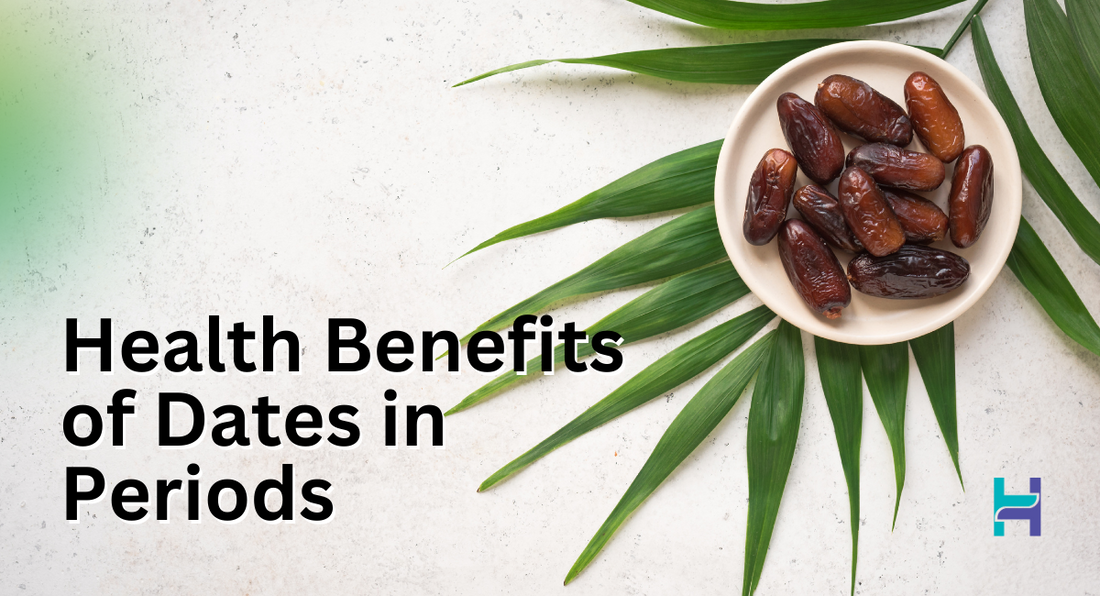
Key takeaways: Date provides quick natural energy during weakness. It is rich in iron, help recover blood loss. Magnesium present in Dates relaxes muscles and ease cramps. Fiber reduces bloating and support digestion. Potassium maintains fluid balance and heart health. Have you ever stopped to notice those small chewy fruits that we often eat during festivals or special family times? Yes, we are talking about dates! Many of you may think of them only as sweet treat, but dates are far more than just a delicious fruit. In Indian culture they hold special place, and they also bring many health advantages, especially for women during their periods. We want to take you along with us to explore how dates can support your body in those tough days. Together, we will look at 15 important health benefits that come when you add dates in your diet during menstrual cycle. These benefits are not just about taste, but also about giving your body strength, energy and comfort when you really need it most. Also read: Health Benefits of Coconut Water But before that, let’s understand the nutritional value of dates. Nutritional Value of Dates Dates are not only sweet fruit; they are also full with nutrition which body can use every day. In 100 grams of dates, you get almost 20% of daily fiber needed. This fiber acts like helper for digestion, cleaning stomach and making bowel movement regular. Many women notice less bloating during period when diet have good fiber, so dates can give some comfort. Inside dates there are also many minerals and vitamins. About 12% of potassium needed for one day is present in 100-gram dates, which help heart to beat proper and also control blood pressure. They also give around 10% of magnesium which relax muscle and support nerve health. Because of this, dates can provide little relief in cramps that come during menstrual time. Dates contain near about 29-gram natural sugar per 100 grams, which is quick energy source for body when you feel weak. On tiring days, they can be taken as small energy snack instead of processed food. They also hold 21% water, so they give little hydration too. Eating dates is simple habit which give taste, energy, and nutrition together, especially when body need extra care. Can women eat dates during periods? Yes, women can surely eat dates during periods, and in fact it is very helpful for body at that time. Dates are rich in iron, magnesium and natural sugar, which support you when energy feel low and weakness comes during menstruation. They also contain good amount of fiber that make digestion smooth and reduce bloating which is common problem in period days. Dates provide natural sweetness, so instead of junk snack or processed sugar, you can eat dates and feel more active. The potassium present in dates also help to balance fluid in body and ease mild cramps. Eating few dates daily in cycle can improve mood, give quick energy and supply minerals that blood loss take away. Studies show dates are rich in potassium, magnesium and iron, which may help reduce fatigue, support muscle relaxation, and replenish blood loss during menstruation. So, including dates is safe and useful during your periods. 15 Benefits of dates for women’s periods Let's explore the advantages of dates during your period in more detail and see how they might make your period days seem simple. 1. Time to Say Goodbye to Bloating and Cramps Have you ever experienced bloating or cramps during your period? You can get help from dates! They contain a lot of fiber, which acts as a digestive super hero. Fiber facilitates smooth digestion, which significantly reduces tummy discomforts. Additionally, it aids in preventing the bloating sensation, making period days more bearable and enjoyable. 2. Dates during periods help boost in Iron level Feeling a bit low on energy during your period? Dates are like your energy-boosting pals. They're rich in iron, which is like the fuel your body needs to stay energetic and vibrant. Iron helps your body fight off tiredness, making sure you stay active throughout the day. Also read: 10 Cashew Benefits for Women's Health 3. Satisfy your Sweet Cravings during periods Craving something sweet but don't want to reach for sugary snacks? Dates are like nature's candy. They offer a natural sweetness that's not only delicious but also healthier. Dates are like your guilt-free way to satisfy those sweet tooth cravings. 4. Maintain Body Balance Imagine dates as little treasure chests of nutrients. They're full of vitamins and minerals that your body loves. From potassium to magnesium, they're like a mini multivitamin that helps keep your body balanced and feeling fantastic. 5. Instant Energy Boosters during menstrual cycle Dates have a special kind of natural sugar that's like a quick energy boost. If you are feeling a bit low, grab a few dates and feel the energy rush. They're like your instant energy boosters when you need it most, especially during your periods. 6. Dates keep bones stronger Strong bones are essential, and dates are here to help. They're like your bone-strengthening pals, packed with calcium and phosphorus. These nutrients work together to keep your bones strong and ready to take on the world. 7. Helps with Period Mood Swings Are you having Period mood swings? Dates are there for help. They contain nutrients that are like mood regulators. They help stabilize your mood, making sure you feel cheerful and positive even during menstrual days. 8. Regular consumption of dates helps fight anemia Do you sometimes feel tired? Well, that may be because of Anemia. Anemia can leave you feeling tired and low on energy. Dates are like your secret weapon against anemia. Thanks to their iron content, they help boost your iron levels and keep that fatigue at bay. When you eat dates during periods, they give you a boost of iron. This boost makes sure that anemia doesn't make you feel tired and weak anymore. 9. Dates are Inflammation Buster Periods sometimes come with discomfort, but dates can be your comfort heroes. Dates contain natural compounds that work as anti-inflammatories. It's like applying a cool, soothing balm to an achy area. Dates bring that comforting touch to your body. They can help ease the inflammation that might be causing discomfort, giving you a sense of relief during your period. 10. Dates help healthy blood circulation When it comes to periods, smooth blood flow can make all the difference. Cramps and discomfort often arise due to the constriction of blood vessels, causing the muscles to contract more intensely. This is where dates step in. They are rich in nutrients that support healthy blood circulation. By encouraging your blood vessels to remain supple and open, dates can potentially lessen the intensity of cramps and reduce discomfort. Dates promote a steady flow of blood, ensuring that essential nutrients and oxygen reach your muscles and tissues efficiently. This means your body can better manage any discomfort that might arise during your period. 11. Hormone Harmony with Dates Dates provide your body with the nutrients it requires to keep everything in check. These nutrients act as support beams for your hormonal system, ensuring that the swings and shifts are less intense. The nutrients in dates contribute to the equilibrium your body strives for during your period. Think of dates as your backstage crew, working behind the scenes to keep the hormonal show running smoothly. Also Read: Boost Happy Hormones during Periods 12. Happy and Healthy Heart Dates comprises with the goodness of potassium and antioxidants. Potassium, often referred to as nature's electrolyte, plays a pivotal role in maintaining proper heart rhythm and ensuring fluid balance within the body. Antioxidants shield your heart cells from oxidative stress caused by free radicals, which can otherwise lead to undesirable consequences. These nutrient-packed fruits provide your heart with the necessary elements for optimal functionality and resilience against potential cardiovascular risks. 13. Dates help you Stay Hydrated During your periods, your body undergoes fluctuations that can impact your hydration needs. The subtle water content present in dates can make a noticeable difference. While dates might not boast the appearance of a water-laden fruit, they discreetly harbour water content, serving as an inconspicuous source of hydration. 14. Dates are rich in Antioxidants As dates are filled with Antioxidants, which work like invisible shields for your body. These antioxidants help fight stress and anxiety during your menstruation. So, eating dates during your periods gives your body a boost of power to keep you going strong, no matter what comes your way. 15. Improves your blood quality Your blood quality plays a big role in how you feel during your periods. When it's not at its best, it can lead to fatigue and overall discomfort. Dates contain a good amount of iron, a nutrient that's essential for healthy blood production. They help you feel less tired and keep you more energetic. So, if you want smoother period days, remember that dates are your blood’s best friend. Get Your Exclusive 12% OFF – Just for Our Loyal Readers! Enjoy a special discount on your next purchase. Grab your code now before it expires!. Email Address Get Coupon By signing up, you agree our terms of use and acknowledge the data policies in our privacy policy. You may unscubscribe any time! In the end, can women eat dates during periods? Yes! Eating Dates during periods have numerous benefits to your period days. From easing your period discomfort to improving digestion and working as a natural mood booster, dates are obviously a versatile fruit. You should help your body out when it needs a little extra attention by incorporating dates into your diet. So next time you're seeking relief from discomfort or simply aiming for a healthier, happier period experience, keep these little fruits handy by your side. References: 1. Irandegani, F., Arbabisarjou, A., Ghaljaei, F., Navidian, A., & Karajibani, M. (2019). The effect of a date consumption-based nutritional program on iron deficiency anemia in primary school girls aged 8 to 10 years old in Zahedan (Iran). Pediatric Health, Medicine and Therapeutics, 10, 183–188. https://doi.org/10.2147/PHMT.S225816 2. Najafi, N., Khalkhali, H., Moghaddam Tabrizi, F., & Zarrin, R. (2018). Major dietary patterns in relation to menstrual pain: A nested case control study. BMC Women’s Health, 18(1), 69. https://doi.org/10.1186/s12905-018-0558-4
Read More
Key Takeaways: Tracking periods helps understand body and cycle pattern Early spotting of health issues like PCOS or thyroid is possible Apps, calendars, or diaries make tracking simple Period panties and pain relief cream give comfort during periods Self awareness and mindful period management improves health and confidence Periods are natural part of every woman’s life. Still, many of us do not give enough attention to understanding our menstrual cycle. A period tracker is a simple tool that helps to note down when periods start, end and how long the cycle usually goes. In India, more and more women are now becoming aware about their menstrual health and are using such trackers. When you keep track of your cycle, you get better idea of your own body and health. It is not only useful for knowing the date of next period, but also gives knowledge about mood changes, energy levels and even health problems. Period tracking is small habit but it brings many good benefits in daily life. Let us break down each part and understand in detail. What is Period Tracking Period tracking means keeping record of your menstrual cycle. It shows the number of days between two periods, the length of bleeding and also other small details like pain or mood. Earlier women used to mark dates in calendar or write in small diary to remember. These methods are still useful and very simple. Now technology made it even more easy. There are many mobile apps that calculate average cycle, give reminders and even predict fertile days. You can track your period in different methods: Calendar method – mark the dates on wall or pocket calendar. Diary method – write down period details in notebook for record. Mobile apps – modern apps give reminders, average cycle length and even fertility window. Some of the best rated period tracking apps on Play Store are Flo, Clue and Period Tracker by GP International. These apps help woman to note their cycle, predict next period and fertile days easily. They also give reminders for starting or ending of period, and some even let you track moods, cramps or sleep pattern. Such tools are helping young girls and women to stay aware about their body. Whether you write in notebook or use app, the main idea is to know your cycle better. Why Should Women Track Their Periods Understanding Your Body When a woman keeps record of her cycle, she starts to see her own pattern. She knows how many days her period usually lasts, how heavy or light the flow is, and when the next period is expected. This small awareness gives confidence and comfort. Spotting Irregularities Early Many health issues show first sign in irregular periods. Problems like PCOS, thyroid imbalance or even anemia can be noticed if periods are too late, too early or too heavy. Tracking makes it easier to explain these changes to doctor, so treatment can start in time. Planning Daily Life Periods sometimes come during exam, office work or travel. By noting the dates, a woman can be ready with period panties or pain free relief creams. It also helps in planning family events and personal routines. Tracking is not just about health; it also saves from sudden stress in daily life. Health Benefits of Period Tracking Reproductive Health Tracking periods help women in many ways for reproductive health: Women who want baby can see fertile days and plan properly Women who want to avoid pregnancy can use this knowledge with safe methods Records show cycle length, flow pattern and ovulation time clearly Helps to understand body natural rhythm for family planning When done carefully, period tracking becomes simple and natural way to manage reproductive health without confusion or stress. 💡 Pro Tip: Track more than just the bleed dates. Also log mood, energy, and pain levels to see the full pattern of your cycle. Emotional and Mental Wellbeing Menstruation does not affect only body; it also changes mind and mood of a woman. Many women feel low energy, irritability, sadness or mood swings before or during their periods. Some girls feel headache or tiredness and even small tasks become difficult. If these changes are tracked regularly, woman can understand her pattern and prepare herself mentally. For example, she can plan light work on days when energy is low or take rest before heavy days. Tracking also help to notice PMS symptoms early, like cravings, anxiety or difficulty in concentrating. When a woman knows these changes are normal and part of cycle, it reduces stress and worry. It also helps in explaining feelings to family members or friends, so they can understand and support in that time. With regular tracking, mental and emotional wellbeing improve slowly and woman feel more confident about her body and mind. Medical Support Doctors often ask for history of periods while checking women’s health. A well-kept record makes diagnosis faster and treatment more correct. Conditions like PCOS, thyroid disorder and hormonal imbalance are detected earlier with proper data. According to the American College of Obstetricians and Gynaecologists (ACOG), keeping track of menstrual cycle is an important step in women’s healthcare. Period Tracking for Self-Awareness Period tracking is not only about health, it is also about knowing yourself better. When a woman notes her cycle regularly, she begins to see connection between her body, mind and daily life. For example, she may notice that energy levels are higher in some days and lower in others. She may also see how skin, sleep or appetite change during the month. This type of self-awareness builds respect for the body. It reduces the worry when a period is late or early, because the woman already knows her normal pattern. It also helps in making small lifestyle changes, like eating light food before period or resting more when cramps are expected. In Indian society, where menstruation is still less talked about, such knowledge gives women more confidence. By understanding her own cycle, every woman can feel more in control of her health and emotions. Get Your Exclusive 12% OFF – Just for Our Loyal Readers! Enjoy a special discount on your next purchase. Grab your code now before it expires!. Email Address Get Coupon By signing up, you agree our terms of use and acknowledge the data policies in our privacy policy. You may unsubscribe any time! Linking Period Tracking with Comfort products When a woman tracks her periods, she can plan her days better and avoid surprises. Knowing flow pattern and cycle dates makes it easier to choose right products for comfort. Period panties are very helpful during heavy flow or travel because they protect from stains and give freedom to move without worry. For cramps and pain, a gentle pain relief cream can be used to feel better quickly. These products are not only practical but also make the period experience less stressful. When combined with period tracking, they help a woman manage her cycle in a easy and confident way. Say goodbye to Period Discomfort Make your periods worry-free with ultra-absorbent, reusable GoPadFree™ period panties. Get them today for your period comfort. Shop Now Summary Tracking periods is very important for every woman. It helps to understand body better, plan daily life and also notice any health problems early. Even simple habit of noting dates or using an app can give lot of information about cycle and mood changes. Along with this, using products like period panties for comfort and pain relief cream for cramps makes periods easy to manage. Small steps like these give confidence and care for self. We recommend you should try to follow period tracking and use supportive products for a comfortable and healthy cycle. Also read: Why I have two periods in one month? Disclaimer This blog is intended for educational and informational purposes only. It is not a substitute for professional medical advice, diagnosis, or treatment. Always consult a qualified healthcare provider with any questions you may have regarding a medical condition.
Read More
It’s normal for period blood to smell a little. The scent is usually mild and not something others notice. But sometimes the smell changes. It may turn strong, fishy, or different from usual. That’s when it deserves attention. During your period, your body does more than release blood. It also sheds the lining of the uterus. Along with it come fluids and bacteria. Once this mix leaves the body and touches air, a smell can form. That is why some days the scent feels stronger. In this blog, we will explore what counts as normal. You will also know the reasons behind odour, simple care tips, and how to fix the issue. By the end, you’ll know how to manage it better and when to take action. Understanding period odour Period odour comes from a mix of blood, tissue, and vaginal fluids. When exposed to air, these can oxidize and change smell. Bacteria in the vagina also play a role. Hormones can make the scent stronger or lighter. Diet and hydration may affect it too. Most scents are mild and normal. Strong or unusual smells may signal an infection. Also read: Benefits of tracking your periods 1. Normal breakdown Menstrual blood contains blood, tissue, and fluids. When it leaves the body and meets air, it starts to oxidize. This process can create a mild, metallic scent. Natural vaginal bacteria also mix with the blood. This combination leads to the familiar period odour. It is usually light and nothing to worry about. 2. Bacterial Vaginosis (BV) BV happens when certain bacteria grow too much. It can cause a strong, fishy smell during periods. This odour is often more noticeable after sex. Other symptoms include unusual discharge and itching. BV is not always linked to poor hygiene. It needs medical treatment to clear up. 3. Retained Tampon Sometimes a tampon is left in by mistake. This can trap blood and tissue inside the vagina. Bacteria quickly grow in this environment. The result is a strong, rotten smell. Other signs may include discharge and discomfort. Remove the tampon immediately and look for immediate medical help. We would highly recommend you to use period panty just to avoid any bacterial infections. 💡 Pro Tip: Always change period underwear frequently. It keeps you fresh and prevents unwanted odour. 4. Poor Hygiene Not changing pads, tampons, or cups often causes odour. Blood left for too long encourages bacterial growth. This makes the smell stronger and more unpleasant. Change your period underwear at regular intervals, even if they aren’t full. Regular cleaning of the area also helps. 5. Infections Infections like BV, yeast, or STIs can change vaginal odour. During periods, these smells may become more noticeable. They can be sour, fishy, or even foul. Look for symptoms like itching, burning, or unusual discharge. If present, see a doctor for diagnosis and treatment. 6. Some other factors Hormones can affect the smell of period blood. Certain foods like garlic or spicy meals may change it. Dehydration can also make odors stronger. Even scented soaps and products can disrupt natural balance. Avoid irritants and drink enough water to help. Here’s how you can fix or reduce Period odour Period odour is common. If you follow proper guidelines, you can reduce the odour and feel more comfortable. Wash the outer genital area every day. Use plain water or a mild, unscented soap. Do not wash inside the vagina. The body cleans itself naturally. Strong cleansers or scented products can upset the balance and cause irritation. You should stay away from perfumes, sprays, and scented pads or tampons. They may smell pleasant at first but can trigger itching or dryness. Simple products like period underwear are always safer. Always choose cotton underwear during your period. Cotton lets the skin breathe and absorbs moisture. Tight clothes and synthetic fabrics trap heat. That creates sweat and bacteria, which can make the odour worse. We recommend you drink plenty of water. Hydration keeps your body in balance. Hydration also helps your system flush out waste. A well-hydrated body often feels fresher. If the odour stays strong or gets worse, do not ignore it. Pay attention if you also notice itching, burning, or unusual discharge. Get Your Exclusive 12% OFF – Just for Our Loyal Readers! Enjoy a special discount on your next purchase. Grab your code now before it expires!. Email Address Get Coupon By signing up, you agree our terms of use and acknowledge the data policies in our privacy policy. You may unscubscribe any time! When should you consult a doctor? If you ever notice a strong foul smell, itching, burning, or unusual discharge during your period, do not ignore. Look for these signs: Strong, foul, or fishy smell Persistent itching Burning sensation Unusual discharge They may be an early sign of infections like bacterial vaginosis or STIs. The sooner it gets diagnose, the better as it helps prevent complications and makes recovery faster. Final Takeaways Periods can come with changes in smell, but most causes are simple to fix. Pay attention to your body. Notice what feels normal for you. Small changes in hygiene and habits can make a lot of difference in your body. If you feel something is not right, don’t wait, get it checked early. Disclaimer This blog is intended for educational and informational purposes only. It is not a substitute for professional medical advice, diagnosis, or treatment. Always consult a qualified healthcare provider with any questions you may have regarding a medical condition.
Read More
Key Takeaways Avoid foods like pizza, red meat, processed items, and sugary treats during periods. Too much caffeine, salt, or alcohol can worsen cramps and bloating. Don’t wear the same period product for long hours. Skip waxing, shaving, or unprotected sex during periods. Eat nutrient-rich foods, stay hydrated, and do light exercises for relief. The menstrual cycle (period) is considered a taboo subject in India. Why? Because due to ancient perception – period flow is considered “impure”. But this is a common process for all the women in the world. The cycle experience varies from woman to woman but everyone is familiar with stomach pain (cramps). Arguably the reason for the pain is due to the contraction of uterine muscles to shed tissue. This muscular spasm briefly reduces the oxygen flow to your uterus, causing chemicals that cause discomfort. If you follow expert advice, certain foods such as pizza and other things can make your period pain worse. Literally! Here we’ve made a list of 7 foods you shouldn’t consume during periods: 1. Don’t eat Pizza during periods While pizza is one of the favorite foods for women, you should avoid eating it if you are on your period. Even choosing a pie without harmful toppings such as fatty meats would not make this period acceptable (especially in huge quantities). Unfortunately, as per the studies, pizza might aggravate the uncomfortable cramps that frequently accompany menstruation. This is because pizza often includes saturated fats, which can induce inflammation. 2. Don’t eat ice sundaes Unfortunately, sugary sundaes, which we prefer to indulge in when we're feeling miserable, are horrible options if you're on your period. According to ob-gyn Cristina McClure of the Cleveland Clinic, foods that are sugary and sweet will increase your insulin levels, and high insulin levels can cause imbalances in other female-factor hormones. Sugary sweets can induce bloating, an increase in blood sugar, headaches during periods, and energy dips. 3. Don’t consume too much salt Research says most people would ingest salt even if it was not an electrolyte required by the body to operate correctly. Have a doubt? Consider the last time you visited a restaurant without saltshakers on the tables. Yes, a little salt may enhance the flavour of some dishes, but too much of it can worsen your period pain. 4. Don’t consume excessive caffeine A lot of women don’t even begin their day until they've had their first cup of coffee - or two or three. Unfortunately, endocrinologist Dr. Rocio Salas-Whalen warned Insider that caffeine-containing drinks such as coffee might cause increased cramping during your period. But you can have one cup of coffee per day during your periods. 5. Don’t consume alcohol Many women love a little beer or cocktails, but know this: alcohol might exacerbate some menstruation symptoms. As Everyday Health points out, this is because alcohol may affect blood sugar levels. As an expert on the menstrual cycle (periods), Nicole Jardim tells Well+Good, that whack blood sugar levels can lead to changing hormone levels. these combined factors contribute to period-related symptoms such as tiredness, headaches, and anxiousness. It’s best to avoid alcohol during your flow days. 6. You should not eat red meat Red meat contains a good amount of iron. And because menstruation involves blood loss, a person's body may experience iron deficiency as a result of their period. However, there is enough worry and controversy about red meat to make it an unwise meal choice during your period. According to MedlinePlus, red meat is rich in saturated fat. As a result, it has the potential to exacerbate inflammation in your body, making your period more uncomfortable and unpleasant. Get Your Exclusive 12% OFF – Just for Our Loyal Readers! Enjoy a special discount on your next purchase. Grab your code now before it expires!. Email Address Get Coupon By signing up, you agree our terms of use and acknowledge the data policies in our privacy policy. You may unscubscribe any time! 7. Don’t consume processed foods Despite the popularity of ready-to-make snacks meals created from processed ingredients have an absurdly easy appeal. Now and then, people microwave a frozen, plastic-sealed dinner when they're pressed for time, or open a bag of something crunchy and easy after a long day at work. But, Cleveland Clinic adds, these processed meals promote inflammation, which can exacerbate period discomfort (possibly worsen it). However, we should also realize that not all items labeled as "processed foods" are always unhealthy. According to Medical News Today, foods can be mechanically treated, such as pasteurization. However, concerns might develop when meals are chemically processed, which means they may include artificial sweeteners and colours and are manufactured from refined (and hence less nutritious) components. Here are 4 things you shouldn’t do during periods: Wearing the same period product for longOne of the most fundamental things to avoid during your period is not wearing the same period underwear for more than 6 to 8 hours. This will serve as a breeding environment for germs, resulting in the formation of an unpleasant stench. In addition, this might result in skin rashes and TSS. Don’t go without period underwear on the bedWho doesn’t want to get comfy at night, right? but going to bed without your period panty might result in a major mess. If your present sanitary product is producing skin rashes, you can change the brand or product and opt for period panties from HealthFab GoPadFree Period underwear. If you are uncomfortable using pads, you can convert them to tampons or menstrual cups. Don’t wax or shave your private partThis one could be a bit uncomfortable for women but it’s a crucial thing to avoid waxing or shaving during your period. The region is sensitive, and the pull of the wax strips may cause pain, exacerbating your suffering.Shaving during your period may be a very messy process. If you cut yourself while shaving, it may result in infection. So, arrange it after a week after your period to minimize pain and suffering. Don’t have unprotected sex For most women, it is quite natural to have sex while on your period. What you should avoid during menstruation is having intercourse without protection. If you're not planning on establishing a family right now, you should avoid taking the chance. Moreover, protected sex is a method of avoiding STDs. Whether you have a period or not, practice safe sex to avoid infections and sexually transmitted diseases. Summary It’s important to maintain a balanced diet when menstruating for symptom management and general well-being. If you’re a pizza lover - you might feel craving for it but takeaway foods like pizza will simply make you bloated, which might exacerbate cramps because they are more difficult for your stomach to digest. Consuming nutrient-dense meals like fruits, vegetables, whole grains, and lean meats might help relieve cramps, decrease bloating, and stabilise mood fluctuations. However, it is equally vital to avoid foods and activities that might worsen menstruation symptoms. Foods heavy in coffee, sugar, and bad fats can exacerbate inflammation and pain. Processed meals, alcohol, and fizzy beverages can also cause hormonal imbalance and bloating. Additionally, controlling stress, being hydrated, and engaging in regular exercise can all help with menstrual health. Making attentive decisions and listening to your body's requirements can help you manage your period and enhance your overall quality of life. FAQs Q.1. Is pizza a period craving food? Yes, this might be due to certain people having a serotonin shortage, which can exacerbate PMS symptoms. Q.2. Are there any workouts I should or shouldn't perform while on my period? Walking, yoga, and stretching are all light workouts that might assist with cramping and mood. But, don’t go for hard workout regiments. Q.3. Can I eat chocolate during my period? Chocolate is quite soothing but try to choose dark chocolate with a greater cocoa content since it has less sugar and more antioxidants, which can help reduce inflammation and improve mood. References: Healthline. (2019, July 15). 16 foods to eat (and some to avoid) during your period. https://www.healthline.com/health/womens-health/what-to-eat-during-periodhealthline Manipal Hospitals. (n.d.). Which foods to eat and avoid during your period. https://www.manipalhospitals.com/salem/blog/foods-to-eat-and-avoid-during-periods/manipalhospitals Cleveland Clinic. (2025, August 27). Toxic shock syndrome (TSS): Causes, symptoms & treatment. https://my.clevelandclinic.org/health/diseases/15437-toxic-shock-syndromeclevelandclinic Healthline. (2022, January 4). Does chocolate relieve period cramps? https://www.healthline.com/nutrition/does-chocolate-help-crampshealthline Disclaimer This blog is intended for educational and informational purposes only. It is not a substitute for professional medical advice, diagnosis, or treatment. Always consult a qualified healthcare provider with any questions you may have regarding a medical condition.
Read More
Key Takeaways: Watermelon juice hydrates and refreshes. Supports heart, skin, and muscle health. Helps in digestion and is low in calories. Rich in antioxidants. Offers relief during periods. The health benefits of watermelon juice make it more than just a summer treat. We love it for its sweet taste. You’ll love it for what it does to your body. It cools you down and keeps you fresh. Every glass is full of vitamins A, B1, B6, and C. These keep your body strong in different ways. Lycopene and beta-carotene protect your heart. They also keep your cells healthy. In this blog, we’ll show you the main health benefits of watermelon juice, how to use it, and what side effects to watch for. By the end, you’ll know if this drink deserves a spot in your daily routine. What is Watermelon juice? Watermelon juice is a drink you make by blending fresh watermelon flesh. It’s sweet, juicy, and hydrating. To prepare it, cut the watermelon, remove the seeds, and blend the red part. You can strain it or leave it thick. Both ways taste great. Most of us love it chilled on hot days. It’s quick to make and doesn’t need sugar. A glass gives you more than just water. It’s full of vitamins, minerals, and plant compounds. It’s light on calories but keeps you full. That’s why it works well for fitness and weight control. You can drink it plain or mix it up. A glass of watermelon juice contains: Water Vitamin A Vitamin C Vitamin B6 Potassium Lycopene Beta-carotene Magnesium Amino acids like citrulline When you drink watermelon juice, you hydrate fast. You also give your body the nutrients it needs for healthy skin, heart, and energy. It’s not just a summer cooler. You can enjoy it all year. Health benefits of Watermelon juice Now that you know what watermelon juice is, let’s talk about why you should drink it often. A glass does more than quench your thirst. It works for your body in many ways. 1. It keeps you hydrated When your body needs water, watermelon juice can help. It is made up of about 90% water. Each sip gives your body the fluids it needs. You can drink it any time, but it works best on hot days. It cools you down fast. After a workout, you lose water through sweat. Each glass of watermelon juice replaces that water loss quickly. It feels very light in your stomach, so you don’t feel bloated or heavy. The natural sugars give you a quick energy boost. Watermelon juice also helps prevent dehydration headaches. It keeps your skin from drying out in the heat. 2. Watermelon juice boosts heart health Watermelon juice is rich in lycopene. This antioxidant supports your heart by reducing oxidative stress. It also helps keep cholesterol levels in check. Potassium in watermelon juice relaxes blood vessels. This helps control blood pressure. A 2014 study in the American Journal of Hypertension found that watermelon extract reduced blood pressure in overweight adults with high blood pressure. The amino acid L-citrulline in watermelon plays a key role here. It helps blood flow better. A glass a day may not replace medicine, but it can be a tasty step toward a healthier heart. 3. Watermelon juice is good for your skin Your skin loves hydration, and watermelon juice delivers it. With over 90% water, it keeps your skin soft and fresh. Vitamin C in watermelon helps your skin make more collagen. This protein keeps skin firm and youthful. Lycopene fights free radicals that cause dullness and early wrinkles. Potassium keeps skin cells balanced and reduces dryness. Drinking it daily may reduce puffiness and improve skin glow. A 2015 review in the Journal of Food Science and Technology noted that antioxidants in watermelon protect skin from UV damage and aging. 4. It supports muscle recovery After a workout, your muscles need help to repair. Watermelon juice gives them just that. It’s rich in L-citrulline, an amino acid that may reduce muscle soreness. A 2013 study in the Journal of Agricultural and Food Chemistry found that drinking watermelon juice before exercise reduced recovery time and soreness in athletes. The natural sugars restore energy levels. Potassium replaces the electrolytes you lose through sweat. 💡 Pro Tip: Add a pinch of pink Himalayan salt to your watermelon juice after workouts or during your period. It boosts electrolytes and helps you rehydrate faster. 5. It is low in calories Watermelon juice is light. One glass has very few calories. You can enjoy it without guilt. It’s sweet but naturally so. We recommend you not to add any sugar. You can sip it during meals or between them. It won’t add much to your daily calorie count. That makes it perfect for weight control. You stay refreshed and full without overeating. 6. Juice is rich in antioxidants Watermelon juice is packed with antioxidants. These protect your body from free radicals. Free radicals can damage cells over time. The main antioxidant here is lycopene. It gives watermelon its red colour. Lycopene supports heart health. Beta-carotene is another antioxidant present in small amounts. Your body converts it into vitamin A. That keeps your eyes healthy and vision clear. 7. Helps in quick digestion Good digestion keeps you active and light. Watermelon juice can help with that. It has plenty of water to keep your digestive tract moving. The natural fiber supports bowel regularity. When you drink it, it helps soften stool and prevent constipation. It also soothes your stomach on hot days when heavy meals feel too much. Quick benefits for digestion: It hydrates your gut Softens your stool It supports regular bowel movement It is very gentle on the stomach Can you drink watermelon juice during your periods? Yes! You can drink watermelon juice. When you're on your period, you need hydration and gentle relief. Watermelon juice delivers both. It’s over 90% water, helping you beat bloating and stay refreshed. It packs vitamins A and C. This help ease inflammation and support your immunity when you feel low. Watermelon also contains magnesium and citrulline. Magnesium relaxes muscles and may reduce cramps. Citrulline improves circulation, helping relieve soreness. Get Your Exclusive 12% OFF – Just for Our Loyal Readers! Enjoy a special discount on your next purchase. Grab your code now before it expires!. Email Address Get Coupon By signing up, you agree our terms of use and acknowledge the data policies in our privacy policy. You may unscubscribe any time! Side effects of Watermelon juice Watermelon juice is healthy, but too much can cause issues. It is high in natural sugars. Drinking several glasses daily can raise blood sugar levels. It is also high in potassium. Excess potassium can affect your heart rhythm and kidney function. If you have kidney problems, we suggest limiting your intake. Some people may experience bloating or mild diarrhoea. This happens because watermelon contains sorbitol, a sugar alcohol that can upset the stomach. Our advice is to enjoy it in moderation. We recommend starting with a small glass and seeing how your body reacts. Summary Watermelon juice is more than just a refreshing drink. It keeps you hydrated. It can help with muscle recovery, aid digestion, and provide a good dose of antioxidants. Our recommendation is to drink it in moderation. One glass a day is enough for most people. This way, you get all the benefits without the risk of overconsumption. We believe adding watermelon juice to your routine is a simple way to boost your health. You can enjoy it plain or mix it with other fruits for variety. References: Perkins, Penelope & Davis, Angela. (2014). Watermelon-based Sunscreen Blocks UVA and UVB Light. Available from - https://www.researchgate.net/publication/267354023_Watermelon-based_Sunscreen_Blocks_UVA_and_UVB_Light Tarazona-Díaz MP, Alacid F, Carrasco M, Martínez I, Aguayo E. Watermelon juice: potential functional drink for sore muscle relief in athletes. J Agric Food Chem. 2013 Aug 7;61(31):7522-8. doi: 10.1021/jf400964r. Epub 2013 Jul 29. Erratum in: J Agric Food Chem. 2013 Nov 20;61(46):11241. PMID: 23862566. Available from - https://pubmed.ncbi.nlm.nih.gov/23862566/ Disclaimer This blog is intended for educational and informational purposes only. It is not a substitute for professional medical advice, diagnosis, or treatment. Always consult a qualified healthcare provider with any questions you may have regarding a medical condition.
Read More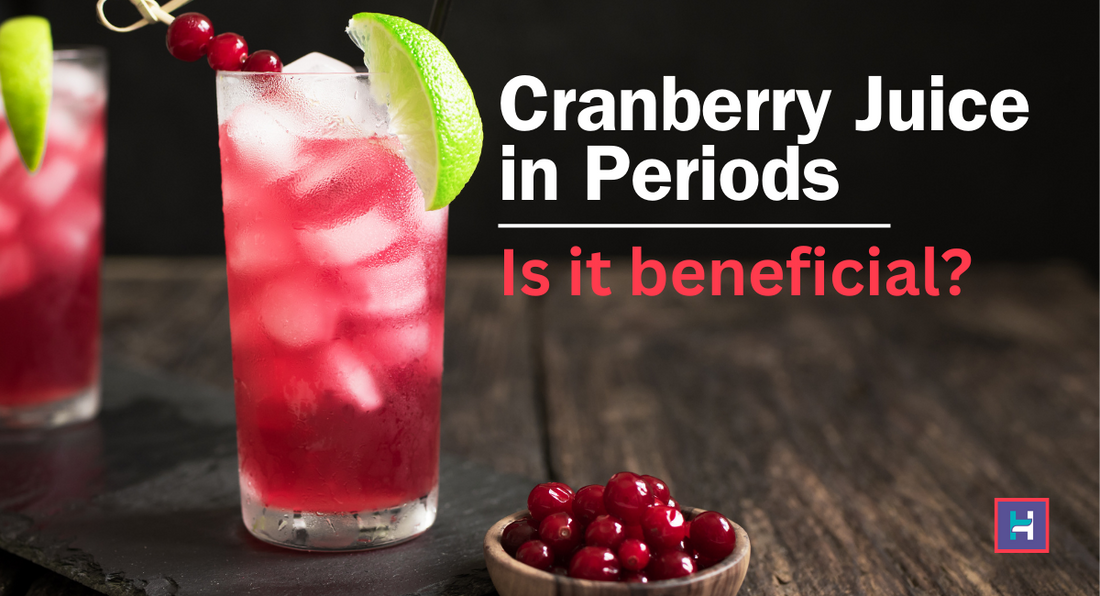
Key Takeaways Cranberry juice may reduce period pain. It contains anti-inflammatory plant compounds. Salicylic acid in cranberries can ease cramps. Research is limited but shows promise. More studies are needed for clear answers. Does cranberry juice help your period cramps? - Many women ask this when period pain strikes. Cranberry juice is a common home remedy. But does it really work? There isn’t much direct research on cranberry juice for period cramps. But the fruit is rich in bioactive compounds that fight inflammation. Cranberries contain phenolic acids, flavanols, and anthocyanins. These are natural plant chemicals. A study by the ACS Food Science & Technology found that cranberry extracts lower inflammation in human cells. Some studies also show that drinking cranberry juice increases salicylic acid in the blood. This helps reduce period pain by calming inflammation. A 2023 review articulates cranberries may help with inflammation-related issues. So, while we need more research on cranberry juice for period pain, the signs look promising. In this blog, we will talk about this period pain wonder - cranberry juice. Is cranberry juice good for your period cramps Premenstrual syndrome or PMS is common for many women. The emotional and physical symptoms related to this are extremely uncomfortable as well. Cranberries are often referred to as one of the Superfoods with a high nutritional value that can really help you during this time. It contains high levels of phenolics, vitamins, minerals and fibre. If you are extremely conscious about what you put inside your body, then let us tell you that it is low in calories as well. The phenolics that are present in cranberries have significant antioxidant properties. Phenolics also help in eradicating inflammation, which include different kinds of pain such as periods pain. It is a rich source of magnesium and a single cup can give you about 15 milligrams of the same. Magnesium comes with a wide range of health benefits such as preventing type 2 diabetes, boosting bone mineral density, etc. You must be wondering how is it related to whether cranberry juice is good for your periods or not. Let us explain. This actually supports the link between menstruation and cranberries as post-menopausal women are more at risk when it comes to osteoporosis. You need to focus on your bone density health, with which this wonder juice can help. As we all know symptoms before menstruation can include a lot of things such as diarrhoea, nausea, body pain and irritation, etc. It is said that about 50% of women have PMS and this also disrupts their everyday activities. It is really difficult for them to manage these days and it is always better to have something natural instead of just popping pills (which again has plenty of side effects). It is often said that magnesium can help you decrease all these symptoms. Some of the other food items that you can try for your daily dose of magnesium include pumpkin seeds, spinach, soy milk and chia seeds. Estimated nutrient content of cranberries 1 Cup of raw cranberries contains Calories: 46 Water: 87% Protein: 0.4 grams Fiber: 4.6 grams Fat: 0.1 grams Carbs: 12.2 grams Sugar: 4 grams As you can see, they are mainly fibre and carbs. They consist of Vitamin C, manganese, Vitamin E, Vitamin K1 and copper. Cranberry juice can also help you manage stress. However, there are a few other things that you need to be mindful of, such as reducing your caffeine intake and salt intake, eating nutritious food, getting enough rest, avoiding alcohol and tobacco, etc. Reduce your caffeine intake and try to manage your stress levels by meditating. Can I drink cranberry juice during periods? Yes, you can drink cranberry juice when you are menstruating. It’s safe for you. It may ease your cramps. It can help in reducing your bloating too. Here’s why cranberry juice during period helps - It fights the inflammation in your body and lowers water retention, so you feel lighter. The juice also supports your body with antioxidants. It keeps your system clean and balanced. If you often get UTIs during your period, it may help with that too. The cranberry juice flushes out bacteria from your urinary tract. That keeps you more comfortable. The cranberry juice also keeps you hydrated. One glass a day is enough to keep you fit and healthy. Make sure it’s unsweetened. Too much sugar can do the opposite. We suggest you to check how your body feels after drinking it. If it suits you, make it a habit. We also suggest adding it to your period routine. It's a simple step that might make a big difference. Also read: Benefits of watermelon juice Health Benefits of drinking cranberry juice Here are some of the benefits of drinking cranberry juice for menstrual health. As mentioned earlier, the presence of magnesium in this juice is excellent for proper muscle function. Its deficiency can lead to muscle cramps and thus, pour yourself a cup, take your heating pad and enjoy some Netflix during those 3-7 days. Apart from this, it also helps in easing depression and anxiety. If you face other symptoms related to PMS like lower back pain and breast tenderness, then this miracle juice can do wonders. Can cranberry juice help irregular periods? If you have been wondering whether cranberry juice can induce irregular periods are not, then the answer is yes, it can. However, it can need some planning on your part. Since it is high in antioxidants, it has numerous other health benefits. It can regulate your menstrual cycle in a very natural way. There are no side effects to the same. It is advisable for you to drink at least 2 cups of pure cranberry juice per day for at least 3 to 5 days leading up to the time when you want your mensuration to start. However, it is up to you whether you can digest the same. We always suggest our readers consult their doctors or dietitians before going ahead with this process. Do not opt for any kind of diluted version of cranberry juice because it might not work. And if you are looking for scientific evidence to support this claim, no there is no such scientific evidence. You should definitely have cranberry juice for irregular periods. Get Your Exclusive 12% OFF – Just for Our Loyal Readers! Enjoy a special discount on your next purchase. Grab your code now before it expires!. Email Address Get Coupon By signing up, you agree our terms of use and acknowledge the data policies in our privacy policy. You may unscubscribe any time! Pregnant women should not drink cranberry juice as it can increase their risk of getting a miscarriage. There are several other ways to relieve menstruation-related pains such as drinking chamomile tea and peppermint tea, heat therapy, exercising on a regular basis, having ginger tea, and drinking turmeric milk as it has anti-inflammatory properties. You should also have a green smoothie consisting of dark leafy greens such as kale and spinach because they are loaded with zinc, fibre and antioxidants. You can blend some fresh bananas with them to make it tastier. You can add Kiwi, honey and milk as well. And do not forget to drink a lot of water. Now that you know how effective this juice is for PMS, irregular periods and menstruation pain, let us talk about its benefits beyond menstruation. Here are some additional benefits of Cranberry juice consumption 1. It prevents UTI Cranberry juice is miraculous when it comes to preventing urinary tract infections. If you are prone to the same, you should drink cranberry juice often. It is high in proanthocyanins, which prevent bacteria like E. coli. 2. Boosts the immune system Cranberry juice is rich in vitamin C and enhances one's immune system. With daily consumption, your body's immune system to fight against infections and diseases will increase. 3. Promotes digestive health If you are someone who faces a lot of digestive issues, cranberry juice can help by increasing your bowel movements and controlling constipation. 4. Prevents cancer It is said that cranberry juice has various benefits such as preventing cancers. Its antioxidants help fight against the damage that is generally caused by free radicals. 5. Reduces inflammation As mentioned earlier, cranberry juice has anti-inflammatory properties, which are great for managing pain such as periods pain, rheumatoid arthritis and heart diseases. 6. Lowers blood pressure Since it is rich in potassium, it is effective in controlling blood pressure. 7. Boosts cardiovascular health It is beneficial for cardiovascular health as it has anti-inflammatory and antioxidant properties. It will reduce the risk of stroke and heart disease. 8. Helps with dental health Cranberry juice is rich in Proanthocyanidin, which reduces growth of bacteria leading to tooth decay and gum disease. It also eradicates the formation of plaque. 9. Improves Sexual health Some sources say that this miraculous drink helps in boosting your sex life. It also enhances the flavour of vaginal secretions. Cranberry juice helps in preventing aging as well. If you want to keep your teeth and gums healthy, you should consume cranberry juice. However, keep in mind to have it in moderation. It also decreases ulcer risks, enhances postmenopausal health, supports vaginal health, and more! To Conclude Cranberry juice is a healthy beverage that comes with numerous health benefits. Do not add sugar to it and have it in its purest form. Make sure you consult your doctor because they can interfere with several blood-thinner drugs. It all depends on your current health and what kind of medication you take on a daily basis. References: Anti-inflammatory Activities of Cranberry Fruit Extracts in Human THP-1 Monocytes are Influenced by Their Phytochemical Composition. Liang Xue, Chang Liu, Hang Ma, Navindra P. Seeram, and Catherine C. Neto, ACS Food Science & Technology 2022 2 (1), 75-83. DOI: 10.1021/acsfoodscitech.1c00324. Available from: https://pubs.acs.org/doi/10.1021/acsfoodscitech.1c00324 Blumberg JB, Camesano TA, Cassidy A, Kris-Etherton P, Howell A, Manach C, Ostertag LM, Sies H, Skulas-Ray A, Vita JA. Cranberries and their bioactive constituents in human health. Adv Nutr. 2013 Nov 6;4(6):618-32. doi: 10.3945/an.113.004473. PMID: 24228191; PMCID: PMC3823508. Available from: https://pmc.ncbi.nlm.nih.gov/articles/PMC3823508/ Disclaimer This blog is intended for educational and informational purposes only. It is not a substitute for professional medical advice, diagnosis, or treatment. Always consult a qualified healthcare provider with any questions you may have regarding a medical condition.
Read More
Key Takeaways: High prostaglandins cause intense cramps, nausea, and other period symptoms You can reduce them naturally through diet, exercise, and stress management Anti-inflammatory foods and omega-3s are especially helpful Track your symptoms to understand what works for your body Consistent lifestyle changes offer long-term relief You know your period is coming when the cramps creep in, your mood shifts, and suddenly, everything feels harder, and yes, we literally mean it. But what if the pain isn’t just normal? What if high prostaglandins are the real reason behind your intense cramps? As women, we’ve often been told to just deal with it. But we believe we deserve more than that. In this blog, we’ll show you how to reduce prostaglandins naturally, with proven food choices, simple habits, and some helpful tips. What are prostaglandins Prostaglandins are hormone-like chemicals in your body. They control inflammation, pain, and muscle contractions. During periods, they help the uterus contract to shed its lining. This hormone like chemicals is made in the tissues, not in glands like other hormones. Too much prostaglandin can cause strong cramps and discomfort. What causes high levels of prostaglandins during period Your body produces prostaglandins in the uterus lining. Their main job is to help shed that lining during menstruation. But when levels rise too high, they increase the intensity of contractions. This leads to strong cramps, nausea, headaches, and even loose stools. Here are a few factors can increase the levels of prostaglandins: Hormonal imbalance (especially high estrogen) Too much of omega-6 fats in your diet Chronic inflammation Lack of physical activity (like Yoga, Brisk walking etc.) Stress High prostaglandins symptoms Not sure if your body is producing too much? Here are the 5 common signs: Sharp, throbbing period cramps Lower back pain that starts on Day 1 Loose stools or diarrhoea during periods Headaches or migraines Nausea or vomiting with cramps These symptoms show your body is reacting strongly to the hormone spike at the start of your period. You feel intense cramps because the prostaglandins make the uterus contract harder. In addition to that, you often feel pain in the back because, the nerves in your pelvis connect to your lower spine. Occasionally, loose stools may occur during periods as these chemicals also affect your digestive muscles within your body. How to lower prostaglandins naturally You can take steps that help your body regulate prostaglandins better. Here's what you may try: 1. Use heating pad or warm water bag This always works. You should use a heating pad or warm water bag on your lower abdomen. This relaxes the muscles and improves blood flow, which reduces pain. 2. Stay active Exercise reduces prostaglandin production. Even light walking or yoga can help let go your cramps. 3. Get enough sleep Poor sleep increases inflammation. Make sure you sleep 7 to 8 hours daily, especially before and during your period. 4. Avoid Smoking and limit alcohol Smoking and alcohol: they both increase inflammation and worsen period pain. You should quit smoking and keep alcohol to a minimum. If you really want to know, whether you should drink during your periods or not, read our comprehensive blog on beer during periods. Say goodbye to Period Discomfort Make your periods worry-free with ultra-absorbent, reusable GoPadFree™ period panties. Get them today!! Shop Now Foods that lower prostaglandins Your diet plays a direct role. Some foods increase prostaglandins; others help lower them. These food decreases prostaglandins Omega-3 rich foods: flaxseeds, walnuts, fatty fish Magnesium-rich foods: spinach, dark chocolate, almonds Anti-inflammatory spices: turmeric, ginger Fruits and vegetables: especially berries, leafy greens, carrots Green tea: rich in antioxidants that help lower inflammation And, try to avoid these foods Fried and processed foods Excessive red meat Sugary snacks and sodas Too much caffeine A 2023 meta‑analysis in Nutrition & Dietetics showed omega‑3 fatty acids reduced dysmenorrhea pain significantly. Another article from UPMC stated that diets rich in anti‑inflammatory foods such as omega‑3s, leafy greens, colourful fruits, and curcumin help ease period pain by reducing inflammation 💡 Pro Tip: Start adding flaxseeds or chia seeds to your breakfast. They help balance hormones and reduce inflammation. Quick tips to reduce prostaglandins naturally Beyond quick fixes, building long-term habits keeps prostaglandin levels in check. 1. Manage your stress level Chronic stress increases cortisol, which disrupts hormones and worsens cramps. Practice breathing exercises, meditation, or journaling. We have an article on best yoga during periods. 2. Start tracking your cycle Use a period tracker to note when pain peaks and what helps. There are a lot of apps available online that can help women log symptoms easily. 3. Consult a doctor to balance your hormones Work with a doctor, a gynaecologist or nutritionist if you suspect hormonal imbalance. Treating underlying issues like PCOS or estrogen dominance often helps reduce excess prostaglandins. Concluding thoughts This blog explained how to reduce prostaglandins naturally. You learned why high prostaglandins cause painful periods. We have also covered the symptoms you should not ignore and you are aware of what raises prostaglandin levels during periods. We have also discussed the best foods that help lower them. If you have any additional suggestions, or tips on how to reduce the prostaglandins, please let us know in the comments section below. We would love to hear your side of the story as well. Get Your Exclusive 12% OFF – Just for Our Loyal Readers! Enjoy a special discount on your next purchase. Grab your code now before it expires!. Email Address Get Coupon By signing up, you agree our terms of use and acknowledge the data policies in our privacy policy. You may unscubscribe any time! Frequently asked questions (FAQs) Q. Do prostaglandins affect fertility? Yes, prostaglandins can affect fertility. High levels may interfere with ovulation, fertilization, or embryo implantation. They can also cause inflammation in the uterus and fallopian tubes, making it harder to conceive. Q. Which organ produces prostaglandins? Many tissues in the body produce prostaglandins, but they are not stored in any organ. Instead, they are made on demand at the site where they are needed. The uterus, kidneys, brain, and immune cells commonly produce them. Q. Does birth control reduce prostaglandins? Yes, hormonal birth control can reduce prostaglandin production. It works by thinning the uterine lining, which leads to lower prostaglandin release during periods. This often results in lighter flow and less menstrual pain. Q. What exercises reduce prostaglandins? Low to moderate aerobic exercises help reduce prostaglandins. Activities like walking, swimming, cycling, or yoga increase blood flow and reduce inflammation. Exercise also triggers the release of endorphins, which block pain and counter prostaglandin effects. Disclaimer This blog is intended for educational and informational purposes only. It is not a substitute for professional medical advice, diagnosis, or treatment. Always consult a qualified doctor with any questions you may have regarding a medical condition.
Read More
Key Takeaways: Winter can delay your period. Lifestyle changes in winter affect your cycle. A delay of up to 7 days is usually normal. Period symptoms may worsen during colder months. Tracking and healthy habits help maintain cycle balance. If your period shows up late during the colder months, you’re not imagining things. Winter can affect your menstrual cycle. The weather, shorter days, and lifestyle changes all play a role. Let’s break down what’s happening and what you can do about it. How winter affects your menstrual cycle Slight delays are real Your cycle isn’t just about hormones. It also responds to environmental cues—light, temperature, stress, and physical activity. Several studies show that menstrual cycles tend to shift slightly in winter. On average, they can be 0.5 to 1 day longer than in summer. A 2023 study in Archives of Gynaecology and Obstetrics found that some women experience delayed ovulation and longer luteal phases during colder months. This often leads to late periods in winter, especially in regions with shorter daylight hours. So yes, cold climate affects periods—not dramatically, but enough to notice. What changes in winter? Less sunlight = lower vitamin D Cold temperatures = slower metabolism More indoor time = reduced physical activity Each of these factors can disrupt your hormonal rhythm and shift your cycle slightly. Common symptoms you might notice Some women say their periods feel worse in winter. Heavier flow, stronger cramps, mood swings, or increased fatigue—it’s all connected to how your body responds to cold weather. Why this happens Vasoconstriction: Cold air tightens blood vessels, including those in your uterus. This can increase pain. Vitamin D deficiency: It affects serotonin and melatonin, both of which help regulate your cycle. Iron deficiency: Heavier periods without enough iron in your diet lead to fatigue. As Dr. Ewelina Rogozinska from University College London says: “Iron deficiency is the most common nutritional deficiency in the world… Symptoms may seem worse during the winter months.” Are these delays a health concern? You should talk to a doctor if you miss your period entirely and you're not pregnant, if your flow becomes unusually heavy or painful, or if you feel unusually tired or dizzy. These signs could indicate underlying issues like a thyroid imbalance, low iron levels, or hormonal disruptions that require medical attention. 💡 Pro Tip: Aim for 15–20 minutes of natural light daily. If you can’t get outside, consider a vitamin D supplement after consulting your doctor. Winter and lifestyle- The missing link Winter doesn’t just bring cold weather—it often brings a shift in routine. You stay indoors more, move less, and eat heavier foods. These changes might feel small, but they affect your hormonal balance. Less physical activity can slow down your metabolism, which in turn may delay ovulation. A diet low in nutrients, especially iron and vitamin D can increase fatigue and worsen PMS. And when your body doesn't get enough light, melatonin and serotonin levels drop, which can disrupt your cycle and mood. It’s not winter alone causing late periods. It’s how your lifestyle shifts in response to it. Even moderate stress, whether from year-end deadlines or lack of sunlight, can impact your menstrual cycle. What you can do Move daily, even indoors Get sun exposure or take vitamin D Eat iron-rich foods like leafy greens, lentils, and eggs Track your cycle regularly Stay hydrated and warm What the latest trends say Research and expert commentary point to winter as a season linked with delayed or altered menstrual cycles. According to Riverwalk OBGYN, colder temperatures raise stress hormones like cortisol, which can disrupt reproductive rhythms and lead to irregular or delayed periods during the winter months. NutritionFact.in notes that cold weather indirectly contributes to late periods by triggering stress, reduced activity, dietary shifts, and illness—factors known to delay ovulation and cycle start. User observations on Reddit also support winter-related cycle shifts. One user shared: “I have been off hormonal contraceptives… since November my menstrual cycle has been way out of whack, averaging 45–50 days. I’m having my first northern hemisphere winter.” Another noted increased cycle length during winter months, attributing it to less activity and seasonal changes in mood and diet. Other common causes of late periods Winter isn’t the only reason your period might be late. Several other factors can affect your cycle. If you’ve recently gained or lost a significant amount of weight, that can throw off your hormonal balance and delay ovulation. The same goes for changes in birth control. Starting or stopping hormonal contraceptives often leads to irregular or missed periods, especially in the first few months. Hormonal conditions like PCOS or thyroid disorders are also common causes. These disrupt the signals between your brain and ovaries, making your cycle unpredictable. If you're over 40, you may be entering perimenopause. This transition before menopause often brings irregular bleeding, skipped periods, and cycle changes. And of course, if there’s any chance of pregnancy, that should be the first thing you rule out. Get Your Exclusive 12% OFF – Just for Our Loyal Readers! Enjoy a special discount on your next purchase. Grab your code now before it expires!. Email Address Get Coupon By signing up, you agree our terms of use and acknowledge the data policies in our privacy policy. You may unscubscribe any time! Final Thoughts Your body reacts to seasons—especially winter. So, if your period is late by a few days, don’t panic. It's your hormones adjusting to the cold, lower sunlight, and lifestyle shifts. But don’t ignore major changes. Heavy bleeding, prolonged delays, or excessive fatigue aren't just "winter blues." They're signals. Track your cycle. Eat right. Stay active. And talk to a doctor if anything feels off. FAQs Q. How many days late period is normal Yes, a delay of up to 7 days is normal. Your cycle can shift slightly each month. Stress, travel, or diet changes can cause delays. If your period comes within a week, there’s usually no need to worry. But if it’s late every month, talk to your doctor. Q. Can climate change delay the period? Yes, weather changes can affect your cycle. Cold temperatures slow down body processes. Less sunlight can lower hormone levels. These changes may delay ovulation. That can make your period come later than expected. Q. Can I be 7 days late and not be pregnant? Yes, it’s possible. Not every late period means pregnancy. Stress, illness, or weight changes can affect your cycle. Even travel or poor sleep can delay it. Take a test if you’re unsure, but don’t panic. Q. Should I be worried if my period is 3 days late? No, a 3-day delay is usually harmless. Your cycle isn't always exact. Small changes in your routine can shift it. Most periods arrive within a few days. Wait a bit before taking any action. Q. How common is a missed period Yes, it’s common. Many women miss a period occasionally. It can happen from stress, hormones, or illness. Skipping one period doesn't always mean something is wrong. But if it happens often, get it checked. Disclaimer This blog is intended for educational and informational purposes only. It is not a substitute for professional medical advice, diagnosis, or treatment. Always consult a qualified healthcare provider with any questions you may have regarding a medical condition.
Read More
Key Takeaways Drink warm water to ease cramps and leg pain. Use it to reduce bloating and improve digestion. Warm water helps flush out toxins from the body. Avoid cold drinks during periods to prevent discomfort. Your mother always said, “Drink warm water when you’re on your period.” You heard it. Maybe you ignored it. But she was right. Warm water does more than quench thirst. It helps your body handle the chaos inside. Periods come with cramps, mood swings, bloating, and fatigue. A simple glass of warm water can ease a lot of that. Let’s see how. It helps ease period cramps fast Period pain hits hard and it all starts in your lower belly. Sometimes it spreads to your back or thighs. The cause? Your uterus contracts to push out its lining. These muscle spasms create sharp, pulling pain. For some women, it feels like a constant ache. For others, it comes in waves. Either way, it slows you down. Even small tasks feel difficult. Your body feels tense, and you just want quick relief. Drinking warm water helps ease that pain. It boosts blood flow to your pelvic area that reduces the tight contractions in your uterus. Your muscles begin to relax. The heat from the water soothes your insides. It works like a gentle internal heating pad. No pills. No side effects. Just simple comfort. You feel lighter after drinking 1 or 2 glasses. You can stretch without wincing. You move with less stiffness. One warm drink at the right time can change your entire day. Warm water reduces period bloating Bloating is common during periods. Hormonal changes cause your body to hold water. This makes your belly feel tight and heavy. Your period pants may feel tighter. You may also feel gassy or full. Warm water helps flush out excess salt and fluid. It improves digestion and reduces water retention. It also soothes your stomach and relaxes the digestive muscles. You feel lighter within a few hours. Regular warm water intake keeps your system active. It prevents fluid build-up. Drink it slowly, several times a day. Also, avoid cold drinks and salty food. This simple habit can reduce bloating and ease discomfort naturally. 💡 Pro Tip: Start your day with a glass of lukewarm water to ease cramps and boost digestion during your period. Helps you poop better Constipation often gets worse during periods. Hormones slow down your digestion. This makes it harder to pass stool. Warm water helps fix that. It softens the stool and stimulates bowel movement. Your intestines respond better when they stay warm and active. Drink a glass first thing in the morning. It jumpstarts your system and clears the blockage. Keep sipping throughout the day. Try to avoid cold drinks and junk food. Make this a habit every cycle. Your stomach will feel lighter. You’ll notice less bloating, less strain, and easier relief. Warm water helps clear toxins Your body goes through a lot during periods. Hormones shift. Fatigue builds. Toxins collect in your system. You may feel sluggish or dull. Warm water helps clear it out. It increases sweat and urine flow. This pushes out waste faster and more efficiently. You feel refreshed and light It supports kidney function It may reduce body odour and heaviness Warm water also improves blood flow. This helps your skin breathe. You may notice fewer breakouts and a clearer glow. It’s a simple way to feel clean from within. Boosts circulation Low blood flow leads to cold hands and feet. You may also feel dizzy during those time of the month. Warm water opens blood vessels. It increases circulation. It sends oxygen and nutrients where they’re needed. This helps reduce pain, fatigue, and tension. Especially in your lower back and legs. A study conducted in Northern Taiwan found that a warm-water footbath can significantly reduce menstrual pain and improve autonomic nervous system (ANS) activity in young women with dysmenorrhoea. Hydrates without causing cramping Cold water can cause stomach cramps. It mostly happens when you’re already in pain during your periods. In scenarios like this, we highly recommend warm water that hydrates your body gently. It keeps your body balanced. No shocks. No sudden chills. Your core stays warm and your muscles stay loose too. Relieves headaches and body aches Dehydration can be a reason for headaches. Add period pain to it—it gets worse. Drinking warm water eases tension. It relaxes tight muscles. It helps you stay calm. Sip slowly. Let it work. Lifts your mood naturally You wake up feeling low. Nothing feels right. You snap at people. Small things upset you. It’s not just the cramps or the bloating. Your mood swings come without warning. Hormonal shifts mess with your brain chemicals. That’s why you feel anxious, sad, or exhausted. But there’s more. Dehydration adds to it. Your body struggles to function without enough water. Your brain slows down. Your nerves get tense. That’s when everything starts to feel heavier. Warm water helps fix this. It hydrates your brain cells and supports better nerve activity. Your system feels more balanced. Warm water also improves blood circulation. That means more oxygen reaches your brain. You feel less foggy. Less snappy. You think clearer. Your heart rate slows. Your breath becomes calm. This simple habit can lower stress levels without caffeine, sugar, or medication. Keeps your digestion smooth You may have noticed this - Gas. Acidity. Indigestion, they all get worse during periods – isn’t it? Well, there is a solution for that as well. Drinking lukewarm water. Lukewarm water helps break down food. It keeps your digestive system running. It prevents acid buildup. We advise you to drink it 30 minutes after meals. Try to avoid cold drinks. You’ll feel the change. Easy tips for drinking warm water in periods Drink a glass first thing in the morning Keep sipping through the day Add a few Tulsi or mint leaves if you want flavour Avoid ice-cold drinks during your period Get Your Exclusive 12% OFF – Just for Our Loyal Readers! Enjoy a special discount on your next purchase. Grab your code now before it expires!. Email Address Get Coupon By signing up, you agree our terms of use and acknowledge the data policies in our privacy policy. You may unscubscribe any time! Final thoughts Warm water helps your body during periods. It eases cramps, reduces bloating, and keeps digestion smooth. It also flushes out toxins from your body and hydrates you well. You don’t need fancy drinks or pills. Just sip warm water through the day. It relaxes your muscles and keeps you feeling steady. Try it during your next cycle. Start with one glass in the morning and see the change. Your body will feel lighter and calmer. This simple habit can make your period days easier. Your mom was right—warm water works. Have you tried it before? Or planning to start now? Tell us in the comments. We’d love to hear your story. References: Wu SJ, Kan WC, Shiao CC. Warm-water footbath improves dysmenorrhoea and heart rate variability in college students: a randomised controlled trial. J Obstet Gynaecol. 2022 Jul;42(5):1204-1210. doi: 10.1080/01443615.2021.1945007. Epub 2021 Sep 24. PMID: 34560833. Torkan, B., Mousavi, M., Dehghani, S. et al. The role of water intake in the severity of pain and menstrual distress among females suffering from primary dysmenorrhea: a semi-experimental study. BMC Women's Health 21, 40 (2021). https://doi.org/10.1186/s12905-021-01184-w Rajaselin, A., Sridevi, G. and Preetha, S. (2021) “An Evaluation of Hot Water Intake and Relief from Menstrual Cramps among Healthy Females - A Cross Sectional Study”, Journal of Pharmaceutical Research International, 33(58B), pp. 319–327. doi: 10.9734/jpri/2021/v33i58B34207. https://journaljpri.com/index.php/JPRI/article/view/4983
Read More
Key Takeaways: Ripe papaya may help ease period cramps and support flow. Unripe papaya can cause side effects like bleeding or stomach issues. Eat papaya in the morning or early afternoon for best results. Always check with a doctor if you have heavy flow or health issues. Periods come with pain, bloating, and sudden mood shifts. These signs can slow you down. Many women try simple food fixes. Papaya is one such choice. It helps with flow and may ease cramps. Some say it works. Others feel unsure. Can papaya help during periods? Or can it cause harm? This blog gives you the facts. Can We Eat Papaya During Periods Yes, you can eat papaya during periods. It is safe. It helps start the flow. Eat one bowl of ripe papaya or drink its juice once or twice a day. Raw papaya breaks down the uterine lining. This may help if your period is delayed. Papaya has fiber, zinc, magnesium, and vitamin C. These reduce cramps and improve digestion. Eat it mid-cycle or before your period starts. Always use ripe papaya. Avoid unripe ones. Nutrition in Papaya Papaya is low in calories but rich in key nutrients. A 250g serving offers a healthy mix of vitamins, minerals, and enzymes. These nutrients can help improve digestion, reduce cramps, and balance your hormone. A 250g of ripe papaya contains: Calories: 100–110 Carbohydrates: 27g Natural Sugars: 18g Dietary Fiber: 3g Vitamin C: 140–150mg (more than daily need) Vitamin A: 1,300–1,400 IU Folate (Vitamin B9): 60–70mcg Potassium: 500–520mg Magnesium: 30–35mg Papain enzyme: Helps break down proteins and supports digestion Papaya also contains small amounts of calcium and vitamin E. These nutrients make papaya a strong natural support during menstruation. Health Benefits of eating Papaya during menstruation 1. Papaya regulates Menstrual Flow Papaya helps in regulating the menstrual flow in women. Papaya contains carotene, which helps stimulate the production of estrogen. Estrogen is the hormone that is responsible for regulating menstruation. When you eat papaya, it increases the amount of estrogen in the body, thus leading to a healthy and regular flow. Papaya contains softening enzymes that break down the uterine walls. This will help ease the menstrual process in women who usually experience more delayed periods or lighter flows. 2. Papaya reduces Menstrual Cramps The anti-inflammatory properties of papaya minimize overall discomfort and pain associated with menstrual cramps. Papaya contains an enzyme called papain that breaks down proteins and calms the muscles. This could be really helpful in relaxing uterine muscles and reducing the severity of the cramps. Dietary use of papaya can be of relief to women dealing with painful periods, or dysmenorrhea. Papaya provides natural relief from pain, without reaching for a prescription. 3. Helps improve Digestion during periods Many females face digestive problems like bloating, constipation or diarrhoea during their menstrual periods because the hormones upset this delicate balance. Papaya is a natural digestive aid as it contains a lot of fiber and digestive enzyme, papain, which helps optimize the digestive system efficiently. The fruit also maintains the balance of the gut that minimizes chances of feeling too full or bloated, especially during menstruation. 4. It helps enhance energy levels in women Did you know that menstruation makes women feel more fatigued and thus less capable of carrying out their daily activities? Papayas are chock-full of vitamins like vitamin C and A, which have the role of increasing energy levels. The natural sugars present in papaya increase energy right away and help fight the feeling of tiredness that many women carry with them during their period. Moreover, its antioxidant properties may help neutralize free radicals, making the body feel fresh. 5. Papaya Improves skin health during periods Several women experience skin issues during their periods, which are due to hormonal changes. Papaya contains both vitamins A and C, which are rich for the skin; consuming it during the period helps reduce pimples and provides a glowing complexion. The antioxidant in papayas helps reduce inflammation and soothes inflamed skin. 6. Papaya is good for arthritis If you are an arthritis patient, then include papaya contains an enzyme called papain, an anti-inflammatory compound that reduces pain and stiffness in bones. Regular eating will strengthen your bones. 7. Protects from Heart Disease It protects the heart since its full of antioxidants like Vitamin A, Vitamin C, and Vitamin E. Intaking any nutritious food can reduce the chances of heart disease. Is papaya leaf good for menstruation? Yes, the extract of papaya leaf can be used to treat menstrual cramps. It has been proven effective in reducing pain and swelling during menstruation. The extract of the leaf contains compounds that inhibit prostaglandin production which is believed to reduce pain and inflammation during periods. However, some people may experience side effects when taking this supplement such as headache, dizziness and rashes, so consume it in moderation. Side effects of eating papaya Raw papaya may trigger uterine contractions. It can cause spotting or bleeding in some women. Avoid it if you have heavy flow. Unripe papaya may upset the stomach. It can lead to nausea or loose motion. Some women feel bloated after eating it. If you have allergies, papaya may cause skin rashes or itching. Always eat it in small amounts during periods. 💡 Pro Tip: Avoid unripe papaya during heavy flow days. Papayas are great for desserts We would ask you to ditch rice and consume papaya salad for lunch. You may also like the papaya punch, papaya paratha, bruschetta, etc. The fruit also has anti-ageing properties. Ripe papaya can be eaten as a dessert with some fresh cream. It is good to eat ripe papaya as it has very low levels of latex and papaya is safe to consume during your period. You can eat it as a tangy appetizer or simply enjoy it as a snack. If you have kids at the house who do not like the taste of the fruit, try making papaya popsicles. Add strawberries and bananas to your smoothie and have it if you face irregular periods. It is very yummy! If you have a sweet tooth, bake unripe papaya and cut it into quarters. Remove seeds and add some cinnamon and sugar. Do not forget to put some water in a baking pan. Bake the papaya for around 30 minutes at 350 degrees. Dos and Don'ts of eating papaya Here are a few Dos Consume papaya during periods. Try to include it in your daily routine. You can make various dishes and have them in small amounts. And, a few Don'ts Do not have it during your pregnancy. Do not overeat it! Do not eat if you have an allergy. It can lead to toxicity and even hamper fertility. Eating semi-ripe fruit may lead to natural abortion or miscarriage. When is the best time to eat papaya? Eat papaya in the morning or early afternoon. Your stomach digests it better during these hours. Avoid eating it late at night. It may cause bloating if taken before sleep. Eat it on an empty stomach for better results. This helps the enzymes work well. Do not eat papaya right after a heavy meal. It may slow down digestion. Women with irregular periods can eat it daily in the morning. If you have heavy flow, avoid raw papaya. Always choose ripe papaya. Eat fresh and clean pieces. Stick to 100–250 grams a day. Do not overeat. FAQs Q1. Can you consume Papaya at night? Ans: Papaya acts as a laxative and it helps in cleansing the colon. And thus, you must have it at least four hours after your meal. If you are planning to have it at night, plan the timing. Q2. Can unripe Papaya induce periods? Ans: Yes, unripe papaya causes uterine contractions. It is safe to eat least 18-24 hours before the estimated date of the cycle to induce periods. We have written a complete post on benefits of unripe papaya and its side effects. We would highly recommend you to read that content. Q3. Is eating green Papaya or raw papaya good for you? Ans: It is full of essential nutrients and enzymes to promote digestive health. So you must consume it regularly. Eat papayas for a fitter and leaner version of yourself as it keeps you full for a long time. All in all - Should we eat Papaya for Periods To conclude, eating papaya is great to induce menstruation. You should eat this tasty fruit for its other health benefits too. It improves blood flow to the uterus muscles. You can witness your heart and gut health improving once you start eating it regularly. Reference: Beneficial Role of Carica papaya Extracts The Effect of Giving Papaya (Carica Papaya) on the Smooth Menstruation of High School State 3 Makassar Students: A Case Study Effectiveness of pineapple and papaya leaf combination for dysmenorrhea pain relief in mice (Mus musculus) Assessment On Outcome Of Papaya Fruit On Premenstrual Tension Syndrome Among Adolescent Girls In Selected Setting
Read More
Periods are a natural part of life, but they can also cause discomfort. You should eat curd during your period because it relieves period discomfort, cramps, and even PMS symptoms like bloating and mood swings.
Read More
Dark chocolate is rich in antioxidants that help reduce period cramps and improve mood, making it one of the best during menstruation
Read More
When your period appears, it is easy to indicate fingers on hormones for every cramp, headache and sudden decline in energy. And when the hormones play a large role, there is another criminal who often fly under the radar - dehydration. Most of us do not think about how much water we are drinking during our cycle. But the thing here is: Hydrated is not just about quenching thirst. This can really help reduce your cramps, promote your energy and make you feel fully comfortable. Once you understand how dehydration messes up with the symptoms of your period, it can actually change the game. From those acute cramps to a fast headache, the effect is real - and is completely avoidable with some simple changes. What’s the connection between Periods and Dehydration Your menstrual cycle creates a perfect storm for dehydration. During menstruation, hormonal changes—particularly the reduction in estrogen and progesterone—cause your body to retain water in some areas while losing it in others. This hormonal shift disturbs your body's natural fluid balance, making you more prone to dehydration even when you think you're drinking enough water. Your body also works harder during menstruation, and it requires additional resources to shed the uterine lining and manage the various physiological processes involved. This increased demand means your hydration needs are actually higher during your period, not lower. How dehydration increases your period symptoms Here are some common period symptoms that can get worse when you're not drinking enough water: Fatigue and Low Energy During Periods Severe Period Cramps and Bloating Menstrual Headaches and Migraines Urinary Issues and Lower Belly Pain Extreme tiredness and low energy during periods Your energy is already at an all-time low when you’re on your period, and dehydration is a one-two punch. When you’re not properly hydrated, your volume of blood drops, which causes your heart to work harder to deliver oxygen and nutrients to your cells. You feel weak and tired from this extra work. It gets worse because dehydration results in insufficient oxygen supply to your red blood cells. When they don’t get properly oxygenated, your muscles aren’t able to function as efficiently, and this can result in that heavy, tired feeling that feels as though it's just dragging you down. Your blood pressure falls when you are dehydrated, which in turn depletes your energy. If you're already experiencing period-related fatigue, dehydration will intensify these feelings. The combination creates a cycle where you feel too tired to take care of yourself properly, including maintaining adequate hydration. Bad period cramps and bloating Perhaps nowhere is the impact of dehydration more noticeable than in the realm of menstrual cramps and bloating. When you're dehydrated, your blood volume decreases, which means less oxygen and fewer nutrients reach your organs—including your uterus. This oxygen deficit can cause your uterine muscles to contract more painfully, intensifying cramping sensations. Dehydration reduces blood flow to the uterus, making cramps worse Low oxygen levels can lead to stronger, more painful contractions Proper hydration plays a crucial role in flushing toxins from your system and reducing inflammation throughout your body. Without adequate water intake, waste products build up, contributing to bloating and discomfort. Water helps your kidneys function efficiently, allowing them to process and eliminate excess sodium that contributes to water retention and puffiness. Water helps your kidneys flush out excess sodium Less sodium = less water retention and less bloating Studies have shown that increased water consumption during menstruation can actually reduce the intensity of cycle-related pain. The mechanism is simple: better hydration means better circulation, more efficient waste removal, and less inflammation—all of which translate to reduced cramping and bloating. Also read: Here are the best sleeping positions during period cramps Menstrual Headaches and Migraines Dehydration is a well-known headache trigger, but during your period, this effect becomes magnified. When your body lacks sufficient fluid, your brain tissue temporarily contracts due to fluid loss. This contraction causes the brain to pull away from the skull slightly, resulting in that characteristic throbbing pain we associate with dehydration headaches. For women who are already prone to hormonal headaches during their periods, dehydration can be the tipping point that transforms a manageable headache into a full-blown migraine. The combination of hormonal fluctuations and dehydration creates the perfect conditions for severe head pain that can last for hours or even days. As per National Library of Medicine, Menstrual-Related Headaches (MRH) headaches are a common class that occur in women related to a decline in estrogen during the menstrual cycle. It also indicates that adequate water intake is linked to reduced severity of menstrual pain, implying that dehydration (low water intake) could contribute to more intense pain. Urinary issues and Lower belly pain Your kidneys respond to dehydration by conserving every drop of water they can. This survival mechanism leads to decreased urine output and darker, more concentrated urine. While this is your body's way of protecting itself, it can create additional discomfort during your period. When you're not urinating frequently enough, waste products and toxins that should be eliminated remain in your system longer. This backup can contribute to lower abdominal pain and general discomfort in your pelvic region. The concentrated urine can also be more irritating to your urinary tract, potentially causing burning sensations or increased urgency when you do urinate. Get Your Exclusive 12% OFF – Just for Our Loyal Readers! Enjoy a special discount on your next purchase. Grab your code now before it expires!. Email Address Get Coupon By signing up, you agree our terms of use and acknowledge the data policies in our privacy policy. You may unscubscribe any time! Why dehydration happens during your period You might not know this, but it is actually more difficult to stay hydrated during your period. It’s because your body undergoes a number of changes that lead to an increase in fluid loss and a decrease in water intake, sometimes without you even realizing it. Here’s why you may not realize you’re getting dehydrated during your period. 1. Changes in hormones and loss of fluids During your period, the levels of estrogen and progesterone change. These hormonal shifts can change the way your body retains water. At the same time, you’re losing fluids, too, through your menstrual blood, which compounds any dehydration going on. So: Even if you’re drinking what seems like a pretty normal (for you) amount of water, it might not be enough to keep up with the demands on your body. 2. Unhealthy cravings Food cravings during your period tend to veer toward salty chips or sugary treats. Those snacks may cause you to guzzle less water and consume fewer water-rich foods like fruits or veggies. And salt especially can cause your body to retain sodium, worsening bloating and leaving you feeling even more dehydrated. 3. Caffeine and alcohol intake A lot of women turn to coffee, tea, or even a glass of wine on their periods as something to enjoy. But these drinks are diuretics — they cause you to urinate more frequently, which results in even more fluid loss. This accelerates dehydration, particularly if you aren’t balancing it out with plenty of plain water. The Ripple effect of other symptoms Dehydration during your period doesn't stop at the major symptoms. It can also contribute to muscle pain throughout your body, particularly in your back where many women already experience period-related aches. The reduced oxygen delivery to your muscles makes them more prone to tension and pain. You might also notice increased dizziness or episodes of feeling lightheaded, especially when standing up quickly. Some women experience swelling in their feet and ankles, which dehydration can worsen by disrupting normal fluid balance throughout the body. Taking control through hydration Listen to your body—the signs of dark yellow urine, constant headaches, or feeling unusually tired could suggest that you're not drinking enough water. We highly recommend you to keep a bottle of water by your side and, if needed, set an alarm on your phone so you don't forget. We also suggest you to give yourself a break, because your period does not have to feel worse than it already does. Dehydration may well be aggravating the symptoms of cramps, fatigue, and bloating. It’s always a good idea to develop a basic habit: drink more water every day and most especially during your period. In simple terms, that means at least 8 to 10 glasses. Place fruits and herbal teas like green tea or chamomile tea on the menu if plainer water is not your cup of tea. This tiny step can make a huge difference in reducing the discomfort and keeping you in control of your body from one month to the next.
Read More
Gas and bloating just before your period are common and completely normal. Many women experience these symptoms because of hormonal changes in the days leading up to their period. While gas and bloating can feel uncomfortable or frustrating, but it is usually not a cause of concern. And there are simple ways to manage it. In this blog, we will explore why gas forms before periods and we will also share some easy-to-follow tips to help you feel more relaxed and happier. Why does Bloating and Gas happen before Periods? Do you know that atleast 73% experience at least one of the primary GI symptoms either pre-or during menses? The main culprits behind your pre-period bloat are the hormonal fluctuations that occur during your menstrual cycle. In the days leading up to your period, progesterone levels rise and then fall, while estrogen levels fluctuate as well. These hormonal shifts directly impact your digestive system and how your body retains water. Progesterone specifically slows down your digestive tract, which means food moves more slowly through your intestines. This slower movement gives your body more time to absorb water from your food, leading to constipation for some women. It also creates the perfect conditions for excess gas to build up in your digestive system. At the same time, estrogen can cause your body to retain more water, contributing to that overall feeling of fullness and bloating. Common causes of Gas and Bloating before your Period While hormones are the primary trigger, several specific factors contribute to premenstrual bloating and gas: Hormonal Changes As mentioned, fluctuating levels of progesterone and estrogen are the main drivers. Progesterone relaxes smooth muscle tissue throughout your body, including in your digestive tract, slowing things down and potentially leading to constipation and gas buildup. Slower Digestion With your digestive system moving more slowly, food has more time to ferment in your intestines, producing excess gas. This slowdown can also make constipation more likely, which further contributes to bloating. Water Retention Your body may hold onto more water during this time, particularly in your abdomen, breasts, and extremities. This extra fluid adds to the feeling of fullness and bloating. Food Cravings and Changes in Eating Habits Many women experience intense food cravings before their periods, often for salty, sweet, or processed foods. These types of foods can increase water retention and gas production. Additionally, some women may eat more or differently during this time, which can disrupt normal digestion. Stress and Inflammation The hormonal changes before your period can trigger inflammatory responses in your body. Combined with any pre-period stress or anxiety you might be experiencing; this can worsen digestive symptoms like bloating and gas. Symptoms of Gas before periods Premenstrual bloating and gas can manifest in several ways. You might notice: A tight, full feeling in your abdomen Visible swelling or puffiness in your belly Increased passing of gas More frequent burping Discomfort when wearing tight clothing A feeling of heaviness in your lower abdomen Temporary weight gain (usually 1-3 kgs.) Unlike bloating from food intolerances or digestive disorders, period-related bloating typically begins 1-2 days before your period and improves within a few days after your period starts. It also tends to follow a predictable pattern that aligns with your menstrual cycle. Tips to relieve Bloating and Gas naturally While you can't completely prevent hormonal changes, you can take steps to minimize their impact on your comfort level. Here are some effective strategies: Stay hydrated: Drinking plenty of water helps flush excess sodium from your system and actually reduces water retention. Aim for at least 8-10 glasses daily. Watch your salt intake: Limit processed foods, fast food, and added salt, which can worsen water retention. Choose anti-inflammatory foods: Incorporate fruits, vegetables, whole grains, and lean proteins, which can help reduce inflammation. Move your body: Light exercise like walking, yoga, or swimming can help move gas through your digestive system and reduce bloating. Try gentle heat: A warm bath or heating pad on your abdomen can help relax muscles and provide comfort. Consider herbal remedies: Peppermint tea, ginger tea, green tea in periods or chamomile can help ease digestive discomfort and reduce gas. Include probiotics: Curd during periods, or probiotic supplements may help maintain digestive balance. Avoid trigger foods: Common gas-producing foods include beans, dal, broccoli, carbonated drinks, and artificial sweeteners. Practice stress reduction: Try meditation, deep breathing, or gentle stretching to manage stress, which can worsen digestive symptoms. When should you visit your doctor While some bloating before your period is normal, certain symptoms warrant medical attention: If your bloating is severe, extremely painful, or doesn't improve when your period starts, it's worth discussing with your healthcare provider. Additionally, if bloating is accompanied by missed periods, unusual discharge, fever, or severe abdominal pain, seek medical advice promptly. Some conditions like endometriosis, polycystic ovary syndrome (PCOS), or irritable bowel syndrome (IBS) can cause bloating that's more severe than typical premenstrual bloating. These conditions often benefit from specific treatments beyond general self-care measures. Get Your Exclusive 12% OFF – Just for Our Loyal Readers! Enjoy a special discount on your next purchase. Grab your code now before it expires!. Email Address Get Coupon By signing up, you agree our terms of use and acknowledge the data policies in our privacy policy. You may unscubscribe any time! Summary It is quite common for women to feel gassy and bloated at the beginning of the periods. However, please note that these signs are not very serious. Occurrence of gas before your period is related to the hormonal changes. If you follow a few small changes like drinking plenty of water, a little bit of exercise and mindful eating things can be taken care easily. We highly recommend you to keep yourself active throughout the day. These tips can surely make you comfortable during your periods. We hope that these tips will help you overcome these common symptoms. We would love to hear your experience with period bloating and gas in the comments section below. References: 1. The role of probiotics in improving menstrual health in women with primary dysmenorrhoea 2. Progesterone Inhibitory Role on Gastrointestinal Motility 3. Relationship of bloating to other GI and menstrual symptoms in women with irritable bowel syndrome 4. Changes in body weight and body composition during the menstrual cycle
Read More
Drinking beer during your period can have some pretty serious effects on your health. Learn about the possible risks and how to protect yourself.
Read More
PCOS hair loss affects millions of Indian women, that causes both physical and emotional distress. Polycystic Ovary Syndrome (PCOS) is a common hormonal disorder among women of reproductive age, that affects approximately 1 in 5 women in India. At HealthFab, we understand how distressing the hair loss can be, especially when the reason behind is an underlying condition like PCOS. In this blog, we will explore the relationship between PCOS and hair loss. We will also share some of the effective solutions that will help you regain your hair health. Does hair loss occur due to PCOS? Yes, PCOS is the main culprit of hair loss in women. Unlike the temporal shedding of hair experienced by many women, the hair loss attributable to PCOS stems from hormonal imbalances that can lead to slow and progressive thinning if the treatment is not done on time. With early diagnosis and appropriate management, there is a good chance that many women can improve their hair growth considerably and attain good thickness. Also read: PCOS and Alcohol: Everything You Need to Know How PCOS contributes to Hair Loss Hormonal Imbalance At the core of PCOS-related hair loss is a hormonal imbalance. Women with PCOS typically produce higher levels of androgens (male hormones) than women without the condition. While all women naturally produce some androgens, elevated levels can disrupt the normal hair growth cycle and lead to hair loss on the scalp while paradoxically causing excess hair growth elsewhere on the body. Androgen Sensitivity Not all women with high androgens experience hair loss. The key factor is how sensitive your hair follicles are to these hormones. In Indian women, we often see varying degrees of follicular sensitivity to androgens based on genetic factors. When hair follicles are particularly sensitive to androgens like testosterone and DHT (dihydrotestosterone), they can shrink and produce thinner, shorter hairs even with moderately elevated hormone levels. Hair Follicle Miniaturization One of the most significant processes in PCOS hair loss is follicle miniaturization. This occurs when hair follicles gradually shrink over time due to androgen exposure. During this process: The growth (anagen) phase of the hair cycle becomes shorter Hair follicles produce thinner, weaker hairs with each cycle Eventually, follicles produce only fine, colourless vellus hairs instead of normal terminal hairs Some follicles may stop producing hair altogether. Over time, this miniaturization process leads to noticeable thinning, especially at the crown and frontal areas of the scalp. Female Pattern Baldness PCOS is the leading cause of female pattern hair loss (FPHL) in Indian women. Unlike male pattern baldness, which typically causes a receding hairline, FPHL usually presents as: Diffuse thinning across the crown and top of the head Widening of the central part Preservation of the frontal hairline Gradual progression over years This pattern is particularly distressing for many women as it affects the visible top portions of the scalp. Traditional hair styling techniques like center parting may become increasingly difficult as the condition progresses. How Do I Know If My Hair Loss Is Hormonal? Distinguishing PCOS-related hair loss from other types of hair loss is important for effective treatment. Here are key indicators that suggest your hair loss may be hormonal: Hair loss occurs primarily at the crown and top of the head You also experience irregular periods or missed cycles You notice increased facial or body hair growth You have difficulty maintaining a healthy weight Blood tests show elevated androgen levels You have acne that worsens around your period There's a family history of PCOS or similar hormone-related conditions If you experience several of these symptoms together, we recommend consulting with a healthcare provider who specializes in women's hormonal health. Symptoms of PCOS-Related Hair Loss Increased Hair Shedding Many women with PCOS notice increased hair shedding before thinning becomes visibly apparent. While it's normal to lose 50-100 hairs daily, women with PCOS may notice: More hair than usual on their pillow in the morning Increased hair in the shower drain Larger clumps of hair when brushing or combing Constant shedding throughout the day This excessive shedding happens because more hair follicles enter the telogen (resting) phase prematurely due to hormonal disruption. Hair Thinning PCOS hair thinning has distinctive characteristics that differentiate it from age-related or stress-induced thinning: It typically affects the crown and top of the head first The hair diameter becomes progressively finer Thinning often appears more noticeable after washing New hair growth is shorter and finer than previous hair Thinning is usually symmetric across both sides of the scalp Many Indian women with PCOS report noticing their thinning when their traditional hair partings begin to look wider or when they struggle to maintain volume in hairstyles that were previously easy to achieve. Widening Parting A widening hair part is often one of the earliest and most noticeable signs of PCOS-related hair loss. This happens because: Hair loss is typically concentrated at the crown The central part naturally exposes the most affected area As follicles miniaturize, they produce less visible hair along the parting Many women notice this change when: Their scalp becomes more visible in photographs They need to change their parting style to conceal thinning Hair accessories no longer provide adequate coverage Scalp Visibility As PCOS hair loss progresses, increased scalp visibility becomes more apparent. This typically follows a pattern: Initial visibility along the central parting Gradually expanding to the crown area Developing into a broader area of thinning across the top of the head Sometimes creating a "Christmas tree" pattern of widening toward the front This increased visibility can be particularly distressing in bright lighting, under direct sunlight, or when hair is wet. Many women report feeling self-conscious during outdoor activities or after swimming, when their hair is more likely to reveal thinning areas. Is PCOS Hair Loss Reversible? The question many women ask us is whether PCOS-related hair loss can be reversed. The answer is encouraging but nuanced: Early intervention is key: Hair loss caught in its early stages responds better to treatment Many women see significant improvement: With proper treatment, most women experience regrowth Complete reversal varies: Some women achieve nearly complete restoration, while others see partial improvement Maintenance is essential: Ongoing management of PCOS is necessary to sustain results. The effectiveness of treatment depends on several factors, including: How long hair loss has been occurring The extent of follicle miniaturization Your adherence to treatment plans Whether underlying hormonal issues are properly addressed We recommend a comprehensive approach that addresses both the cosmetic aspects of hair loss and the underlying hormonal imbalances. Treatment and Management The foundation of treating PCOS hair loss is addressing hormonal imbalances: Oral contraceptives: Combined birth control pills can lower androgen levels Anti-androgens: Medications like spironolactone can block androgen effects on hair follicles Metformin: May help reduce insulin resistance, which can improve hormone balance Ayurvedic approaches: Certain traditional herbs may help balance hormones naturally For many Indian women, a combination of modern medical treatments with traditional Ayurvedic practices provides the most satisfying results. Lifestyle Changes Simple lifestyle modifications can significantly impact hormone levels and hair health: Regular exercise: 30 minutes of moderate activity most days of the week Weight management: Even a 5-10% reduction in body weight can improve hormone balance Stress reduction: Practices like yoga and meditation help lower cortisol levels Sleep hygiene: Aim for 7-8 hours of quality sleep nightly Balanced diet: Focus on whole foods with plenty of protein, healthy fats, and complex carbohydrates These changes not only support hair health but also improve overall PCOS symptoms and quality of life. Also read: 9 Balanced Indian Lunch Recipes to Support PCOS Management Medications Several medications specifically target hair regrowth: Minoxidil (2-5%): Applied directly to the scalp to stimulate follicles Finasteride: Sometimes prescribed off-label for women with PCOS Low-dose corticosteroids: May help in cases with inflammation Nutritional supplements: Iron, vitamin D, and zinc supplements when deficiencies are present. Please note: We highly recommend you to consult with a doctor before starting any medication, as some have potential side effects or contraindications. Other Therapies Beyond medications, several promising therapies show effectiveness for PCOS hair loss: PRP (Platelet-Rich Plasma): Injections of your own platelets to stimulate growth Low-level laser therapy: Light-based treatments to stimulate follicles Microneedling: Creates tiny injuries that stimulate regeneration Hair camouflage products: Concealers and fibres for immediate cosmetic improvement Scalp massage: Increases blood flow to hair follicles Many women find that combining multiple approaches yields the best results, especially when treatments target different aspects of the hair growth cycle. How to Stop PCOS Hair Loss To effectively stop PCOS hair loss, we recommend a structured approach: 1. Get properly diagnosed: Confirm PCOS with blood tests and ultrasound 2. Address hormonal imbalances first: Work with healthcare providers to normalize hormone levels 3. Be consistent with treatments: Most regimens take 3-6 months to show results 4. Monitor your progress: Take monthly photos in the same lighting to track changes 5. Adjust as needed: Be prepared to modify your treatment plan based on results Remember that stopping hair loss is the first step—regrowth often follows once the underlying issues are addressed. Also read: Natural Ways to Induce Periods with PCOS Home Remedies While medical treatments are essential, many Indian women find these traditional remedies helpful supplements to their treatment plan: · Oil massages: Warm coconut, amla, or bhringraj oil massaged into the scalp weekly · Fenugreek (methi) masks: Soaked seeds blended into a paste and applied to the scalp · Aloe vera: Fresh gel applied directly to thinning areas · Onion juice: Applied to the scalp for 15-30 minutes before washing · Curry leaves: Boiled in coconut oil and applied to the scalp These remedies can improve blood circulation, deliver nutrients to hair follicles, and sometimes help balance local hormone metabolism in the scalp. When to see a Doctor While mild hair thinning might respond to home treatments, certain signs indicate you should consult a specialist: 1. Sudden or severe hair loss 2. Patchy hair loss or bald spots 3. Scalp irritation, redness, or pain 4. Hair loss accompanied by other new symptoms 5. No improvement after 6 months of self-treatment We recommend seeing either a gynaecologist specializing in PCOS, an endocrinologist, or a dermatologist with expertise in women's hair loss. Get Your Exclusive 12% OFF – Just for Our Loyal Readers! Enjoy a special discount on your next purchase. Grab your code now before it expires!. Email Address Get Coupon By signing up, you agree our terms of use and acknowledge the data policies in our privacy policy. You may unscubscribe any time! Summary PCOS hair loss is a manageable and treatable disorder for many women in India. Women who have correct diagnosis and treatment along with thorough implementation can see improvement in their hair condition. Remember, you're not the only person; millions of Indian women around the country face the same challenge in battling PCOS and hair loss. Acting sooner rather than later will help save your remaining hair and possibly reverse much of the thinning that you have undergone. We're hoping you feel free to talk about this with your doctor, explore the spectrum of treatment options available, and consider any recommendations. We hope that this guide has helped you understand the causes, symptoms and effective ways to treat the condition. Feel free to share your experience with us in the comment section below. References: · Female Pattern Hair Loss and Androgen Excess: A Report From the Multidisciplinary Androgen Excess and PCOS Committee · Polycystic ovaries and herbal remedies: A systematic review · Treating female pattern hair loss
Read More
Do you experience sudden aches or stiffness in your joints during your period? Well, you are not the only person. Irritability and mood swings are common symptoms during periods, and period cramps can come as a surprise for many women. In this blog, we'll look at what causes the pain, which joints are involved, how it feels, and how it's related to other period symptoms. We'll also give you easy home remedies and when to call a doctor. Let's get to know your body better—a symptom at a time. What is the reason behind joint pain during periods? Hormonal fluctuations, especially the decline in estrogen the week before and during your period, can have an impact on your joints. Since estrogen helps protect joints and cut inflammation, when levels drop, pain and stiffness can appear. Another suspect: prostaglandins — chemical messengers that surge during menstruation, causing the uterus to contract. They can also result in pain in muscles and joints throughout the body. Fluid retention — a common PMS symptom — may also exacerbate that sense of heaviness or tightness in the joints during your period. When does period joint pain typically start? It is not unusual for women to tell us that joint pain sneaks in a few days before menstruation. That timing is logical as estrogen levels start to decrease during the luteal phase of the menstrual cycle, right before menstruation starts. Joint stiffness, particularly upon waking in the morning or after prolonged periods of rest. For some of the women, the discomfort is most intense in the first two to three days of menstruation — when levels of prostaglandins are highest. These chemicals, while necessary for managing the menstrual cycle, can cause inflammation not just in the uterus but in muscles and joints too. Adding to the discomfort, some women also feel sore joints along with body aches, fatigue or bloating, making the pain feel more systemic. For people with existing conditions like arthritis, the hormonal drop can exacerbate symptoms around this time. Fortunately, for most women, the pain usually lessens on its own after a couple of days of your period. Which joints are most affected? Though period-induced joint pain can differ among people, many women notice soreness in the knees, lower back, hips and smaller joints like the wrists or fingers. These joints could feel stiff, achy, or tender during menstruation. The knees are a common area of concern, in particular, becoming swollen or sore, particularly if you’re on your feet for hours at a time. These joints can feel heavier than they normally would due to hormonal fluctuations and water retention. If you already have sensitive joints, you may experience more pain during your menstruation. Also read: Reasons for cramps but no periods How it feels: common joint pain symptoms Period joint pain isn’t always a one-size-fits-all experience. Some women have a dull, nagging ache in their knees or hips, and others feel stiffness — particularly in the morning. You may also notice that your joints feel heavier or more fatigued than normal. Some go so far as to refer to it as “flu-like” body aches during one’s period. Swelling in your joints occur due to water retention and inflammation that is triggered by prostaglandins. And due to this you may have limited movements from one place to another, particularly when you are exercising or going for a long walk. Sometimes, this pain in the joints is also aggravated by soreness in the muscles or general fatigue, which can hamper your daily activities. You may also feel a bit of tenderness when touching or moving certain joints. While these symptoms generally resolve after a few days, they can be annoying, and often overlap with other period-related discomforts, such as cramps and mood changes. How is period joint pain connected to other symptoms? Most likely, joint pain during your periods will not be experienced due to solitary reasons, but as part of a of symptoms that results from hormonal changes. When estrogen and progesterone go down in values, they can affect the complete body. For instance, the same prostaglandins that cause contractions in the uterus and cramping can also create inflammatory changes in muscles and joints. That is why period pain affects your back, legs, or even arms. Some other prevalent symptoms include body aches, which are typically confused as flu symptoms. Another common companion is fatigue; it intensifies how you may experience joint pains and makes your body feel heavier. Some women report bloating, breast tenderness, headaches, and other digestive complications such as diarrhoea or constipation as well. These overlap and are generally classified under PMS. Home remedies to relieve joint pain during periods Period-related joint pain often improves with simple home remedies. Here are a few things we recommend you should try: Try a few gentle stretches or yoga to loosen stiff joints Take a warm bag or take a relaxing bath Try to take enough rest and keep yourself hydrated by drinking plenty of water Talk to your doctor and explain the situation to him or her You should massage sore joints gently with coconut oil as it provides great relief If you stay active, it will help improve your blood flow and reduce pain. Get Your Exclusive 12% OFF – Just for Our Loyal Readers! Enjoy a special discount on your next purchase. Grab your code now before it expires!. Email Address Get Coupon By signing up, you agree our terms of use and acknowledge the data policies in our privacy policy. You may unscubscribe any time! When should you visit a doctor Joint pain during periods is generally common, but there is a time when a healthcare provider’s intervention is necessary when the pain continues beyond the periods, when the pain prevents daily activities from being done, or when the pain seems to be increasing in intensity. An example of a more severe condition will be which shows persistent swelling, redness, or pain that does not subside with the use of home treatment; this may be linked to some form of a more serious underlying joint condition, most probably arthritis. Such intense recurring pain in the joints during periods or with other PMS symptoms definitely calls for a doctor's advice on possibly hormone imbalances or autoimmune disorders. It is also advisable to consult a health expert if you've been regularly using nonprescription analgesics for pain relief. Summary Joint pain during periods is more common than we might think, thanks to hormonal changes, prostaglandins, and inflammation. While it often affects the knees, hips, and lower back, the discomfort usually eases after the first few days. We can manage mild joint pain with stretching, rest, and pain relief methods at home. But if the pain feels unusual or too intense, don’t hesitate to reach out to a doctor. Understanding your body is the first step toward feeling better every cycle. References 1. https://medlineplus.gov/menstruation.html 2. https://womenshealth.gov/menstrual-cycle/premenstrual-syndrome 3. https://www.mdpi.com/1660-4601/17/4/1191 4. https://bmcwomenshealth.biomedcentral.com/articles/10.1186/1472-6874-14-14
Read More
During menstruation, the body experiences a range of hormonal shifts that can influence everything from mood to digestion. While numerous fruits provide valuable nutrients that can ease period symptoms, some fruits can actually exacerbate some discomforts. This guide examines which fruits you may want to restrict or avoid during your menstrual cycle and why. Why some fruits may affect your period Before diving into specific fruits to avoid, we must understand why certain foods impact menstruation differently: Water retention: Some fruits can increase bloating and water retention. Sugar content: Fruits high in sugar can trigger inflammation and mood swings. Cold properties: According to traditional medicine practices, certain "cooling" fruits may intensify cramps. Digestive impact: Some fruits is known to worsen digestive issues that are already heightened during periods. Here are the 5 fruits you should avoid during periods 1. Pineapple Pineapple has bromelain, an enzyme that can possibly cause increased blood flow and intensify bleeding in women with heavy periods, although little research is available on this effect; however, strangely enough, some women say that pineapple's anti-inflammatory properties actually lessen menstrual cramps instead of exacerbating them. For those worried about pineapple's possible effects, papaya during periods is a safer choice with comparable anti-inflammatory benefits without the possible increased blood flow issues. 2. Watermelon Watermelon is a fruit that can keep you hydrated and cool on the inside. It has been utilized in Chinese and Ayurvedic medicine to yield cooling effects. However, for females in the menstrual period, this sour taste from watermelon may have a deteriorating effect on the condition of cramps. It is known that warm foods help during menstruation, mainly by promoting blood flow and hence decreasing the problems that have been accumulated according to the Chinese reading on the issue. Watermelon, with more than 90% of water, can be the reason for bloating. Period bloating is a common symptom among most women because of hormonal changes and water retention, so watermelon turns out to be the least appropriate option in this case. Another good practice is to go for berries like amla or jamun that do wonders for keeping the body hydrated. These berries not only provide the necessary fluid for the body but also contribute to the excretion of radical oxygenated species. Being rich in powerful antioxidants, these berries fight inflammation, which is of phenomenal importance, as it is a major source of discomfort during a period. They also have anthocyanins and ellagic acid, the compounds that play a significant role in reducing the inflammation to cure the condition, and therefore, make it possible to lessen the period's severity and duration of pain. 3. Citrus Fruits During your period, some fruits are better avoided to minimize discomfort. Citrus fruits like oranges, lemons, and grapefruits contain high acidity levels that may worsen digestive issues common during menstruation. Women who already experience acid reflux or stomach sensitivity might find their symptoms intensify after consuming these fruits. Why citrus can be problematic during periods: Contains high concentrations of citric acid that can irritate the digestive tract May trigger heartburn when hormonal changes already affect digestion Can increase stomach acidity when the digestive system is more sensitive Might exacerbate nausea that some women experience during menstruation Instead, opt for gentler fruits like bananas or apples, which provide essential nutrients and fiber without the digestive irritation, helping maintain comfort during an already challenging time. Also read: Learn about benefits of banana during periods 4. Unripe Bananas Eating ripe bananas is preferable while menstruating, whereas unripe bananas are less favorable. One reason unripe bananas are frowned upon by some is due to the amount of resistant starch they contain, which is poorly digested in the body. Resistant starch can slow digestion, and in some cases, cause constipation. Many women experience bloating and constipation during menstruation, and eating unripe bananas can worsen those symptoms. Constipation causes physical discomfort for a person, which can directly impact their mood and energy level. That's why you should be careful of bananas during your period. 5. Dried fruits with added sugar We should avoid dried fruits that contain added sugar, especially during periods. These sugary snacks can spike blood sugar levels, which may lead to inflammation and mood swings. Since our hormones are already fluctuating during this time, added sugar can make things worse. It might leave us feeling irritated or bloated. Many packaged dried fruits are coated with sugar or syrup, which reduces their health benefits. Instead, we can go for fresh fruits that are naturally sweet or opt for unsweetened dried fruits. Eating them in small, moderate amounts can satisfy our cravings without causing a sugar crash. Making mindful swaps like this helps us feel more balanced during our cycle. Fruits that may help during your period Not all fruits are problematic during menstruation. In fact, many can help ease these symptoms: 1. Bananas: Ripe bananas are rich in potassium and vitamin B6, which can reduce bloating and mood swings 2. Berries: Strawberries, blueberries, and raspberries contain antioxidants that fight inflammation 3. Apples: Provide fiber that helps regulate digestion and contains quercetin, which has anti-inflammatory properties 4. Kiwi: Rich in vitamin C and E, which can help reduce period pain 5. Dates: Dates during periods provide iron and natural sugars for energy when dealing with fatigue It's important to note that every woman's body responds differently to foods during menstruation. What triggers symptoms for one person might provide relief for another. Pay attention to how your body responds to different fruits during your cycle and adjust your diet accordingly. Keep a food diary for a few months to track how certain fruits affect your period symptoms. This personalized approach is often more effective than following general recommendations. Get Your Exclusive 12% OFF – Just for Our Loyal Readers! Enjoy a special discount on your next purchase. Grab your code now before it expires!. Email Address Get Coupon By signing up, you agree our terms of use and acknowledge the data policies in our privacy policy. You may unscubscribe any time! When to consult a doctor? If you experience severe period pain, extremely heavy bleeding, or significant mood changes that interfere with daily life, consult a healthcare provider. These symptoms could indicate underlying conditions like endometriosis or PMDD (Premenstrual Dysphoric Disorder) that require medical attention. To summarize Even though some fruits could make menstrual symptoms worse, it cannot be denied that a sensible diet filled with nutrients is a major factor during this time of the month. The thing here is to understand what your body tells you and to take the necessary steps concerning the fruits instead of stopping its consumption as a whole for the period only. Add to this that water supply, proper sleep, and moderate physical workouts are also equally important in reducing period discomfort in addition to dietary issues.
Read More
For years, there has been an array of treatments suggested for menstrual pain and cramping. From heat, to pharmacy medications, there is no shortage of treatment options. One of the treatment options that is historically and routinely suggested in the herbal tea category is hibiscus tea. But, is this tea helpful, or is it really just a folk remedy? In this blog, we will look at hibiscus tea for cramping, including both ancient practices and modern studies. Hibiscus Tea for cramps? Hibiscus tea, made from dried calyces of the hibiscus plant Hibiscus sabdariffa, has been utilized in traditional medicine in different cultures for numerous conditions. The deep red tea includes a number of compounds that could be responsible for its apparent uses for relieving cramps. It is rich in antioxidants, including anthocyanins and polyphenols, which have been shown to have anti-inflammatory properties in numerous studies. The anti-inflammatory properties of hibiscus tea works to relieve cramping pain and discomfort by working to lessen the production of prostaglandins which are substances that cause the uterus to contract and cause inflammation. Research has also demonstrated that hibiscus possesses some natural compounds that may have mild diuretic and muscle-relaxing properties. A 2010 article published in the Journal of Ethnopharmacology showed that hibiscus extract demonstrated antispasmodic activity on isolated tissue from animals showing the ability to reduce smooth muscle contractions. For menstrual cramps specifically, the muscle relaxant properties may theoretically help relieve the painful contractions of the uterus. Additionally, the diuretic effect would potentially relieve bloating or puffiness often associated with the menstrual process. Menstrual Cramps and Hibiscus As for menstrual cramps in particular, the evidence on hibiscus tea is promising but limited. A 2020 small clinical trial with 90 women reported that participants who drank hibiscus tea every day for two menstrual cycles had moderately lower pain severity compared to the control group. The authors speculated that this could be because the tea can affect prostaglandin levels and has anti-inflammatory properties. Yet it's worth noting that the majority of research into hibiscus for pain relief has been fairly small in scope or performed on animals compared to humans. A 2021 International Journal of Molecular Sciences review recognized hibiscus's promise but urged larger, more controlled clinical trials before official claims could be made regarding its efficacy for relief from menstrual pain. Other researchers hypothesize that the plant's high magnesium content could also be involved, as magnesium deficiency has been shown to result in more frequent muscle cramping and menstrual cramp. While these encouraging signs are found, it is mostly agreed among scientists that more studies must be conducted in order to see how, if at all, hibiscus tea can reduce menstrual pain. Get Your Exclusive 12% OFF – Just for Our Loyal Readers! Enjoy a special discount on your next purchase. Grab your code now before it expires!. Email Address Get Coupon By signing up, you agree our terms of use and acknowledge the data policies in our privacy policy. You may unscubscribe any time! Other Types of Cramps Hibiscus tea's potential benefits extend beyond menstrual cramps. Some evidence suggests it might help with other types of muscle cramps as well. The tea's natural potassium content could potentially help prevent exercise-related cramps, which are sometimes associated with electrolyte imbalances. Additionally, its documented ability to slightly lower blood pressure might improve circulation, thus helping with leg cramps that occur due to poor blood flow. For digestive cramps, hibiscus tea's gentle antispasmodic properties might offer some relief from intestinal spasms. Traditional medicine in parts of Africa and Latin America has long used hibiscus preparations for various digestive discomforts, including stomach cramps and digestive upset. Some preliminary research supports these traditional uses, suggesting that certain compounds in hibiscus may help relax the smooth muscles in the digestive tract. However, as with menstrual applications, more research is needed to confirm these effects in controlled clinical settings. Also read: Hibiscus Tea benefits for periods How to include Hibiscus tea for cramp relief If you want to give hibiscus tea a try for cramp relief, it's fairly easy to add to your regimen. For menstrual cramps, some herbalists suggest starting a few days before your anticipated period and continuing through. One common preparation is to steep 1-2 teaspoons of dried hibiscus flowers in hot water for 5-10 minutes. The tea that results can be taken hot or cold, with honey commonly added to counteract the natural tartness. It's important to note that although hibiscus tea is normally safe for the majority of individuals, it is not without side effects. Because it can lower blood pressure, individuals with already low blood pressure need to exercise caution. Also, hibiscus may interact with certain medications, most notably hydrochlorothiazide and other diuretics. As with any herbal remedy, it's always best to consult with a healthcare provider prior to using hibiscus tea for medicinal purposes, particularly if you're pregnant, breastfeeding, or on prescription medications. Although evidence supporting hibiscus tea as a treatment for cramps is still developing, it is enjoyed by many as a comforting addition to the treatment regimen. Even if the physical effects are shown to be minimal in later studies, the ritual of preparation and sipping a warm, comforting drink may be comforting during periods of distress—sometimes, that act alone of taking care of oneself is healing. References Diuretic effect of compounds from Hibiscus sabdariffa Pharmacological characterization of the diuretic effect of Hibiscus sabdariffa Mexican traditional medicines for women’s reproductive health
Read More
I'm sure you all are too familiar with those time of the month related cramps that disrupt even the best laid plans. Aunt-Flo often brings pain that ranges from slight annoyance to total distraction. If you are seeking comfort away from the medicine cabinet, you should consider checking your pantry or kitchen. There is a good chance that curd, often a staple in Indian homes, may help ease your menstrual discomfort and pain. For generations, our mothers and grandmothers have often found some sort of comfort in this everyday item during periods. Let's discuss further how this common dairy helps you in your period cramps during your menstrual days. Does curd help in period cramps? When your period strikes, your uterus contracts to shed its lining, causing those familiar cramps. Here's where curd comes into the picture - it's packed with calcium that helps your muscles work better, including those in your uterus. The calcium present in curd acts as your body's natural muscle relaxant. Curd also has friendly bacteria that can fight inflammation in your body. During your period, inflammation levels often rise, that makes your cramps worse. The good bacteria in curd might help calm this, giving you some much-needed relief. Also read: Busting myths about eating curd during periods For generations, our mothers and grandmothers have included curd in their diets during periods. Ayurveda, our ancient medical system, classifies curd as a cooling food that can balance certain bodily energies during menstruation. While modern science is still catching up with what our ancestors already knew, many women have actually expressed that they feel better when they eat curd regularly during their cycle. Here's you to include Curd in your diet during periods Adding curd to your period diet is simple! Here are some simple ways to enjoy it: · Have a small bowl of fresh curd with breakfast. · Enjoy cooling curd rice during lunch on heavier flow days. · Whip up a quick cucumber raita to have with dinner. · Sip on a glass of spiced chaas (buttermilk) in the afternoon. · Mix curd with a teaspoon of honey for a soothing evening snack. Also read: Should you drink buttermilk during menstruation? When should you eat curd? A lot of women have found that starting curd consumption 2-3 days before their expected period date works best. This gives your body enough time to build up those beneficial bacteria and calcium in the body. Some women don't like cold curd during your period. But that is not a problem! Room temperature curd mixed with a pinch of jeera (cumin) or a dash of black salt works wonders. Our bodies often reject very cold foods during periods anyway. How much should you eat? A small bowl (about 100-150g) once or twice daily is usually enough. You don't need to go overboard - consistency matters more than quantity. Why curd is different from other dairy products? We are sure, you may have this question: "Why curd and not milk or cheese?" This question may often come in your mind! Here’s the reason. Curd has gone through fermentation, which creates those good bacteria that milk doesn't have. This fermentation process also breaks down lactose, making curd easier on your tummy than regular milk – super important when your digestion is already sensitive during periods. The second reason is, the calcium in curd. It is more easily absorbed by your body compared to other dairy products. When you make curd at home (the way our mothers and grandmothers do), it contains diverse bacterial cultures that offer more benefits than store-bought yogurt. Did you noticed how curd rice is often recommended when you're sick? That's because curd has natural cooling properties that can help reduce heat and inflammation in your body – including the inflammation that makes your cramps worse during periods. Another way curd helps you is it doesn't cause bloating for most women, unlike some other dairy products. Since bloating is already a period problem, this makes curd a better choice during your monthly cycle. Get Your Exclusive 12% OFF – Just for Our Loyal Readers! Enjoy a special discount on your next purchase. Grab your code now before it expires!. Email Address Get Coupon By signing up, you agree our terms of use and acknowledge the data policies in our privacy policy. You may unscubscribe any time! A few limitations and things to consider While curd can be helpful, it's not perfect for everyone. If you're lactose intolerant, even the reduced lactose in curd might trigger digestive issues. Start with a very small amount to see how your body reacts. Some women notice that dairy products increase their period flow. If you observe this pattern, maybe limit curd to the days just before your period and the lighter flow days. And if you are someone who feels extremely cold during periods, then consuming room temperature curd with warming spices like ginger, cinnamon, or cardamom might work better for you than cold curd straight from the fridge. If you have PCOS, endometriosis, or other reproductive health conditions, check with your doctor before making changes to your period management routine. Also read: Try these Ayurvedic herbs to relieve menstrual pain immediately Key takeaways Please understand that curd is not a miracle cure for period cramps, but many women find it helps take the edge off the pain. Its calcium content might help your uterine muscles relax, while its probiotics could fight the inflammation making you miserable. We've shared ways to include curd in your diet during periods, explained why it might be better than other dairy products, and highlighted important considerations if you're sensitive to dairy. Curd is affordable, easily available, and already part of our Indian food tradition. No need for expensive supplements or complicated preparations - just reach for that bowl of homemade curd. Have you tried curd for period pain relief? If not, consider giving it a go for a couple of cycles and see if it makes a difference. Let us also know your experiences in the comments section below.
Read More
Period stains happen to all women. Whether you're caught off guard or experience leakage, knowing how to tackle these stubborn stains can save your favorite pair of jeans. We've compiled effective methods that actually work. Act fast – This is your first line of defence The key point to remember is timing. Fresh stains are easier to clean than ones that have dried. Once blood dries, it sticks to the fabric, making it much harder to remove. As soon as you notice a stain, gently blot it with a clean cloth or paper towel to try to lift as much of it as possible. Apply pressure without moving the cloth around. Don't rub! Rubbing can push the blood deeper into the fabric fibres and spread the stain to a larger area. Keep blotting until you've absorbed as much of the period blood as possible. Use fresh sections of your cloth as needed to avoid reapplying blood back onto your jeans. Rinse the area thoroughly with cold water immediately, if at all possible. Place the stained area under running water and let the water pass through the fabric while washing in the direction from the back to the front of the stain. This way, you will push out the blood from around and not through the fibers. If you can't get home right after you've made the stain, find a washroom in a hurry. A cold-water rinse does wonders in helping you remove the stains later. Also, we suggest you keep a small stain remover pen in your handbag, in case of emergencies. Pen removers for stains are very popular nowadays, and many sites online sell them, such as Amazon and Flipkart. Remember that every minute counts when dealing with period stains. The longer blood sits on your jeans, the more time it has to set into a stubborn stain that might never fully come out. Also read: Donating blood during periods – Is it possible? Get Your Exclusive 12% OFF – Just for Our Loyal Readers! Enjoy a special discount on your next purchase. Grab your code now before it expires!. Email Address Get Coupon By signing up, you agree our terms of use and acknowledge the data policies in our privacy policy. You may unscubscribe any time! Use cold water to remove stains We suggest you to always use cold water when treating blood stains. Hot water actually sets the stain by cooking the proteins in blood, making it nearly impossible to remove. The science behind this is simple: blood contains proteins that coagulate when exposed to heat. Once this happens, the stain becomes chemically bonded to your jeans. Room temperature or cold water keeps these proteins from setting, giving you a fighting chance at complete stain removal. Run the stained area under cold water, allowing it to flush through the fabric from the back of the stain. This backward flushing technique pushes the blood out the same way it entered, preventing it from penetrating deeper into the fibres. For best results, hold the stained portion taut under the running water and let it run through for at least 30 seconds. You'll likely see the water running clear as the blood dissolves away. If you're working with a larger stain, you might consider soaking the entire affected area in a bowl of cold water for 30 minutes before attempting any other treatment methods. Never use warm or hot water Cold tap water works perfectly Backward flushing technique is vital Soak larger stains before treating Ice water can be even more effective for stubborn stains Effective pre-treatment methods Pre-treating your stains significantly increases your chances of success. We recommend these proven methods: Method 1: Laundry detergent solution Mix cold water with liquid laundry detergent. Apply directly to the stain and gently work it in with your fingers. Let it sit for 10-15 minutes before rinsing. Method 2: Dedicated stain remover Apply a stain remover designed for protein-based stains directly to the affected area. Follow the product instructions for best results. Sometimes period stains can be particularly stubborn. Don't worry, we have stronger solutions: Hydrogen Peroxide treatment You can apply a small amount of hydrogen peroxide directly to the stain. Watch it bubble as it works on the blood. Rinse thoroughly afterward. Caution: Always test hydrogen peroxide on an inconspicuous area first, as it may bleach some fabrics or colours. Using Baking Soda paste Mix baking soda with a little cold water to create a paste. Spread it over the stain and let it dry completely. Brush off the dried paste and rinse the area. The Gentle Scrub technique For particularly set-in stains, gentle scrubbing can help. Use an old, soft-bristled toothbrush to work pre-treatment solutions into the fabric. Use light, circular motions and patience. Also read: Iron levels and your periods, how are they related? Washing Your Jeans After pre-treating the stain: Wash your jeans in cold water Use your regular laundry detergent Check the stain is gone before drying Air dry if possible Avoid using the dryer for your jeans if the stain isn't completely removed, as the dryer's heat can set the stain permanently. Here are some tips to help prevent period stains. Prevention Tips You should always consider wearing period-specific underwear or darker jeans during the days when your flow might be heavier. These can help minimize visible stains. Always have emergency supplies, like an additional period panty, in your bag. This way, you can deal with any unexpected situations quickly. Remember, every woman deals with period stains at some point. With these strategies, you can effectively manage them and ensure your favorite jeans remain in great condition. Frequently asked questions (FAQ) Q. How to remove a dried period stain? Dried period stains need extra work but are not impossible to remove, so start by scraping off dried blood with a blunt edge. Soak the jeans in cold water for several hours-it's best to do it since overnight. Then make a paste of salt (or baking soda) in cold water and carefully scrub the stain with an old toothbrush. For a hard case, use hydrogen peroxide on a white jean (3%), and alternatively, enzyme-based stain removers. Q. Does salt remove blood stains? Yes, indeed, salt works to remove period stains from jeans. Salt functions because of its absorption properties toward blood and the way it breaks apart the bond between the stain and fiber of the fabric. It is ideal to make a paste of salt with some cold water and apply directly on the stain. Let it sit for no less than 30 minutes; so thereafter, the salt would draw out and absorb the blood. Once it is dry, brush off the residue and rinse with cold water. For obstinate stains, use a strong solution of salted water in a solution of 1 cup of salt to 2 cups of cold water and soak the area into it for several hours. Q. How to hide a period stain? Tie a sweater or jacket around your waist, positioning the knot so that it covers the stained area. Change your menstrual underwear immediately in a washroom or a toilet nearby, to stop the leakage from spreading further. Wet the stained area with some water to camouflage it better. Damp jeans always look darker overall and will help to obscure the stain. Q. How to remove period stains from jeans without washing If you don’t want to wash your entire jeans, spot treatment methods may also be helpful in removing period stains. Blot (don't rub) the stain with cold water using a clean cloth. Apply hydrogen peroxide directly to the stain using a cotton ball. Test this first on a non-visible area because hydrogen peroxide can bleach coloured fabrics. Alternatively, make a paste with meat tenderizer powder and cold water—the enzymes in that really break down blood proteins. For dark jeans, use white vinegar on a cloth to blot repeatedly.
Read More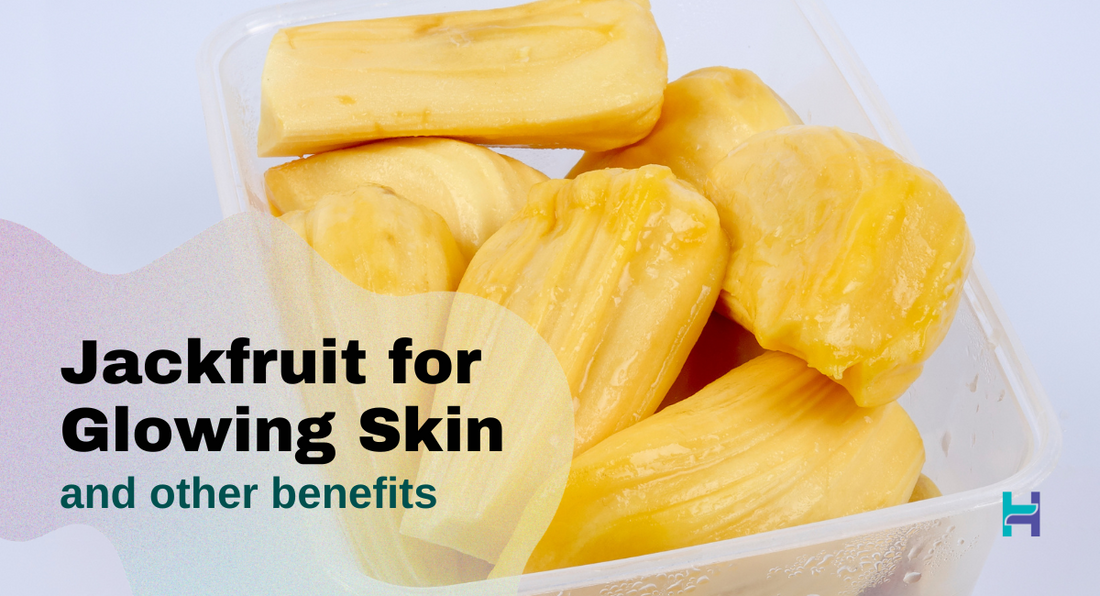
Do you want to look naturally radiant and young? While we spend a lot of money on expensive skincare products, the answer may be hiding in plain sight: Jackfruit! When it comes to jackfruit benefits for skin, this tropical wonder is nothing short of miraculous. We have discovered that this versatile fruit, known as 'kathal' in Hindi, is not only a tasty treat but a powerhouse of skin-enhancing nutrients. In this content, we will see how this amazing fruit can transform and enhance your daily skincare routine naturally. Nutritional Profile of Jackfruit Before we talk about the actual benefits to the skin, let us understand what really makes jackfruit so potent as a beauty food. This tropical fruit is full of essential vitamins and minerals that do marvelous things for the skin and, of course, for the general health. The vitamin C level in Kathal is very high and contains 100 grams, amounting to almost 13.7mg-about 23% of your required daily intake. This excellent fruit is perfectly complemented by the contents of antioxidants, fiber, potassium, and Vitamin A. Jackfruit, however, makes it distinctively special through a unique blend of phytonutrients and flavonoids offering both internal and external benefits. The impressive medicinal properties in jackfruit include the presence of lignans, isoflavones, and saponins. Key benefits of Jackfruit for skin When it comes to skincare, jackfruit emerges as a natural beautifying agent. Its rich antioxidant content directly impacts your skin's health and appearance. We're excited to share how this humble fruit can revolutionize your beauty routine: Collagen Boost: Contains vitamin C and antioxidants that stimulate natural collagen production, improving skin elasticity Anti-aging Protection: Rich in antioxidants that fight free radicals and prevent premature aging Natural Hydration: High water content and essential nutrients help maintain skin moisture levels Wound Healing: Antibacterial properties support faster healing of minor skin issues Let's explore how kathal works its magic on your skin. The vitamin C content in jackfruit isn't just about immunity – it's your skin's best friend for collagen synthesis. We've discovered that regular consumption helps maintain skin elasticity and firmness. The fruit's unique composition includes compounds that protect your skin from harmful UV rays and environmental stressors. What's particularly fascinating is its ability to promote a natural glow from within. The combination of vitamins A and C, along with antioxidants, works synergistically to delay the appearance of fine lines and wrinkles. Plus, its anti-inflammatory properties help calm irritated skin and reduce redness. Additional Health Benefits of Jackfruit Beyond skin benefits, jackfruit offers comprehensive health support. For women experiencing menstrual discomfort, we've found that jackfruit can be particularly beneficial during periods: Rich in iron, helping maintain hemoglobin levels during menstruation Natural anti-inflammatory properties that may help reduce period pain Contains magnesium that helps alleviate premenstrual symptoms Provides energy without causing bloating The fruit's impact on heart health is equally impressive, thanks to its potassium content and fiber levels. Its immune-boosting properties make it an excellent addition to your daily diet, especially during seasonal changes. Get Your Exclusive 12% OFF – Just for Our Loyal Readers! Enjoy a special discount on your next purchase. Grab your code now before it expires!. Email Address Get Coupon By signing up, you agree our terms of use and acknowledge the data policies in our privacy policy. You may unscubscribe any time! Benefits of raw Jackfruit for your skin When it comes to maximizing jackfruit benefits for skin, raw consumption takes the crown. Fresh, uncooked kathal preserves the highest concentration of vital nutrients that your skin craves. We've found that raw jackfruit maintains its complete enzyme profile, particularly its vitamin C content, which is crucial for collagen synthesis. The natural sugars and antioxidants remain fully intact, providing maximum free-radical fighting power to protect your skin from premature aging. What's particularly fascinating is that raw jackfruit contains higher levels of resveratrol compared to its cooked counterpart – this powerful compound helps maintain skin elasticity and firmness. The water content in raw jackfruit also remains unaltered, offering optimal hydration benefits for your skin cells. Additionally, the raw fruit preserves its natural anti-inflammatory compounds, making it especially effective for treating skin irritations and redness. Benefits of dried Jackfruit for your skin While fresh jackfruit offers immediate benefits, dried jackfruit presents a unique set of advantages for skin health. Through the drying process, certain nutrients become more concentrated, making dried kathal a powerful beauty food in its own right. We've observed that the concentration of beta-carotene increases significantly in dried jackfruit, providing enhanced protection against UV damage and supporting overall skin health. The drying process also intensifies the presence of flavonoids, which are crucial for maintaining skin elasticity and preventing oxidative stress. What makes dried jackfruit particularly interesting is its concentrated fiber content, which helps in detoxification and promotes clearer skin from within. The preserved minerals, especially zinc and copper, become more bioavailable in dried form, supporting natural collagen production and skin repair mechanisms. Get Your Exclusive 12% OFF – Just for Our Loyal Readers! Enjoy a special discount on your next purchase. Grab your code now before it expires!. Email Address Get Coupon By signing up, you agree our terms of use and acknowledge the data policies in our privacy policy. You may unscubscribe any time! Precautions and side effects Although jackfruit is considered safe, we still have to be aware of some things. Some individuals might be allergic to it, especially if they are allergic to birch pollen. Diabetic patients should also take note of the portions because jackfruit may alter the level of blood sugar. Pregnant women should only consume it in moderation. Also, its high fiber content may cause stomach discomfort if eaten in large amounts. Summary Jackfruit benefits for skin are truly amazing, providing a natural way to beautiful, healthy skin. From stimulating collagen production to anti-aging, this versatile fruit deserves a place in your beauty and wellness routine. We encourage you to include this nutritional powerhouse in your diet mindfully, considering both its benefits and limitations. Remember, consistent consumption in moderation is key to experiencing the full range of kathal's skin-enhancing and health-promoting properties. Frequently Asked Questions: Q. Does jackfruit improve skin whitening? Jackfruit contains some natural compounds that may level the skin tone. However, it is not particularly a whitening agent; instead, it makes the skin healthier and brighter in its own right. Q. Can I consume jackfruit every day? We encourage moderate intake-2 to 3 portions a week will work for most to reap benefits without any bad impact on health. Q. When to avoid eating jackfruit? Do not eat jackfruit if you have a latex allergy, or you are suffering from digestive disorders or are due for surgery within two weeks. Late-night intake is not recommended since it has high fiber. Q. Is jackfruit heating to the body? As per Ayurveda, it heats up the body. We would recommend a balance with cooling foods, particularly in summer. Reference: Nutritional and Health Benefits of Jackfruit (Artocarpus heterophyllus Lam.): A Review Efficacy of jackfruit components in prevention and control of human disease: A scoping review
Read More
Imagine waking up every morning feeling frustrated with dull, tired-looking skin. Constant breakouts, uneven tone, and premature aging signs that make you feel very uncomfortable. Not what every women wants, right? Many women struggle with skin issues that seem impossible to resolve, even after trying countless expensive products with almost no results. Here is the harsh truth: our skin suffers daily from pollution, stress, poor diet, and inadequate hydration & sleep. Traditional skincare routines often fall short, which leaves women feeling defeated and self-conscious. But what if we tell you that there is a simple, natural solution that is already present in your kitchen? Yes! We are talking about jeera water or cumin water. A very powerful, affordable remedy that can transform your skin from the inside out. Here we will explore the many benefits of Jeera water for skin and enhancing your complexion. Why Jeera water is considered a natural skin saviour? More than just a hip drink, jeera water or cumin water is a powerful elixir rich in nutrients that can revolutionize your skincare routine. Here are seven compelling reasons why every woman should add jeera water to their daily regimen for radiant, healthy skin: 1. Hydrates Skin for a Natural Glow Hydration is the foundation of healthy, glowing skin. Beyond quenching thirst, jeera water supresses one's pores, making them moist and plump with moisture. It is rich in minerals such as potassium and magnesium and helps retain moisture within the skin, unlike plain water. Its unique composition nourishes women's skin from within, promoting a dewy and radiant look.When your skin is hydrated, not only does it look fresh but also feels silky and soft. Dehydrated skin often looks dull, develops lines, and may cause irritation. However, the lost hydration replenished by jeera water coupled with its capacity to boost the natural barrier of your skin works to counter dryness brought on by environmental factors to keep your skin fresh and youthful. 2. Reduces Skin Inflammation Jeera water soothes angry, red skin naturally. The anti-inflammatory properties of cumin water calm skin irritations and reduces redness. It is considered perfect for people with acne-related inflammation or sensitive skin as this drink works from the inside out. By targeting skin swelling and discomfort, jeera water provides gentle, effective relief without harsh chemicals. It often helps your skin feel cooler, calmer, and more balanced, addressing redness and irritation at its source. Also Check out how jeera water can help solve digestive issues like constipation, making it a true wellness wonder! Get Your Exclusive 12% OFF – Just for Our Loyal Readers! Enjoy a special discount on your next purchase. Grab your code now before it expires!. Email Address Get Coupon By signing up, you agree our terms of use and acknowledge the data policies in our privacy policy. You may unscubscribe any time! 3. Detoxifies the Skin from Within Healthy, glowing skin begins from the inside. Jeera water acts as a natural detoxifier that flushes out all harmful toxins from your body. The more your body is cleansed, the better it reflects on your skin and makes it look clear and radiant. Exposure to pollution, stress, and unhealthy habits on a daily basis can clog your system. This leads to dull, tired skin. Jeera water, with its rich antioxidant properties, helps fight these toxins. It also supports your liver and kidneys in the detox process, improving overall skin health. It decreases the formation of impurities that cause breakouts and uneven skin tone. Also read: These ayurvedic herbs works wonders in mentstrual pain 4. Jeera water enhances skin whitening naturally Jeera water acts as a natural, gentle skin brightener, but this time from within. This non-invasive drink has replaced the harsh chemical treatments to impose its gentle antioxidant action on the discs of skin discoloration. Interestingly, the magic lies in the unique nutrient profile of jeera. The antioxidants in cumin help to fight free radicals, which are bad molecules causing dark spots and an uneven skin tone. These compounds work to neutralize skin damage, gradually reducing hyperpigmentation and promoting a more even complexion. Dark spots and uneven skin tone usually arise from exposure to the sun, hormonal changes, and aging. Jeera water addresses all these concerns by: Promoting cellular repair Reducing melanin production It supports the healing process of the skin It allows essential minerals supporting healthy skin Continuous intake will make your skin look: Bright Shiny Soft Smooth with even color It is gradual yet effective. Unlike quick fix chemical treatments, jeera water does not have a holistic approach to brightening the skin. It does not cover up but heals and equalizes natural skin tone. We recommend you to read our blog on benefits of jackfruit for healthy glowing skin. 5. Prevents Acne and Pimples Are you suffering from acne and pimples? Then Jeera water is here to help you out. It has antibacterial and antimicrobial properties that are potent in fighting the bacteria causing breakouts. It helps purifying your body from inside. It also reduces the amount of excess oil produced, which is one of the primary causes of blocked pores. As Jeera water is rich in antioxidants, it also helps lessen inflammation; even red, irritated skin can be soothed. Regularly drinking jeera water can lead to fewer breakouts and a smoother complexion over time. Helpful tip: Add jeera water to your daily routine, watch it work its magic on your skin, and stay away from acne and pimples naturally! 6. Fights Premature Aging Jeera water fights skin aging naturally. It has strong antioxidants, which protect the cells of the skin. The drink helps the skin to be elastic and smooth. Drinking jeera water regularly will reduce wrinkles and fine lines. It supports the skin's natural healing and renewal process. This simple drink keeps skin looking young and fresh without expensive treatments. Jeera water works from inside the body to maintain the health and appearance of the skin. 7. Jeera water reduces dark spots Jeera water is an effective way to fade dark spots. The natural compounds in it target the problems of skin pigmentation. It contains antioxidants that interrupt the production of melanin. It will lighten existing dark spots and prevent new dark spots from coming up. It works slowly but steadily, enhancing the skin tone naturally. It is a mild alternative to harsh chemical treatments. It should be taken regularly to get gradual but noticeable brightening results on the skin. How to Prepare Your Skin-Transforming Jeera Water Simple Recipe: 1 tablespoon of cumin seeds 1 glass of water Soak seeds overnight Strain and drink in the morning Pro Tips: Drink on an empty stomach for maximum benefits Consume 1 glass daily Consistency is key for visible results A note for women's wellness Interestingly, jeera water isn't just great for skin. It also offers remarkable benefits during menstrual cycles, making it a holistic health solution. In summary We've explored seven ways on how cumin water can transform your skin, from fighting dark spots to reducing aging signs. Every glass gives a natural approach to beauty, from the inside.Your skin deserves natural, gentle care, and Jeera water provides that without any expensive treatments or harsh chemicals. We recommend you to start with a glass every morning and watch your skin's transformation. Please let us know your experience with jeera water and its benefits for skin in the comment section below.
Read More
Are you looking for a natural way to get that glow on your skin? In the world of Ayurvedic skincare, one formulation stands out above the rest in terms of its benefits - Ashokarishta. Today, we're excited to share a quick guide on how this time-tested herbal preparation can transform your skincare routine. We will explore how its skin-purifying properties and its anti-aging benefits can enhance your beauty. By the end of this blog, you'll discover why Ashokarishta might be the missing skincare routine in your journey to achieving healthy, glowing skin. What is Ashokarishta Ashokarishta is primarily made from the bark of the Ashoka tree (Saraca indica), fermented with other beneficial herbs and natural ingredients. Ashokarishta works by purifying blood and balancing the vata dosha. Modern research and clinical observations have revealed its exceptional benefits for skin health, making it a valuable addition to natural skincare routine. Also read: Try Ashokarishta for Irregular periods Let us first understand the key ingredients present in Ashokarishta. Ashokarishta: key ingredients The primary component is the bark of the Ashoka tree, known for its skin-rejuvenating properties. It's key ingredients include: 1. Ashoka Tree Bark: It is known for its ability to support hormonal balance and reduce menstrual discomfort. 2. Dhataki (Woodfordia fruticosa): It aids fermentation and enhances the tonic’s efficacy. 3. Musta (Cyperus rotundus): It helps soothe inflammation and supports digestion. 4. Haritaki (Terminalia chebula): A powerful antioxidant that helps detoxify your body. 5. Amalaki (Emblica officinalis): Amalaki is rich in Vitamin C, which is known to promote healthy skin and immunity. 6. Jaggery: It acts as a natural sweetener and source of iron. These ingredients work synergistically to enhance women’s health, offering benefits that extend beyond the reproductive system and skin health. Get Your Exclusive 12% OFF – Just for Our Loyal Readers! Enjoy a special discount on your next purchase. Grab your code now before it expires!. Email Address Get Coupon By signing up, you agree our terms of use and acknowledge the data policies in our privacy policy. You may unscubscribe any time! Ashokarishta benefits for skin 1. Improves Skin Texture Ashokarishta detoxifies the body by flushing out toxins that contribute to uneven skin tone and dullness. Regular use of ashokarishta helps achieve smoother, softer skin. 2. Reduces Acne and Blemishes Its anti-inflammatory properties help soothe irritated skin, while its blood-purifying effects target acne-causing toxins for clearer skin. 3. Promotes Natural Glow The rich antioxidants in Ashokarishta enhance circulation, delivering essential nutrients to the skin and boosting radiance. 4. Fights Pigmentation Ashokarishta helps balancing hormones, and reduces melanin overproduction, preventing dark spots and uneven skin tone. 5. Hydrates and Revitalizes Skin Ashokarishta improves overall hydration levels that ensures the skin stays plump and youthful. Also read: Benefits of Ashokarishta for PCOS How it helps with common skin problems Ashokarishta’s blood-purifying properties tackle common skin problems like acne, rashes, and pigmentation. It helps in balancing hormones, and it addresses issues caused by hormonal fluctuations such as breakouts and excessive dryness. Its anti-inflammatory ingredients soothe irritated skin, while antioxidants combat free radicals, preventing premature aging. For women experiencing recurring skin issues due to internal imbalances, Ashokarishta acts as a holistic remedy to restore and maintain skin health. Ashokarishta for anti-aging and glowing skin Ashokarishta’s rich blend of antioxidants and natural herbs makes it a powerful remedy for maintaining youthful, glowing skin. Its ability to purify the blood and flush out toxins ensures the skin stays clear and healthy. Antioxidants like Vitamin C from Amalaki or Amla protect the skin from damage caused by free radicals, preventing wrinkles and fine lines. Ashokarishta enhances circulation and hydration, and it revitalizes the skin from within, restoring its natural glow. Women looking for an Ayurvedic solution to delay signs of aging can greatly benefit from this rejuvenating tonic. How to use Ashokarishta for skin health Ashokarishta should be used according to the recommendation of an Ayurvedic physician. The commonly recommended dose is 15-30 ml. Mix the preparation with an equal quantity of water. It needs to be administered twice a day post-prandially for several months. Avoid Ashokarishta administration on an empty stomach and without consulting the health care professional, especially for pregnant and breastfeeding mothers, patients taking any allopathic or alternative medicine. As for best possible effects, always follow it by eating a healthy diet and a routine skin care activity. Get Your Exclusive 12% OFF – Just for Our Loyal Readers! Enjoy a special discount on your next purchase. Grab your code now before it expires!. Email Address Get Coupon By signing up, you agree our terms of use and acknowledge the data policies in our privacy policy. You may unscubscribe any time! Precautions and side effects Pregnancy and Breastfeeding: Avoid use unless prescribed by a doctor. Overconsumption: Can cause digestive discomfort or diarrhea. Allergies: Check for potential allergies to any ingredients. Medical Conditions: Consult your doctor if you have diabetes or chronic illnesses. Though Ashokarishta is generally safe, excessive consumption can lead to digestive issues like bloating or mild diarrhea. Pregnant and breastfeeding women should avoid it unless advised by a practitioner. If you have any chronic conditions or are on medication, seek medical advice before starting Ashokarishta. Always use it in the prescribed dosage for best results without adverse effects. Summary Ashokarishta is a versatile Ayurvedic tonic that offers numerous benefits for women's health and skin. Its natural ingredients like Ashoka bark and Amalaki make it a powerful remedy for hormonal balance, glowing skin, and anti-aging. It also detoxifies the body and improves blood circulation, which helps to address common skin issues such as acne, pigmentation, and dryness while enhancing overall radiance.To get the most out of Ashokarishta, use it consistently as per the recommended dosage. If you’ve experienced its benefits or have questions about adding it into your routine, we’d love to hear from you! Share your thoughts or ask questions in the comments below.
Read More
Winter brings its own set of joys — cozy blankets, hot tea, and lazy mornings. But for many women, it also brings an unwelcome companion: back pain. If you’ve noticed that your back pain seems to get worse as the temperature drops, you’re not the only one. The cold weather can trigger or worsen back pain, making your everyday tasks feel more difficult. In this blog we would know the common causes of back pain during winter, simple home remedies or using ayurveda, and a few effective prevention tips to keep it away during winters. Common causes of back pain in winter Cold weather affects the human body in quite unexpected ways. Back pain is one of the most frequent complaints during the winter months. During winters, your muscles become stiffer with decreased blood circulation as the temperatures drop. The muscles, in turn, tend to become aches-prone and discomfort-sensitive. When winter month comes, most of us usually spend time staying indoors, which results in less physical activity, causing their back muscles to become weak. This sedentary lifestyle, coupled with long periods of sitting or lying down, often increases the chances of back pain. Another factor that is often ignored and overlooked is vitamin D deficiency. In winter, reduced sunlight exposure can lower your body's vitamin D levels that weakens your bones and muscles. This deficiency can make your back more vulnerable to pain. Moreover, those suffering from diseases like arthritis or sciatica feel their symptoms get worse with cold weather, thus worsening the pain and prolonging it. Such causes make the reason for why back pain seems to become an issue for so many women in the winter. Also read: Impact of Vitamin D on your periods Home remedies for back pain during winter Dealing with back pain during winter can be quite challenging, but some simple remedies can offer relief. Here are a few tried-and-tested home remedies: Apply a warm compress Massage with herbal oils Do light stretching exercises Maintain proper posture Always stay hydrated These remedies mentioned above are effective because they enhance blood circulation, relax stiffened muscles, and reduce inflammation. Applying a warm compress or giving an herbal oil massage results in easing pain immediately. Stretching on a regular basis and maintaining proper posture will keep the pain away. Hydration helps in proper muscle function and keeps your back flexible even on cold days. Prevention tips for back pain Layer Up: Wearing warm clothes, especially around your lower back, helps keep your muscles warm and prevents stiffness. Cold weather can cause muscle contractions, leading to pain and discomfort. Make sure to wear thermal inners, thick sweaters, and jackets to keep your back well-insulated. Adding extra layers around your core and lower back ensures better warmth and protection. Regular Exercise: In winter, staying active is essential to keep the flexibility and muscle strength. Walking, stretching, or light yoga can keep your back muscles active and reduce the risk of pain. Even a few minutes of gentle movement each day can improve blood circulation and prevent stiffness in your lower back. Maintain a Balanced Diet: Switching to proper nutrition and balance diet will help you in keeping your muscles and bones strong. Eat food that are rich in calcium and vitamin D, such as milk, green leafy vegetables, and fish, in your diet. These nutrients help in maintaining bone density and preventing muscle weakness, which can lead to back pain. Maintain a warm indoor climate, as it makes your muscles remain relaxed and minimizes any cold shocks in temperatures. Make use of room heaters, warm blankets, or electric heating pads to maintain an acceptable temperature level in your house. This would decrease the possibilities of getting back pain due to the cold that caused muscle tension. Maintain Good Posture: Bad postures while sitting or lying can exacerbate back pains more during winter. One must use an ergonomic chair with good lumbar support and avoid slouching when sitting. Maintaining good posture, to some extent, helps distribute weight equally across your body and decreases back pressure. We also recommend you to try our GoPainFree Instant period relief cream. Get Your Exclusive 12% OFF – Just for Our Loyal Readers! Enjoy a special discount on your next purchase. Grab your code now before it expires!. Email Address Get Coupon By signing up, you agree our terms of use and acknowledge the data policies in our privacy policy. You may unscubscribe any time! Treatment options for chronic back pain If you are dealing with chronic back pain, we highly recommend you explore advanced treatment options. Physical therapy remains one of the best approaches. If you consult a trained physiotherapist then he can design exercises that target specific problem areas, strengthening your muscles and improve overall flexibility. Over-the-counter pain killers can help you manage occasional pains, but long-term use should be avoided without medical advice. We also suggest you look for alternative treatments, such as acupuncture, acupressure or chiropractic care, have also proven to be effective in pain management. If these treatments do not reduce your pain, you should see a doctor or visit a hospital nearby. Proper diagnosis can help identify underlying conditions, thus allowing you to receive the appropriate treatment. To conclude Back pain during the winter season is a common issue. If you understand the causes, then you may follow simple home remedies, and implement prevention tips to keep your back healthy. However, if the pain persists, don't ignore it — consult a doctor. We hope this blog helps you to better manage your back pain and enjoy the winter season without discomfort. If you have any personal remedies or tips that worked for you, we would love to hear about them in the comments!
Read More
If you are looking for a quick, natural way to enhance your health, then carrot and lemon juice is your perfect combination. This vibrant combo drink is packed with all the nutrients that is needed for your immunity, skin and your eyes. We will discuss the awesome benefits of carrot and lemon juice, and why this power-packed juice is a must-have in your daily routine. And trust us - you will thank us for this golden treat! Let's dive in. Nutritional profile of carrot and lemon Carrots and lemons don't exist alone but rather complement each other in the process of a healthy body. When it comes to nutritional profile, carrots are nature's multivitamin powerhouse. The orange roots are loaded with beta-carotene (which converts to vitamin A in your body), that offers a remarkable 428% of your daily vitamin A needs in just one cup. They're also rich in biotin, vitamin K1, potassium, and fiber. Alongwith that, lemons are packed with vitamin C (about 51% of your daily needs in just one lemon), flavonoids, citric acid, and potassium. We also recommend you read our detailed article on consuming lemon water during periods in our blog. Below is the nutritional information for 250ml (1 cup) of each juice. Carrot Juice (250ml) Vitamin K: 33% DV Sugar: 9.6 grams Vitamin C: 23.4% DV Fat: <1 gram Biotin: 10.6% DV Fiber: 2.2 grams Calories: 100 Vitamin A: 266% DV Potassium: 16% DV Protein: 2.1 grams Carbs: 23.4 grams Vitamin B6: 13.8% DV Lemon Juice (250ml) Citric Acid: 1.53 grams Vitamin C: 198% DV Sugar: 4.3 grams Thiamine: 6.4% DV Protein: 0.85 grams Folate: 3.2% DV Carbs: 18 grams Fat: 0.21 grams Potassium: 8.5% DV Fiber: 0.64 grams Calories: 57 Vitamin B6: 5.3% DV They become really powerful when we combine these two ingredients. This is where synergistic benefits come into play. The vitamin C present in lemons enhances your body's absorption of beta-carotene from carrots. And the citric acid in lemons helps preserve the juice's nutrients and prevents oxidation, keeping your drink fresh and nutritionally potent for longer. Combined benefits when mixed (1:4 ratio of lemon to carrot juice - 250ml) Improved enzymatic activity for better digestion Extended shelf life through natural preservation Better mineral bioavailability due to citric acid content Balanced pH levels for optimal nutrient absorption Enhanced Vitamin A absorption through Vitamin C synergy Increased antioxidant activity from combined flavonoids Please note: DV (Daily Value) is based on a 2,000-calorie daily diet. Values may vary depending on the freshness and quality of ingredients used. In nutrition, DV means Daily Value, or what a person should take on a daily basis to remain within the recommended limit or intake. The %DV indicates what percentage of the daily value for a given nutrient a single serving of food contains. Also read: Dark period blood, Should I be worried? The combination also creates a perfectly balanced pH level, making it gentle on your stomach while maximizing nutrient absorption. This synergy makes carrot lemon juice more beneficial than consuming either ingredient alone. Get Your Exclusive 12% OFF – Just for Our Loyal Readers! Enjoy a special discount on your next purchase. Grab your code now before it expires!. Email Address Get Coupon By signing up, you agree our terms of use and acknowledge the data policies in our privacy policy. You may unscubscribe any time! Here are the incredible health benefits of carrot lemon juice. 1. Skin benefits Who doesn't dream of having radiant, flawless skin? Imagine a natural drink that not only hydrates but nourishes your skin from deep within - that is the magic of carrot lemon juice! Carrots are rich in beta-carotene that enhances your skin. This nutrient converts to vitamin A in your body, helping to repair skin tissues and protect against harmful sun damage. We recommend you to pair it with lemons that are loaded with vitamin C, and you’ve got a skin-boosting powerhouse. This juice combo stimulates collagen production, helps keeping your skin firm, plump, and ever youthful. The antioxidants fight against wrinkles, fine lines and all other signs of ageing. And if you’re struggling with blemishes or uneven skin tone, the healing properties of lemon work wonders to clear and brighten your complexion. 2. It has Cancer prevention properties The carrot and lemon juice have impressive cancer-prevention properties. The beta carotene in carrots not only boosts immunity but also combats harmful free radicals in the body. Studies suggest that beta-carotene may reduce the risk of certain cancers, particularly lung, breast, and stomach cancers, by protecting cells from oxidative stress and DNA damage. 3. Enhances your immune system The beta-carotene in carrot converts to vitamin A in your body—a vital nutrient that strengthens the immune system by enhancing the production of white blood cells, that is responsible for your body's frontline defence against infections. Apart from that carrots provide vitamin C and antioxidants that reduce inflammation and protect cells from oxidative damage. Lemons also play a vital role in immune health. Just one lemon offers over 50% of your daily vitamin C needs, helping to boost the production of white blood cells and antibodies. The flavonoids present in lemons further enhance immunity by reducing oxidative stress and promoting healthy immune responses. Also read: Watermelon Juice - it's benefits and side effects 4. Improves heart health Carrots are rich in potassium, which helps regulate blood pressure by countering the effects of sodium. Their fiber content supports healthy cholesterol levels, reducing the risk of heart disease. The antioxidants present in carrots juice protect blood vessels from oxidative damage. The vitamin C content in lemon improves blood vessel function and reduces arterial inflammation, and flavonoids in lemons are known to lower blood pressure and prevent the buildup of plaque in arteries, reducing the risk of atherosclerosis. 5. Digestive health Both carrots and lemons are fantastic for addressing your gut health. Carrots are high in dietary fiber, which promotes regular bowel movements. The fiber also supports healthy gut bacteria, enhancing digestion and nutrient absorption. Lemons help digestion by stimulating the production of digestive juices by improving nutrient breakdown. Their citric acid content helps detoxify the digestive system and may prevent the formation of kidney stones. Both of them promote gut health, prevents constipation, and enhances the body's ability to process and absorb nutrients 6. Eye health benefits We all know the importance of Vitamin A. Carrots are renowned for their high beta-carotene content, a precursor to vitamin A, which is essential for good vision. Vitamin A plays a very critical role in maintaining the health of the cornea, the eye's outermost layer, and supports the functioning of the retina. It helps prevent night blindness and may reduce the risk of age-related macular degeneration (AMD), a leading cause of vision loss. The lutein and zeaxanthin found in carrots are potent antioxidants that protect the eyes from damage caused by blue light and harmful free radicals. These compounds also help reduce the risk of cataracts and other degenerative eye diseases. Lemons, although less directly linked to vision, offer significant benefits with their high vitamin C content. Vitamin C addresses the health of blood vessels in the eyes, that helps reducing the risk of cataracts and AMD. The antioxidants in lemons can reduce inflammation, which is beneficial for maintaining overall eye health. Recommended daily intake For optimal benefits, we recommend consuming 250ml of this juice blend daily, preferably in the morning on an empty stomach. You can start with a ratio of 4:1 (carrot to lemon) and blend them according to your taste. However, moderation is key – excessive consumption might lead to carotenemia, a harmless condition that can give skin an orange tint. People with citrus allergies or those on certain medications should consult their healthcare provider first. Here are the side effects of Carrot Lemon juice Although carrot lemon juice is a good source of health benefits, it is crucial to have it in moderation to prevent adverse side effects: Allergic Reactions: Allergies may occur with some people against carrots and lemons. Digestive issues: Problems such as acid reflux may occur with excessive consumption. Blood Sugar Levels: Natural sugars in the carrots could contribute to rising blood sugar levels if it is consumed excessively. Summary Carrot lemon juice is truly a wellness powerhouse, offering a spectrum of benefits from enhanced vision and beauty to strengthened immunity and optimized internal health. We suggest you add this nutrient-rich beverage into your daily routine, that will not only enhance your taste buds but you're also investing in your long-term health. It is always best to choose fresh, organic ingredients whenever possible, and maintain consistent consumption for the best results. It's actually a powerful yet simple formula that will unlock natural, better health for you. We would love to hear from you about your experiences. Which juice do you prefer the most during your periods? Do let us know in the comments section below.
Read More
Traditionally, the green or unripe papaya has been used in many cultures, especially Southeast Asian medicine, for its effects on menstruation and reproductive health. This tropical fruit contains unique enzymes and compounds when in its unripe state that can influence hormonal balance and menstrual flow. What is Unripe Papaya? Green or unripe papaya is basically the raw, immature version of the sweet, orange papaya we're familiar with. While the ripe one is sweet and soft, the unripe one is firm, green, and has a different nutritional profile altogether that makes it particularly interesting for women's health. Unripe papaya is rich in: Papain: A powerful enzyme that's most concentrated in the fruit's unripe state Chymopapain: Another enzyme that works alongside papain Latex: A milky substance that contains beneficial compounds They are rich fiber content Packed with essential vitamins and minerals These enzymes, along with other bioactive compounds, contribute to its medicinal properties. Also read: Induce periods immediately with the 5 superfoods Benefits of Unripe papaya for menstrual health 1. Helps regulate irregular menstrual cycle We know how frustrating it is to have unpredictable periods. It comes early one month, late the next month, and sometimes you may see a skip a month altogether. Consumption of green papaya can be pretty beneficial in such situations. Enzymes in the raw or unripe papaya function directly with your body's natural processes. They might help your period come at the right time, each month. Here's what happens when you consume unripe papaya – Your menstrual cycle starts becoming more predictable. You'll notice your periods coming at more regular intervals. The time between your periods becomes more consistent. Your body develops a more stable monthly pattern. We recommend starting with small amounts of unripe papaya. You can add it to your diet about a week before your expected period date. However, remember – if you're pregnant or trying to conceive, you should avoid unripe papaya completely. A quick note from us: While many women find unripe papaya helpful, everybody is different. If your periods are very irregular, it's best to talk to your doctor first. 2. Reduces the severity of menstrual cramps Menstrual pain can really disrupt your life. However, the really good news is unripe papaya can help ease those uncomfortable cramps. The special enzymes in unripe papaya, especially papain, work like natural pain relievers. They help relax your uterine muscles, which means less cramping and discomfort during your period. Rather than popping those over-the-counter painkillers right away, you might find that adding unripe papaya to your diet in the days leading up to your period helps reduce the intensity of cramps. This natural approach can make your monthly cycle more comfortable. 3. Aids in healthy uterine muscle contractions during menstruation During your period, your uterus needs to contract properly to shed its lining – it's like a natural cleansing process. When your uterus contracts in a healthy, regulated way, it helps your period flow more smoothly and reduces the chance of blood clots forming. The enzymes in unripe papaya, particularly papain, help support these natural contractions. The enzymes don't make your contractions stronger or more painful – instead, they help make them more effective. This means you might notice your periods becoming more regular and manageable. Many women report that their periods seem to "flow better" when they include unripe papaya in their pre-menstrual routine. 4. Unripe papaya balances hormonal levels The special compounds present within an unripe papaya have been found to function thinly with the hormone systems in women. The presence of these natural substances leads to the regulation of estrogen – that fluctuates and at times gives a woman trouble such as mood swings, heavy bleeding or irregular periods. This helps women understand how unripe papaya inclusion in diets on a daily basis impacts them and keeps their moods more stable with lesser symptoms of PMS during the entire menstrual cycle. Phytochemicals in unripe papaya support your body's own hormone-balancing mechanisms, unlike synthetic hormones that might override your natural processes. Get Your Exclusive 12% OFF – Just for Our Loyal Readers! Enjoy a special discount on your next purchase. Grab your code now before it expires!. Email Address Get Coupon By signing up, you agree our terms of use and acknowledge the data policies in our privacy policy. You may unscubscribe any time! 5. It assists in reducing menstrual blood clotting Heavy clotting during periods can be uncomfortable and concerning. But unripe papaya can help you with this issue as well. It works in two main ways to reduce menstrual blood clotting: Through its enzyme fibrinolytic properties: The papain enzyme in unripe papaya acts as a natural blood thinner. It helps break down fibrin, a protein that's responsible for blood clot formation. When these enzymes are present, they help prevent blood from becoming too thick or forming large clots during menstruation. Through improved circulation: The enzymes in unripe papaya also help improve blood flow in the uterine area. Better circulation means blood can flow more smoothly during menstruation, reducing the likelihood of clots forming. Side Effects and Precautions Even though unripe papaya can be beneficial for menstrual health and has so many benefits, it also has its share of risks. If you're pregnant or trying to conceive, please avoid unripe papaya completely – its strong enzymes can cause uterine contractions that might lead to miscarriage. Another issue with consuming unripe papaya is experiencing digestive issues like stomach discomfort, bloating, or diarrhoea when women first start consuming unripe papaya. In those cases, you may opt for healthy papaya juice. So, it is always better to consult with your doctor. The enzyme papain can also trigger allergic reactions in sensitive individuals, showing up as skin rashes, itching, or in rare cases, breathing difficulties. If you're taking blood-thinning medications, be extra cautious as unripe papaya can enhance their effects and increase bleeding risks. If you experience any unusual symptoms after consuming unripe papaya, stop consuming it and get connected to your doctor immediately. Summary Unripe papaya can be a natural way of backing your menstrual health. Its ability to stimulate uterine contractions may help regulate delayed periods, while its nutrients can ease menstrual discomfort. But women should also be cautious as consuming it in excess or during pregnancy can lead to complications. If you’re thinking of adding unripe papaya to your diet during your periods, it’s always a good idea to consult a nutritionist. You can get personalized advice to ensure if eating papaya is safe and beneficial for you.
Read More
Did you know that a whopping 14% of Indians suffer from constipation at some point? If you have ever experienced the discomfort of irregular bowel movements, bloating, or indigestion, you are not alone. We understand how frustrating digestive issues can be. Today, we're exploring a natural remedy that might just bring you relief: jeera water (cumin). Join us as we explore whether jeera water can indeed help reduce constipation and improve your digestive health. Let's dig in and find the answers together. Does Jeera Water Help with Constipation? Yes, jeera water definitely helps with constipation. Jeera water does work by stimulating digestive enzymes to promote regular bowel movements. The seeds have essential oils that activate salivary glands, breaking down the food and helping in ease digestion. Constipation can be very distressing for women in their menstrual years. This condition hampers your comfort during the day. Many women look for natural remedies such as jeera water, which is said to have digestive benefits in traditional medicine. Women require good digestive health, particularly when they are menstruating. Although jeera water cannot be a panacea, its properties may help relieve constipation and promote overall digestive health. It not only helps in easing constipation but also supports smoother gastrointestinal function in women, which is very necessary for women all through the menstrual cycle. We would highly recommend you to learn more about the benefits of Jeera water during periods in our detailed blog. Let us now understand how jeera water helps in digestion and what all beneficial impact it has upon the body. Benefits of using Jeera water for digestion Improves Digestive Enzyme Production Jeera, or cumin seeds, stimulates the production of digestive enzymes such as amylase, lipase, and protease. These enzymes break carbohydrates, fats, and proteins easily and aid in digestion so nutrients can be absorbed into the blood to achieve optimal health. Relieves Indigestion and Bloating Jeera has carminative properties that help reduce indigestion and bloating. It reduces gas formation in the digestive tract by expelling trapped gases, bringing relief from discomfort and offering a flatulence-free stomach after meals. Regulates Bowel Movements Drinking jeera water regularly helps regulate bowel movements as it encourages peristalsis, the wave-like contractions of the intestines that propel food and waste through the digestive tract. This prevents constipation and ensures smooth passage of stool, promoting digestive regularity and overall gastrointestinal health. It enhances nutrient absorption Improving the digestive efficiency, jeera water enhances the absorption of all the essential nutrients such as vitamins (like vitamin B12 and vitamin D), minerals (such as iron and calcium), and antioxidants from the food we consume. In this way, our body receives maximum benefit from the nutrients present in our diet. Also read: How Jeera water helps your skin glow Reduces Risk of Acid Reflux Jeera water diminishes the possibility of reflux acidity because it maintains stomach acid production. The water supports the secretion of gastric juices without overproducing stomach acids that help to break up food. Therefore, reducing the risk of reflux acidity minimizes heartburn and several other symptoms linked with this disease, leading to digestive ease and comfort. Get Your Exclusive 12% OFF – Just for Our Loyal Readers! Enjoy a special discount on your next purchase. Grab your code now before it expires!. Email Address Get Coupon By signing up, you agree our terms of use and acknowledge the data policies in our privacy policy. You may unscubscribe any time! How to make jeera water for constipation Homemade drink for constipation: To prepare jeera water, take about one to two teaspoons of cumin seeds (jeera). Rinse the cumin seeds under running water, making sure to wash off any impurities or dust particles. Now, heat a small saucepan over medium heat. Add the rinsed cumin seeds. Dry roast them for a few minutes until they are aromatic and slightly darker in color. Dry roasting will enhance the flavor of the cumin seeds and releases the essential oils, which help in digestion. Once roasted, add two cups of water to the saucepan immediately. Bring to a boil over medium-high heat, then reduce the heat to low and let it simmer for another 5-10 minutes. This is when the cumin seeds infuse into the water, creating a very potent and therapeutic jeera water solution. Let the jeera water cool down to room temperature. Strain the jeera water using a fine mesh strainer once it cools down, to get rid of the cumin seeds and any residue from them. Pour the jeera water into a clean glass or container. And now, your jeera water is ready for drinking! Drinking jeera water on an empty stomach in the morning can be an effective stimulant for bowel movements and relieve constipation. For added benefits, you can squeeze a little fresh lemon juice into the jeera water before drinking it. Also read: How to reduce period bloating and gas Benefits of drinking Jeera water at night Drinking jeera water before bed can aid digestion and promote better sleep. Jeera, or cumin seeds, are rich in antioxidants and essential oils that help calm the digestive system. Jeera water is a natural diuretic, hence it helps detoxify and flush out toxins from the body. This detoxification also supports the functioning of kidneys and reduces water retention in the body, making it feel lighter at night. Drinking jeera water at night can also regulate blood sugar levels and boost metabolism, which is very helpful for people with diabetes or for weight management. Key Takeaways At the end, we can say that Jeera water has incredible potential as a natural digestive aid, showing a holistic approach to gastrointestinal challenges and constipation. Scientific and traditional evidence supports its ability to enhance digestive processes, reduce discomfort, and thus help reduce constipation. We welcome our readers to add this simple remedy into their wellness routine and share transformative experiences. References https://www.abbott.in/media-center/press-releases/indian-adults-suffer-from-constipation.html https://www.ijmrhs.com/medical-research/a-comprehensive-review-of-cumin-is-a-natural-remedy-for-health-and-wellness-97548.html https://pmc.ncbi.nlm.nih.gov/articles/PMC7407589/
Read More
Ever wonder if low vitamin D might be impacting your menstrual cycle? In our blog, we will establish the connection between vitamin D levels and your monthly rhythms. We will also help you find out why maintaining optimal vitamin D levels is crucial for women's health, how it impacts menstrual regularity and pain, and more practical tips on how to ensure you're getting enough. So, by the end of this read, you'll have a clearer idea of how vitamin D affects your cycle and what steps you can take to navigate the month cycle. What is Vitamin D and why it is essential? Vitamin D is a fat-soluble vitamin our bodies require to absorb calcium and promote bone health. Besides its skeletal benefits, it is essential in supporting immune function, mood regulation, and hormone balance. For women, it is especially important to keep adequate vitamin D levels since it influences menstrual health, fertility, and pregnancy outcomes. It is also involved in modulating estrogen and progesterone, thus affecting the predictability and intensity of menstrual cycles. Maintaining adequate vitamin D levels has been linked with reduced risks for conditions such as osteoporosis, autoimmune diseases, and several cancers. If you think of Vitamin D as sunshine vitamin, they you should know the sunshine vitamin is really important because it impacts so much more of your health than sun does. What is Irregular Menstrual Cycle An irregular menstrual cycle refers to variations in the length of time between periods, changes in the flow and duration of menstruation. For some women, this means periods that come too frequently (less than 21 days apart) or too infrequently (more than 35 days apart). It can also involve unpredictable changes in menstrual flow, from very light to heavy bleeding. The role of Vitamin D and your periods Various international studies reveal the alarming trend that women having irregular cycles or with cycle length greater than 35 days show symptoms of vitamin D deficiency. This vital vitamin regulates the hormones responsible for the functions of ovaries. The presence of VDR throughout the female reproductive system, especially in the ovaries, gives a clear impression that this is a critical one. This wide dissemination suggests that low levels of vitamin D may disrupt the hormonal balance necessary for regular menstruation. Understanding this relationship is of utmost importance to women's health, as maintaining proper levels of vitamin D becomes essential for optimal reproductive health and menstrual cycle regularity. How Vitamin D helps Vitamin D interacts with cells throughout our body, including those that produce and regulate hormones. Within the endocrine system, vitamin D is a modulator, meaning it affects the production and release of major hormones such as estrogen, progesterone, and testosterone. Vitamin D fine-tunes their activity by binding to specific receptors on hormone-producing cells, allowing them to operate at optimal levels. Thus, adequate vitamin D levels play a critical role in ensuring that the hormonal machinery of our body works smoothly and contributes to our general health and vitality. What are the accurate Vitamin D levels It is always a good idea to know your vitamin D levels as it is important in understanding and managing your overall health. Healthy vitamin D levels are associated with better bone health, immune function, and hormonal balance, which are particularly important for women's reproductive health. A simple blood test can accurately measure your vitamin D levels, usually expressed as nanograms per millilitre (ng/mL) or nanomoles per litre (nmol/L). Healthcare providers recommend maintaining levels between 30 to 50 ng/mL (75 to 125 nmol/L) for optimal health benefits. If low vitamin D levels are detected, your doctor may recommend supplements or dietary changes to boost vitamin D intake. Get Your Exclusive 12% OFF – Just for Our Loyal Readers! Enjoy a special discount on your next purchase. Grab your code now before it expires!. Email Address Get Coupon By signing up, you agree our terms of use and acknowledge the data policies in our privacy policy. You may unscubscribe any time! Sources of Vitamin D Getting enough vitamin D is important for health and could have a significant difference by knowing where to find it. There are two natural ways of getting vitamin D. First, is getting natural exposure to the sun while the other source of obtaining vitamin D is by consumption. Supplements also offer another way of attaining adequate vitamin D levels in one's body. Sunlight: Vitamin D is produced in the skin upon exposure to direct sunlight, especially UVB rays. Through a Diet: You should include foods that are rich in vitamin D in your diet, such as fatty fish (salmon, mackerel, tuna), egg yolks, cheese, and fortified foods like dairy products, cereals, and orange juice. Vitamin D3 supplements: This is the preferred supplement because vitamin D3 is more efficient in increasing and maintaining levels of vitamin D in the body than vitamin D2. The supplementation dosage varies between 600 to 2000 IU (International Units) a day, but if one has a deficiency, it may be higher as recommended by the doctor. Tips to maintain Vitamin D levels in women Here are some tips to maintain vitamin D levels in women. Get enough sunlight exposure. Eat foods rich in vitamin D, such as fatty fish, egg yolks, and fortified dairy products. Consider Vitamin D supplements. Use fortified foods, such as cereals and orange juice. Maintain a healthy weight. Monitor and test your vitamin D levels regularly. In Summary Research suggests that inadequate vitamin D levels can lead to an imbalance in hormones, which might result in abnormal menstruation and pain during menstruation. Maintaining adequate vitamin D levels can help regulate your cycle and ease the symptoms. However, it is highly recommended that you consult a doctor and follow what is suggested.
Read More
A lot of women look for natural remedies to overcome their period symptoms that actually work without adding to their list of worries. Hibiscus tea has gained attention as a soothing, herbal option which doesn't just taste refreshing but also brings real benefits during that time of the month. In this blog, we'll walk you through how hibiscus tea can support your body during cramps, mood swings, bloating, and more. By the end, you'll know the benefits of this vibrant, ruby-red tea that will help you feel a little more in control and comfortable during your menstruation phase. Let's dive into how hibiscus tea might just become your new period partner. It reduces menstrual cramps Cramps - probably one of the worst signs of your period. All of us have clenched our abdomen in pain, feeling that familiar unwanted tension. This is where hibiscus tea helps. The natural properties of the tea calm muscles that cause uterine spasms and therefore the pain associated with menstrual cramps are curbed by its gentle but efficient relief-giving action. Research has shown that hibiscus tea contains antispasmodic compounds. These compounds impact a mechanism of relaxation within the smooth muscles of the uterus, thereby reducing the likelihood that powerful spasms can be felt as intensely. For many women, this translates to much-needed peace and comfort when it's time to visit Aunt Flo. That means while cramps aren't necessarily going away completely, you'll likely be able to push through them using far fewer prescriptions. Balances the hormones Hormonal fluctuations happen during periods, and just about any emotion can go topsy turvy with hormonal fluctuations. The estrogen levels could surge or plummet, leaving you absolutely overwhelmed, irritable, or just plain "not yourself." Hibiscus tea may be a gentle accommodator of these hormonal fluctuations. Hibiscus tea also contains phytoestrogens—plant compounds that mimic estrogen. Phytoestrogens bind with estrogen receptors in your body, which may help a woman modulate ups and downs in her hormones. Some studies have revealed that for some women, that subtle balancing effect can make the emotional roller coaster of PMS a little less wild ride, offering a little more stability throughout those days leading up to and through your period. And the best part is that you are bringing out this balance with something natural, without having to use artificial supplements or added hormones. Hibiscus tea eases PMS symptoms PMS mostly involves cramps, bloating, fatigue, irritability, and mood swings. Hibiscus tea benefits those more than just the physical agony. The antioxidants present in the tea aid in combating oxidative stress-a state often attributed to fatigue and low energy. Moreover, flavonoids present in hibiscus tea helps by stabilizing the mood. Overall, it can be a great companion not only to your body but also to your soul. Improves circulation Periods can sometimes leave us feeling drained, especially on heavier days. Good circulation improves energy levels and supports all the natural processes going within your body. Hibiscus tea is a mild vasodilator, which may help to allow blood flow through widening those blood vessels. Improved circulation can result in higher oxygenation levels in most of your body, which might possibly help you during your period. It may not suddenly boost your energy levels, but help you feel less drained and more capable to endure what you are going through. Adding to this, the red colour of your hibiscus tea feels energizing on its own, a small visual sign of energy. Also read: Hibiscus tea for period cramps Anti-inflammatory properties of Hibiscus tea Inflammation is often behind the scenes as a cause of period pain. It happens because if our bodies create too much prostaglandins – hormone-like chemicals linked to inflammation – menstrual cramps, headaches, and other pains become stronger. The anti-inflammatory properties of hibiscus tea is very useful in this regard. Hibiscus contains anthocyanins, a group of all-natural compounds of the highest anti-inflammatory action. Anthocyanins helps decrease your body's inflammation reaction and, hence decrease the pain with your periods. Hibiscus tea presents a natural and gentle choice for relief for a woman suffering from menstrual cramps. Nutritional composition of hibiscus Hibiscus flowers are rich in a lot of nutrients that can make them an excellent addition to your period wellness routine. Vitamin C content in hibiscus increases the immunity and fights against fatigue, while essential minerals like iron and calcium ensure healthy blood flow and muscle relaxation. The intense red anthocyanins present in the juice of hibiscus flowers act as potent antioxidants by reducing inflammation and easing on cramps. Hibiscus natural acids and fiber help enhance digestion with a lovely tangy flavour, making every cup of hibiscus tea not only a soothing drink but also nutrient-rich and capable elixir during your period. Side Effects of Hibiscus Tea While hibiscus tea does come with its fair share of benefits, it's always a good idea to consume it in moderation. In fact, for some, hibiscus lowers blood pressure lightly, so it may not be a good drink for someone with low blood pressure. It also interacts with some types of medicine, like those being taken for blood pressure or hormonal balance. So, if you're already taking medication, it's best to see a doctor before taking hibiscus tea. Overconsumption of hibiscus tea causes stomach upset or dizziness; thus, one to two cups a day allows for the safe consumption of its benefits without worry. Also, you can try green tea, as green tea is also known for its anti-inflammatory properties and has the ability to boost your mood. To sum up Hibiscus tea has varied therapeutic benefits in terms of menstrual health, including its ability to ease up those nagging cramps, balance hormones, reduce inflammation, and boost energy. With every cup, you enhance your body with a natural and soothing remedy perfectly aligned with your wellness goals. If there was something missing for an easy, enjoyable approach to feeling more comfortable and in control of your period, this could be the addition you've been waiting for. Try it now, and please share your experience with us. Frequently asked questions Q1: Is hibiscus tea good for PCOS? Ans: Yes, hibiscus tea is good for PCOS. In fact, it is a great way to help regulate your period and reduce symptoms. PCOS is an endocrine disorder that affects how your body processes hormones particularly estrogen which leads to irregular periods, or no periods at all. Q2: Can hibiscus start period? Ans: Hibiscus can definitely help with period-related symptoms like cramps and bloating. It's also great for PMS because it has high levels of vitamin C, which helps regulate hormone production. So yes! Hibiscus tea can encourage your period. In fact, drinking hibiscus tea regularly is a great way to help your body prepare for menstruation. Q3. Is hibiscus good for female fertility? Ans: Hibiscus is not just good for female fertility—it's actually a superfood! Hibiscus tea has been used for centuries to help with menstrual cramps and heavy bleeding, and it's even thought to help balance your hormones.
Read More
Key Takeaways: Curd suits multiple skin types Curd is great for oily and acne-prone skin Curd aids in skin cell renewal Curd can help reduce tan and dullness Benefits of applying curd on face and skin now have real science backing them up. Doctors tested yogurt face masks in 2011. They found curd stops water loss from skin. It also makes skin brighter and more elastic. Another study by Food Science and Nutrition, proved curd hydrates skin and fights damage from free radicals. Curd contains lactic acid. This acid smooths skin and reduces wrinkles. PubMed research shows lactic acid works on deep skin layers. Many people try benefits of applying curd on face overnight. Others use it daily. You should know the benefits of applying curd on face every day and the side effects of curd on face too. Millions use curd in their skincare routine. Here in this blog, we will discuss the seven proven benefits that make curd worth trying. What are the benefits of applying curd on face 1. It Moisturizes the Skin Curd is an excellent natural moisturizer. It maintains the natural moisture of the skin and is a deep rehydrating agent for the skin. This curd face pack is highly recommended for people who have very dry and flaky skin type. 2. Helps to Brighten the Skin Tone If curd is used regularly, it may brighten uneven skin tone. Lactic present in curd gently exfoliates the very topmost layer of skin, revealing the fresh, radiant complexion lying underneath it. 3. Exfoliates Dead Skin Cells The lactic acid in curd acts as a gentle exfoliant, breaking down and removing the dead skin cells that can make your complexion look dull and tired. This natural exfoliation process not only reveals fresher, smoother skin underneath but also helps in unclogging pores, preventing breakouts, and promoting a more even skin tone. Also read: Benefits of curd during periods 4. Lightens Dark Spots and Blemishes The presence of lactic acid in curd, besides acting as an exfoliator, aids in lightening dark spots and blemishes. With continuous usage over time, pigmented areas become lighter, and inconsistency in skin colouring is reduced. 5. Relieves Sunburn and Inflammation Curd has cooling and anti-inflammatory properties that soothe the sunburn. You can apply a curd mask to your sunburned area and remove redness. It is very much effective and gives instant relief from burning. 6. It prevents Acne and Pimples Curd contains zinc, which is known to have anti-inflammatory and astringent properties that in turn decreases acne and pimples. The probiotics in curd further help in maintaining the balance of beneficial skin flora that further avoids acne to occur, mostly on oily skin. 7. Improves Skin Texture Curd helps to check on the secretion of sebum, the normally occurring oil on the skin, which is the cause of congestion of the pores most likely to manifest into acne. Other probiotics in the curd are good for space functions and maintaining the skin microbiome. Also read: How probiotics play crucial role in women's health Key nutrients in Curd Curd is a very rich source of lactic acid, which is an alpha-hydoxyl; it exfoliates dead skin cells very gently and helps in the formation of new cell growth. This very gentle acid helps to maintain a smooth and fresh visage by removing the dull topmost layer of skin. Being rich in zinc, curd helps in fighting inflammation, reducing acne, and soothing irritated skin. By virtue of calcium within it, curd will aid in skin regeneration, thus retaining elasticity and availing a young look with health. Vitamins B2, B12, and P5 help to enrich and moisturize the outer layer of the skin, giving it an everlasting healthy glow. How to apply curd on face We will explore various methods and recipes for curd face masks tailored to different skin needs. Each method will include step-by-step instructions on how to prepare and apply the mask. Let us start with a basic curd mask suitable for all skin types, followed by natural ingredients like honey, turmeric, and lemon to address specific concerns such as moisturizing, brightening, and acne prevention. Simple Curd Mask Ingredients needed: Plain curd How to apply: Apply a thick layer of curd on your face and neck. Leave it on for 15 to 20 minutes before washing it off with lukewarm water. It can be used daily to moisturize the skin and lighten the skin tone. Honey and curd face pack Ingredients needed: 2 tablespoons curd, 1 tablespoon honey Method: Combine the curd and turmeric to form a fine mixture. Apply on the face; keep for about half an hour. Rinse off with water. This mask is very useful for the removal of dead cells. Curd and Honey Mask Ingredients needed: 2 tablespoons curd, 1 tablespoon honey Method: Make a paste with mixed curd and haldi (turmeric), apply it evenly on your face and keep it for 15 mins. Cleanse by washing with lukewarm water. This mask lightens the skin and helps in reducing acne also. This skin care regime is very effective in oily skin also. Curd and Lemon Mask Ingredients needed: Curd- 2 tablespoons, Lemon juice-1 tsp. How to prepare the mask and apply: Mix the curd and lemon juice. Apply for 15 minutes and wash with lukewarm water. This mask helps exfoliate and brighten the skin. Here are the benefits of curd for skin Curd is one of the most natural skincare ingredients used in many Indian homes. The curd benefits for skin include gentle exfoliation, deep hydration, and glowing texture. It helps reduce acne marks, soothes sunburn, and keeps skin soft and fresh. Because curd has lactic acid, it removes dead cells naturally and brightens dull skin. Whether you apply it alone or mix it with honey or turmeric, curd for skin can bring quick visible results with regular use. Benefits of applying curd on face overnight With its richness in lactic acid, the application of curd on your face overnight could moisturize and nourish your skin deeply. Also, this prolonged exposure will enable the curd to exfoliate dead skin cells effectively and lighten dark spots, thus reducing blemishes to leave your skin smoother and brighter in the morning. Curd also cools and reduces inflammation; hence, it calms down irritated skin and is an excellent remedy applied overnight for a refreshed and rejuvenated complexion. Get Your Exclusive 12% OFF – Just for Our Loyal Readers! Enjoy a special discount on your next purchase. Grab your code now before it expires!. Email Address Get Coupon By signing up, you agree our terms of use and acknowledge the data policies in our privacy policy. You may unscubscribe any time! Side effects of applying curd on face Side effects of curd on face can happen to some people. Your skin might turn red or feel itchy. This happens if you have dairy allergies. Some people get small bumps after using curd. Others notice their skin feels tight or dry. Curd has natural acids. These acids can irritate sensitive skin. You might see redness around your eyes or mouth. Fair-skinned people often react more to curd. Cold curd straight from the fridge can shock your skin. This causes temporary redness. Some people use curd too often. Daily use can strip your skin's natural oils. Your face might start producing more oil to compensate. This leads to breakouts. Expired or spoiled curd causes serious skin problems. Always check the smell before applying curd. Test curd on a small skin patch first. Wait 24 hours to see if you react. Stop using curd if your skin burns or stings. Wash your face right away with cool water. See a doctor if symptoms get worse. Summary We hope you find these amazing benefits of applying curd on your face as exciting and effective as others do. It's amazing how something so simple and natural can have such a positive impact on our skin care routine. Give these curd masks a try on any skin type and see how your skin transforms – softer, brighter, and healthier. We'd love to hear about your experiences and any personal tips you have. Please share your thoughts and results with us! Frequently Asked Questions (FAQs) Can we apply curd on face daily? Yes, you can apply curd on your face daily, but it also depends on the type of skin you have. If you have sensitive skin, it might be a wise idea to use it a few times a week instead. For oily skin, mixing curd with a tablespoon of honey works wonders to balance oil. We recommend you to wash it off with lukewarm water afterward, and you’ll notice smoother skin within few days. Does curd whiten skin? Curd won’t exactly "whiten" your skin, but it can definitely brighten your complexion. The lactic acid helps with skin cell renewal, that helps reduce those dark spots and give your skin a natural glow. If you’re dealing with dullness, applying curd face packs regularly can help. Try rinsing with cool water after each use, and you’ll see the difference. Which is better for face milk or curd? Both milk and curd have their perks, but the choice depends on your skin type. Curd is great if you have oily skin since it controls excess oil, while milk is perfect for keeping sensitive skin hydrated. Curd also gently exfoliates, giving you smoother skin, while milk is more about deep hydration. So, you should choose what feels best for your skin. Is curd good for oily skin? Curd is fantastic for oily skin! It helps reduce excess oil and tightens pores, which can prevent breakouts. You can mix curd with a tablespoon of honey and apply it in circular motions to clear away dirt and dead skin cells. After about 15-20 minutes, rinse with lukewarm water. Your skin will feel hydrated but less oily. Also read: Is curd really good for period cramps and pain? Here's the answer. Can curd remove tan? Yes, curd can help lighten a tan. The lactic acid exfoliates your skin, promoting skin cell renewal and lightening dark areas. Try to mix a little amount of curd with a bit of lemon or turmeric for even better results. Massage it onto your skin in circular motions, leave it on for about 20 minutes, and then rinse with lukewarm water. You’ll notice a more even skin tone after few days. Are curd and yogurt the same thing? While they’re similar, curd and yogurt aren’t exactly the same. Curd is made through the natural fermentation of milk, while yogurt is made using specific bacterial cultures. Both are great for your skin, and you can use them interchangeably in curd face packs to tackle various skin issues, like dryness or dullness. Your skin will feel smoother and healthier with either option. Are there any benefits of applying curd on face overnight? Leaving curd on your face overnight can be beneficial, especially if you have dry skin. It helps keep your skin hydrated and promotes a natural glow. If your skin tends to be oily, though, it’s better to rinse it off after 20-30 minutes. In the morning, wash your face with cool water, and you’ll wake up with smoother, healthier skin. Disclaimer This blog is intended for educational and informational purposes only. It is not a substitute for professional medical advice, diagnosis, or treatment. Always consult a qualified healthcare provider with any questions you may have regarding a medical condition.
Read More
Menstruation is an inescapable cycle in women's lives. During this period, women will encounter some upsetting physical and emotional changes in their bodies. These shifts can be difficult to handle, but one natural cure with possible calming advantages is jeera (cumin) water. Jeera water is a simple yet effective treatment created by soaking cumin seeds in water overnight. It is popular for its unique flavor and scent – not to mention it is insanely healthy for your body. In this blog post, we will explore the top 10 benefits of jeera water during periods. Let’s jump in. 10 Benefits of Jeera Water During Periods 1. Jeera water's soothing effect on cramps One of the incredible benefits of drinking jeera water is how it helps with menstrual cramps. Jeera water’s natural antispasmodic properties work wonders on your uterine muscles, relaxing them during menstruation. This makes those tough days a bit more manageable by reducing both the intensity and duration of cramps. Plus, the soothing effect doesn’t stop there—it can also promote calmness throughout the body. Along with relieving cramps, jeera water benefits for skin and overall wellness add even more reasons to make it a part of your routine. 2. Anti-Inflammatory properties The anti-inflammatory properties of jeera water are well worth noting. Rich in compounds like cumin, aldehyde, and thymol, drinking jeera water can help reduce inflammation, which can worsen period discomfort. When your body feels inflamed, especially during menstruation, drinking something as simple as jeera water can offer relief from swelling and pain. 3. It is rich in iron Indeed, iron content in jeera water has been utterly amazing. Most of women suffer from low iron levels, especially while having periods, and the most rewarding advantage of drinking jeera water is that it can solve this problem. Jeera water is immensely rich in iron, which is an essential mineral to keep blood at an ideal level and not suffer from anemia. It caters to your body's need for iron and helps to maintain these energy levels by allowing it in your daily regime. 4. Jeera water aids in digestion The biggest digestive health benefits that jeera water would bring would be its enhanced digestive aid. Most issues associated with digestion, especially during your period, are usually experienced such as bloating, gas, and constipation. Jeera water stimulates the release of enzymes that break down food to become lighter and feel more comfortable. Personally, jeera water is able to help me avoid certain discomforts that sometimes accompany periods. 5. It helps regulate menstrual cycle A normal menstrual cycle is very important, and one of the benefits of drinking jeera water is that it helps regulate periods. Jeera has emmenagogue properties; it can help a healthy women maintain a regular menstrual cycle. Drinking jeera water can be simple and natural ways to manage keeping your cycle in check. Also, it helps in killing period-related stress, and this regularity brings hormone balance as well. 6. It reduces bloating One major advantage of jeera water is that it is a good diuretic that can help evacuate excess water and thus prevent water retention, bloating. With all excess water being expelled, the body gives relief from this heavy, sluggish feeling we sometimes experience during our periods. 7. Jeera water boosts immunity Some of the health benefits involve antioxidants present in jeera water. Boosting immunity has been one benefit of drinking jeera water, because that period is supposedly always accompanied by a higher vulnerability to illness in our bodies. Jeera water strengthens the immune system and makes us more healthy, less vulnerable to infection. Also read: Explore the benefits of Jeera water for skin 8. It helps loose weight If you’re looking for an easy way to support weight management, one of the benefits of drinking jeera water is its ability to boost metabolism. Drinking jeera water regularly can help burn fat more efficiently, making it a helpful addition for those who want to manage weight, even during menstruation. 9. It balances your hormone Jeera water has qualities that aid in hormone balancing, a fact to which we all need, more so when we have our period. One of its advantages is the presence of phytoestrogen that, in the human body, works like estrogen thus keeping on check the hormone imbalance. Thus if regularly taken will help minimize the discomfort resulting from the relative imbalances of hormones, such as cramps or mood swings. 10. Jeera water improves mood swings We all undergo moods swing during our periods, but at the same time, jeera water can help to calm down our temper. It actually has natural relaxing properties that soothe down both the body and mind, thus diminishing irritability and emotional stress. For me, it is a simple yet effective way for the maintenance of well-balanced emotions on stressful days. Get Your Exclusive 12% OFF – Just for Our Loyal Readers! Enjoy a special discount on your next purchase. Grab your code now before it expires!. Email Address Get Coupon By signing up, you agree our terms of use and acknowledge the data policies in our privacy policy. You may unscubscribe any time! How to make of Jeera water Cumin or jeera is obtained from a traditional plant with medicinal properties. In Indian households, jeera is used in practically every cuisine. The major reason for using cumin as tadka or as a spice in dal or other sabzis is its flavor. The best cumin seed, when properly ground, may impart a distinct flavor to any dish. Aside from adding flavor to meals, Jeera water is beneficial for calm digestion. Ingredients needed The 2 basic components for making jeera water recipe are: 1. Two tablespoons of jeera, or the finest cumin seed 2. Put two cups of water in a basin or pan. Preparation Start by heating the water in the saucepan over medium heat. Once the water has reached a lukewarm temperature, add the jeera or cumin. The cumin-infused water should be carefully prepared. After 1-2 minutes, turn the switch off and strain the jeera water. Serve it in a large glass and drink slowly because the water is warm. If you want to reduce weight or treat acid reflux, drink this miracle water every morning on an empty stomach. If you want to add extra flavor, simply add ginger, cinnamon, or a teaspoon of honey to the jeera water. Also read: Why ashokarishta is beneficial for women's skin? Side effects of jeera water on your periods Generally, it is safe to consume Jeera water but drinking it too much may induce excessive bleeding throughout the menstrual period. Here are a few side effects of jeera water. It may lower blood sugar levels Can cause Heartburn occassionally May cause Liver damage Allergic reaction or rashes It is always a safer option to consult with your dietician/gynecologist before fixing a drinking range. Final thoughts Jeera water is an easy-to-use yet powerful remedy that offers women several benefits during their menstrual cycle. Jeera water provides a number of advantages, such as better digestion, boosted immunity, and relief from cramps and inflammation. We've covered the top 10 benefits of jeera water for periods in this piece, showing how it might be a beneficial addition to a woman's diet throughout her menstrual cycle. With all of the benefits listed above, it's clear that jeera water might be a beneficial addition to your diet when you're menstruating. Also read: Why women suffer from back pain during winters?
Read More
You must know about a common myth that eating Pineapple during periods can reduce your pain due to its bromelain composition. Is it true though? Periods (menstruation cycle) is considered a taboo subject in most parts of India. Women feel discomfort talking about it and because of that certain misconceptions and negligence can be seen in proper diet during the menstrual cycle. At the end of the article, you’ll find your answer: if women can eat pineapple during periods or not. Curious? Continue reading! Can women eat pineapple during periods Yes. Women can eat pineapple during menstruation. Pineapple is a natural source of bromelain, which can help relieve menstrual cramps by relaxing muscles. Its high water content also keeps us hydrated, while the sweetness satisfies our cravings. Eating pineapple during periods does no harm but instead can be helpful.Now, that you know why pineapple is good for women's health, then we surely need to see its nutritious value. The nutritious value of pineapple is high in vitamins, minerals, and antioxidants, making it good for our health. Let's see what makes it a great fruit! Nutritional benefits of Pineapple Let us understand the nutritional content of Pineapple. Vitamin C: Pineapple is rich in Vitamin C content. It can boost your immune system, skin health, and natural healing. Also, it comes with antioxidants that improve cell damage capabilities. Bromelain: One of the components of Pineapple is bromelain. It is a combo of enzymes that may help with regular digestion and improve inflammation rate. Bromelain is proven to be an anti-inflammatory agent and arguably a cancer-reducing component. Manganese: A mineral that is important for metabolism, antioxidant activity, and bone health, manganese is found in pineapples. In addition, manganese is necessary for the development of connective tissues and the maintenance of healthy skin. Dietary fibre: This is an essential nutrient for gut health. Constipation can be avoided, bowel movements can be regulated, and a healthy gut microbiota can be supported by fiber. Antioxidants: The antioxidants included in pineapples, such as vitamin C and bromelain, can assist in reducing oxidative stress and neutralizing free radicals inside the body. In addition to being beneficial to general health, antioxidants may lower the chance of developing chronic illnesses. Hydration: The high-water content of Pineapple might aid in maintaining proper hydration. Many body processes, including digestion, circulation, and temperature control, depend on enough hydration. 10 Advantages of eating Pineapple for women Now that we know about the chemical composition of Pineapple, let’s see what is it good for in particular. It cures colds and cough Increases bone and teeth strength Works as a cancer-preventing agent It's good for the eyes Helps cure Arthritis symptoms Reduces hypertension Prevents Nausea Make you energetic It makes your skin brighter Works as an anti-acne agent Pineapple and Menstrual Health: Is it beneficial? We learned about the health-beneficial facts about consuming pineapple in the previous point. Now let’s understand how it is helpful for periods (women’s menstrual cycle). Pineapples contain an enzyme called bromelain. One kind of enzyme called a proteolytic enzyme is bromelain. Both pineapple juice and the pineapple stem contain it. Research has indicated that bromelain increases the body's synthesis of chemicals that reduce pain and swelling. Additionally, bromelain includes compounds that seem to reduce blood clotting and impede the development of tumor cells. It facilitates the uterine lining's shedding, which initiates your menstrual cycle. Additionally, this fruit promotes the synthesis of red and white blood cells, which improves blood flow. Expert advice: A light and healthful approach to enjoying the advantages of this delicious fruit is to drink pineapple juice. It may be consumed on its own or mixed into drinks, juices, and smoothies. It is crucial to drink fresh juice that is pure and free of added sugars and artificial flavors. Increasing the number of red and white blood cells will also help to enhance blood flow. You might be able to enhance your blood flow throughout your menstruation in this way. Get Your Exclusive 12% OFF – Just for Our Loyal Readers! Enjoy a special discount on your next purchase. Grab your code now before it expires!. Email Address Get Coupon By signing up, you agree our terms of use and acknowledge the data policies in our privacy policy. You may unscubscribe any time! 4 Myths and Facts about eating Pineapple during periods #1: Eating Pineapple will make your periods come early. Hard fact: No scientific evidence supports that pineapple and menstruation are directly proportional. Hormonal fluctuations inside the body regulate menstruation, and pineapple eating is unlikely to have a major effect on this process. #2: Pineapple can relief periods pain. Hard fact: Experts say pineapple's bromelain enzyme helps lessen inflammation and ease menstruation cramps. Although bromelain has anti-inflammatory qualities, there isn't much research to back up its usefulness for treating period cramps in particular. #3: Drinking Pineapple juice can cause high menstrual bleeding. Hard fact: There isn't any scientific proof that eating pineapples can lead to heavy menstrual flow. A balanced diet can contain drinking pineapple juice which is high in nutrients and has no negative effects on menstrual health. #4: You shouldn't eat pineapple when you're menstruating. Hard fact: There’s no need to avoid eating Pineapple during your period (if you’re not allergic to it). On the contrary, pineapple has some elements that may be helpful during menstruation. Conclusion So finally we can conclude that pineapple is safe to consume during periods (or for normal days) because of its rich nutrient content (vitamin C, bromelain, manganese, fiber, and antioxidants). You can add this to your period friendly diet, if won’t affect your period symptoms but is healthy in general. Individual tastes and tolerance, however, should always be taken into account. For individualized nutritional advice, it's best to speak with a medical practitioner or a qualified dietitian, particularly if you have any particular health issues or illnesses. All things considered, eating pineapple in moderation may be a tasty and healthy option for promoting general health, even during the menstrual cycle. Enjoy your Pineapple diet. FAQs Q1. Does pineapple juice increases our period flow? No, there's no scientific proof that eating pineapple might cause heavier periods. The hormonal fluctuations of women’s body are the main factors that affect menstrual flow, and drinking pineapple juice doesn’t have a big influence on this. Q2. Can pineapple help counter menstruation pain? There’s no concreate evidence to that claim. Some people think that the pineapple's bromelain enzyme might help ease period cramps and decrease inflammation. Although bromelain has anti-inflammatory qualities, additional studies are required to discover whether or not they are particularly helpful for menstrual cramps. Q3. Should we avoid eating pineapple when menstruating? There's no particular reason to avoid pineapple during your period unless you have a sensitivity or allergy to it. Pineapple has several elements that may be helpful during menstruation. Q4. How much pineapple is safe to consume when I'm menstruating? There is no known limit. In general, pineapple is safe to eat in moderation as part of a healthy diet. However, some people may have stomach pain if they consume large amounts of pineapple or any other meal.
Read More
When a woman is in her menstruation phase, she experiences a lot of discomforts, mainly in the abdominal area. She experiences severe cramps, mood swings, and a lot of other problems. The onset of menstruation is when the lining of the uterus breaks down and menstrual flow begins. During this time, what you eat and drink also plays a huge role. There are many healthy juices that are good for you. Here's a list of the 10 best and healthy juices to drink during menstrual periods. 10 Best Healthy Juices to Drink during Periods 1. Pineapple Juice Pineapple juice can help you relieve menstrual pain. Drinking pineapple juice during periods will also help you avoid anemia. Menstrual pain is caused by contractions of the uterus, which happens at the beginning of your period. Having pineapple juice during periods will help relax the uterus and reduce the pain. The juice is rich in vitamins, minerals, and antioxidants and is a natural remedy for many health problems. Pineapple juice is healthy, tasty, and refreshing. 2. Beetroot Juice Beetroot juice is rich in nutrients. The nutrients found in this juice help in normalizing menstrual blood flow and also reduce period pain. Beetroot is rich in nitrates which helps in relaxing the blood vessels. This relaxes the uterus and helps in reducing the pain. Beetroot contains organic acids which help in dispersing the lactic acid and therefore relieve the pain. Beetroot is also rich in magnesium and potassium which helps in improving the overall health of women. If you want to read more on the health benefits, we have compiled an informative article on beetroot juice benefits during periods. 3. Lemon Juice Drinking lemon juice during periods is a common practice among women as it helps reduce period pain as it is rich in nutrients. Lemon juice helps in increasing the levels of vitamin C which helps in relieving pain. Vitamin C is an antioxidant that helps in reducing muscle pain and cramps. The citric acid present in lemon is helpful in bringing down the pH level in the body. Studies have proven that a lowered pH level helps in reducing menstrual pain, cramps, and bloating during periods. 4. Papaya Juice Drinking papaya juice or eating papaya during periods is a good way to reduce pain and discomfort. Papaya is rich in vitamins and minerals. It contains natural analgesic (pain-killer) properties. The Juice of papaya is effective in managing period pain. Papaya also contains anti-inflammatory and anti-bacterial properties. The natural pain-killer properties of papaya can be utilized to manage period pain. Papaya has been used for many years in the treatment of menstrual disorders. 5. Carrot Juice The nutrients in carrots help your body break down excess estrogen, which can keep your body from building up painful cysts. Plus, it's a good source of vitamin A, which can help with regulating your menstrual cycle and ease period pain. Most people also find that carrot juice helps curb their cravings. It's not just the sugar; it's the texture and sweet taste of the juice that can make you feel like you're satisfying your craving, even if you're not. 6. Orange Juice Did you know that orange juice has calcium, Vitamin C, and other nutrients that can help during this time? Orange juice is a great drink for women to help ease the cramps and pain caused by periods. While the juice is not an alternative to painkillers, it can be a great alternative to eating a high-sugar food that might worsen the situation. 7. Aloe vera Juice Aloe vera juice is one of the most common home remedies for menstrual cramps and pain. Aloe vera juice is basically a natural laxative and blood purifier. It can clean your blood, improve digestion and relieve constipation. It also has anti-inflammatory and anti-bacterial properties that can help reduce period pain and cramps. The aloe vera in aloe vera juice helps to reduce inflammation, which helps to relieve pain and cramping during periods. Also, aloe vera juice also helps to balance the pH levels in the body. It helps to sustain the body's natural electrolyte balance, which is one of the main causes of painful periods. In addition, aloe vera juice also helps to cleanse and detox the body. It helps to flush out excess waste and toxins in the body, which can result in relief from bloating, nausea, fatigue, and headaches. Get Your Exclusive 12% OFF – Just for Our Loyal Readers! Enjoy a special discount on your next purchase. Grab your code now before it expires!. Email Address Get Coupon By signing up, you agree our terms of use and acknowledge the data policies in our privacy policy. You may unscubscribe any time! 8. Apple Juice The truth is, most people don't know that apple juice is actually a good thing to drink during periods. And no, it's not just because of all the healthy nutrients it contains—it's because it can help lower your risk of ovarian cancer by up to 70%. What's even more amazing is that drinking a glass of apple juice will make you feel better in ways other than just helping with cramps. For example, It can help boost energy levels and improve moods—so if you're feeling down, this might be the kick in the pants you need! Plus, it has been shown to reduce aches and pains associated with PMS and menopause symptoms. 9. Watermelon Juice Watermelon juice is a great way to get relief from menstrual cramps and pains during your period. It's not just good for the skin, though—this delicious fruit can help keep you hydrated. Watermelon juice has been shown to reduce pain associated with menstruation, including abdominal pain, pelvic pain, lower back pain, and menstrual cramp pain in general. This makes it an effective natural remedy for all types of period pain. Watermelon juice is high in potassium, which helps to relax muscles and reduce muscle spasms. It also has vitamin B6 and magnesium, both of which play a role in maintaining healthy bones and joints. And did we mention it tastes delicious? You'll love how refreshing the flavor is after a long day at work. 10. Blueberry Juice Blueberries are a great way to relieve cramps, nausea, and other symptoms of menstruation. They're anti-inflammatory. According to a study, Blueberries contain anthocyanins which are known to reduce inflammation in the body. They're also rich in antioxidants. Antioxidants help fight off free radicals that can cause damage to your body's cells and tissues. You may want to experiment with making your own blueberry juice at home by blending up some fresh berries with water and straining out any bits that aren't pureed. FAQ Q1. What relieves period pain fast? Ans: You can apply heating pad or take an Over the counter pain releiver. Also try some easy yoga poses to relieve yourself from stress and period pain. Q2. What drinks make cramps better? Ans: You can drink Ginger Tea or any herbal tea. Ginger tea is known to provide comfort as it has anti-inflammatory properties which help relieve period pain. Q3. What foods make period cramps worse? Ans: You should avoid Fatty foods. Do not eat spicy food as it is also known to create discomfort. Also, stay away from fried and salty foods. Q4. What does drinking a lot of water do for your period? Ans: Drinking more water during your period days keeps you hydrated. It also helps get rid of bloating and any cramps by flushing out harmful toxins from your body. Q5. What hot drink is good for period pain? Ans: Ginge tea is the best choice. It helps reduce period pains and cramps almost instantly. Chamomile and Peppermint Tea are also good options. You can pick them up from your local store online and keep them handy. Conclusion We have provided you the 10 Best Juice that helps in period pain during periods that you may try to beat off period pain. The best part of the juice is that it provides long-term relief from pain. No doubt, this is a great way to utilize the natural goodness of fruit and get rid of the symptoms. We hope that you find this blog useful.
Read More
Periods are generally accompanied with numerous issues, ranging from cramps, weakness, mood swings, and even some digestive issues. But there are a few things we can do without going to an over-the-counter medicine shop. Such is the case with jaggery-a nutrient-rich sweetener that offers much more than just the sweetness. Many of us wonder if consuming jaggery during periods helps reduce the discomfort. In this blog, we shall discuss if women can consume jaggery during periods and what are some of the benefits. Can women eat jaggery during periods? Yes, women can eat jaggery during periods. Jaggery is a good source of iron. This aids in the formation of haemoglobin levels. Thus, it can be well taken by women suffering from excess weakness or fatigue during periods. It has anti-inflammatory properties that help relax the muscles to reduce menstrual cramps. Benefits of eating jaggery during periods Here are some of the benefits of eating jaggery during periods. Relieves menstrual cramps Boosts energy Reduces mood swings Improves digestion Satisfies sugar cravings Let us discuss these benefits in details. 1. Jaggery helps relieve menstrual cramps Jaggery is anti-inflammatory and muscles relaxing, thus preventing cramping. The essential minerals found in jaggery are known as magnesium, which is a strong factor in soothing tensed muscles, thereby effectively becoming a natural pain reliever for menstrual cramps. A small amount of jaggery consumed during periods soothes discomfort and eases cramping. 2. It boosts energy levels Jaggery is an excellent natural source of iron and accelerates the haemoglobin in the blood. Most women suffering from periods experience fatigue because of the blood losses, so jaggery used can be an energy booster for them. Unlike refined sugar, jaggery releases its energy in a slow manner, keeping you full of energy for the whole day without giving you a hangover, like that after eating sugary snacks. 3. Jaggery reduces mood swings Menstruation will generally result in some mood swings due to hormonal imbalance. Jaggery will stimulate the endorphin hormones, commonly known as "feel-good" hormones; a small amount of jaggery will reduce irritation and anxiety and other mood swings that may give a sense of calm. 4. It improves the digestive system Most women experience a few gut problems, such as bloating and constipation, during menstruation. Jaggery stimulates digestion as it activates digestive enzymes, therefore improving digestion and helping alleviate the discomfort of bloating. This may be of great help during menstruation when the body slows down its digestion mechanism. 5. Controls Sweet Tooth Cravings Sometimes, people crave sweet things; thus, jaggery would be more useful to be replaced by refined sugar - less nutritional value. It quenches the craving for sweets but brings necessary nutrients like iron and magnesium inside the body, thereby making it even more rewarding during menstruation. How much jaggery should a women eat You can take moderate amounts of jaggery during periods. Taking about a teaspoonful or 5-10 grams in a day usually should work for the person without the overindulgence in sugar. Though jaggery is rich in iron, magnesium, and other minerals, it is still sugar; the excessive intake may shoot your blood sugar levels or make you gain weight. Here are some signs of excessive sugar spike in the body during menstruation Fatigue Increased Thirst Frequent Urination Headaches Irritability Cravings for More Sugar Dizziness or Light-headedness Which is better to eat, sugar or jaggery? Jaggery is the better alternative for many reasons. Since jaggery is less processed than white sugar, it constitutes more vitamins and minerals. Another point is, the GI (Glycemic Index) of jaggery is considerably low compared to white sugar, meaning that the glucose in the blood will be increased at a slower rate. It leads to a constant supply of energy, and it also does not cause the sudden dips that often occur when one consumes refined sugar Apart from serving as a digestive aid, jaggery helps trigger the release of digestive enzymes in detoxifying the liver and aids in overcoming frequent digestive issues such as bloating and constipation during the period. Does jaggery increase period flow The effect of jaggery on menstrual flow will vary for each, though on average, this is said to have a positive impact. Chemicals present in jaggery are said to work as a blood thinner; thus, it can have heavier periods in certain women. This effect might prove very beneficial for those women who suffer with light periods as it regulates or even promotes a healthy menstrual cycle. On the other hand, while jaggery is said to raise haemoglobin levels, its consumption can also increase blood flow and bring a more regular and healthy menstrual cycle. Jaggery also contains nutrients that help balance hormones, an important role in the regular menstrual cycles. Get Your Exclusive 12% OFF – Just for Our Loyal Readers! Enjoy a special discount on your next purchase. Grab your code now before it expires!. Email Address Get Coupon By signing up, you agree our terms of use and acknowledge the data policies in our privacy policy. You may unscubscribe any time! Side effects of eating Jaggery during periods While jaggery has many benefits, if taken during periods, one of the main negative impacts is its high content of sugar; it can cause a quick rise in blood sugar levels, thereby resulting in tiredness, mood swings, and a quick increase in cravings for sugar - a cycle of overconsumption that might indeed prompt weight gain and other metabolic problems if unchecked. Another possible side effect is gastrointestinal discomfort. It is said that some females might experience bloating or uncomfortable digestion after eating jaggery, especially in large amounts. On a final note Although the taste and natural sweetness would no doubt curb our cravings, they also provide a boost of energy as well as lessen discomfort associated with the onset of menses, where iron and magnesium found in jaggery may make an overnight. Of course, moderation is good, but we really believe that adding jaggery to the diet would bring great benefits and help ease your experience with menstruation. Let us know your experience in the comments below.
Read More
Can drinking amla juice during your period help or harm your health? Amla or Indian gooseberry has been in use for many years as a natural remedy for a host of health benefits; does it also do any good when you drink it on your period? Let's look at how it might interact with your body around this time and what we ought to know about the safety of consuming amla juice during periods. By the end, you will know whether amla juice is something you should drink or is it best to avoid. Can women safely drink amla juice during periods? Yes, the juice of amla is safe to drink for a woman during her periods. This juice, rich in nutritional content, can offer several health benefits.The Indian gooseberry (Amlika or Aonla in Hindi), is rich in vitamin C and antioxidants with anti-inflammatory properties. It helps flush toxins from the body when you are menstruating. When aunt Flo visits, there is a hormonal fluctuation, causing mood swings, cramps, and all other discomforts. This can be controlled by consuming amla which helps in balancing the hormone in your body. We have written a detailed article on a most common myth about amla juice. We highly recommend you to read the article. It is also known to strengthen the uterus. An aided uterus will result in improvement in menstrual flow and thus decrease the chances of various complications. Amla juice may also help in reducing the painful periods if you consume the juice regularly. The juice also promotes fertility by maintaining the health of organs that exist in the reproductive system. Women can easily maintain their reproductive organs in healthy condition if in case they plan to conceive; more nutrients from the amla juice promotes good performance. Adding to that, Amla also lowers the chances of urinary tract infections (UTIs), which commonly occur in girls. Important points to consider before drinking amla juice While amla juice can also be a good addition to our diets during periods, we should consider a few key points that is outlined below. Drinking more amount of amla juice can provide us with serious digestive discomfort; therefore, it would be better to begin with a small amount and increase the dose gradually in order to see the reaction of our body. We can mix it with other healthy foods like fruits and vegetables so that a wholesome intake of vitamins and minerals can be achieved. For example, adding honey to amla juice improves its taste or mixing it into a smoothie brings a completely different taste to this incredible elixir. We must add that those with low blood sugar should exercise great caution since amla is expected to bring low blood sugar levels. Those diagnosed with acid reflux can experience a rise in the symptoms as the juice is acidic in nature. While it can play a wonderful addendum to our diets, we can only realize its actual potential by considering nutritional values, our health condition, and the quality of the juice. Get Your Exclusive 12% OFF – Just for Our Loyal Readers! Enjoy a special discount on your next purchase. Grab your code now before it expires!. Email Address Get Coupon By signing up, you agree our terms of use and acknowledge the data policies in our privacy policy. You may unscubscribe any time! Who should avoid amla juice? It's important for us to gently consider the needs of certain women who may need to avoid or limit their intake of amla juice. Women who have low blood sugar Patients with acid reflux and gastritis Pregnant and lactating women Anyone allergic to amla You have to be cautious with the use of amla juice if you are suffering from low blood sugar. Intake of amla can decrease the blood sugar, so our advice is to consult your family doctor to avoid any situation such as Hypoglycemia. If you suffer from acid reflux or gastritis, then you should also avoid amla juice. Amla juices can irritate these conditions that may lead to heartburn or indigestion. Alternatively, we also suggest you to try the Amla Aloe-vera juice for its awesome benefits. The natural anticoagulant in amla can cause bleeding risks commonly associated with anticoagulant medicines among those that take blood-thinning medications. So, we also suggest you to consult your doctor in this case. Pregnant and lactating women may also drink amla juice only if consulted by their doctor. Amla is pretty safe; however, we suggest you to first take advice from a doctor. Also, women who has food allergies caused by amla or any other fruits should utterly avoid having amla juice. Over-sensitivities may be from light to extreme, so knowing each and every reaction of our body is the essence. Concluding thoughts Women can drink amla juice while in periods without any problems. In fact, their rich nutritional profile provides a range of benefits, including hormonal balance, less period pain, and generally better health. We hope this has helped you find the answers you are looking for. We also recommend that you start drinking Amla juice in small amounts that go hand-in-hand with other healthy foods. Disclaimer: The information provided in this blog post is for informational purposes only and should not be considered medical advice. While we strive to offer accurate and up-to-date information, individual health conditions may vary. Please consult with a qualified nutritionist or doctor before making any significant changes to your diet.
Read More
Remember eating amla during your school days? Yeah, that green (or dry-brown) speared berry – turns out it is also used for manufacturing medicines and women should consume it for their health benefits. And, have you seen that green octopus-looking plant on many people’s rooftops? Those aren’t just for show – women can get so many health benefits from them. In this blog post, we’ll go through the different benefits of Amla Aloe-Vera for women’s health. Keep reading! Health Benefits of Amla Aloe Vera Juice Because of their unique qualities and synergistic effects, combining amla and aloe vera juice can provide several health advantages. Here are some of the main advantages of drinking amla-aloe vera juice: Boosts Immunity: Amla and aloe vera are high in antioxidants and vitamin C, which aid in strengthening the immune system and protect the body from infections and disorders. Improves Digestion: Amla is recognized for its digestive characteristics, which help digestion and relieve constipation. Aloe vera also aids digestion by calming the intestines and encouraging the development of healthy microorganisms. Detoxifies the Body: Aloe vera and amla juice are natural detoxifiers that assist in cleansing the liver and eliminating toxins from the body, hence enhancing general health and vigor. Supports Skin Health: Aloe vera is well-known for its skin-soothing characteristics, while amla's antioxidants aid in the reduction of skin aging and the maintenance of a healthy complexion. Good for your hair: Since it promotes growth and reduces hair loss. Aloe vera feeds the scalp and strengthens hair follicles, resulting in better hair. Manages Diabetes: Amla has anti-diabetic compounds that aid in blood sugar control. When paired with aloe vera, which has a low glycemic index, it can help manage diabetes. Anti-inflammatory Effects: Aloe vera and amla both contain anti-inflammatory characteristics that can help decrease inflammation in the body and relieve symptoms of inflammatory disorders such as arthritis. Improves Heart Health: Amla and aloe vera promote heart health by decreasing cholesterol levels and increasing circulation, minimizing the risk of heart disease. Helps in weight loss: Amla and aloe vera juice might help you lose weight since they improve your metabolism and purify your body. Improves Nutrient Absorption: Aloe vera can help you absorb more nutrients from amla and other foods, allowing you to get the most out of your diet. Nutritional Profile of Aloe Vera and Amla Vitamins: It includes antioxidant vitamins A (beta-carotene), C, and E. It also includes vitamin B12, folic acid, and choline. Antioxidants neutralize free radicals. Enzymes: aliiase, alkaline phosphatase, amylase, bradykinase, carboxypeptidase, catalase, cellulase, lipase, and peroxidase. Bradykinase reduces excessive inflammation when administered topically to the skin, while others aid in the digestion of carbohydrates and lipids. Minerals: It contains calcium, chromium, copper, selenium, magnesium, manganese, potassium, sodium, and zinc. They are required for the normal operation of many enzyme systems in diverse metabolic pathways, and a few are antioxidants. Sugars: It includes monosaccharides (glucose and fructose) and polysaccharides (glucomannans/polymannose). Mucopolysaccharides are plant mucilage-derived polysaccharides. The most prominent monosaccharide is mannose-6-phosphate, whereas the most frequent polysaccharides are glucomannans [beta-(1,4)-acetylated mannan]. Acemannan, a common glucomannan, has also been discovered. Aloe vera gel has recently been shown to include alprogen, a glycoprotein with antiallergic characteristics, as well as C-glucosyl chromone, a new anti-inflammatory molecule. Anthraquinones: It contains 12 anthraquinones, which are phenolic chemicals commonly used as laxatives. Aloin and emodin work as analgesics, antibacterials, and antivirals. Fatty acids: It contains four plant steroids: cholesterol, campesterol, β-sitosterol, and lupeol. All of them have anti-inflammatory qualities, and lupeol is both an antiseptic and analgesic. Hormones: Auxins and gibberellins promote wound healing and have anti-inflammatory properties. Other beneficial elements: benefits include 20 of the 22 amino acids that humans require, as well as 7 of the 8 essential amino acids. It also includes salicylic acid, which has anti-inflammatory and antibacterial effects. When lignin, an inert material, is added to topical therapies, it increases the penetration of the other substances into the skin. Saponins, which are soapy chemicals, make up roughly 3% of the gel and have cleansing and antiseptic properties. Nutritional elements of Amla Vitamin C: Amla is one of the greatest sources of vitamin C, with up to 20 times more than oranges. Vitamin C is necessary for improved immunity, skin health, and iron absorption. Antioxidants: Amla has a high concentration of antioxidants such as polyphenols, flavonoids, and tannins. These antioxidants assist the body resist oxidative stress and lower the risk of chronic illnesses. Vitamin A: Amla is high in vitamin A, which is essential for excellent vision, skin, and immunological function. Vitamin E: Amla includes vitamin E, a fat-soluble antioxidant that protects cells from harm. Vitamin K: Amla contains vitamin K, which is needed for blood clotting and bone health. Minerals: Amla includes minerals including calcium, phosphorus, iron, and magnesium, which are beneficial to bone health, muscular function, and general well-being. Dietary Fiber: Amla contains dietary fiber, which promotes digestive health, prevents constipation, and regulates blood glucose levels. Other beneficial elements: Amla includes trace levels of B vitamins, including B1 (thiamine), B2 (riboflavin), B3 (niacin), and B5 (pantothenic acid), as well as zinc and copper. Effect of Amla-aloe Vera on Periods Dr. Santosh Pandey, a naturopath and acupuncturist at Rejua Energy Centre in Mumbai, confirmed that amla is a great Ayurvedic herb for maintaining hormonal balance, resulting in a healthy and regular menstruation cycle. He added: "It strengthens the uterus and boosts women's fertility. Amla can aid in the elimination of toxins from the body during menstruation. It is high in iron and good for ladies who have difficulty getting their periods or suffer from premenstrual syndrome. Regular intake can reduce period pain," How to Consume Aloe Vera and Amla Juice It's ideal to drink pure, freshly extracted aloe vera and amla juice with no added sweets or preservatives. You may extract the juice at home with a juicer or mixer. If you find the flavor of aloe vera or amla juice too strong, you may dilute it with water or other fruit juices to make it more appealing. Consume aloe vera and amla juice in moderation. A common guideline is to begin with a small amount, such as 30ml (approximately 2 teaspoons), and gradually increase the dose as tolerated. Aloe vera and amla juice are best consumed on an empty stomach in the morning to allow for improved nutritional absorption. Aloe vera and amla juice can be consumed on a daily or weekly basis, depending on your preferences and health goals. Aloe vera and amla juice should be refrigerated and used within a few days to guarantee freshness and prevent spoiling. You should reap the full advantages of aloe vera and amla juice, they must be consumed regularly and incorporated into a well-balanced diet and lifestyle. Some people may have an allergy to aloe vera or amla. Before using them, do a patch test or speak with a healthcare practitioner, especially if you have any pre-existing medical issues or are taking any drugs. Get Your Exclusive 12% OFF – Just for Our Loyal Readers! Enjoy a special discount on your next purchase. Grab your code now before it expires!. Email Address Get Coupon By signing up, you agree our terms of use and acknowledge the data policies in our privacy policy. You may unscubscribe any time! FAQs Q1. Can I consume aloe vera and amla juice together? Yes, taking one tablespoon of aloe vera gel and amla juice in the morning on an empty stomach may assist digestion and the removal of meals. Q2. How long does it take to see results from consuming aloe vera and amla juice? It depends. Sometimes within a few days or a week. Q3. Can we drink aloe vera and amla juice at night? Yes, Amla juice taken immediately before bedtime helps a lot. Bottom line Aloe vera and amla juice give several health benefits to women. These juices are a natural way to promote overall health by increasing immunity, supporting skin and hair health, and aiding digestion and cleaning. Including aloe vera and amla juice in your daily routine can be a simple yet effective way to enhance your health and look from the inside. However, persons with particular sensitivities should visit a doctor before starting to consume it.
Read More
Ever wondered about the benefits of applying curd on hair? Well, here's your chance. Curiously, this simple routine kitchen item may be just what you need to achieve healthier, more vibrant locks. Imagine getting a natural cure that nourishes and moisturizes your hair deeply and also treats common problems like dandruff and dullness. In this blog, we will explain how introduction of dahi or curd in our hair care helps create soft, smooth locks that are easy to manage. Want to discover the amazing benefits to gorgeous hair? Let's begin! Benefits of Applying Curd on Hair 1. Promotes Hair Growth Curd is one of the most important hair growth promoters for our hair. One of the richest sources of proteins and vitamins, curd provides deep nourishment and moisturization to the hair. These nutrients improve the strength of hair follicles and strengthen hair growth. We can definitely notice the difference in hair growth and density if we include curd in our hair care routine. Wondering if women can eat curd during their periods or if it's just a myth? Explore the facts in our detailed article. 2. Curds reduces dandruff Curds clean the scalp by helping remove flakes. Lactic acid in curd is an antifungal agent, and works on fungus that leads to dandruff. It develops a healthy scalp and prevents dandruff, thus giving healthier and beautiful hair. It is a chemical-free way of controlling one of the common problems. 3. It improves hair texture Regular use of curd makes our hair soft, smooth, and manageable. Since curd is a natural hair conditioner, it results in improvement of hair texture as well as a softer and shinier look on our hair. Curd keeps our hair soft and free from roughness and dryness, resulting in smaller hair knots and making it easy to manage voluminous hair. 4. Balances pH of Scalp Another way curd helps the scalp is by balancing its pH level. Unbalanced pH of the scalp may cause various scalp problems that hamper hair growth, such as excessive sebum or dryness. Curd maintains the healthy environment on your scalp, which is the need for having a healthy hair. It helps the scalp to prevent the risk of issues and keeps the scalp healthier and hair stronger. 5. Helps Prevent Split Ends Using curd will also reduce hair fall, and it helps in minimizing split ends. The nourishing properties of curd strengthen the hair roots to the tips, minimizing the possibility of a split end. This gradually leads to healthier voluminous hair that appears to be more robust in texture and feel. Curious about how curd can benefit your skin? Learn about the benefits of applying curd on your face in our latest article. 6. Instantly Uplifts Dull Hair Naturally If our hair look dull and lifeless, then this is the perfect remedy for hair by using curd. Curd provides essential nutrients which help in instanteous uplifting of dull hair naturally to regain its natural shine and preventing any hair loss. Applying curd over hair every day will bring back that vibrancy in our hair to give it a lively and radiant look. How to Apply Curd on Hair (Step by step) Applying curd to hair is quite simple and can be followed easily with just a few steps. Here's how we can do the perfect curd hair mask: Preparation: Take a small bowl and mix a few tablespoons of curd with a teaspoon of honey or lemon juice, adding extra benefits. Honey retains moisture in the hair, strengthens hair whereas lemon juice adds freshness to it and balances the scalp's oil production.The mixture should be applied to our scalp and hair, from the scalp down to the tips. Make sure everything will be covered.2. Massage: Massage the mixture into the scalp with circular motions so that it can be better absorbed by the scalp. This can also prove to be a way of stimulating blood circulation and better hair health.3. Leave It On: Allow it to sit for about 20-30 minutes. This is when the curd works its magic on our hair as well as scalp.4. Rinse: Wash our hair with lukewarm water and a mild shampoo. Ensure proper rinsing to remove all traces of curd.5. Frequency: To get the best results, use this curd mask once a week for improved hair health. Get Your Exclusive 12% OFF – Just for Our Loyal Readers! Enjoy a special discount on your next purchase. Grab your code now before it expires!. Email Address Get Coupon By signing up, you agree our terms of use and acknowledge the data policies in our privacy policy. You may unscubscribe any time! Side Effects of Curd on Hair While curd is generally safe for all, but some points to remember are: Allergic Reactions: Not everybody has resistance to dairy. It is always advisable to patch test before applying curd on the entire scalp. Overusing: Overusing curd leads to the deposition of too much product on the scalp. It should be used only as recommended by your doctor. Scalp Sensitivity: If your scalp is sensitive, then you must definitely use curd in a minimal amount, and the other ingredients which are irritative must not be added to it. How Much Time to Apply Curd on Hair For proper hair and scalp nourishment from curd hair mask, it must stay on the hair for the right time. Normally, 20-30 minutes is the time required by curd to seep into the hair and scalp to provide nourishing benefits. However, if it is left on for too long then also proves problematic through a stench or some hardness in its rinsing. After Applying Curd on Hair: How to Wash Properly wash out the curd that we applied to our hair from after treatment:Step 1: Rinse: Start to rinse out the remaining part of our hair in warm water to get out the remaining residue. Step 2: Shampoo: Milder shampoo will be used in washing off the remnants of the curd. Avoid using hot water since it will strip out moisture from our hair.Step 3: Conditioner: Applying conditioner if we have the product, and deposit it to the very tips of our hair. That way, it would help keep it soft and manageable.Step 4: Dry: Gently towel-dry our hair before leaving it to air dry. No hot styling allowed on our hair immediately after we wash it. Conclusively We can use curd in our hair care and see the wonderful benefits curd brings to hair. It's all from hair growth promotion to treatment of dandruff to the improvement of hair texture. Isn't all so impressive, in any way, that the addition of curd to hair will help improve our locks with better health, fullness, and vibrancy? Come on, let's take care of the locks and welcome this goodness from curd!
Read More
We all know how burdensome periods can be. Be it cramps, irregular cycles, or just the discomfort in general, it is a thing with which we all have had or still do battle. But what if we told you that there is something natural and simple that could help? Papaya Juice! Yes, as simple as papaya juice, it can support menstrual health in many ways. Allow us to walk you through how this amazing fruit can make your monthly cycle a bit easier to handle and why it can even give you the boost you might need. Papaya Juice Benefits for Periods How, exactly can papaya juice help during periods? Well, it contains key nutrients that can be helpful in keeping your cycle regular. Papaya contains a high amount of vitamin C, which aids in increasing the production of estrogen and thus contracting the uterus. This means your periods will regulate and it would not be that painful to deal with. In addition, the fiber content in papaya prevents bloating, the most common complaint we all have every month. Therefore, if you want to naturally feel better during your period, then the papaya juice will be worth a try. How Effective is Papaya Juice for Periods? You must have heard about the natural use of papaya for managing periods. But how effective will it actually be? It is not an old wives' tale story. Papaya works because of an enzyme within it called papain that helps in softening the uterine lining and promotes a good flow. This means, for some, there are decreased delays, with the timing of your period more often regular. If you have irregular cycles or wish to simply have a bit more control over the timing, then papaya juice is a gentle yet effective solution. You can also find if eating papaya during menstruation is a good practice or not. Can you drink raw papaya juice for periods? Now, if you want to take it up a notch, raw papaya juice might be just what the doctor ordered. In fact, raw papaya is even more potent because of the presence of higher amounts of papain, which helps stimulate uterine contractions. In case your periods are late or your cycles are irregular, days in advance of your expected date, a glass of raw papaya juice could stir things up. People have used unripe papaya in traditional medicine for many things, like healing wounds. Studies also show that the black seeds found in the middle of the papaya have been used to get rid of intestinal parasites. It's a natural approach and does not consist of any strong chemicals, just the goodness of raw papaya! Papaya Juice for Prepone Periods We have all been there-you plan something important, and your date of periods falls right in the middle of it. The good news is that papaya juice might prepone your period naturally. The papain this enzyme produces raises uterine contractions and may induce your period to come on sooner. This is a great way to nudge your cycle a bit without having to resort to medication. Having papaya juice every few days before your expected period may just allow you to stay in control of your plans. However, there is no scientific evidence or studies that proves this. Does papaya leaf juice helps in irregular periods? If irregular periods have been driving you nuts lately, well, papaya leaf juice is probably the answer to your prayers. I know, it doesn't sound that great in terms of taste, but every bit of it is worth it! The leaves of papaya are rich in nutrients and compounds that balance hormones, thus making the cycle quite predictable. Yeah, it might be a little bitter, but you can always mix it with a bit of honey or lemon to make it more drinkable. If you have been suffering from irregular cycles, the intake of papaya leaf juice might bring you much-needed breather. How to Prepare Papaya Juice for Menstruation The preparation of papaya juice is very easy and ensures fresh intake of nutrients. Just peel a ripe papaya, discard its seeds, and then blend it with some water. You can strain it if you like, but I like mine with a little texture. To add flavour, you may want to throw in some lemon juice or honey. Drinking this glass of refreshing juice a couple of days before your period may help regulate your period naturally. Get Your Exclusive 12% OFF – Just for Our Loyal Readers! Enjoy a special discount on your next purchase. Grab your code now before it expires!. Email Address Get Coupon By signing up, you agree our terms of use and acknowledge the data policies in our privacy policy. You may unscubscribe any time! Raw Papaya Juice Recipe for Periods If you are ready to go raw, here is how you will make raw papaya juice. Take an unripe papaya and peel, dice it. Then blend it with water into a smoothie. Alright, now I am not going to lie—raw papaya tastes stronger, so you might want to mix in honey or with another juice, like orange or lemon. Consume this frequently before your cycle is due to say it regulates or even brings on your cycle without using medications. Summarizing it all Periods aren't a monthly battle; rather, natural ways can sort out disturbed cycles, reduce discomfort, and even pre-pone if needed. Rich in nutrients and easy on the body, papaya juice is easily available. Be it ripe or raw papaya juice, or even papaya leaf juice, it's a natural boosting of the body that helps take care of menstrual health. If you have been thinking about trying something natural, then papaya juice is what you are looking for.
Read More
Find effective acupressure points for dysmenorrhea, reduce menstrual cramps, and improve comfort during painful period days naturally
Read More
Key Takeaways Antibiotics mostly do not delay periods directly. Illness and body stress can shift ovulation timing. When ovulation happens later, periods may also come late. Most menstrual cycles return to normal after recovery. Persistent delays should be discussed with a doctor. No, antibiotics do not delay your period directly. Antibiotic actually treats your infection, but they do not manage the hormones that decide when your period comes. Still, there are women who notice their cycle becoming late after taking antibiotics. We understand why this creates confusion. Let us explain this quickly. If you recently took antibiotics and your period did not arrive on the expected date, you may have started to wonder what changed. Many a times the delay happens because the body was busy dealing with illness. When ovulation shifts even by a few days, your period timing also moves. Many women notice this change and start wondering what caused it. If you want to understand this better, you may also read about why period dates change. Do Antibiotics Delay your Period Common antibiotics do not directly delay your period. Research confirms antibiotics lack evidence for directly altering menstrual cycles. The main job of these medicines mainly is to fight bacteria and help the body recover from infection. They do not control estrogen or progesterone, which are the hormones results in menstrual cycle. But we often see women connecting the two events. You take antibiotics, and then the period date changes. Naturally, it feels like the medicine caused it. If you look at how the menstrual cycle works, one thing becomes important. The timing of your Ovulation decides when the period will arrive. If ovulation happens later than usual, the period will also come later. This is how the cycle normally behaves. Sometimes the body goes through illness or fever. Sleep may get disturbed.Stress during infection can also increase. Because of these changes, ovulation may shift a little. If ovulation moves, the period date also moves. In such cases, antibiotics are usually not the direct reason. The body was simply adjusting while recovering from illness. How Illness can Delay your Period When your body is fighting an infection, it goes into recovery mode. Energy and resources get directed towards healing. Because of this, some other body processes may slow down for a short time. If you had fever during illness, the body may feel weak. Appetite may reduce and your sleep may also get disturbed. Because of this, the body can experience temporary stress. Stress hormones like cortisol may increase. When this happens, ovulation timing can shift slightly. According to heartilityhealth website, illness-induced stress elevates cortisol, delaying ovulation and periods. Even a small shift of a few days can change the cycle. If ovulation happens later, the period will also arrive later. We often see this after infections like throat infection, flu, or urinary infection. If you have experienced this during a urinary infection, you may also want to understand whether a UTI can affect your cycle. Medicines that Affect your Cycle Most of the medicines we take for common infections do not affect our menstrual cycle. Common antibiotics that are generally used for treating throat infections, dental problems, or urinary infections usually have no direct effect on period timing. Yet, a few medicines can affect hormones or metabolism in the body. In such cases, the cycle may change slightly. Some examples include: Medicines that contain hormones Long-term steroid treatments Certain medicines used for tuberculosis treatment We believe it helps to understand this difference. If your medicine does not interrelate with hormones, the period delay is mostly connected to your illness, stress, or body recovery rather than the antibiotic itself. Some women also explore different treatment approaches. If you are curious about alternative options, you can read about homeopathic medicine for period pain. Why your Period may be late after Antibiotics If your period becomes late after you have taken antibiotic pills, the medicine is not the real cause. It may be that your body is still recovering from an illness. When the body deals with infection, normal routines like sleep, eating, and energy levels often change. You may notice things like: Disturbed sleep during illness Reduced appetite or dehydration Stress on the body while healing If you notice these changes around ovulation time, the cycle can shift slightly. When ovulation gets delayed, your period will also be delayed. Once the body regains strength, the menstrual cycle usually settles back to its usual pattern. When you need to be worried So, here is an assurance from our end. If your period is late by a few days, that does not mean something is serious. Sometimes, your body takes a little time to return to its normal rhythm after your recovery from illness. But if you notice a delay for more than two weeks, it is a good idea to pay attention. We suggest you take a pregnancy test if that is possible. If cycles remain irregular for several months, consulting with a doctor will help you understand what the body is communicate to you. Say goodbye to Period Discomfort Make your periods worry-free with ultra-absorbent, reusable GoPadFree™ period panties. Get them today for your period comfort. Shop Now Your Cycle during Illness As soon as you fall sick, your body shifts its attention on the recovery path. Viral infections and fever trigger immune stress, suppressing ovulation and delaying periods [Source]. Energy goes into fighting infection, repairing tissues, and restoring strength. Because of this process, the menstrual cycle may not follow its usual timing for that particular month. You may feel more tired, eat less, or sleep differently while recovering and small changes like these can influence your ovulation. If ovulation happens later than usual, your period will also move a few days forward. We often notice that once health improves, the cycle slowly returns to its natural rhythm. If you listen to your body, rest properly, and recover fully, the menstrual pattern usually stabilizes again without much concern. Summary Antibiotics do not directly delay the menstrual cycle. When a person is unwell, the body is busy fighting infection and recovering. During this time sleep pattern, appetite, and daily routine may change. Because of this, ovulation can happen a little later than expected. If ovulation shifts by a few days, the period will also come later. Knowing this helps you understand why a cycle may become late once in a while. It is not uncommon. But if the delay keeps happening again and again, it is better to speak with a doctor and find the reason. FAQs Q. Can medicine change your period timing? Yes, there are a few medicines can impact your period cycle. But common antibiotics do not directly change your cycle when your period comes. The medicines that affect hormones, or the treatments that is used for a long time, may sometimes shift the cycle by a bit. Q. Why is my period late after taking antibiotics? Your period is late because your body was recovering from an infection all these days. When you are sick, your daily routine changes. Poor sleep routine, eating less than usual, or feeling tired for several days may impact your routine. These small changes can affect the hormones that control ovulation. Q. Can infections delay periods? No. Because your body was recovering from infection. Your illness sometimes disturbs sleep, appetite, and energy levels. These changes can delay ovulation slightly. If ovulation moves forward, your period will also arrive later than expected. Q. Should I worry if my period is late after medication? If there is short delay, then it is not a major issue. Sometimes people also take common medicines during their cycle to manage discomfort. If you are wondering about pain relief, you can read more about whether paracetamol reduces period pain. Our human body sometimes needs time to regain balance after illness and treatment. If you see the delay happening for more than two weeks, checking for pregnancy or speaking with a doctor is a good idea. If cycles keep changing frequently, medical advice can help understand the reason. References Healthline. (2020, December 17). Can antibiotics delay your period? https://www.healthline.com/health/womens-health/can-antibiotics-delay-your-period Hertility Health. (2023, August 8). Stress and periods: How stress affects your menstrual cycle. https://hertilityhealth.com/blog/stress-and-periods Karampatou, A., et al. (2025). Viral infection and its impact on fertility, medically assisted reproduction, and pregnancy outcomes. PMC. https://pmc.ncbi.nlm.nih.gov/articles/PMC12070684/
Read More
Key Takeaways Night shifts can disturb the body clock and affect menstrual cycles Changing sleep patterns may lead to irregular periods Rotating shifts often cause more hormonal disruption Consistent sleep, food, and stress control can support cycle balance Persistent irregular periods should be checked by a doctor Yes, night shifts cause irregular periods. If your sleep time changes regularly then your body clock that controls hormones also get bothered. And when hormones shift, your menstrual cycle does not always stay regular. Let us think about this for a moment - you finish work at 3 or 4 AM in the morning. The world is waking up, but you are trying to sleep. Your body feels really tired, yet the mind does not settle easily. Many women who work night shifts come across this pattern. Periods start coming late. Sometimes early. Sometimes they skip a month. Korean nurses' health study found frequent rotating night shifts linked to irregular cycles. If you are working in night shifts and your cycle, feel unpredictable, you are not imagining it. We see this happen quite often with changing work schedules. If you understand how night shifts affect hormones, it becomes simpler for you to manage your menstrual cycle in a better way. Why Night Shifts affect Your Menstrual Cycle Our body usually follows a natural clock and doctors call it circadian rhythm, but in simple words it is the internal timing system which tells your body when to sleep, wake, eat, and release hormones. As per research, night shift work disturbs this rhythm, increasing risks of menstrual irregularities, dysmenorrhea, and early menopause. If you do regular night shifts, this clock slowly becomes confused. You sleep during the day, stay awake at night, and sometimes the schedule changes again next week. Because of this, hormones that control ovulation and menstruation do not follow their normal rhythm. We have often noticed that women who work late hours start seeing small changes in their cycle. For these women, periods may come earlier one month and late the next month. A meta-analysis confirms shift work significantly raises odds of irregular cycles. For some women the flow becomes lighter or sometimes heavier. If this pattern continues for a few months in a row, the menstrual cycle may become irregular. If you as a women understand this connection between work schedule and hormones, it becomes simpler for you to understand why night shift irregular periods happen. Actually, your body is simply trying to adjust to a routine which keeps on changing every other week. Say goodbye to Period Discomfort Make your periods worry-free with ultra-absorbent, reusable GoPadFree™ period panties. Get them today for your period comfort. Shop Now The role of Body Clock and Hormones Your body does not only track time by the watch. Inside our brain, there is a small control system that keeps track of day and night. This brain system controls our sleep, our energy levels, and also those reproductive hormones. If you stay awake most nights because of your work schedule, this natural rhythm starts getting disturbed. Regular light exposure at night reduces melatonin, which is the hormone that helps regulate sleep and also takes care of your hormonal balance. When melatonin levels drop, other hormones such as estrogen and progesterone may also swing. Mostly, when this balance changes, the menstrual cycle responds. Your ovulation may get delayed and your periods may come later than usual. Here are the common changes some women report while working night shifts are: Periods coming earlier or later than expected Cycles becoming longer than usual Skipped periods for one or two months Stronger PMS symptoms like fatigue or mood swings If you pay attention, these changes mostly appear slowly. At first it may feel like a one-time delay. But if work schedules keep changing, the body takes time to adjust again. Few Signs that work schedule is affecting your Periods If you work night shifts for many weeks, your body may start showing small signals. At first, these changes look normal. But if you pay attention, you may notice that the menstrual cycle is not following its usual pattern. A lot of women working rotating or night shifts share similar experiences. Period dates slowly begin to move. For few of them, the cycle becomes longer, sometimes shorter. It does not always stay predictable. You may notice signs like: Missing a period for one month without pregnancy Symptoms such as headaches, mood swings, or tiredness Heavier or lighter bleeding than normal If your work schedule keeps changing and these signs appear regularly, it may mean the body is struggling to keep hormones balanced. Long-Term Effects of Rotating Night Shifts When night shifts continue for many months, the body sometimes finds it difficult to keep hormones stable. The menstrual cycle may begin to change slowly. We also notice that rotating shifts create more disturbance than fixed night work. Studies show rotating night shifts increase irregular cycle risk by 27-51%. If your work schedule keeps moving from day shift to night shift again and again, the body does not get enough time to adjust. Because of this constant adjustment, ovulation timing may shift. How to Protect your Cycle While Working Night Shifts If your job requires night shifts, it does not mean your menstrual health will always suffer. You would need to make small adjustments in routine. This can help your body cope better with the schedule changes. Your sleep is the first thing to protect. If you finish work in the morning, try to create a dark and quiet sleep space at home. Even a simple curtain change or reducing your screen time before sleeping can help the body relax faster. Food habits matter too during night work. If you skip regular meal or depend only on snacks during shifts, your body may feel more stress. Try to keep regular meal timing and include simple home foods that aids in hormonal balance. Stress is another factor a lot of us ignore. Night work sometimes brings mental tiredness and irregular rest days. So, our advice to you is to take small breaks, stretch a little, or take short walks. This will help the body reset. We believe these small habits slowly support the body clock again. We feel you should stay consistent with sleep, food, and rest; your menstrual cycle will find its rhythm back over time. When should you consult a doctor Sometimes the body adjusts slowly. Small cycle changes settle on their own. But if irregular periods continue for many months, it is better not to ignore these signs. If your periods stop for three months or more, or the cycle becomes extremely unpredictable, we highly advice you to speak with a doctor. Doctors will be able to explain you if these are only due to work schedule or any hormonal issues. You should also consult your doctor immediately if you notice very heavy bleeding, severe pain, or unusual symptoms along with cycle changes. Get Your Exclusive 12% OFF – Just for Our Loyal Readers! Enjoy a special discount on your next purchase. Grab your code now before it expires!. Email Address Get Coupon By signing up, you agree our terms of use and acknowledge the data policies in our privacy policy. You may unscubscribe any time! Summary Night shifts can impact your menstrual cycle because the body clock and hormones are closely connected and due to this the balance, that supports regular ovulation and menstruation may also shift. The balance that supports regular ovulation and menstruation may also shift. We feel small habits like better sleep timing, regular meals, and managing stress can make a real difference. And the body often finds its balance again when the routine becomes more stable. References 1. Hu, F., & Wu, C. (2023). Shift work and menstruation: A meta-analysis study. SSM - Population Health, 24, 101542. https://pmc.ncbi.nlm.nih.gov/articles/PMC10632107/ 2. Song, S., Choi, H., Lee, H. J., & Bae, D. (2022). Factors associated with regularity and length of menstrual cycle: Korea Nurses’ Health Study. BMC Women's Health, 22(1), 361. https://pmc.ncbi.nlm.nih.gov/articles/PMC9438137/ 3. Lawson, C. C., Whelan, E. A., Lawson, G. W., Grajewski, B., & Pinkerton, L. E. (2015). Work schedule and physically demanding work in relation to menstrual function: The Nurses' Health Study 3. Scandinavian Journal of Work, Environment & Health, 41(3), 250–260. https://www.sjweh.fi/download.php?abstract_id=3482&file_nro=1
Read More
Key Takeaways Period panties offer comfort and confidence for teenagers They feel like regular underwear and reduce leak anxiety Reusable period underwear supports sensitive teenage skin School days become easier with worry-free period care Healthfab GoPadFree Period Panties suit growing bodies well Many parents and teens are asking the same question today, why more teens are choosing period panties instead of only pads.The answer is simple. Teens want comfort, confidence, and less fear during their periods. Think of a school morning. White uniform, long hours, and constant worry about stains.This fear stays in the mind more than the pain. Periods during teenage years feel confusing.Body is changing. Emotions are new. Silence makes it harder. So, when period care feels easier and safer, teens naturally move towards it.You may wonder, what is making this shift happen now? We will explain this gently, step by step, so you understand what teens really need during their growing years. Why Period Care feels different for teens today Period care feels different for teens because this phase is not just physical. It is emotional too. Body changes come suddenly, and understanding takes time. For many girls, periods start with fear. Fear of stains, fear of teasing, fear of getting noticed in school. This pressure stays quietly in the mind. We believe this is why teens look for solutions that reduce daily stress. Not something complicated, just something reliable. Periods also do not behave the same every month in teenage years. Sometimes they come early, sometimes late. If you want to understand this better, you can read about delay in periods. When the cycle feels unpredictable, comfort becomes important. That is where period care choices slowly begin to change. Are period pants good for teenagers? Yes, period pants are good for teenagers. offer comfort, confidence, and ease during a time when the body is still adjusting. During teenage years, the body is still adjusting. Skin becomes more sensitive, and even small discomfort feels big. Pads can sometimes feel heavy, sticky, or irritating, especially during long school hours. Sitting through classes, tuition, and travel makes it worse. This is when comfort becomes more than a luxury. We see value in period care that feels light and breathable. Something that moves with the body, not against it. Many teens also deal with itching or irritation around period days. Sometimes this gets confused with infections. If you want clarity on this, understanding itching before periods can help explain what is normal and what needs attention. This is where period panties feel different. They sit like regular underwear, reduce friction, and support the body gently. We recommend comfort-first choices during growing years, because when the body feels at ease, the mind feels calmer too. Transitioning from Pads to Reusable Period Panties Pads have been the default choice for years. They are familiar, easy to buy, and widely used. But teens today are slowly asking questions. Why does period care feel uncomfortable sometimes? Why does it cause rashes or constant awareness? We believe this curiosity is healthy. It is not about rejecting pads, but about understanding options. Reusable period panties enter here quietly. They look like normal underwear, feel softer, and do not shift much during the day. For many teens, this feels reassuring. Some parents also worry about long-term pad use and skin health. Reading about health risks of pads and tampons helps explain why breathable options matter, especially for young skin, and this awareness is growing naturally. Reusable does not mean complicated. It simply means thoughtful care. This is why many families are now open to trying period panties, slowly and confidently. Say goodbye to Period Discomfort Make your periods worry-free with ultra-absorbent, reusable GoPadFree™ period panties. Get them today for your period comfort. Shop Now Period Panties and School Life confidence School life and periods do not go well together for many teens. Uniforms are light in colour. Washrooms are rushed. And the fear of leakage stays at the back of the mind. We see this worry often. A girl sits through class, but her focus is elsewhere. She keeps checking, adjusting, feeling unsure. But, when period care feels secure, this fear reduces. Period panties sit firm, like regular underwear. They do not bunch up or shift much during movement. We believe confidence comes from feeling safe, not from hiding. This is why many parents look for school-friendly period panties. If leaks or heavy flow worry you, understanding how period protection during long school hours works can be helpful, especially when days are packed with classes and travel. Healthfab GoPadFree Period Panties support this need gently. They help teens move, sit, and learn without constant checking. What Parents should know before choosing Period Panties For parents, period care is not only about protection. It is about safety, hygiene, and peace of mind. When periods start early, many parents feel unsure. Should we stick to pads only? Is reusable safe for a growing body? These doubts are natural. We believe parents should first understand the child’s routine. School hours are long. Washroom access is limited. Skin stays sensitive during teenage years. Before choosing period panties, a few things matter: Fabric should be breathable and soft Fit should feel like normal underwear Washing should be simple and hygienic Protection should work for sitting, walking, and sports Parents also worry when periods are irregular in teens. Flow can be unpredictable, sometimes light, sometimes heavy. If this feels confusing, reading about irregular periods in teenage years helps parents understand that this phase is common and temporary: Healthfab GoPadFree Period Panties are designed keeping Indian homes in mind. Easy wash. Reusable. No complicated care. We recommend starting slowly. Let teens try it at home first. Get Your Exclusive 12% OFF – Just for Our Loyal Readers! Enjoy a special discount on your next purchase. Grab your code now before it expires!. Email Address Get Coupon By signing up, you agree our terms of use and acknowledge the data policies in our privacy policy. You may unsubscribe any time! Summary So, why more teens are choosing period panties today is clear. They want ease, comfort, and fewer worries during an already confusing phase. Teenage periods are not just about bleeding. They are about school days, confidence, and feeling normal. When period care reduces fear, everything feels lighter. We believe small changes make big difference and choosing the right protection is one of them. If you want to understand how periods change during growing years, learning about your body during menstruation gives helpful clarity. Healthfab GoPadFree Period Panties fit into this journey softly. They support teens, without pressure. Frequently Asked Questions (FAQ) 1. What should a 12-year-old use for her period? A 12-year-old needs something that feels simple, safe, and stress-free. We believe period underwear like Healthfab GoPadFree Period Panties works well because it feels like normal underwear and reduces fear of leaks. 2. What is the best option for the first period? For the first period, comfort matters more than anything else. We recommend starting with period panties because they are easy to wear and do not feel bulky or unfamiliar. They also help reduce anxiety during long school hours or outings. 3. Are period panties for teens safer than pads? Yes, period panties are considered safer for many teens. They are breathable, reusable, and reduce prolonged skin contact with moisture. 4. What triggers a girl’s first period? A girl’s first period usually starts due to natural hormonal changes during puberty. Body growth, weight changes, and hormones play the main role. If you want to understand this better, learning about your body during menstruation can help explain what happens inside.
Read More
Key Takeaways Sleeping position affects how strong period cramps feel at night. Positions that relax muscles help reduce pain. Pillow support improves comfort and sleep quality. Avoid positions that put pressure on the lower stomach. Small bedtime habits support better rest during periods. If period cramps disturb your sleep, the right sleeping position can help a lot. Lying in the fetal position, sleeping on your back with knees supported, or side sleeping with pillow support often reduces pain and helps you rest better. This is because these positions relax the lower stomach and reduce pressure. As per research, Clinical reviews and patient studies suggest that positions reducing abdominal pressure, like fetal or side sleeping, can ease primary dysmenorrhea by relaxing pelvic muscles. Many women feel cramps get worse at night. You are not the only person. After reading this blog, you will know how to lie down in ways that ease pain and help you sleep calmly through the night. We have noticed that small changes in posture can help you during period nights. How sleeping position affects period cramps Sleeping position changes how your body handles period pain at night. When you lie down, pressure builds around the lower stomach and back. Some positions increase this pressure, so cramps feel stronger. Muscle tension also matters. If the body stays stiff, pain lasts longer. Positions that let muscles relax help cramps reduce slowly. Circulation plays a role too. When blood flow improves, the uterus relaxes and pain eases. This is why posture during sleep is important. Have you noticed cramps feel worse when you sleep in certain ways? It usually helps when these small posture changes help you to be comfortable. We suggest you pay attention to how your body feels after changing position. The right posture supports rest and calm sleep. Now let us look at positions that actually help during cramps. Best sleeping positions for period cramps Choosing the right sleeping position can make nights easier during periods. Some positions reduce pressure on the lower stomach and help muscles relax. This allows the body to calm down and pain to reduce slowly. We think comfort matters most at night. Not perfection. Try these positions one by one and noticing what suits your body best. Fetal position for period cramps The fetal position is one of the most comforting ways to sleep during cramps. Lie on your side and gently curl your knees towards your chest. This position reduces pressure on the lower stomach and helps muscles relax. Anecdotal evidence and clinical observation note that the fetal position helps loosen tense pelvic muscles and may improve circulation to reduce cramp intensity. We have noticed that it also gives emotional comfort, which matters at night. Using a soft pillow between your knees adds support. Breathing slowly in this position helps the body calm down. Keep it gentle. Many women feel cramps reduce faster in this position and sleep comes more easily. Sleeping on your back with knees supported Sleeping on your back can help if you support your knees properly. Lie flat and place a soft pillow under both knees. This reduces pressure on the lower back and relaxes the stomach area. Studies on physiotherapy suggest that, supporting the knees while supine can take pressure off the lower back and abdomen, similar to how some physiotherapy approaches use positioning for dysmenorrhea relief. This position works well when cramps spread to the back. It keeps the spine in a natural line. Breathing also feels easier. We suggest using a thin pillow, not a high one. When the body feels supported, muscles relax and pain slowly eases. Many women find this position helps them sleep longer without waking up due to cramps. Side sleeping with a pillow between knees Side sleeping feels comfortable for many women during period cramps. When you place a pillow between your knees, the pelvis stays balanced. This reduces strain on the lower back and stomach area. It feels better when this small support makes a big difference at night. Keeps hips and pelvis aligned Reduces pulling pressure on the lower abdomen We suggest choosing a soft pillow that feels natural. Do not force the legs apart. This position helps muscles relax and improves circulation. Women feel less stiffness and better sleep with this simple change. Slightly reclined sleeping position A slightly reclined position helps when cramps come with bloating or heaviness. Lie on your back and raise your upper body using one or two pillows. This reduces pressure on the lower stomach. You might find that this position helps circulation and makes breathing easier. It also stops the stomach from feeling tight. We suggest keeping the angle gentle, not too high. When the body feels supported, muscles relax and pain slowly settles, helping you fall asleep with less discomfort. Get Your Exclusive 12% OFF – Just for Our Loyal Readers! Enjoy a special discount on your next purchase. Grab your code now before it expires!. Email Address Get Coupon By signing up, you agree our terms of use and acknowledge the data policies in our privacy policy. You may unsubscribe any time! Sleeping positions to avoid during period cramps Some sleeping positions can make period cramps feel worse at night. We feel it helps to know what to avoid, so pain does not increase without reason. These positions add pressure or strain to the body. Stomach sleeping puts extra pressure on the lower stomach and can tighten muscles Twisted spine positions disturb alignment and increase back discomfort We suggest avoiding these positions during period nights. This is not to scare you. Just gentle awareness. Small posture changes protect your comfort and help the body relax. Small bedtime habits also support better sleep during cramps. Simple bedtime tips to sleep better with cramps Small bedtime habits support the body during period nights. We suggest keeping the routine calm and slow. Warmth helps muscles relax, so a warm water bath or a heating pad on the lower stomach brings relief. Gentle breathing also helps. As per the latest research, heat therapy. Systematic reviews confirm that heat therapy significantly reduces menstrual pain intensity, often matching or exceeding NSAID effectiveness in short-term relief. Breathe in slowly, then breathe out fully. This calms the body. Hydration matters too. Sip warm water or herbal tea before bed. Avoid heavy food late at night. We have noticed that light meals keep bloating away. Keep the room comfortable and quiet. Dim lights help the mind rest. They do not remove pain fully, but they reduce discomfort and help you sleep with more ease. Say goodbye to Period Discomfort Make your periods worry-free with ultra-absorbent, reusable GoPadFree™ period panties. Get them today for your period comfort. Shop Now When do you need a doctor consultation Most period cramps are normal, even when they disturb sleep. Still, we feel some signs need attention. If pain wakes you up every night and does not reduce with rest, speak to a doctor. Very heavy bleeding with strong pain also needs checking. Guidelines recommend medical evaluation for dysmenorrhea if pain severely disrupts daily life (including sleep), worsens over time, or starts after age 25. Feeling dizzy or very weak is another sign. We suggest not ignoring pain that keeps getting worse every cycle. A simple consultation gives clarity. It helps you understand your body better and feel reassured. 💡 Pro Tip: Adjust your sleeping position before pain increases. Lying down comfortably early helps cramps feel lighter through the night. Summary Sleeping well during periods can feel difficult, but the right position makes a difference. Simple posture changes reduce pressure and help muscles relax. It is better to listen to your body at night rather than forcing to sleep. Try positions that feel gentle and supportive. Avoid those that strain the stomach or back. Small bedtime habits add comfort too. Frequently asked questions (FAQ) Q. Why are period pains worse at night? At night, the body rests and there are fewer distractions. Muscles also stay in one position for long. This can make cramps feel stronger. Hormone activity also affects pain at night. Q. At what age is period pain worse? Period pain is often stronger during teenage years. This happens because hormones are still settling. Pain usually becomes manageable as the body adjusts with age. Q. What drinks help relieve cramps? Warm water helps relax muscles. Herbal teas like ginger or chamomile also help. Avoid cold or sugary drinks during cramps. Q. How can I stop period pain asap? Apply heat on the lower stomach. Rest in a comfortable sleeping position. Slow breathing helps the body relax and pain reduce faster. References: Medical News Today Staff. (2023). Sleeping positions for menstrual cramps and remedies. Medical News Today. https://www.medicalnewstoday.com/articles/sleeping-positions-for-menstrual-cramps Armour, M., Smith, C., Steel, K., & Macmillan, F. (2019). The effectiveness of self-care and lifestyle interventions in primary dysmenorrhea: A systematic review and meta-analysis. BMC Complementary and Alternative Medicine, 19(1), 22. https://pmc.ncbi.nlm.nih.gov/articles/PMC6337810/ Fernández-Martínez, E., & colleagues. (2021). Efficacy of physiotherapy treatment in primary dysmenorrhea: A systematic review and meta-analysis. International Journal of Environmental Research and Public Health, 18(15), 7832. https://pmc.ncbi.nlm.nih.gov/articles/PMC8345570/ Akin, M., Price, W., Rodriguez, G., Gordon, R., & Steege, J. F. (2018). Heat therapy for primary dysmenorrhea: A systematic review and meta-analysis. Journal of Midwifery & Women's Health, 63(6), 755–762. https://pmc.ncbi.nlm.nih.gov/articles/PMC6214933/ French, L. (2005). Dysmenorrhea. American Family Physician, 71(2), 285–291. https://pmc.ncbi.nlm.nih.gov/articles/PMC1459624/
Read More
Key Takeaways Early body and mood changes often appear before the first period These signs are normal and part of healthy growth Calm conversations help daughters feel confident Simple preparation reduces fear and confusion Medical advice helps only when something feels unusual Puberty brings many changes, and one of the biggest moments is a girl’s first period. For parents, this phase often comes with questions and a lot of worries. But here is something good. Your daughter’s body gives clear signs before her period begins. These signs are normal and part of growing up. After reading this blog, you will know how to spot these early signals and how to support your daughter in a proper way. We feel that when parents understand what is happening, fear reduces. Confidence grows. This guide is written to help you prepare gently, without panic, and with care for your daughter’s daily comfort and emotions. Why noticing early period signs helps parents Noticing early period signs helps parents stay calm and prepared. It gives you time to talk, listen, and guide your daughter gently. Sudden periods can create fear or confusion in young girls. We feel early awareness reduces this stress. It also helps parents answer questions with confidence. A few small preparations make a big difference. It builds trust between you and your daughter. When girls usually get their first period? Not all girls start their periods at the same age. This is very normal. In India, the first period usually comes anywhere between 9 and 15 years. Some girls start early, while others take more time. Large studies in India and global paediatric guidance show most girls start menstruating between about 11 and 14 years, with many Indian girls reaching menarche around 12–13 years. We feel parents often compare with others and start worrying. This is not needed. Everybody grows in its own way. Family history plays a role Nutrition and health also matter You may wonder if your daughter is starting too early or too late? Most of the time, it is just her natural body clock. When parents stay calm, daughters feel safe. This makes the transition easier for both. Recent Indian studies report that most girls get their first period between about 12 and 14 years, with some regional and lifestyle differences, so variation from one child to another is usually normal. 7 signs your daughter may start her period soon Before the first period begins, the body shows a few clear signs. These changes do not happen overnight. They appear slowly over months. Each sign is a normal part of growing up. Some signs come early, while others show later. This list helps you understand what is common and what to expect next. When you know these signs, it becomes easier to talk to your daughter. 1. Breast development and tenderness Breast development is often the first sign that puberty has started. Medical guidance notes that breast ‘budding’ is usually the first visible sign of puberty in girls and often appears 2–3 years before the first period. You may notice small swelling or slight pain around the chest area. This may make feel uncomfortable for your daughter at times. We suggest you reassure her that this is normal. Some girls feel shy or confused during this change. That is okay. Wearing a soft, comfortable inner layer helps. We feel gentle conversations at this stage build trust. This change usually appears months before the first period. It is one of the body’s early signals that growth is moving forward in a healthy way. 2. White discharge before first period You may notice white or clear marks on your daughter’s underwear. This often worries parents. We feel it is important to know this is a normal sign. The body is cleaning and preparing itself. There is no infection here. No problem. Doctors describe this normal, thin white discharge as physiologic leukorrhea, which commonly appears 6–12 months before the first period as estrogen levels rise. We suggest you explain this gently to your daughter so she does not feel scared or embarrassed. Keeping basic hygiene is enough. 3. Sudden height or body shape changes During this stage, you may notice your daughter growing faster than before. Growth charts and puberty research show that many girls have a rapid ‘growth spurt’ during early–mid puberty, and menarche usually happens about two years after breast development begins. Clothes may feel tight. Body shape also starts changing slowly. We feel this can confuse young girls if no one explains it. Height increases in a short time Hips and waist may look different We suggest you talk openly and keep it simple. These changes are normal. They show the body is preparing for the next phase. 4. Mood changes and emotional sensitivity Sometimes, your daughter may feel emotional without knowing why. Small things may upset her. She may cry easily or feel irritated. We feel this stage is confusing for young girls. Hormones are changing, and the mind is adjusting slowly. We suggest you stay patient and listen more. Avoid scolding. Some days she may want space, and some days she may want comfort. This is normal. These mood changes often appear before the first period and settle with time. 5. Stomach pain or lower back pain Some girls start feeling mild pain in the lower stomach or back before their first period. This pain may come and go. It may feel like a dull ache. We feel this can confuse parents, because there is no bleeding yet. But this is common. The body is preparing from inside. We suggest you ask your daughter gently if she feels any discomfort instead of waiting for her to complain. Warm water also helps. There is no need to panic. This pain is usually mild and settles on its own. This is one off situation where parents should stay calm. When parents stay calm, daughters also feel less scared. Say goodbye to Period Discomfort Make your periods worry-free with ultra-absorbent, reusable GoPadFree™ period panties. Get them today for your period comfort. Shop Now 6. Body hair growth in new areas Another sign parents often notice is body hair growth. This usually appears slowly and may surprise your daughter. We feel this change needs gentle explanation so she does not feel awkward. We feel this change needs gentle explanation so she does not feel awkward. Hair may grow under the arms Hair may appear in the private area We suggest you explain that this is a normal part of growing up. No need to rush or panic. Simple hygiene habits are enough. 7. Feeling tired or needing more sleep Have you noticed your daughter feeling tired more often or sleeping longer than usual? This is another common sign. The body is using extra energy to grow and adjust. Hormones are changing slowly. We feel this can make girls feel drained without doing much work. We suggest you allow more rest during this phase. Early sleep helps. Short breaks help too. There is nothing wrong here. This tiredness often comes before the first period and improves with time. How parents can talk to their daughter gently Talking about periods does not need to feel awkward. We feel calm conversations help your daughter feel safe and understood. Choose a quiet moment. Sit together. Use simple words. Let her ask questions. We suggest you listen more than you speak. Avoid making it sound scary. Keep your tone relaxed. These builds trust slowly. Explain that periods are a normal body change Remind her that she can come to you anytime When parents stay patient, daughters open up better. Small talks work better than long lectures. What to keep ready before her first period Keeping a few things ready helps your daughter feel confident when her period starts. We feel preparation reduces fear and confusion. It also shows her that this change is normal and supported at home. We suggest you explain these items slowly, without rushing. A few period underwear in the cupboard help. Soft, comfortable underwear matters. Extra innerwear in her school bag also helps. Add wipes if needed. Let her know she is not alone. When things are ready, the first period feels less scary and more manageable. Get Your Exclusive 12% OFF – Just for Our Loyal Readers! Enjoy a special discount on your next purchase. Grab your code now before it expires!. Email Address Get Coupon By signing up, you agree our terms of use and acknowledge the data policies in our privacy policy. You may unsubscribe any time! Summary Your daughter’s first period is a natural part of growing up. It does not come suddenly. The body gives signs much before. When parents notice these signs early, fear reduces. Conversations become easier. We feel calm support matters more than perfect answers. There is no right or wrong age. What matters is trust. When your daughter knows, she can come to you without fear, this phase becomes smoother. Frequently asked questions (FAQs) Q: Does early menstruation affect final height? Early periods do not usually stop growth suddenly. Most girls continue growing for some time after their first period. Height depends more on genetics and nutrition. We feel good food and rest matter more here. Q: Is the first period painful? For some girls, the first period may cause mild pain. Others may feel nothing at all. Pain is usually light and short. We suggest rest and warmth if discomfort comes. Q: Is a girl’s first period heavy? The first period is often light or uneven. Sometimes it may stop and start. Heavy flow usually comes later, not at the beginning. Everybody reacts differently. Q: Do breast buds mean period is coming? Breast buds are an early sign of puberty. They usually appear months or even years before the first period. It means the body has started changing. Periods do not come immediately after this sign. References: Krishna, K. B. (2024). Normal and abnormal puberty. In L. J. De Groot (Ed.), Endotext. MDText.com, Inc. https://www.ncbi.nlm.nih.gov/books/NBK279024/ American Academy of Pediatrics. (2019). Physical development in girls: What to expect during puberty. HealthyChildren.org. https://www.healthychildren.org/English/ages-stages/gradeschool/puberty/Pages/Physical-Development-Girls-What-to-Expect.aspx Cleveland Clinic. (2025). Puberty: Tanner stages for boys and girls. Cleveland Clinic. https://my.clevelandclinic.org/health/body/puberty Mendhe, H. G., & Choudhary, B. (2011). Age at menarche and menstrual cycle pattern among school adolescent girls in Central India. Global Journal of Health Science, 3(1), 105–111. https://pmc.ncbi.nlm.nih.gov/articles/PMC4777020/ Saha, U. R., & Sengupta, P. G. (2014). Secular trends in menarcheal age in India: Evidence from the Indian Human Development Survey. PLOS ONE, 9(11), e111027. https://journals.plos.org/plosone/article?id=10.1371/journal.pone.0111027
Read More
Key Takeaways: Protected sex rarely delays periods; pregnancy is the main concern Stress, hormones, weight, and medical issues affect cycle timing. Pregnancy is still possible with sex during or around periods. Orgasms may ease cramps by releasing natural pain-relief chemicals. See a doctor if period changes are frequent, severe, or unusual. This is one of the most common questions many girls and women ask when their period date changes. The clear and direct answer is No, Sex by itself does not delay periods. If you have protected sex, it does not affect your menstrual cycle. Only pregnancy, which can happen due to unprotected sex, can stop or delay periods. From a scientific point of view, protected sex does not disturb hormones and cannot make periods irregular. Your menstrual cycle depends on hormonal balance, not on sexual activity. That said, periods can still get delayed for other reasons. Stress, illness, sudden weight changes, travel, sleep issues, and lifestyle habits can all affect your cycle. In this article, we will explain these factors clearly and also clear common myths related to sex and menstruation. Can Having Sex Delay Your Period? No, there is very little scientific evidence that having intercourse might cause a delay period. Stress relief and hormonal changes linked with sexual activity might modify the time of ovulation, which can then influence the timing of your menstrual cycle. Large observational studies in healthy women show only small differences in cycle length and ovulation timing between cycles with and without intercourse, and the overall effect of sexual activity on menstrual timing appears modest. Moreover, the physical act of intercourse can occasionally produce small stress on the cervix, which can result in temporary abnormalities in the menstrual cycle. However, further study is required to properly comprehend the link between sex and menstrual cycle time. Note: Please visit your nearest gynecologist for a personalized recommendation. Debunking common misconceptions about Sex and the Menstrual cycle Over time, due to poor knowledge and taboo perception, false theories have been spread about sex and the menstrual cycle. Some of them are discussed below: You cannot become pregnant during your period: While it is less likely, you can still become pregnant if you engage in unprotected intercourse during your period. Sperm may live in the body for many days, so if you ovulate soon after your period stops, there is a possibility of pregnancy. Medical guidance confirms that sperm can survive in the reproductive tract for up to about five days, so sex in late menstruation can still lead to pregnancy if ovulation occurs soon after. Sex positions matter for pregnancy: Sex positions have little effect on the chance of becoming pregnant. The presence of viable sperm that can reach the egg is critical. Women don’t want sex during their period: While some women report a drop in libido during menstruation, others may experience an increase in sexual desire as a result of hormonal changes. It depends on the person. Period blood is unclean or impure: Menstrual blood is just like any other blood; it is neither dirty nor impure. It is a normal biological activity that aids in the shedding of the uterine lining. It is harmful to have sex during your menstruation: Having sex while menstruating is safe as long as both participants are comfortable and consenting. It can also relieve menstruation cramps for some ladies. You cannot have an orgasm during your period: While some women may have difficulty achieving orgasm during their period owing to pain or other circumstances, it is still possible. All women have the same menstrual cycle length: The length of the menstrual cycle varies from woman to woman, and even month to month within the same woman. A "normal" menstrual cycle can last from 21 to 35 days. Periods synchronize when women live together: While some studies imply that women who live together have synchronized menstrual periods, the data is inconclusive, and many professionals dismiss it as a myth. 10 Factors that can affect menstrual cycles Irregular periods are frequent. However, frequent or significant fluctuations in a person's menstrual cycle may suggest an underlying medical issue. Fibroids, stress, and other factors can all contribute to irregular periods. Pregnancy: It prevents women from having periods. A missing period or spotting instead of a menstruation might be the first indication. Hormonal birth control: Birth control suppresses ovulation. This indicates that a person does not have genuine menstruation. However, persons who take hormonal birth control pills, patches, implants, and intrauterine devices (IUDs) may still have vaginal bleeding. Breastfeeding: Prolactin is a hormone that regulates breastfeeding production. It can also inhibit ovulation, particularly in women who exclusively and regularly breastfeed their babies during the first several months of their lives. This indicates that a person may not experience periods throughout this time. Perimenopause: Perimenopause is the initial stage of menopause, beginning 4-8 years before menopause, often in the 40s. During perimenopause, the menstrual period can lengthen or shorten at various stages. Periods become less frequent over time, and they end entirely when menopause occurs. Stress: According to the research, when a person is worried, their body produces stress chemicals like adrenaline and cortisol. These may interfere with the sex hormones that control menstruation. Polycystic ovary syndrome: Irregular periods are the most prevalent symptom of polycystic ovarian syndrome (PCOS), which occurs when cysts develop in the ovaries. People with this disorder frequently have elevated amounts of androgens, which are male sex hormones. This can inhibit ovulation and cause irregular cycles. Hormone glands : Hypothyroidism can cause a woman's thyroid gland to fail to generate sufficient hormones. This can cause longer, heavier periods. Other symptoms include fatigue, susceptibility to colds, and weight gain. Uterine fibroids: Fibroids can be the cause of painful and heavy periods, which can lead to anemia. Underweight: Excessive or quick weight loss might cause irregular periods. This occurs when some regions of the brain stop producing hormones that influence the menstrual cycle. It is called hypothalamic amenorrhoea, and it results in an estrogen insufficiency. Medicine: Certain drugs can influence the menstrual cycle, such as medicines for blood thinning, such as aspirin, NSAIDs like ibuprofen (Advil, Motrin), and thyroid medicines, Antidepressants and epilepsy medications, Chemotherapy medicines. What is the impact of sex on menstrual cycles? Sex can have a variety of effects on menstrual periods, both physiological and hormonal. Here are a few ways that sex might affect menstruation:Menstrual pain relief: Some women report that orgasms help ease menstrual cramps. This is because orgasms can stimulate the production of endorphins, which are natural painkillers.Shortened menstrual periods: According to certain research, sexual activity may cause shorter menstrual periods. The specific cause isn’t known but it might be due to hormonal changes or increased blood flow to the pelvis. Menstrual flow changes: Sex or orgasms can occasionally induce variations in menstrual flow. Some women may experience more bleeding, while others may have milder periods.Hormonal changes: Sex can temporarily alter hormone levels, especially those related to the menstrual cycle. For example, the hormone prolactin, which is produced after an orgasm, might briefly decrease ovulation.Menstrual cycle irregularities: While certain alterations in the menstrual cycle are natural, frequent or major changes may indicate an underlying problem. If you observe any persistent anomalies, you should visit a healthcare specialist. Mood swings: Sex may improve one's mood and reduce stress, which might have an indirect impact on menstrual periods. Reduced stress levels can sometimes contribute to more consistent menstrual periods. These can be the impact of sex during periods but please note, these results vary from person to person. Hence, it’s best to see your specialist if you notice severe symptoms. Also read: Does your menstruation impact thyroid test? Get Your Exclusive 12% OFF – Just for Our Loyal Readers! Enjoy a special discount on your next purchase. Grab your code now before it expires!. Email Address Get Coupon By signing up, you agree our terms of use and acknowledge the data policies in our privacy policy. You may unscubscribe any time! Final say There is very little evidence and scientific research available that having sex can potentially delay your period, the relationship between sexual activity and menstrual cycle timing isn’t certain and research is still undergoing. Few factors such as stress relief, hormonal changes, and cervical trauma may play a role in temporarily altering the menstrual cycle. Overall, if you have concerns about your menstrual cycle, it's best to consult with a healthcare professional for personalized advice and guidance. References Stanford, J. B., Parnell, T. A., & Boyle, P. C. (2022). Characteristics of menstrual cycles with or without intercourse in women with no known subfertility. Human Reproduction Open, 2022(4), hoac039. https://pmc.ncbi.nlm.nih.gov/articles/PMC9519089/ Mayo Clinic Staff. (2025). Is it possible to get pregnant if I have sex during my period? Mayo Clinic Press. https://mcpress.mayoclinic.org/women-health/is-it-possible-to-get-pregnant-if-i-have-sex-during-my-period/ Chao, S. (1987). The effect of lactation on ovulation and fertility. International Journal of Gynaecology and Obstetrics, 25(Suppl), 63–71. https://pubmed.ncbi.nlm.nih.gov/3549114/ Deshpande, A., Yadav, R., & colleagues. (2023). Correlation of perceived stress with monthly cyclical changes in the menstrual cycle among young women. Journal of Education and Health Promotion, 12, 380. https://pmc.ncbi.nlm.nih.gov/articles/PMC10771141/ Daye Medical. (2020). Can orgasms help relieve period pain? Daye Vitals. https://www.yourdaye.com/en-ie/vitals/womens-health/can-sex-orgasm-help-period-pain/
Read More
Key Takeaways: GoPadFree is safe because it uses soft, breathable, skin-friendly fabric. The absorbent layers control moisture and reduce leakage worries. A steady fit gives comfort during walking, sitting, or long hours. Choosing the right absorbency level improves daily confidence. With simple wash care, GoPadFree stays reliable for many cycles. Many women want to know if Healthfab GoPadFree Period Panty is truly safe and reliable, especially for long hours or heavy flow days. The simple answer is yes; it is made to be gentle on your skin and steady during movement. But another question comes naturally in the mind, can you trust a period panty the same way you trust your usual period products? When you understand how GoPadFree works, the safety and comfort feel much clearer. What makes a period panty safe to use A period panty is considered safe when it stays gentle on your skin, holds the flow properly, and keeps the area dry without causing irritation. The fabric should feel soft, and the layers inside should manage moisture in a steady way. Clinical studies on absorbent incontinence underwear confirm that breathable, multi-layer fabrics reduce skin irritation and maintain dryness during prolonged wear by minimizing moisture buildup. Sometimes women worry if the panty will stay comfortable on sensitive days, especially when the flow becomes strong. Safe period panties use breathable materials that let air move easily, so the skin does not feel warm or itchy. If you wish to learn about PFAS-free options, we have a simple shopping guide as well. They also prevent the blood from sitting on the surface for long, which helps you avoid rashes. When these simple things work together, your body feels calm and the panty feels easy to wear for daily routines. Research shows breathable fabrics in intimate hygiene products lower risks of irritation, rashes, and infections by promoting air circulation and reducing trapped moisture, even during menstruation. Say goodbye to Period Discomfort Make your periods worry-free with ultra-absorbent, reusable GoPadFree™ period panties. Get them today for your period comfort. Shop Now How GoPadFree manages protection and comfort GoPadFree is designed in a simple and thoughtful way, so women feel steady even on their heavier days. The absorbent layers inside pull the blood down quickly, then spread it across the core so one area does not feel soaked. Ex vivo testing of modern menstrual products found period underwear with multi-layer cores holds 2–61 mL of blood depending on design, keeping the surface dry and preventing leaks during typical flows. This keeps the surface dry for a longer time, which makes a big difference when you are working, travelling, or moving around. The leak-control layer stays thin, but it still holds the flow in place during sudden gushes. A small detail, but an important one. The stitching does not press into the skin, so the panty sits comfortably through the day without leaving marks. Some women feel worried during the first try, wondering if the panty will stay reliable through long hours, yet the design helps it remain steady through movement. The breathable fabric also avoids that warm, sticky feeling that sometimes comes with regular pads. Together, these simple features keep your body relaxed and your mind free from leakage worries. You can also read how period panties work if you wish to understand the layers in a simple way. Reliability features of GoPadFree GoPadFree stays reliable because it holds the flow evenly and keeps the surface dry for longer hours. The fit stays steady when you walk, bend, or sit for long periods, so the panty does not shift around. The wider coverage also helps women feel more confident on their heavier days. These small details matter when you want a calm and smooth routine. Steady fit during movement Wider front and back coverage These points help you understand how the panty works before choosing the right absorbency for your needs. If you want to explore more practical details, you may also read our blog on GoPadFree secrets that women often find helpful. If you wish to read how other women feel using GoPadFree, you may check our review page as well. Choosing the right absorbency level Picking the correct absorbency level helps your period days feel calmer, especially when your flow changes through the cycle. Some women need a lighter option during the last days, while the first one or two days may need stronger absorbency to handle sudden gushes. When you match the panty with your flow, the comfort improves in a simple and natural way. The right absorbency also keeps the fabric dry for longer hours, so your routine does not get disturbed. We have another simple guide on choosing period panties for heavy flow, which many women find useful. How to care for GoPadFree for long-lasting safety Taking care of GoPadFree in the right way keeps the panty safe to use and helps it last for many cycles. Begin by rinsing the panty in cold water soon after use, since cold water removes most of the blood without damaging the layers. Use a mild detergent so the fabric stays soft and the absorbent parts work properly. You can also check our detailed washing guide if you want step-by-step cleaning tips. It is better to avoid fabric softeners because they can block the layers and reduce absorbency over time. After washing, let the panty air-dry in a shaded place, since too much heat can weaken the fabric. When to see a doctor for period safety concerns You should speak to a doctor if your period feels very different from your usual pattern or if the dizziness, tiredness, or heavy flow becomes too strong to manage at home. If you notice large clots, bleeding that soaks through protection very quickly, or pain that feels unusual, it is better to get it checked. Studies emphasize evaluating heavy menstrual bleeding when products saturate rapidly (e.g., >20–50 mL per cycle day), as this signals potential health issues beyond product limitations. Get Your Exclusive 12% OFF – Just for Our Loyal Readers! Enjoy a special discount on your next purchase. Grab your code now before it expires!. Email Address Get Coupon By signing up, you agree our terms of use and acknowledge the data policies in our privacy policy. You may unscubscribe any time! Final thoughts Feeling safe and comfortable during your period makes a big difference in how smoothly your day goes, and GoPadFree is made to give you that steady confidence. When you understand how the fabric, layers, and fit work together, the panty feels easier to trust for daily use. We suggest you listen to your comfort first and choose the absorbency that matches your flow. With gentle care and the right size, GoPadFree becomes a calm and reliable choice for regular periods. If you wish, you may explore Healthfab’s range to see what suits your cycle best. References: Fletcher, H., & colleagues. (2017). A randomized, controlled trial comparing skin health effects and comfort of two adult incontinence protective underwear. Skin Research and Technology, 23(4), 730–737. https://onlinelibrary.wiley.com/doi/10.1111/srt.12320 Houpis, T., & colleagues. (2023). Red blood cell capacity of modern menstrual products: Considerations for assessing heavy menstrual bleeding. BMJ Sexual & Reproductive Health, 50(1), 21–28. https://srh.bmj.com/content/50/1/21 Mendelson, A., & Elwood, S. (2023). Menstrual technology innovations and the implications for heavy menstrual bleeding. Journal of Women's Health, 32(3), 256–262. https://pmc.ncbi.nlm.nih.gov/articles/PMC10026971/ Pătrașcu, A. M., & colleagues. (2025). Feminine intimate hygiene: A review of healthy and unhealthy practices. Frontiers in Reproductive Health, 7, Article 12300265. https://pmc.ncbi.nlm.nih.gov/articles/PMC12300265/
Read More
Key Takeaways The best period panty for heavy flow is the one with high absorbency and full coverage. Heavy flow needs a wide gusset, breathable fabric, and a leak-resistant design. Full-coverage and overnight styles manage backflow and long-hour routines well. Medium, heavy, and super-heavy absorbencies suit different days of your cycle. Breathable fabrics keep the skin calm and reduce rashes. Many women ask which period panty is best for heavy flow, and the simple answer is, the panty that holds more blood, stays dry on the skin, and feels comfortable even when the flow suddenly increases. Heavy flow needs more steady help because the body works harder on these days, so choosing the right panty makes a big difference in how relaxed you feel. We have noticed that full coverage, high absorbency, and breathable layers help you stay confident through school, office, or travel. When you understand what features actually matter, it becomes easier to pick a period panty that handles your heavy flow without stress or leakage worries. Why heavy flow needs better protection Heavy flow needs better protection because the amount of blood is higher, and the body releases it faster on certain days. Clinical descriptions of heavy menstrual bleeding explain that periods are considered ‘heavy’ when you need to change pads, tampons, or even period underwear every 1–2 hours or if bleeding noticeably affects your daily life (NHS, 2025; InformedHealth.org, 2025). This makes regular panties or light absorbency products feel unsafe, and many women worry about sudden leaks or staining. The uterus also contracts more during heavy menstrual bleeding, so you may feel cramps and a heavier pull in the lower belly. When the flow gets strong, the skin stays moist for longer, and this can lead to discomfort or small rashes if the fabric is not breathable. A good heavy-flow period panty helps you by holding more blood, keeping the skin dry, and giving wider coverage. This helps you move through your day with fewer worries and more steady comfort. Types of period panties for heavy flow Different kinds of period panties work well for heavy flow in their own way, and knowing the types helps you choose what suits your routine. Some give more coverage, some hold more blood, and some feel lighter for daily use. A recent clinical overview points out that people with heavy menstrual bleeding often benefit from using higher-absorbency products or combining products to feel adequately protected (Cleveland Clinic, 2025). When you understand the purpose of each style, it becomes easier to pick the one that keeps you comfortable and steady on heavy flow days. Full-coverage period panties Full-coverage period panties are popular for heavy flow because they cover the hips, back, and front in a balanced way. This wider coverage reduces the chances of leaks, especially when you sit for long hours or move around a lot. The fabric usually stretches in a steady manner, so the panty does not shift easily. High-absorbency overnight panties Overnight panties are designed for hours when you cannot change frequently, like sleeping or long travel. Heavy menstrual bleeding resources emphasise that waking at night to change products or soaking through sheets is a common issue for people with strong flow, which is why high-absorbency, full-coverage options matter so much for sleep ( NHS, 2025). They hold more blood because their gusset is longer and slightly deeper, so the flow distributes evenly even if you sleep on your side or move while resting. Many overnight designs also have leak-resistant sides that keep the back area safer, which is useful for people who experience backflow. These panties usually feel soft and stretchable, so you can sleep without feeling bulky or uneasy. GoPadFree period panties for heavy flow GoPadFree period panties help heavy flow users because they focus on comfort, breathability, and steady absorbency. Healthfab’s design stays gentle on the skin, which is important when the flow is high and the area becomes warm easily. The layers inside absorb the blood smoothly and spread it out, so you do not feel wet too quickly. The fit stays stable during walking, sitting, or small workouts, which reduces leakage worries. Women feel more relaxed with GoPadFree on heavy flow days because the fabric stays soft and the coverage helps you go through long-hour routines. This style is useful when you want comfort without adding extra products. What to check before buying a heavy-flow panty Choosing the right heavy-flow period underwear becomes simple when you know which features matter the most. Heavy bleeding needs more absorbency, so looking at the panty’s design and absorbency helps you avoid discomfort or leakage during busy days. A few key points guide you toward a product that matches your body’s needs and keeps you comfortable for longer hours. Some important things to check are, Absorbency range in ml, so you know how much flow it can hold Depth and length of the gusset, especially for backflow Number of absorbent layers for steady protection Breathable fabric that keeps the skin calm Proper fit that does not feel tight or loose Good coverage on the front and back Brand reliability and user reviews for long-term comfort These small checks help you choose a panty that matches your heavy flow with confidence. Absorbency guide for heavy flow Absorbency plays a very important role in how safe and relaxed you feel on heavy flow days. When the flow increases, women need a panty that can hold more blood without making the skin stay wet for long. A good absorbency level keeps the area dry, reduces worry during movement, and stays comfortable for long hours. Dermatology and gynaecology sources point out that breathable, moisture-wicking fabrics are gentler on vulvar skin than materials that trap heat and moisture, which can otherwise lead to irritation or chafing (InformedHealth.org, 2025). Medium vs Heavy vs Super Heavy Medium absorbency suits the days when the flow is active but not at its peak. Heavy absorbency helps women during the first two days when the uterus contracts more and releases more blood. Super heavy absorbency is made for women who face sudden gushes, backflow, or long hours without a chance to change. These levels help you match the panty to different stages of your cycle, so you stay comfortable from morning till night without feeling unsure about protection. Why absorbency affects comfort Absorbency affects comfort because it controls how quickly the fabric can pull in blood and keep the skin dry. When the panty absorbs well, women do not feel that sticky or wet sensation that happens during heavy flow. Good absorbency spreads the flow evenly inside the layers, so you can walk, sit, or rest without leakage worries. Say goodbye to Period Discomfort Make your periods worry-free with ultra-absorbent, reusable GoPadFree™ period panties. Get them today for your period comfort. Shop Now Heavy flow myths and facts Women hear many things about heavy flow that are not always correct, and these ideas sometimes create extra fear or confusion. A simple understanding of what is true helps you choose the right period panty and keeps you more confident during your cycle. Here are a few common myths and the real facts that guide you in a clearer way. Some myths and facts are, Myth #1: Heavy flow always leaks faster. Fact: With the right absorbency and wide gusset, leakage reduces a lot. Myth #2: More layers mean the panty will feel bulky. Fact: Modern layers stay thin, breathable, and still absorb well. Myth #3: Only sanitary pads can handle strong flow. Fact: Period panties with super absorbency hold equal or even more. 💡 Pro Tip: Choose a heavy or super-heavy absorbency panty for the first two days. These levels handle sudden gushes better and keep the skin drier, so you feel more relaxed during movement or long hours outside the house. How Healthfab helps heavy flow comfort Healthfab GoPadFree Period Panties stay reliable for women on heavy flow days by giving steady absorbency and a soft, breathable design that feels gentle on the skin. The layers inside pull in the blood quickly and spread it evenly, so you do not feel wet or uneasy during movement. The fabric stays light and smooth, which reduces rashes that usually happen when the area becomes warm for long hours. The fit stays secure without feeling tight, so you can walk, sit, or rest in a natural way. Healthfab’s full coverage style also helps control backflow and sudden gushes. These small comforts make your heavy flow day feel calmer and more manageable, even when your schedule is busy. When heavy flow needs medical help (menorrhagia) Heavy flow needs medical attention if it lasts longer than a week, or if you soak through a panty in one to two hours for several hours in a row. Women should also be careful if they notice large clots, feel dizzy, or become very weak, since these can be signs of anaemia. If the bleeding suddenly becomes heavier than your usual pattern or signs of menorrhagia, it is safer to talk to a doctor. Note: This is general information and does not replace medical advice. Final thoughts Heavy flow days can feel tiring, but the right period panty makes the routine much calmer and easier to manage. When you choose proper absorbency, soft fabric, and wide coverage, your body feels supported through long hours at home, school, or work. We suggest you listen to your comfort first and pick a style that suits your flow instead of adjusting your day around leakage worries. If you wish to try a gentle and breathable option, you may explore Healthfab’s GoPadFree Period Panties for steady comfort. If heavy flow is affecting your daily life, combining the right period panty with a medical check-up when needed is the approach recommended by many women’s health specialists (Cleveland Clinic, 2025; ACOG, 2019). References: InformedHealth.org. (2025). Heavy periods. NCBI Bookshelf. https://www.ncbi.nlm.nih.gov/books/NBK279294/ National Health Service. (2025). Heavy periods. https://www.nhs.uk/conditions/heavy-periods/ Cleveland Clinic. (2025). Menorrhagia (heavy menstrual bleeding). https://my.clevelandclinic.org/health/diseases/17734-menorrhagia-heavy-menstrual-bleeding American College of Obstetricians and Gynecologists. (2019). Screening and management of bleeding disorders in adolescents with heavy menstrual bleeding. https://www.acog.org/clinical/clinical-guidance/committee-opinion/articles/2019/09/screening-and-management-of-bleeding-disorders-in-adolescents-with-heavy-menstrual-bleeding Australian Commission on Safety and Quality in Health Care. (2025). Heavy menstrual bleeding clinical care standard. https://www.safetyandquality.gov.au/standards/clinical-care-standards/heavy-menstrual-bleeding-clinical-care-standard Lee, B., et al. (2018). Heat therapy for primary dysmenorrhea: A systematic review and meta-analysis. Journal of Clinical and Diagnostic Research. https://pubmed.ncbi.nlm.nih.gov/30389956/
Read More
Key Takeaways: Heavy flow happens due to stronger uterine contractions. Tiredness and cramps are common on these days. Right protection and rest make the day easier. Staying hydrated reduces dizziness and weakness. Soft routines and gentle care improve overall comfort. Heavy flow days feel uncomfortable because the body works harder and you may feel cramps or sudden heaviness. You can stay comfortable by choosing the right protection and listening to what your body needs. Many of us quietly worry about leakage or discomfort, so it helps when someone guides you simply. We share a few easy habits that make these days feel calmer, so you do not feel alone while managing your heavy flow. Why heavy flow days feel uncomfortable Heavy flow days feel uncomfortable because your body goes through many changes at the same time. The hormone levels shift and this can make the uterus contract more than usual, so you feel cramps or a dull heavy sensation in the lower belly. According to studies on heavy menstrual bleeding, losing more blood over several cycles can lower iron levels and may lead to fatigue or anaemia in some people. We have noticed that the mind also becomes a little sensitive during heavy flow, so even simple tasks feel tiring. Research on dysmenorrhea and heavy menstrual bleeding shows that recognising your symptoms early and supporting the body with rest, heat, and appropriate treatment improves day‑to‑day quality of life When you understand these changes, you start giving your body the comfort it needs. This is why choosing soft routines, restful habits, and the right protection becomes important on heavy flow days. Ways to stay comfortable on heavy flow days Staying comfortable on heavy flow days becomes easier when you follow small habits that support your body. Many of us try to push through the day normally, but we suggest you slow down a little so the body can manage the extra work it is doing. Comfort comes from simple things like the protection you choose, how you rest, and how you care for your skin. These steps look small, but they make a big difference in how you feel through the day during your periods. Some helpful practices are: Choosing the wrong absorbency, which leads to leakage or frequent changes Wearing tight clothes that trap heat and cause rashes Delaying changes for too long, even when the flow is high Skipping meals or drinking too little water Ignoring pain signals and pushing the body too much These ideas guide your body gently instead of forcing it. We have noticed that when you focus on comfort first, heavy flow days stop feeling scary or messy. You start feeling more in control, and your day moves in a smoother way. Choose the right protection Choosing the right protection is one of the most important steps during your menstrual cycle because it decides how secure and relaxed you feel. Many of us change our period pants too late or pick an absorbency that does not match the actual flow, and this creates discomfort or sudden leakage. You should choose protection that feels soft on the skin and allows some breathing space, since sweaty or tight materials can cause rashes. Nighttime needs a little extra care because the flow collects more when you sleep, so a higher absorbency period panty helps you rest without worry. We have noticed that breathable period panties give steady comfort, especially for long hours. Healthfab’s GoPadFree Period Panties stay gentle on the skin and hold the flow in a balanced way, so you do not feel heavy or irritated quickly. They support movement, sitting, and even small naps without the usual shifting or bunching problem. Choosing protection wisely makes your heavy flow day feel calmer and more manageable. Eat and drink to support your body Eating and drinking the right things on heavy flow days helps your body stay steady and maintain hydration. When the flow is high, the body loses a little more fluid than usual, so drinking enough water keeps you from feeling dizzy or tired. Warm water or simple homemade drinks like lemon water or light soups feel soothing. As kids we have been taught in school that iron-rich foods support the body during periods, and this becomes useful on heavy flow days too. You may include items like spinach, beetroot, bananas, or a handful of nuts. These small choices give strength and keep your energy stable through the day. It is also helpful for avoiding symptoms like anaemia from heavy periods. Use warmth for relief Using warmth on heavy flow days is a very simple method that gives quick comfort. When the uterus contracts strongly, it creates cramps or a heavy pulling feeling. A warm cloth, hot water bag, or heating pad helps the muscles relax, so the pain slowly reduces. Heat improves blood flow in the area, which is why the relief feels natural and steady. Even drinking warm water gives a soft calming effect. This small habit is easy to follow at home and keeps your body more relaxed during heavy flow. Move gently when your body allows Moving gently on heavy flow days helps your body stay active without putting extra stress. When the flow is heavy, the muscles around the lower belly and back become tight, so light stretching can reduce stiffness. A small walk around the house or your office also improves blood circulation and keeps the mind fresh. Gentle movement releases natural chemicals that reduce pain. You do not need heavy exercise on these days, only simple actions that make the body feel lighter. This kind of soft movement adds comfort and keeps you balanced through the day. Rest enough and lower stress If you rest enough on heavy flow days, your body gets a chance to recover from the extra work it is handling. When you lie down even for a short time, the muscles loosen and the cramps reduce slowly. Simple calming habits like slow breathing, listening to light music, or keeping your eyes closed for a few minutes help the mind settle. Stress during periods can increase pain, so feeling calm becomes important. A little rest at the right moment keeps your energy steady and supports your comfort through the day. Keep your skin rash-free Keeping your skin rash-free on heavy flow days is important because the area becomes warm and moist, which can irritate the skin. If you wear breathable clothes, the air moves better and your skin stays more comfortable. You should also maintain simple hygiene like washing the area gently and keeping it dry before changing protection. We advise you to change your panty on time, since staying in one period panty for too long can cause redness or itching. These small habits protect your skin and make your heavy flow day feel easier to manage. We have written a comprehensive blog on period shower routine. Get Your Exclusive 12% OFF – Just for Our Loyal Readers! Enjoy a special discount on your next purchase. Grab your code now before it expires!. Email Address Get Coupon By signing up, you agree our terms of use and acknowledge the data policies in our privacy policy. You may unscubscribe any time! Mistakes to avoid on heavy flow days On heavy flow days, it is suggested we change small habits that many of us do without noticing. These small errors can increase discomfort or make the day feel harder than it needs to be. If you stay aware of them, your body feels lighter and more relaxed. Some common mistakes are: Choosing the wrong absorbency, which leads to leakage or frequent changes Wearing tight clothes that trap heat and cause rashes Delaying changes for too long, even when the flow is high Skipping meals or drinking too little water Ignoring pain signals and pushing the body too much Avoiding these mistakes keeps your day smoother. Menstrual health educators note that habits like using the wrong absorbency, delaying changes, or skipping meals are common on busy days, but adjusting these small behaviours can significantly improve comfort and reduce the risk of leaks or dizziness. When should I see a doctor about heavy flow? If your heavy flow shows these signs, you should see a doctor or your gynaecologist soon. Bleeding lasts more than 7 days or you must change your pad/tampon every hour for several hours. You’re passing large clots (about the size of a coin) or layering up pads to stop leaks. You feel dizzy, very weak or short of breath, these may be early signs of anaemia. The bleeding is so heavy that it stops you from doing your usual life, work or studies. Keep a simple period tracker of your flow and patterns. This is not medical advice; always follow your doctor’s guidance. 💡 Pro Tip: On heavy flow days, keep an extra pair of period panties in your bag or drawer. It reduces stress and helps you feel prepared if the flow suddenly increases. How GoPadFree Period Underwear helps you stay comfortable Healthfab GoPadFree breathable period underwear help you stay comfortable by giving steady protection without the heavy or sticky feeling of regular pads. The fabric is soft and breathable, so the skin stays calmer even on long days. You can move, sit, or rest without worrying about shifting. Final thoughts Heavy flow days can feel tiring, but small habits and the right protection make a big difference in how your body handles them. If you give yourself enough care, the day becomes much easier to move through. We suggest you listen to your comfort first, choose what feels gentle on the skin, and take short breaks when your body asks for it. If you wish to explore softer and breathable options, you may check Healthfab’s period panties for added comfort. Say goodbye to Period Discomfort Make your periods worry-free with ultra-absorbent, reusable GoPadFree™ period panties. Get them today for your period comfort. Shop Now References: 1. InformedHealth.org [Internet]. Cologne, Germany: Institute for Quality and Efficiency in Health Care (IQWiG); 2006-. Overview: Heavy periods. [Updated 2025 Feb 25]. Available from: https://www.ncbi.nlm.nih.gov/books/NBK279294/ 2. Kirsch E, Rahman S, Kerolus K, Hasan R, Kowalska DB, Desai A, Bergese SD. Dysmenorrhea, a Narrative Review of Therapeutic Options. J Pain Res. 2024 Aug 15;17:2657-2666. Available from: doi: 10.2147/JPR.S459584. PMID: 39161419; PMCID: PMC11332412. 3. American College of Obstetricians and Gynecologists. (2021). Dysmenorrhea: Painful periods (FAQ). Available from: https://www.acog.org/womens-health/faqs/dysmenorrhea-painful-periods 4. Centers for Disease Control and Prevention. (2025). Healthy habits: Menstrual hygiene. Available from: https://www.cdc.gov/hygiene/about/menstrual-hygiene.html 5. Flo Health. (2021). 14 important questions about hygiene during your period. Available from: https://flo.health/menstrual-cycle/lifestyle/hygiene-and-beauty/period-hygiene-faq 6. Menstrupedia. (2024). What are general hygiene measures necessary during menstruation? Available from: https://menstrupedia.com/articles/girls/necessary-hygiene 7. National Health Service. (2023). Heavy periods (menorrhagia). Available from: https://www.nhs.uk/conditions/heavy-periods 8. WebMD. (2025). 13 ways to get rid of menstrual cramps. Available from : https://www.webmd.com/women/ss/slideshow-get-rid-of-cramps
Read More
Key Takeaways Stress can disturb hormones and make periods heavy or irregular. Exams, office work or family tension are common stress reasons in India. Tracking cycle with diary or app show clear link between stress and bleeding. Healthy habits like sleep, yoga and relaxation reduce stress impact. Always visit doctor if bleeding is too heavy or cycle is very irregular. Research from 2023 found that 67% of participants had moderate stress, and 18% had high stress, which correlated with significant menstrual changes. Stress is something we all face in daily life, whether in studies, office or family matters. But many times, we forget that stress is not only in mind, it also changes how our body works. For women, stress can directly show effect on menstrual cycle. In this blog, we will explain how stress may cause heavy periods or irregular cycles. We want you to understand clearly, so you can take care of health in better way. What is stress? Stress means the pressure or tension you feel when life demands become too much. It may come from exams, office deadlines, family issues or even sudden changes. Our body reacts to stress by releasing hormones like cortisol and adrenaline. These hormones prepare us for fight or flight, but if stress continues for long time, it disturbs many natural functions in body. For women, stress hormones interfere with the balance of reproductive hormones like estrogen and progesterone. This can change the menstrual cycle and cause irregular or heavy bleeding. Doctors explain that stress works through the brain’s control centre called hypothalamus, which connects to pituitary gland and ovaries. Together they control the cycle. When stress disturb this chain, periods also get disturbed. Some common signs of stress in body: Trouble sleeping Mood swings Low energy or fatigue Change in appetite Understanding this connection is first step to manage your health. Also read: Night Shifts causing irregular periods. Are you sure? Can Stress affect period? Your menstrual cycle is controlled by a delicate system of brain, hormones and ovaries. Stress directly affects this system. When you are under tension, the hypothalamus in brain reduces signals to pituitary gland. As a result, ovaries do not release hormones in proper balance. This may lead to changes in cycle length, flow and even missed periods. Many women notice irregular bleeding during exam time, job interviews, or after sudden family stress. Even happy events like marriage or new job can also bring stress and show effect on periods. Research studies also confirm that high stress levels are linked with irregular cycles in young women and working women. Can stress cause heavy periods? Yes, stress can lead to heavy periods in some women. When body is under pressure, the balance of hormones like estrogen and progesterone become disturbed. This imbalance can make the lining of uterus grow thicker than normal. During menstruation, this extra lining comes out as heavier bleeding. Sometimes stress also cause irregular ovulation or no ovulation, which again leads to sudden heavy flow in next cycle. But you must also remember, not every heavy period is from stress. Conditions like fibroid, thyroid problem or PCOS also causes heavy bleeding. That is why proper check-up is important. So, when you ask if stress can disturb your monthly cycle, the answer is yes. Keeping a record of stress levels and periods together will help you understand this connection better. Can stress cause early periods too? Yes, stress can also make your periods come earlier than expected. When mind is under too much tension, the balance of hormones change and cycle become shorter. According to Flo Health, stress can have big impact on your period. You might notice it coming early, getting delayed, or even missing for one cycle. These changes can happen because both emotional and physical stress affect how hormones work inside body. When stress continues for long time, it can disturb regular rhythm of menstrual cycle, making periods heavier or irregular. Other ways stress affects Menstrual health Irregular or missed Periods High stress can disturb ovulation. When ovulation is delayed, period comes late. If ovulation stop fully, period may not come at all. Painful periods and stronger cramps Stress increase muscle tension and also pain perception in brain. This makes cramps feel more severe. Women often complain of back pain and body ache in stressful months. Impact on Ovulation and Fertility When stress hormones are high, ovaries may not release egg regularly. This can affect fertility if continued for long time. Common signs that stress is affecting periods: Cycle shorter or longer than usual Period skipped for one or two months Pain stronger than normal Flow heavier or lighter suddenly When to go to a doctor? Sometimes stress can be reason for irregular or heavy periods, but not always. You should see doctor when bleeding is very heavy, lasting more than 7 days, or when you need to change period pants every 1–2 hours. Also, if periods are very painful, or suddenly stop for 3 months, it is better to take advice. Medical help is important because other health problems like PCOS, fibroid, thyroid disease or anemia can also show same symptoms. Doctor will guide you with tests and treatment to find exact cause and keep your cycle healthy. 💡 Pro Tip: Always keep small record of your period dates and also note your stress level for that month. This will help you to see clear connection between stress and your cycle. How to manage Stress for healthier periods Reducing stress will not only make mind calm but also improve your menstrual health. Small lifestyle habits can bring big difference. Proper sleep is very important because lack of rest increase stress hormones. Regular physical activity like yoga, walking or stretching also balance hormones. Eating simple and nutritious food with fruits, vegetables and enough water keep body strong. Relaxation practices help to calm mind. These include: Deep breathing or pranayama Meditation or mindfulness Listening to music or light reading Spending time with supportive friends and family also reduce stress. When you manage stress better, you may notice your periods also become more regular and easier to handle. Here are some Self-awareness tips Keeping track of your cycle along with stress level is very helpful. You can mark dates in small diary, use calendar or download a mobile app. Write down also if you feel tired, moody or under pressure in those days. This record will show clear link between stress and your periods. Along with this, using period panties for leak protection and a gentle cream for cramps will give more comfort during difficult days. Summary Stress is common in everyone life but for women it can disturb the period also. It may give heavy flow, irregular timing or extra cramps. If you keep note of your cycle and try simple ways to manage stress like sleep, yoga or talking with family, your health will improve slowly. Do not ignore if bleeding is too much, always ask doctor. We told what we know, now we want to hear from you also. Please write your experience in comments, it may guide other sisters as well. Get Your Exclusive 12% OFF – Just for Our Loyal Readers! Enjoy a special discount on your next purchase. Grab your code now before it expires!. Email Address Get Coupon By signing up, you agree our terms of use and acknowledge the data policies in our privacy policy. You may unsubscribe any time! FAQs Q1. Can exam or work stress cause my periods to become heavier or irregular? Yes, exam stress or office tension can disturb hormones. Period may come early, late or sometimes flow is heavier. Many girls notice this change in exam season or project time. Q2. Why do I bleed more during my period when I’m very stressed or anxious (for example, due to family issues or heavy workload)? When stress is high, body release cortisol which disturb balance of estrogen and progesterone. Uterus lining becomes thick and it shed with more bleeding. Family or workload stress is very common reason for this. Q3. Is it normal to skip or have irregular periods during highly stressful times? Yes, in stressful time period can skip or come very late. Stress can stop ovulation also. Once stress reduces, cycle mostly come back normal again. Q4. How does everyday stress affect my menstrual cycle? Can it cause heavy or unpredictable periods? Daily small stress also affects body hormones. Period may become heavy, irregular or even lighter sometimes. Busy schedule and family duties also create same problem. Q5. Are there any home remedies or lifestyle changes to reduce heavy menstrual bleeding caused by stress? Yes, some habits help. Sleep on time, eat balanced food and do yoga or pranayama. Relax mind with music or reading, it makes cycle more regular. Q6. Will my periods go back to normal once the stress is over? Mostly yes, when stress is over period return back to normal flow. Hormones adjust slowly and cycle become regular again. If not, better to ask doctor. References: Nagma, S., Kapoor, G., Bharti, R., Batra, A., Batra, A., Aggarwal, A., & Sablok, A. (2015). To evaluate the effect of perceived stress on menstrual function. Journal of Clinical and Diagnostic Research, 9(3), QC01–QC03. https://doi.org/10.7860/JCDR/2015/6906.5611 Women's Health Services. (2009, March 19). The Link Between Stress and Your Periods. https://www.womenshealthservices.com/blog/the-link-between-stress-and-your-periods Poitras, M., Shearzad, F., Qureshi, A. F., Blackburn, C., & Plamondon, H. (2024). Bloody stressed! A systematic review of the associations between adulthood psychological stress and menstrual cycle irregularity. Neuroscience & Biobehavioral Reviews, 163, 105784. https://doi.org/10.1016/j.neubiorev.2024.105784 Disclaimer This blog is intended for educational and informational purposes only. It is not a substitute for professional medical advice, diagnosis, or treatment. Always consult a qualified healthcare provider with any questions you may have regarding a medical condition.
Read More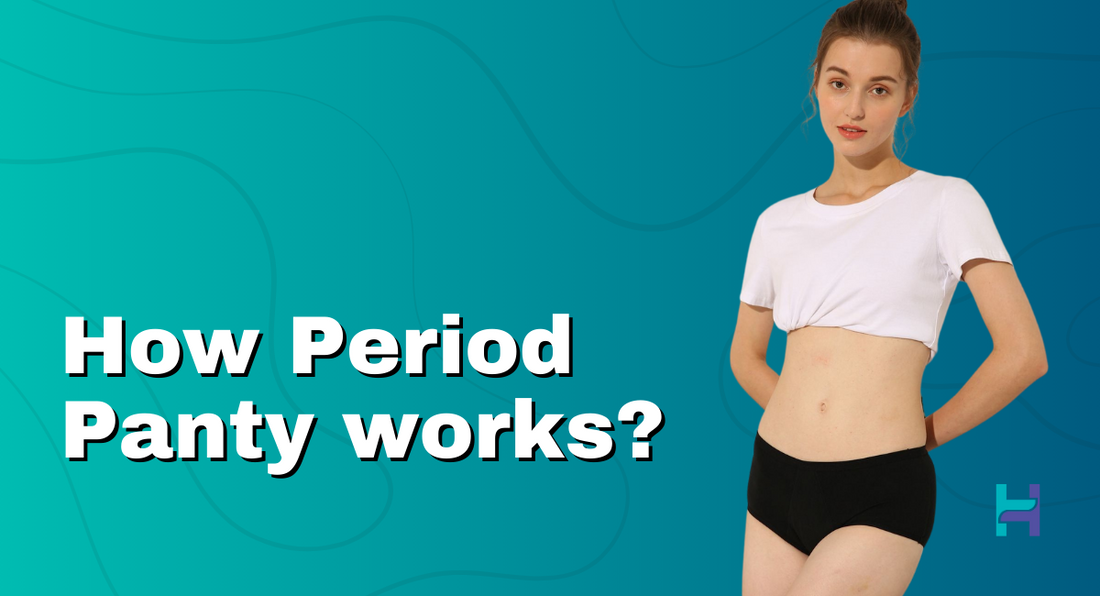
In this blog we explained how period panty works and why you should replace them with your sanitary pads, menstrual cups or tampons
Read More
Key Takeaways: Two periods in one month may be normal or may signal health issues. Causes include hormones, stress, thyroid, fibroids, or medicines. Puberty and perimenopause often bring irregular bleeding. Tracking cycle with apps or diary helps spot patterns early. Frequent double periods should be checked by a gynaecologist. Many women in India notice their periods arriving twice in a month and start worrying if something is wrong. Studies and Indian clinical guidance reports that getting two periods in one month can stem from hormonal changes, stress, thyroid problems, structural causes like fibroids, and other medical factors. In this article, we will explain what causes two periods in one month, when it is normal, and when it needs attention from doctor. Understanding your menstrual pattern helps you stay aware and take care of your reproductive health properly. Understanding your Menstrual Cycle Menstrual cycle is a natural part of woman’s body; it prepares the uterus each month in case pregnancy happen. In most women the cycle length stays between 21 to 35 days, and it is counted from first day of bleeding till the next first day. Inside this period, hormones like estrogen and progesterone keep going up and down, and they are the ones who manage ovulation and also the bleeding phase. Some women may notice their period cycle little shorter, some little longer, but still it is accepted as normal variation. There are also times when stress from daily life, sudden travel plans, illness, or disturbed sleep pattern makes your period come early or late. Such changes do not always mean something serious. But when you understand your own rhythm, you can easily notice if any unusual sign appears. Keeping small record of dates, flow amount, and pain level in a diary or app can help doctor later. This small practice makes easier to detect hidden health issues. What two Periods in a month indicate The indication is not always same for every woman. Menstrual cycle of most women usually follows 21 to 35 days pattern, but in some cases, cycle can become shorter and bleeding may happen twice in one calendar month. This may look unusual but sometimes it is part of normal body changes. Stress from work, sudden travel, change in sleep or diet, all can disturb the hormonal balance and make cycle shorter. For young girls during puberty, or women moving close to menopause, irregular cycles are quite common because their hormones keeps changing rapidly. Even use of birth control pills or emergency contraceptive can trigger extra bleeding in same month. This does not always mean serious issue, but it shows body is adjusting to new hormone levels. Common Causes of two Periods in a month 1. Hormonal imbalance When body hormones like estrogen and progesterone does not stay in balance, then menstrual cycle becomes irregular. This imbalance can make periods come earlier or later, sometimes twice in same month. It is often linked with conditions like PCOS or irregular ovulation. 2. Stress or lifestyle changes Stress has powerful effect on body hormones. Sudden pressure in studies, workload, emotional problems, or even shifting place of living can disturb regularity of cycle. Lifestyle habits like less sleep, poor diet, or no physical activity can also shorten cycle and cause double periods in one month. 3. Birth control or emergency pills Hormonal contraceptives and emergency morning-after pills often disturb body cycle. Because they suddenly increase or decrease hormone level, periods may arrive at unexpected time. Some women may bleed twice in month after using them, but mostly cycle becomes regular again once the body adjusts to medicines. 4. Thyroid disorders Thyroid gland in neck control many body functions including menstruation. When thyroid is overactive or underactive, hormone production becomes abnormal. This can cause heavy bleeding, irregular gaps between cycles, or even two full periods in same month. Medical checkup and blood test is usually needed to find thyroid problem. 5. Uterine fibroids or cysts Fibroids are non-cancerous growths inside uterus, and ovarian cysts are fluid filled sacs. Both can disturb normal cycle. They sometimes create heavier bleeding, painful cramps, and make period appear more than once in a month. Treatment depends on size and symptoms, and doctor advice becomes very important during this situation. 6. Perimenopause or puberty phase Girls who just started menstruating and women close to menopause both face unpredictable cycles. Hormone level rises and falls without fixed pattern, making periods irregular. In such phase, two periods in a month is not uncommon, and usually it settles after some time or once menopause complete. 7. Certain medications or health conditions Medicines for blood thinning, psychiatric illness, or even some antibiotics may affect menstrual cycle. Chronic illnesses like diabetes or sudden weight loss also influence hormones. These factors may cause shorter cycles, spotting or second period in same month. Identifying link between medicine and cycle change needs doctor’s guidance. How to track and monitor your cycle Using period tracking apps In today time, many women prefer using mobile apps for monitoring their cycle. Apps like Maya, Clue, and Period Tracker Period Calendar help to mark dates, symptoms and fertile window. They also give reminders when next period is coming. This digital way is simple and easy to use for busy lifestyle. You can also read our detailed guide on best apps for period tracking for more information. Maintaining a cycle diary Some women still like to write in notebook diary. Recording start date, end date, flow amount and any pain can help you understand pattern. This method is useful when you visit doctor, as you can show exact data without confusion. Signs to note for irregular patterns It is important to notice signs like very short cycles, heavy bleeding, delay in periods due to taking some medication, missed periods or spotting between cycles. Such irregular pattern may indicate hormonal changes or medical problem. Early observation always helps in timely medical advice. Regular tracking keeps you more aware about your reproductive health. 💡 Pro Tip: If you notice two periods in one month more than once, don’t ignore. It may be early sign of hormonal or thyroid issue, better to consult doctor quickly. When to Consult a doctor There are times when irregular periods need medical attention. If you face heavy bleeding with large clots or your periods are coming less than 21 days apart on regular basis, then it is better to seek advice. Unusual pain in lower abdomen, continuous fatigue or weakness along with bleeding also point to possible health issues. Another warning sign is when missed cycles are followed by frequent and unpredictable bleeding. These situations may indicate hormonal disorder, thyroid problem or uterine condition. Consulting a gynaecologist early help in correct diagnosis and prevent complication in long run. Why GoPadFree Period Underwear is perfect during these days Period underwear absorbs more than regular pads, useful if cycle become shorter and bleeding comes twice in month. The Leak proof layers give protection even in heavy flow days or sudden early period. These are reusable for many cycles, so no need to spend extra money when bleeding is frequent. They are made with breathable fabric, reduce chances of rash and discomfort compared to using pads again and again. We have different variants available like Heavy and Ultra, so women can choose as per their flow type. Gopadfree period underwear is easy to wash and use again, helpful for Indian women managing irregular cycles at home. How to manage Irregular Periods naturally? Simple lifestyle choices can help in managing irregular cycles. Eating a balanced diet with more fruits, vegetables, and iron-rich food keeps body healthy. Drinking enough water improve metabolism and prevent fatigue. Regular exercise and proper sleep routine support hormone balance. Stress should be reduced through yoga, meditation or breathing practice. Too much caffeine, packaged snacks and oily foods must be avoided as they disturb digestion and hormones. With consistent healthy habits, many women notice better cycle pattern and improved energy level. Get Your Exclusive 12% OFF – Just for Our Loyal Readers! Enjoy a special discount on your next purchase. Grab your code now before it expires!. Email Address Get Coupon By signing up, you agree our terms of use and acknowledge the data policies in our privacy policy. You may unsubscribe any time! Summary We explored the topic of experiencing two periods within a single month and what it means for women’s health. We looked at how a normal cycle works, and why it sometimes becomes shorter leading to double bleeding episodes. The discussion included both harmless reasons like puberty, perimenopause or lifestyle changes, and medical issues such as thyroid imbalance, fibroids or hormonal disorders. We also highlighted the importance of tracking cycles through apps or diaries, along with knowing the symptoms that need medical care. We would love to know, please let us know your thoughts and experiences in the comments below. References: · Jain, P., Chauhan, A. K., Singh, K., Garg, R., Jain, N., & Singh, R. (2023). Correlation of perceived stress with monthly cyclical changes in the female body. Journal of Family Medicine and Primary Care, 12(11), 2927–2933. https://doi.org/10.4103/jfmpc.jfmpc_874_23 · American College of Obstetricians and Gynecologists. (2021). Your first Period. https://www.acog.org/womens-health/faqs/your-first-period · Office on Women’s Health. (2021). Menstrual Cycle. U.S. Department of Health & Human Services. https://www.womenshealth.gov/menstrual-cycle · Moglia, M. L., Nguyen, H. V., Chyjek, K., Chen, K. T., & Castano, P. M. (2016). Evaluation of Smartphone Menstrual Cycle Tracking Applications Using an Adapted APPLICATIONS Scoring System. Obstetrics & Gynecology, 127(6), 1153–1160. https://doi.org/10.1097/AOG.0000000000001444 · Cleveland Clinic. (2023). Birth Control Pills. https://my.clevelandclinic.org/health/treatments/3977-birth-control-the-pill · MedlinePlus. (2023). Thyroid Diseases. https://medlineplus.gov/thyroiddiseases.html Disclaimer This blog is intended for educational and informational purposes only. It is not a substitute for professional medical advice, diagnosis, or treatment. Always consult a qualified healthcare provider with any questions you may have regarding a medical condition.
Read More
Key Takeaways: Period pain is common but not always normal. Causes range from hormonal changes to conditions like endometriosis. Home care helps, but severe pain needs medical advice. The right products and lifestyle habits can ease discomfort. Do you know that menstrual pain strikes millions of women every month? For some it’s mild, but for others it can become severe period pain that disrupts daily life. Painful cramps stay for a few hours or drag on for several days. Many women come up with the question - Why are periods painful or why period pain varies from women to women. There is not one answer to this as it often depends on fundamental health issues. The main purpose of our blog is to help you understand the types of menstrual pain, their real causes, and the line of treatment that can make you healthy and happy. What is Dysmenorrhea? The medical word for painful periods is dysmenorrhea. The pain during periods is more severe than usual period pain. During this painful period some women have nausea, diarrhoea, or even exhaustion. In many cases, it begins in the lower abdomen and spreads to the legs or back. Period pain that is excessively painful is never normal and often indicates a more serious issue that requires intervention. Types of Dysmenorrhea Doctors usually divide period pain into two categories. Primary dysmenorrhea: Prostaglandin-induced uterine contractions lead to primary dysmenorrhea. The cramps start a day before bleeding and last for first few days of the cycle. Secondary dysmenorrhea: These kinds of painful periods may happen due to endometriosis, fibroids or infections. It is often noticed that these kinds of pain start earlier in the menstrual cycle and last longer days in most cases. For women, both these types of period pain hamper their day-to-day life, but secondary dysmenorrhea requires treatment because it indicates an underlying issue. What causes Painful Periods? The actual reason for menstrual pain is different for each woman. While the primary reason could be Prostaglandins, but other health problems can also make the period worse: 1. Premenstrual syndrome (PMS): The hormonal changes that occur before a woman’s period may cause mood swings, cramps and discomfort. 2. Endometriosis: Here the tissue that should stay inside the uterus grows outside. It builds up. It bleeds. And it causes pain that feels heavier during periods. 3. Fibroids: These are benign masses (Noncancerous growths) in the uterus. But they press on nearby areas. That pressure causes pain and bleeding during periods. 4. Pelvic inflammatory disease (PID): This happens when infection spreads in the reproductive organs. It brings inflammation. It brings cramping too, sometimes very sharp. 5. Adenomyosis: Rare but very painful. The lining in the uterus grows into the muscle wall. This results in swelling, heavy bleeding, and strong cramps each cycle. 6. Cervical stenosis: This is an uncommon medical condition where the cervix narrows and restricts menstrual flow that leads to pressure and cramps during periods. These are some of the reasons for painful periods in women. It often goes almost unnoticeable for others. Extreme period pain is mostly because of one of these causes. Risk factors you should consider Here are the factors that increase the chances of severe pain during periods: Being under 20 years old Early puberty (before age 11) If you have a family history of painful cramps If you have Heavy or irregular bleeding If you smoke regularly If any of these apply to you, then your body may react strongly to menstrual changes. 💡 Pro Tip: Track your period pain patterns. Knowing when cramps start and how long they last makes it easier to find the right relief. Look for these symptoms Period pain usually doesn't come alone. Fatigue, nausea, diarrhoea, dizziness, and sometimes a headache often accompanies alongwith pain. Several women also complain about lower back pain that can last for several days. If your cramps during your periods gets worse or last for longer, there is a high probability that you may be experiencing secondary dysmenorrhea. The best way to understand this is to keep a track of your symptoms, as it may help doctors understand the primary reason much earlier. Try these home remedies and lifestyle tips Women often try to find a solution on how to stop period pain for good, but it sometimes can be more effective to manage than to cure it. There are a lot of home remedies available that lessen pain and help you manage your period pain effectively: Take a hot water bottle or heating pad for relief Exercise regularly (e.g. walking, stretching, or yoga) Drink herbal tea (e.g. ginger, chamomile, or cinnamon) You should eat healthy and balanced meals that include fruits, vegetables, and whole grains Take supplements like magnesium or omega 3 fatty acids and vitamin B1 (We highly recommend you to consult with your doctor before any self-medication) We also suggest you to avoid caffeine and alcohol and eliminate excessive salt. This will also help bring down period cramps. When should you consult a doctor Not every period has warning signs but certain period symptoms require medical care and intervention. We advise you to visit a doctor immediately if you have: 1. Pain that hampers your daily schedule. 2. You notice large blood clots during periods 3. Extreme pain which is not normal during your period cycle. 4. Pelvic pain even when you are not in your periods 5. You have fever or your period smells foul If you have unbearable pain that goes on and on for several months can be warning sign. You should not overlook and visit a doctor immediately. Say goodbye to Period Discomfort Make your periods worry-free with ultra-absorbent, reusable GoPadFree™ period panties. Get them today for your period comfort. Shop Now Diagnosis and test In order to identify any abnormality, your doctor with start with a pelvic and physical exam. Based on his preliminary examination, he may advise MRI, CT scan, or ultrasound. If there are any complications, your doctor may ask you to undergo laparoscopy that will enable him to examine your abdomen closely. Tests and examinations like these often help doctor identify the precise reasons for dysmenorrhea and suggest you the best course of treatment. Final thoughts Menstrual cramps can vary from mild annoyance to agonizing cramps. If you have ever wondered why are period so painful or experienced cramps during periods that seem impossible to bear consult a doctor immediately. There are several ways such as home remedies, medical treatment, and lifestyle modifications. Don't disregard your signs. The sooner you get answers, the sooner you can achieve permanent relief and enhance your quality of life. And as always, we at HealthFab always wish you a happy and healthier periods. Disclaimer This blog is intended for educational and informational purposes only. It is not a substitute for professional medical advice, diagnosis, or treatment. Always consult a qualified healthcare provider with any questions you may have regarding a medical condition.
Read More
Key Takeaways: Black period blood is usually old blood that took longer to leave your body. It’s common at the start or end of your period. Colour changes during your cycle are often normal and based on flow, hormones, and timing. Infections, PCOS, and stress can also affect blood colour. If the blood smells bad, comes with pain, or appears mid-cycle, see a doctor. Noticed black blood during your period? And you’re feeling a bit worried? We get it. It can look strange. It’s not what you expect to see and naturally, it makes you pause. But before you jump to conclusions, take a breath. This change isn’t always a sign that something is wrong. We’ve seen this question come up again and again among friends, in online forums, and even in doctor’s waiting rooms. That’s why we decided to write this blog. We want to talk about what black period blood really means. Not all of it is alarming. Some of it is natural. And yes, sometimes, it may need your attention. We’ll take you through the causes, when to worry, and how to deal with it. Step by step. Why is my period blood black? If you’ve spotted black or dark brown blood during your period, don’t panic. It usually means the blood is old. When your flow slows down, especially at the start or end of your period, blood may sit in the uterus or vagina for longer. This delay allows the blood to oxidize, turning it from red to brown or black. Oxidation is simply a reaction that happens when blood is exposed to air. Just like how a banana turns brown when left out, menstrual blood darkens over time. According to Healthline, black period blood is often a normal part of your cycle and not usually a cause for concern. But if it comes with a foul smell, itching, or large clots, you may want to talk to your doctor. It’s about knowing what’s usual for your body. 7 common causes of black blood during periods Old Blood Flow End of the Period Delayed Shedding or Light Flow Hormonal Imbalance Birth Control or IUD Effects Infection or STI Miscarriage or Implantation Bleeding Let’s break down these most common reasons one by one. Old blood flow: When blood stays in your uterus or vagina longer, it turns darker. This happens when the flow is light or slow. Air exposure causes oxidation, which turns red blood to brown or black. It’s usually harmless. End of the Period: Toward the end of your cycle, the flow slows down. The body clears out leftover blood and tissue. This old blood often comes out looking dark brown or black. It’s your body wrapping things up. Delayed shedding or Light flow: Some women experience slower uterine shedding. This delay gives blood time to change colour before it exits. You may also see black blood if your flow is naturally light. The slower the exit, the darker it appears. Hormonal Imbalance: Your hormones control how the uterine lining builds and sheds. If estrogen and progesterone are out of sync, your cycle may slow down. This can delay bleeding, which makes blood look darker. According to the Cleveland Clinic (2024), hormone issues like PCOS or thyroid problems can affect the timing of your period. If your cycles are irregular or change suddenly, get your hormone levels checked. Birth Control or IUD Effects: Hormonal birth control can thin your uterine lining. That means less bleeding, and often darker discharge. IUDs may also change how your body sheds the lining. Black blood isn’t uncommon, especially during adjustment periods. If it keeps happening or feels off, talk to your doctor. Infection or STI: Sometimes black blood points to infection. If it smells bad, feels itchy, or comes with pain, don’t ignore it. Infections like bacterial vaginosis or STIs (e.g., gonorrhoea) can affect vaginal discharge. A 2024 update from the CDC warns that untreated STIs can lead to complications. So, if your period blood smells strong or feels wrong, book a test. Miscarriage or implantation bleeding: Black blood can appear after a very early miscarriage or during implantation. This usually shows up as spotting. You might not even know you were pregnant. If it’s paired with cramping or heavy bleeding, see a doctor. Better to be sure. Period blood colours and what they mean Your period blood doesn’t stay the same colour every day, and that’s normal. It changes based on the flow, how long the blood stays in your uterus or vagina, and your overall health. Here’s what different colours usually mean: Bright Red Blood This is fresh blood. You’ll often see it on the first or second day when your flow is at its heaviest. Dark Red Period blood This blood has had time to oxidize slightly. It often shows up during sleep or toward the end of your flow. Brown period blood This is old blood leaving your body. You might notice it at the beginning or end of your period, and it's usually not a cause for concern. Pink blood Pink period blood is often a mix of blood and cervical fluid. It can appear with light flow, spotting, or after exercise. Low estrogen levels may also cause this. Orange coloured blood This may happen when blood mixes with cervical fluid or if there's a possible infection. If it’s also foul-smelling or you have itching, talk to a doctor. 💡 Pro Tip: Track your period every month. It helps you stay in control of your health if you notice any early changes. What affects the colour? Flow speed: Faster flow = brighter red Time inside the body: Longer = darker or brown Hormone levels: Low estrogen can cause pink discharge Infections or STIs: May affect colour and smell Diet and exercise: Can cause lighter or delayed bleeding Remember, your period is a form of communication from your body! Don't doubt your instinct. If it feels off, say something. Say goodbye to Period Discomfort Make your periods worry-free with ultra-absorbent, reusable GoPadFree™ period panties. Get them today for your period comfort. Shop Now When to contact a doctor? Most of the time, black blood during your period isn’t serious. It’s often just old blood leaving your body at a slower pace. But some signs need more attention. If black discharge shows up outside your period, smells foul, or comes with pain or itching, your body may be signalling a problem. This could mean an infection, a hormonal issue, or something that needs a closer look. Don’t ignore it if: You feel sharp cramps or pelvic pain The blood smells strong or unpleasant You notice itching, burning, or swelling Black discharge appears mid-cycle You see large or frequent clots Your periods suddenly change in pattern or flow These symptoms don’t always mean something serious. But they’re worth checking. If you're unsure or feel uncomfortable, talk to a gynaecologist. A simple test or scan can often rule things out quickly. Final thoughts Black period blood may look alarming, but in most cases, it’s completely normal. It usually means older blood is taking its time to leave your body. But if you notice a foul smell, itching, pain, or black discharge mid-cycle, it’s best to talk to a doctor. We hope you found this blog useful and learned something about what black period blood can mean. If you already have this experience, you are welcome to share your story in the comments, it may help other women too. Get Your Exclusive 12% OFF – Just for Our Loyal Readers! Enjoy a special discount on your next purchase. Grab your code now before it expires!. Email Address Get Coupon By signing up, you agree our terms of use and acknowledge the data policies in our privacy policy. You may unscubscribe any time! Frequently asked questions Q. What colour is unhealthy period blood? Unhealthy blood may look grey, bright orange, or greenish. If it smells bad or comes with itching or pain, see a doctor. These signs may point to infection or other issues. Q. Does black period mean pregnancy? No, black period blood doesn’t mean you’re pregnant. It usually means the blood is old and took longer to leave your body. It’s common at the start or end of your period. Q. Can period blood be any colour? Yes, it can be red, brown, black, pink, or even orange. The colour depends on flow, hormones, and how long blood stays in the body. Most colour changes are normal. Q. Can PCOS cause black discharge? Yes, PCOS can delay periods. That delay may cause blood to darken before it leaves your body. It’s not unusual to see black or brown discharge in such cases. Q. Can stress affect period blood colour? Yes. Stress can delay ovulation and your period. Delayed periods may cause darker blood, often brown or black. Q. Is watery period blood normal? Yes, it can happen. Watery blood often means lighter flow or low iron. But if it lasts long or looks unusual, talk to a doctor. Disclaimer This blog is intended for educational and informational purposes only. It is not a substitute for professional medical advice, diagnosis, or treatment. Always consult a qualified doctor with any questions you may have regarding a medical condition.
Read More
Key Takeaways: Premenstrual spotting is light bleeding before your period starts. Hormonal imbalances, stress, and PCOS are common causes. You can reduce spotting by managing stress, eating well, and tracking your cycle. Natural remedies work for many, but consult a doctor if spotting continues. Know the signs when it’s time to worry and act early. Spotting means small amount of blood or brown discharge that comes few days before actual period start. Some women see it as normal, others feel worried if something is wrong with their health. The truth is spotting can have many reasons, from simple hormone changes to medical conditions that need attention. By the end of this blog, you will understand what premenstrual spotting is, why it occurs, and when it is important to see a doctor. We will explain in clear way so you can know your body better and take right care. What is Spotting? Spotting is when you notice small drops or streaks of blood before your actual period starts. It is usually very light, sometimes only when you wipe or a faint stain on underwear. It can be pink, red, or even brown in colour. Many women get confused if this is period starting early, but it is not the same. Menstrual bleeding is different. Your regular period means steady flow that last for 3 to 7 days. You usually need a menstrual underwear during that time. But spotting is so little that most time you don’t need anything extra. It may last just for one day or few hours and then stop. Both spotting and bleeding are part of menstrual health, but they are not exactly same. You can think like this: spotting is a drop here and there, menstrual bleeding is steady flow. Both are normal body processes, but knowing the difference help you understand if what you are seeing is early sign of period or actual period starting. What is the reason for Premenstrual spotting? Your body sends signals before your period starts. Spotting is one of them. But why does it happen? Premenstrual spotting isn’t random. It’s your body reacting to changes—some natural, some not. Let’s look at the most common causes. Low progesterone Ovulation bleeding Birth control pills Polycystic Ovary Syndrome or PCOS Thyroid imbalance STIs or vaginal infections Extreme stress or intense workouts 1. Low Progesterone After ovulation, your body releases progesterone. This hormone is responsible for holding the uterine lining in place. When the levels of progesterone drop too early, the lining starts to break down. That causes spotting before your period. Low progesterone levels in your body affects you more than your monthly cycle. You really feel tired, moody, or bloated. Some of the common signs also include breast tenderness, poor sleep, and anxiety. A lot of women fail to pay attention and miss these early signals. But monthly spotting before your period can point to low progesterone. You can get a simple blood test done to confirm it. With modern treatment, you can restore balance and reduce spotting. 2. Ovulation Bleeding Ovulation happens during the middle of your monthly cycle. When the egg gets released, hormone levels swing quickly. This sudden change can cause light bleeding or spotting. The blood is usually pink or light brown. It lasts for a day or two. Some women also feel mild cramps or notice clear stretchy discharge. This type of spotting is harmless. But if it happens just close to your period, it can cause a lot of confusion. If you track your cycle, it helps you know if it’s linked to ovulation or not. 3. Birth control tablets Do you know that birth control tablets also change your hormone levels? Yes – these pills do. Your body needs time to adjust. And in this phase, (be ready for the surprise!) you may notice spotting before your period. This is common in the first three months. The bleeding is generally light and stops on its own. Skipping pills or taking them late can also trigger spotting. If you notice this indicator continuing for months, you should visit a doctor for a check-up. 4. PCOS (Polycystic Ovary Syndrome) Spotting before your period? PCOS could be the reason. PCOS is a hormonal disorder that affects how your ovaries work. It can stop ovulation or delay it, triggering irregular cycles and unexpected spotting. Your body starts to produce extra androgens, which disrupt the hormonal balance needed for a healthy menstrual cycle. Common signs of PCOS include: Irregular periods Facial hair or acne Weight gain Thinning hair Dark patches on skin If you notice your body signalling any of these with spotting, we would recommend you talk to your doctor. 💡 Pro Tip: Track your spotting days separately from your period in a cycle app. This helps you notice patterns early and gives your doctor better insights if needed. 5. Thyroid Imbalance Your thyroid controls many body functions, including your menstrual cycle. When it doesn’t work properly, hormone levels go out of sync. This can lead to premenstrual spotting. Both underactive and overactive thyroids can affect bleeding patterns. Feeling tired, gaining or losing weight, or hair thinning are few common symptoms. Some women even feel cold all the time or face mood swings. If you have these signs along with spotting, ask your doctor for a thyroid test. It’s quick and can explain a lot. 6. STIs or Vaginal infections Sexually transmitted infections or vaginal infections can irritate your cervix. This can result in spotting that is light, and usually occurs before or after your period. You might also feel some itching, notice a bad smell, or see unusual discharge. If you notice and observe these signs, get checked immediately. 7. Extreme Stress or Intense Workouts Your body feels every bit of stress you take on. When stress builds, it affects hormone levels. That shift can cause spotting. Heavy workouts do the same. They push your body too hard and disrupt ovulation. The result? Irregular bleeding and unexpected spotting. Keep an eye on these signs: Missed periods Constant fatigue Trouble sleeping Mood swings Sudden weight loss We recommend you to manage your stress level and avoid overtraining to keep your cycle steady. Spotting vs. Period? How to differentiate Spotting and periods are not the same. Knowing the difference helps you track your cycle better. Here are a few ways you can tell: Duration: Spotting lasts 1–2 days. Periods last 4–7 days. Colour: Spotting is light brown or pink. Period blood is red. Flow level: Spotting is light. Periods have a steady flow. Symptoms: Spotting generally comes without causing any cramps. Periods often carry pain, bloating, and mood changes. How doctors investigate Spotting If spotting is happening often and you feel worried, doctor can help to find the reason. First, they will ask you many questions about your cycle – like when spotting happens, how long it last, and if you have pain or other symptoms. They may also ask about your medical history, stress, medicines, or family health problems. Next step can be physical examination. Doctor may do pelvic exam to check uterus and cervix. Sometimes they suggest ultrasound scan, which show if there are fibroids, polyps or any changes inside uterus. Blood tests are also common to see hormone levels, thyroid function, or if you have anemia. In some cases, doctor may do Pap smear or other small test to rule out infection or cervical problems. Don’t feel scared, these tests are routine and help to understand body better. Remember, spotting is not always serious, but proper diagnosis gives peace of mind. What are the treatment options for spotting? Treatment depends on the cause. If hormones are the problem, your doctor may suggest birth control or progesterone supplements. For PCOS or thyroid issues, treating the root condition helps. If you have any infections, then you need antibiotics. If stress triggers spotting, lifestyle changes work best. Alternatively, you may try the following: Herbal teas like green tea or chamomile tea Iron-rich foods Gentle exercise and sleep balance When should you be worried? Spotting now and then is usually harmless. But if it lasts more than three days, happens after sex, or appears with pain, fatigue, or unusual discharge, you should not ignore it anymore. These are the signs that may point to infections, fibroids, thyroid issues, or even early pregnancy problems. If spotting becomes regular or if it disrupts your day-to-day routine, it’s time to see a doctor. Early checks can help you catch serious conditions before they grow worse. Get Your Exclusive 12% OFF – Just for Our Loyal Readers! Enjoy a special discount on your next purchase. Grab your code now before it expires!. Email Address Get Coupon By signing up, you agree our terms of use and acknowledge the data policies in our privacy policy. You may unscubscribe any time! Summary Premenstrual spotting is common. It generally occurs a few days before your period. Hormonal changes, stress, or health issues can trigger spotting. It is lighter and shorter than a regular period. You can reduce it by handling your stress, eating well balanced diet, and by tracking your period cycle. Treatment varies and usually depends on the root cause. Natural remedies help in some cases. However, we recommend you keep a watch for unusual symptoms and don’t ignore repeated spotting. Talk to a doctor if it happens often. Frequently asked questions (FAQs) Q. Is it normal to have spotting before period? Yes, it’s normal for many women to spot before their period. When the condition persists beyond three days or appears following each cycle, consulting your doctor becomes necessary. Q. How to stop spotting immediately? You can’t always stop spotting on the spot, but you can manage it. We recommend you try to rest, eat iron-rich foods, and reduce stress. Q. Is spotting considered first day of period? No, spotting isn’t counted as day one of your period. Your menstruation begins when the blood flow becomes sufficiently consistent. Your menstrual cycle does not start with light brown or pink spotting. Q. How many days of spotting is okay? The occurrence of spotting for one to two days generally poses no issues. When the condition persists beyond three days or appears following each cycle, consulting your doctor becomes necessary. References: Dasharathy SS, Mumford SL, Pollack AZ, Perkins NJ, Mattison DR, Wactawski-Wende J, Schisterman EF. Menstrual bleeding patterns among regularly menstruating women. Am J Epidemiol. 2012 Mar 15;175(6):536-45. doi: 10.1093/aje/kwr356. Epub 2012 Feb 20. PMID: 22350580; PMCID: PMC3299419. - https://pmc.ncbi.nlm.nih.gov/articles/PMC3299419/ Abnormal uterine bleeding patterns determined through menstrual tracking among participants in the Apple Women’s Health Study - https://www.ajog.org/article/S0002-9378(22)00839-0/fulltext Crawford NM, Pritchard DA, Herring AH, Steiner AZ. Prospective evaluation of the impact of intermenstrual bleeding on natural fertility. Fertil Steril. 2016 May;105(5):1294-1300. doi: 10.1016/j.fertnstert.2016.01.015. Epub 2016 Jan 25. PMID: 26820771; PMCID: PMC4853238. - https://pmc.ncbi.nlm.nih.gov/articles/PMC4853238/ Disclaimer This blog is intended for educational and informational purposes only. It is not a substitute for professional medical advice, diagnosis, or treatment. Always consult a qualified healthcare provider with any questions you may have regarding a medical condition.
Read More
Key Takeaways: Yes, fever can lead to delay in your period by 3-7 days (sometimes up to 2 weeks) as your body prioritizes fighting infection over the menstrual cycle Illness disrupts your hormone balance through the hypothalamus, affecting when you ovulate Stress, poor sleep, and dehydration during sickness add to delays Your body naturally resolves most delays as you recover Visit a doctor if your period runs over 14 days late or delays happen frequently You wait for your period, but it doesn’t come. You had a fever last week. Now your period is late. This can feel confusing, especially if your cycle is usually regular. The question comes up - can fever cause a delay in periods or change period dates often? Yes, it can. When you have a fever, your body goes into repair mode. It focuses all its energy on fighting the infection. As a result, other systems like the menstrual cycle slow down. This can cause your period to come late or sometimes even skip a cycle. Your body treats fever as a form of stress. That stress impacts the brain, especially the part that controls your hormones. Once that balance is disturbed, your cycle gets delayed. This delay is common and usually nothing to worry about. Most women will notice their period arrive once the fever passes and the body recovers. Fever affects hormones that control your cycle Your period depends on a delicate balance of hormones. These hormones are controlled by the hypothalamus, a part of your brain. When you get a fever, the hypothalamus gets affected. It may stop sending signals on time. This can delay ovulation. If ovulation is delayed, your period will also get pushed forward. Fever is not the only factor here. Poor sleep, loss of appetite, dehydration, and general weakness after illness, all add to the problem. Your body puts reproduction on hold while it heals. That’s why periods often get delayed after fever or any serious illness. You may notice other changes too. Your period may come with less flow, or more pain, or arrive unexpectedly. These are signs that your hormones are still settling. Usually, everything returns to normal within one or two cycles. A large population-based study found that younger women with asthma and allergies are more likely to experience irregular periods. Researchers followed 6,137 women aged 26–54 across five European countries and found a clear link between asthma, hay fever, and menstrual irregularities—especially in women under 42. Fever and your menstrual cycle It’s been over a week, and your period is still missing. You feel bloated, tired, and worried. This delay makes you anxious. You start checking your dates again and again. You try to remember if you missed anything. Your body feels fine now, but your cycle hasn’t caught up. This situation is stressful. And stress can delay your period even further. It becomes a loop. First, the fever delays your cycle. Then, your stress adds to the delay. You feel stuck. What you need now is clarity. You want to know how long this can go on. You also want to know when it’s time to worry. The good news is that short-term delays are normal. But if it continues, you must act. 💡 Pro Tip: If you’ve had a high fever recently and your period is late, don’t panic. Wait a week, then take a test or consult your doctor if it doesn’t start. How long can fever delay periods? In most cases, fever delays your period by 3 to 7 days. Sometimes, it can stretch to two full weeks. The exact delay depends on how strong the fever was and how quickly you recovered. A high-grade fever or viral infection can throw off your cycle more than a mild one. Even after the fever goes away, your body takes time to regain balance. Hormone levels don’t return to normal overnight. That’s why your cycle may still feel off in the weeks that follow. If your period hasn’t started even after 14 days, take a pregnancy test, especially if you’re sexually active. If the result is negative and your cycle is still missing, talk to a doctor. Long-term irregular periods could point to thyroid issues, PCOS, or other hormone problems. Other reasons your period might be late Fever isn’t the only thing that can delay your period. Here are a few things that can affect your hormones. Stress Poor sleep Travel Weight changes PCOS Thyroid issues New medicines Pregnancy Your body reacts to every change. Sometimes, new medications — especially steroids or antibiotics — can also affect the cycle. And of course, pregnancy is always a possibility if you’re sexually active. That’s why it’s important to track your cycle regularly. When you do that, you’ll know what’s normal for your body and what’s not. A one-time delay is okay. But if it becomes frequent, you need to look deeper. Get Your Exclusive 12% OFF – Just for Our Loyal Readers! Enjoy a special discount on your next purchase. Grab your code now before it expires!. Email Address Get Coupon By signing up, you agree our terms of use and acknowledge the data policies in our privacy policy. You may unscubscribe any time! How to handle a late period after fever Start by giving your body time. Focus on rest, hydration, and nutrition. Your body needs to recover, and your hormones need to reset. Don't panic if your period is a week late after a fever. This is common and usually harmless. If you’ve had unprotected sex, take a pregnancy test after a week’s delay. If it’s negative, wait another few days. Still no period? Then it’s time to see your doctor. Avoid taking pills to force your period unless prescribed. Doing so can disturb your hormones further. Instead, wait for your body to heal naturally. Eat healthy foods, get 7–8 hours of sleep, and avoid stress. If delays keep happening month after month, ask your doctor for a hormone check or a thyroid test. Early treatment can prevent long-term issues. Also Read: Can Infections delay periods? Summary Fever stresses your body. It shifts energy away from reproduction and focuses on healing. This can delay your periods. Most delays last a few days to two weeks. They usually fix themselves once your body recovers. But always stay alert. Track your period every month. Know your cycle. If your period delays often or skips completely, get medical advice. Don’t ignore what your body is telling you. Your menstrual cycle is a sign of your overall health. Listen to it. Frequently asked questions Q. Can Fever delay your period? Yes, fever can delay your period. Fever puts stress on your body. This stress affects hormone signals from the brain. It delays ovulation. When ovulation gets delayed, your period comes late. Q. How late Is too late for a period? A period is too late if it’s over 14 days late. Take a pregnancy test if you’re sexually active. If the test is negative, talk to a doctor. Repeated delays may signal hormone issues or medical conditions like PCOS or thyroid problems. Q. Does cold and flu affect your period? Yes, cold and flu can affect your period. Your body sees illness as stress. This stress can disturb hormone levels. It may delay ovulation or change your period flow. Your cycle usually returns to normal after recovery. References Baker, F. C., Siboza, F., & Fuller, A. (2020). Temperature regulation in women: Effects of the menstrual cycle. Temperature (Austin), 7(3), 226-262. https://doi.org/10.1080/23328940.2020.1735927 Available from - https://pubmed.ncbi.nlm.nih.gov/33123618/ Svanes C, Real FG, Gislason T, Jansson C, Jögi R, Norrman E, Nyström L, Torén K, Omenaas E. Association of asthma and hay fever with irregular menstruation. Thorax. 2005 Jun;60(6):445-50. doi: 10.1136/thx.2004.032615. PMID: 15923242; PMCID: PMC1747439. Available from - https://pubmed.ncbi.nlm.nih.gov/15923242/
Read More
Did you ever feel nervous or uncertain while on your period, particularly when you were new to all of these? Whether you're a teenager experiencing the first cycle or a woman with a hectic day, period anxiety can eat away your confidence. But suppose there was something that could help you feel safer, more comfortable, and in charge? In this blog post, we’ll explore how period panties do more than protect—they actually empower. By the end, you’ll see how they can help build confidence at every stage of life. Why are Period Panties so empowering? The difference between period panties and traditional products is that period panties feel similar to traditional underwear, so there is no clinical aspect that draws attention to your cycle. They are soft, stylish and discreet, allowing you to go about your day with confidence without worrying about second-guessing your every move! The normalcy aspect is psychologically empowering and can build your confidence throughout the cycle. Think of those moments you were preoccupied with wondering about leaks during an important meeting, or at the gym trying to exercise. Period panties lessen these worries, so you can focus on what you want to focus on. They provide comfort, breathable fabric, while providing the protection you need. What I find most liberating is how period underwear is suited for your flow. If you experience light spotting or heavier flowing days, you still would be able to find options specifically designed for your needs. You're not stuck with the one-size-fits-all products that might not work for your you or your own lifestyle. Also read: Period Panty guide Period panty is a game changer for beginners Having a period is a big deal for young girls—and often comes with associated cramps and confusion. Period panties are a welcoming and non-threatening entryway to managing your period. You don't have to read complicated instructions or worry about lines, just put on a pair of hinged, happy familiar clothing that gets the job done and feels less overwhelming. You do not need to struggle with complex products in a school bathroom or worry about leaks during gym class, when you are just starting out with your period, the last thing you need is the added stress of managing a period. With period panties you can confidently move on doing the things that matter–like being a teen—without worrying about managing your period. What makes period panties so useful for someone just starting out with their period is their simplicity. You put them on just like a regular pair of underwear--No other instructions to remember! They are made to take into account those early, unpredictable cycles. The first cycles can be hard because you are also learning your flow, but period panties are made to work overnight, when leaks are common. Parents like them too—fewer embarrassing stains on sheets and clothes, and one less worry as they hand hold their kids through this life transition. Great for first periods: No insertion required Easy to use day or night Washable and reusable Tip: Keep a clean pair in your school bag for unexpected first periods or sudden flow changes! Important, quick-hitting benefits for someone just starting out: You don't have to insert anything. They are simple to use day or night. They are machine-washable and reusable. Also read: How period panty actually works Helpful for busy women Even as grown women, many of us hold onto period anxiety, like when we are navigating a busy schedule, traveling, or undertaking exercise. Period panties are providing women the comfort of control and freedom! There is less reason to rush to the bathroom to change a pad, less worry about being "caught out" without proper back up supplies, and no worry about stains being visible. The relief for many is worth its weight in gold. When leading a presentation, on a long-haul flight, or pushing your limits in a new fitness class, period panties welcome wearers without a reminder or worry each time. There is always one less thing to worry about. Therefore, you can stay mentally present, and focus on your task, project, travel or fitness goal/pursuit, rather than the timing of your cycle. Confidence grows over time With more women and girls wearing period panties, they find their comfort and confidence increases each cycle. Each cycle is less of a time of fear, but more of a time of flow - both literally and emotionally. It's not just about changing the product you are wearing, but a change of mindset. Your confidence builds quietly in the background, until eventually it becomes your new normal. Each day you have successfully worn period underwear; you are reprogramming some old anxieties. Think about the first time you wore them to an important event. Or how brave you were the first time you trusted them at night! Those small victories all count. You will look at your period differently, now that you regard it as simply another aspect of your natural rhythm - acknowledged, but no longer feared. Get Your Exclusive 12% OFF – Just for Our Loyal Readers! Enjoy a special discount on your next purchase. Grab your code now before it expires!. Email Address Get Coupon By signing up, you agree our terms of use and acknowledge the data policies in our privacy policy. You may unscubscribe any time! Finally - A small change that matters Confidence while on your period doesn't have to be a special rarity; it can be the norm. Period panties do more than help with protection; they also provide peace, comfort, and ultimately self-reclamation. This goes beyond just the tangibles, because when you reclaim the days spent worrying about your period, you actually reclaim time and headspace. You show yourself that your comfort matters. The journey to period confidence starts with some easy choices; period panties are just one of those choices—a little change that can have a big impact on your experience and empowerment of an essential aspect of your life.
Read More
We often get asked in our comments section and across our social media platforms about sustainable menstrual products. HealthFab's GoPadFree Period Panties stand at the forefront of this movement, offering comfort, reliability, and eco-conscious options for menstruators everywhere. While many of our readers are making the switch, there's still much about these innovative garments that doesn't make it into everyday conversation. We're here to reveal the complete picture—what you should know before and after investing in these new-fashioned undergarments. 1. Getting started is easier than you think Transitioning to HealthFab's GoPadFree Period Panties isn't just a product switch—it's a lifestyle adjustment. Most users report feeling fully confident with their period panties after about three cycles. The absorbent layers work differently than traditional products, and understanding how they interact with your unique flow takes time. At HealthFab, we're so confident in our product's performance that we don't recommend any backup protection—our GoPadFree technology provides complete coverage from day one. This unparalleled reliability is why 94% of users report and reviewed that they would never go back to disposable products after experiencing the freedom our period panties provide. 2. Easy on your wallet At first glance, the initial investment in quality reusable period panty options might seem steep compared to a single pack of disposables. However, the math tells a different story when you consider the long-term economics. A set of HealthFab GoPadFree panties lasts about two years with proper care, eliminating the need for monthly purchases of disposable products. We've calculated that most users reach their break-even point within the first 5-6 months, with everything afterward representing pure savings. For an average menstruator, this translates to significant cost reduction over the product lifetime—not including the money saved on pharmacy runs and backup products. Factor in the reduced environmental impact and the premium comfort, and the value equation becomes awesomely favourable for reusable options. 3. Keeping them fresh and simple Let's talk practicality. Maintaining your GoPadFree panties is straightforward but requires consistency. A quick cold rinse immediately after use, followed by a regular machine wash (no fabric softener), preserves their absorbency. HealthFab’s reusable period panty prevents odours and staining. The antimicrobial properties of the fabric mean they stay fresher longer than you might expect, even before washing. 4. They can handle your flow HealthFab’s panties offer impressive absorption—their heavy variant holds up to four tampons' worth of fluid. However, we all have unique flow patterns. On extremely heavy days, especially overnight, you might need to change them mid-day or pair with another product. The good news is that GoPadFree designs include overflow protection that prevents leaks even when capacity is reached, giving you vital reaction time that disposables often don't provide. 5. Planet-Friendly beyond the basics While the eco-benefits of eliminating disposable product waste are obvious, HealthFab takes environmental responsibility further. Their manufacturing process uses 60% less water than conventional underwear production. The organic cotton outer layers are sustainably sourced, and even their packaging is plastic-free. We appreciate that washing does consume water, but studies confirm the water footprint remains significantly lower than disposable production over the product lifecycle. 6. They get better with time One surprise many users report is how HealthFab's period panties actually become more comfortable over time. The first few wears and washes help the fabric conform to your unique shape. After about 5-7 washes, the moisture-wicking layers reach peak performance. We've found that unlike some competitors, GoPadFree panties maintain their elasticity exceptionally well, avoiding the saggy feeling that can develop with repeated washing. The proprietary blend of materials prevents the stiffness that some reusable products develop after multiple cycles. 7. Talking about them gets easier Discussing period products with housemates, partners, or family members can feel awkward at first. HealthFab includes a discreet laundry bag that makes washing and drying less conspicuous in shared living situations. We suggest normalizing the conversation by highlighting the innovative technology rather than the function—most people respond with genuine curiosity about the sustainable design. Many customers report their partners or roommates becoming advocates after understanding the benefits of the product. Also read: How to support your partner during Periods 8. Unique Features makes a lot of difference What truly distinguishes HealthFab from competitors is their proprietary absorption technology. The front and back provide extra protection where most leaks occur, while the central zone offers maximum absorbency. The breathable moisture barrier prevents the clammy feeling often associated with period products. Their odour-neutralizing layer (completely safe for sensitive skin) eliminates bacteria that cause odours and other harmful diseases like TSS—addressing a concern many people hesitate to discuss but greatly appreciate solving. For those prone to menstrual discomfort, these features pair wonderfully with our pain relief cream for period pain to create a comprehensive comfort system. 9. Finding your perfect fit Period underwear isn't one-size-fits-all in functionality, even when the sizing is correct. GoPadFree stands out by offering specialized designs for different flow patterns and body shapes. Their unique fit provides additional coverage for side sleepers, while the Heavy variant works well for those with lighter flows. We've found that the high-waisted design offers exceptional security for active users. HealthFab's size range is truly inclusive, from XS to 4XL, with plans to expand further in their next collection. 10. They are built to last With proper care, HealthFab's GoPadFree panties maintain peak performance for approximately 50-60 washes. This typically translates to about two years of regular use. The elastic components usually outlast the absorbent technology. Smart users rotate between several pairs to extend the lifespan of their collection. Get Your Exclusive 12% OFF – Just for Our Loyal Readers! Enjoy a special discount on your next purchase. Grab your code now before it expires!. Email Address Get Coupon By signing up, you agree our terms of use and acknowledge the data policies in our privacy policy. You may unscubscribe any time! Final Thoughts Switching to HealthFab’s GoPadFree Period Panties is not just a product switcher—it’s a lifestyle upgrade for you, your wallet, and the planet. Although there will be a learning process, in the long run, the benefits outshine the learning curve. We believe that knowing what both the challenges and benefits are helps empower everyone make informed decisions about menstrual care options. Have you switched to reusable period products? Let us know how you get on in the comments!
Read More
Period pain is something most of us have dealt with. Some manage it, while others struggle with severe cramps that disrupt daily life. In India, where our schedules are packed with work, family, and responsibilities, we need quick and reliable relief. That’s why we at HealthFab created GoPainFree Instant Period Pain Relief Cream. It works fast, is safe, and helps you get back to your day without discomfort. Women across India trust it, and so can you! Reasons why women trust GoPainFree Let us explore the reasons why GoPainFree has become a trusted companion for women seeking relief from menstrual pain. GoPainFree provides instant and effective relief When cramps strike, relief can’t wait. Unlike pills that take time to work, GoPainFree absorbs through the skin for instant action. It directly targets pain and soothes discomfort within minutes. Quick absorption Fast pain relief No need for water for popping, or waiting Simply apply a small amount, massage gently, and let the natural ingredients do their job. Within moments, you’ll feel a comforting warmth easing your cramps. It’s a hassle-free way to stay active and pain-free during your periods! Also read: These foods can help ease your period cramps GoPainFree acts as a natural period pain remedy We believe in natural care, and GoPainFree reflects that. Made with herbal extracts, it harnesses the power of nature to relieve menstrual cramps. Many women seek alternatives to synthetic drugs, and GoPainFree provides a gentle yet powerful solution. Free from harmful chemicals Made with trusted herbal ingredients Safe for regular use With no artificial additives, GoPainFree is designed for daily comfort without any risks. You can apply it whenever needed, knowing that it won’t harm your body. It is quick and convenient to use GoPainFree is designed with the modern woman's lifestyle in mind, offering unparalleled convenience for instant period pain relief. Its unique formulation allows for immediate application without any complicated preparation. Unlike traditional pain relief methods, you don't need water, special equipment, or extended application time. Simply squeeze a small amount of the cream and directly apply it to the areas experiencing discomfort – whether you're in the office, traveling, or relaxing at home. The fast-absorbing formula ensures rapid penetration, providing quick relief within minutes. Its compact, portable packaging makes it easy to carry in your purse, work bag, or travel kit. No messy process, no waiting around, and no interruption to your daily routine. GoPainFree understands that your life doesn't pause for period pain, so we've created a solution that works as quickly and efficiently as you do. Also read: Try these Period hacks for your next travel Safe, natural, and no side-effects Oral painkillers often cause digestive issues, drowsiness, or hormonal imbalances. GoPainFree is different because it works externally. Since it’s a topical cream, it doesn’t affect your stomach, liver, or hormones. With thousands of satisfied users, GoPainFree is trusted by women across India. It’s a relief solution you can count on, without worrying about unwanted reactions. Just apply and experience natural, effective comfort! Get Your Exclusive 12% OFF – Just for Our Loyal Readers! Enjoy a special discount on your next purchase. Grab your code now before it expires!. Email Address Get Coupon By signing up, you agree our terms of use and acknowledge the data policies in our privacy policy. You may unscubscribe any time! Other ways to relieve period pain Start by using over-the-counter NSAIDs like ibuprofen to help reduce cramping. Applying heat is also effective; you can use a heating pad or warm compress on your abdomen to relax muscles and ease the pain. Taking a warm bath can further help by soothing sore muscles. Explore alternative methods such as acupressure, which involves applying pressure to specific points on the body to naturally reduce cramps. Aromatherapy is another option; using essential oils such as lavender or peppermint during a massage can help relieve tension and reduce the sensation of pain. Pay attention to your diet as well. Eating foods that have anti-inflammatory properties, like fruits, vegetables, and whole grains, can help minimize discomfort. By trying these various methods, you can find effective ways to manage period pain that work best for you. GoPainFree Product Frequently Asked Questions (FAQ) Q: Does GoPainFree feel sticky and smelly? No, GoPainFree is carefully formulated to provide a comfortable user experience. The product has a non-sticky formula that absorbs quickly into the skin, leaving no residual greasiness. Unlike many pain relief products that have strong, medicinal odours, GoPainFree features a mild, soothing scent derived from its natural essential oils. This gentle fragrance provides a pleasant and calming sensory experience while delivering targeted pain relief. Q: Can teens and young women use GoPainFree? Absolutely! GoPainFree is designed to be safe and effective for individuals of all age groups, from teenagers to young women. The product's natural composition and gentle formulation make it suitable for young adults experiencing muscular aches, sports-related strains, or everyday discomfort. However, as with any topical product, we recommend consulting a healthcare professional for specific individual concerns, especially for individuals with sensitive skin or pre-existing medical conditions. Q: Are there any side effects with GoPainFree? GoPainFree is crafted to minimize side effects. It contains no harmful chemicals. It is paraben-free. It is hypoallergenic. It has no artificial preservatives. It uses natural, skin-friendly ingredients. While side effects are rare, some users may experience mild skin sensitivity. It's wise to perform a patch test before using it fully. Discontinue use if any issues arise. Follow the instructions carefully and consult a doctor if needed. Final Thoughts Periods shouldn't be a painful ordeal. We know menstrual cramps can make movement difficult and hinder your daily routine. That's why we developed GoPainFree Instant Period Pain Relief Cream. It's for women who don't want to let period pain slow them down. With natural ingredients and clinical testing, this cream is trusted by thousands of women in India. Whether you're at work, in school, playing sports, or at home, GoPainFree helps you carry on without pain. Try GoPainFree today for pain-free periods!
Read More
Think of a situation where you are rushing for a school meeting of your daughter, only to find the need to rush back home, as the pressure of urinary bladder could not be controlled. A handful of women turn out to blame nature on the second level rather than seeking gyanecologist's or urologist's help. An investigation done by the Indian Journal of Urology shows that about 40 per cent of Indian women above 40 have urinary incontinence, while less than two per cent actually consult the doctor. Urinary incontinence is involuntary leakage of urine and can affect women of all ages in India, from young mothers after pregnancy to older women. Many women live in silence with this condition, viewing it as part of aging or feeling too embarrassed to talk to family members or family doctors. In the following guide, we will learn about the beginning signs of urinary incontinence in women, their types, the common causes, and their treatment options. What are the first signs of urinary incontinence (UI)? It is important to recognize the signs of urinary incontinence before it is too late to intervene. One of the first warning signs is when you laugh, cough, or sneeze, and a few drops of urine leak. You may also notice a dampness in your underwear after lifting heavy objects or during your morning strolls. Some women have a sudden, intense urge to urinate that may make it challenging to reach a bathroom in time. Other early warning signs include frequent urges to urinate during the night (nocturia) and a feeling that your bladder is still full, even after going to the washroom. These behavioral changes, such as planning your day with bathroom locations in mind or cutting back on your intake of fluids, are significant to make a note of. For some women, the change occurs during pregnancy or immediately after birth; for others, it occurs around menopause. Also read: Remedies to cure urine infection at home Types of Urinary Incontinence Here is a summary of all forms of urinary incontinence in women: Stress Incontinence This is the most common type of urinary incontinence in Indian women, especially those post-childbirth. It occurs when pressure is put on the bladder by some physical movement or activity. Simple actions like laughing, coughing, sneezing, or working out may cause leakage of urine. The weakening of pelvic floor muscles during pregnancy and after childbirth makes urination control difficult. Many women experience this when doing housework such as lifting heavy objects or even during their morning walks. The amount of leakage that an individual has is usually minimal, ranging from drops to a small stream. Urge Incontinence Also called "overactive bladder", you might find it difficult to manage the sudden and strong urge to urinate. Often the urgency and subsequent leakage are provoked by simple stimuli, such as hearing running water or entering the house. Many women suffering from this disorder tend to mentally map out toilet locations wherever they go. It might feel like the urge is so sudden and powerful that urine is released before making it to the toilet despite a full, somewhat filled, bladder. Overflow Incontinence Overflow incontinence occurs when the bladder does not empty completely when urinating, thus leading to leakage due to prolonged dribbling. Women suffering from this type commonly notice that their bladders never seem to fully empty, even after going to the bathroom. You may have many small leaks during the day or have a weak urine stream that stops and starts. This type is common among women due to diabetes or nerve disorders affecting the bladder nerve signals. Mixed Incontinence This type of incontinence is a mix of the two groups of incontinence, i.e. stress and urge. There may be functional leakage, that is, the leaking of urine in the active state, like when one is playing; along with in this, there comes the urgency of desire to urinate, like urge incontinence. The dual character accounts for its difficult management. Reflex incontinence requires a combination of treatments to learn to address its symptoms effectively. Total Incontinence Total incontinence is the worst form of incontinence where one is leaking urine all the time and unpredictably has episodes of massive leakage within a short duration of time. Women with this condition may have little to no control over their bladder, requiring constant protection. This kind of incontinence is often a result of serious underlying conditions, such as fistulas, neurological disorders, or prior pelvic surgery. Totally incontinence affects a person's day-to-day work and mandates immediate medical attention for their proper management. Common Causes and Risk Factors Age-related factors Pregnancy and childbirth Menopause Medical conditions Lifestyle factors Cultural Practices Age Factors As women age, their muscles supporting the bladder usually become weaker. In older women, elasticity of bladder tissue is lost, leading to diminished bladder capacity and more possibilities for urinary incontinence. The amount of urine left in the bladder after urination also tends to increase with age. This natural aging process, together with hormonal changes, renders women over the age of 50 most prone to urinary incontinence. Pregnancy and Childbirth During pregnancy, there is constant pressure on the bladder from the enlarging uterus, and hormonal changes affect bladder control. Vaginal delivery can weaken pelvic floor muscles and may affect the bladder directly in some women through direct nerve injuries or damage to the support tissues. The risk is heightened with multiple pregnancies and deliveries. Most Indian women may have extended effects on bladder control due to undermined pelvic floor rehabilitation after delivery, especially for those with home deliveries or having had limited care. Menopause The significant drop in estrogen levels during menopause affects the lining of the urinary tract and the pelvic floor muscles. These hormonal changes may mean less control over the bladder and frequent urination. Many Indian women going through the menopause may consider this as age-related and not realize that hormonal therapy replacement or other therapies exist to treat those symptoms. Get Your Exclusive 12% OFF – Just for Our Loyal Readers! Enjoy a special discount on your next purchase. Grab your code now before it expires!. Email Address Get Coupon By signing up, you agree our terms of use and acknowledge the data policies in our privacy policy. You may unscubscribe any time! Medical Conditions Some medical conditions that may lead to urinary incontinence: Diabetes, affecting nerve function Urinary tract infections (UTIs) Hysterectomies or other pelvic surgeries Neurological disorders such as multiple sclerosis Chronic cough due to a respiratory disorder Obesity, which presses on the bladder Lifestyle Factors Diet and lifestyle factors directly affect bladder control in many different ways: Excess consumption of caffeine or spicy foods, insufficient water intake owing to leakage fears, lack of exercise leading to weakening of pelvic muscles, constipation owing to excess pressure on bladder, and smoking relating to chronic cough with corresponding straining. You can read our detailed blog on foods to avoid during periods. Managing and Treating Urine Incontinence (UI) Treating urinary incontinence takes a combination of medication and lifestyle adjustments. Your doctor may recommend medications to help with overactive bladder and urgency, while much more serious cases may require minimal surgical procedures to support the bladder and give long-term relief. Ayurveda offers several natural cures for urinary incontinence. These age-old Ayurvedic treatments help to support modern-day medical therapy. Similarly, homeopathic medicines provide some mild alternatives for the treatment of incontinence symptoms, especially for women looking to gain the benefits of natural treatment. Kegel exercises are highly important to aid in strengthening the pelvic floor muscles that keep one from urinating. The exercises can be easily undertaken anywhere-in the kitchen, while watching TV, or even during prayer. Simple yoga postures have been known to work fairly well in maintaining bladder control. Homeopathic treatments for Urinary Incontinence (UI) Urinary incontinence can be very frustrating, but homeopathy has a gentle and effective way to treat this ailment. Certain homeopathic remedies like Causticum, Sepia, and Kreosotum are used, depending on the clinical picture presented by the patient. As each woman's body responds differently, it is highly recommended to consult a qualified homeopathic doctor before considering any remedy. He or she would assess your condition and prescribe the most suitable treatment. Lifestyle changes and modifications Lifestyle changes influenced by bladder function can offer relief in other ways, including: Weight control Bladder-friendly diet Wearing Period Underwear for Urine Incontinence Avoiding bladder irritants such as caffeine, alcohol, and spicy foods Drinking plenty of fluids instead of limiting fluids to cut back on bladder activity When to consult a doctor or urologist While some of the urinary problems may be minor, the following symptoms require immediate medical attention: Red flag symptoms include: Blood in urine Unexplained weight loss Severe pelvic pain Repeated urinary tract infections Total inability to empty your bladder Sudden onset of urinary problems Persistent fever along with urinary symptoms Gynecologists or urogynecologists can be consulted for urinary incontinence issues. Look for experienced specialists in treating female urinary health issues. Many hospitals have established women's health clinics where you can feel free to share your concerns in major Indian cities. Key takeaways So, there you have it! This guide has given you an introduction to urinary incontinence in women, its causes, symptoms, and possible treatments including homeopathy. We hope this gives you an adequate overview for understanding the condition and for being able to make better-informed treatment decisions. Please remember that each woman's experience is unique, so the best course is to always consult a professional health worker to put forward an effective treatment plan accordingly. References https://www.nia.nih.gov/health/bladder-health-and-incontinence/urinary-incontinence-older-adults https://pmc.ncbi.nlm.nih.gov/articles/PMC3649597/ https://journals.lww.com/indianjurol/fulltext/2013/29010/prevalence_and_risk_factors_of_urinary.8.aspx https://pmc.ncbi.nlm.nih.gov/articles/PMC9986993/
Read More
There is no doubt that living with urinary incontinence can take a toll, both physically and emotionally. As a woman, one doesn't often want to discuss such an intimate health issue. Recent studies have shown that 30% of the world population has faced urinary incontinence. And today, we wish to share with you how Ayurveda-the ancient Indian health care system-uses natural and effective methods to help in the management of this condition. Understanding Urinary Incontinence In Ayurveda, we recognize urinary incontinence primarily as a Vata imbalance, specifically affecting the Apana Vata (downward-moving air) in your body. When this vital energy becomes disturbed, it can lead to decreased control over urinary function. It is found that by addressing this root cause, many women experience significant improvement in their symptoms. Read our detailed guide on Urinary incontinence. Urinary incontinence treatment in ayurveda We recommend several proven herbs that have helped countless women. Gokshura (Tribulus terrestris) Punarnava (Boerhavia diffusa) Ashoka (Saraca asoca) Chandana (Sandalwood) Let us share with you the remarkable properties of these healing herbs. Gokshura (Tribulus terrestris): Gokshura is one of Ayurveda's most revered herbs for the urinary tract. As a "plant that strengthens the bladder," Gokshura primarily develops tone in the urinary tract muscle and also encourages healthy conditions in urination. Gokshura was seen in tests to have a mild diuretic property that relieves congestion and allows the passage of urine. What makes this herb particularly valuable is its ability to tone the urinary tract muscles while simultaneously reducing inflammation. Women who regularly incorporate Gokshura into their treatment plan often report improved bladder control within a few weeks of consistent use. Also read: Prevent UTI - Follow these easy steps Punarnava (Boerhavia diffusa): The name literally means "one that rejuvenates," lives up to its reputation in treating urinary concerns. This powerful herb excels in supporting optimal kidney function and managing water retention – two crucial factors in controlling urinary incontinence. Ashoka (Saraca asoca): The bark of this sacred tree contains compounds that specifically help the female urogenital tract. It uplifts the pelvic floor muscles while toning the entire reproductive system. It not only helps the bladder control but assures good all-around reproductive health. Women who used Ashoka have reported an improved muscle tone in the pelvic area and bladder control. Chandana: Chandana (Sandalwood) brings its cooling and soothing properties to urinary health care. Chandana works mainly by reducing inflammation throughout the urinary tract, which can greatly improve control and comfort. Due to its natural cooling properties, Chandana-aids in alleviating any burning sensation while urinating-antimicrobial properties supporting a healthy bacterial balance in the urinary system. Best diet for bladder control We've seen remarkable improvements when women follow these dietary guidelines: Include warm, cooked, and easily digestible foods Add natural diuretics like cucumber, watermelon, and parsley to your diet Consume plenty of fiber-rich foods to maintain healthy bowel movements Avoid caffeine, alcohol, and carbonated beverages Sip warm water throughout the day instead of consuming large quantities at once. Lifestyle modifications We encourage you to add these practices into your daily routine: Practice Kegel exercises regularly to strengthen pelvic floor muscles Try specific yoga asanas like Malasana (Garland Pose) and Suptabaddhakonasana (Reclined Bound Angle Pose) Maintain a consistent bathroom schedule Practice stress-reducing techniques like meditation and deep breathing Therapeutic Treatments We recommend these traditional Ayurvedic therapies: Abhyanga (warm oil massage) with specially medicated oils Basti (therapeutic enema) under professional guidance Uttara Basti (urinary tract treatment) administered by qualified practitioners Pinda Sweda (herbal poultice massage) for strengthening muscles Preventive measures for Urinary incontinence We advise our readers to: Maintain a healthy weight Avoid heavy lifting Practice proper toileting habits Wear comfortable, breathable clothing Stay active with regular moderate exercise For the night We suggest these evening practices for women who are having issues: Limit fluid intake 2-3 hours before bedtime Practice gentle yoga before sleep Use the bathroom right before bed Keep a warm, comfortable sleeping environment Get Your Exclusive 12% OFF – Just for Our Loyal Readers! Enjoy a special discount on your next purchase. Grab your code now before it expires!. Email Address Get Coupon By signing up, you agree our terms of use and acknowledge the data policies in our privacy policy. You may unscubscribe any time! Summary Let us make it clear that urinary incontinence is not a thing that should be suffered silently. While these Ayurvedic remedies have been beneficial to many, we would advise consulting with an expert Ayurvedic practitioner to cater a specific treatment plan for you. There is probably no need to emphasize that-you must take the first step for good health today. It doesn't take much to get started; allow your body the time to heal and trust in this ancient wisdom of Ayurveda. Healing takes time; with consistent care and the right approach, however, your quality of life can see significant improvement.
Read More
Have you ever thought why a lot of women in India complain about irregular menstrual cycles? Well, the real reasons could be many. There can be factors like stress, hormonal imbalances, or their existing health conditions. In many cases it becomes important to consult a specialized doctor or gynaecologist for persistent irregularities. But there are certain foods that have been traditionally used to help regulate and induce menstruation. These foods contain specific compounds that is known to influence hormonal balance and uterine function in women. If you are wondering about these foods, we have created a detailed guide on the five foods that could help stimulate menstruation naturally. 1. Pineapple Pineapple contains bromelain. This is an enzyme that helps reduce inflammation and can affect estrogen levels in women. Bromelain helps soften the uterine lining, which helps in menstruation. Pineapple also contains vitamin C, which can help increase estrogen production and reduce progesterone levels. This can help creating a hormonal environment conducive to menstruation. The combination of these properties makes pineapple a potential natural remedy for delayed periods. Vitamin C in pineapple – It helps in increasing estrogen and reduce progesterone in women’s body. Improves Blood Circulation – It helps to enhance uterine health and menstrual flow in women. 2. Parsley Parsley is not only a garnish. Parsley is a strong herb that has the potential to induce periods. Parsley is an emmenagogue, i.e., it provokes the flow of blood to the uterus. Parsley contains two key compounds—apiol and myristicin. They can induce mild uterine contractions. Parsley is also a rich source of vitamin C and iron, which ensure menstrual health. Women can consume parsley in various forms. Parsley tea is one of the common ways of consuming it. You can also add it to salads or blend it into various food items. This way, you can easily incorporate it into your daily life. Although parsley can help induce delayed periods, you must consume it in moderation. If you have irregular periods all the time, seek a doctor's advice. 3. Ginger A strong root with diverse medicinal properties, ginger has the ability to induce periods by creating heat in the body and stimulating pelvic blood flow. Ginger contains gingerols and shogaols, compounds that could suppress inflammation and ease menstrual cramps. Ginger controls hormones by ensuring the liver functions properly, which is needed for hormonal metabolism. Consumption of ginger tea or fresh ginger as a food ingredient might stabilize menstrual cycles. 4. Papaya Green or immature papaya has long been used to induce menstruation since it is a rich source of carotene, an enzyme that has the ability to control estrogenic levels. Papaya is full of chemicals that could cause mild uterine contractions and hence induce menstruation. Papaya is also a rich source of vitamins A and C, which support reproductive function and hormone development. Papaya, especially unripe papaya, taken regularly might stabilize menstrual cycles. 5. Cinnamon Cinnamon is a warm spice with numerous health benefits. Cinnamon has been used for centuries to balance menstrual cycles. Cinnamon reduces inflammation and improves blood flow to the uterus. Cinnamon can also balance blood sugar levels. This is crucial for hormonal health. Cinnamon has hydroxychalcone. The chemical can influence insulin sensitivity and may influence reproductive hormones. Drinking cinnamon tea daily may promote menstrual health. You can also add cinnamon to food for everyday benefits. It is simple to add cinnamon to food. Sprinkle it over food, mix it with warm water, or prepare it as tea. It may induce regular periods. But if you have regular irregular cycles, see a doctor. Summary These foods mentioned above may help induce menstruation naturally, but we recommend you to consume them with caution and awareness. They should never be considered a substitute for professional medical advice, especially if you are experiencing persistent irregular periods. Some of these foods, specifically when consumed in large quantities, may cause side effects or interact with medications. It's always recommended to add these foods moderately into a balanced diet rather than consuming them in excessive amounts. If your menstrual irregularities persist, you should consult a gynaecologist to rule out any other health conditions and opt for appropriate treatment. As women, you must remember that the key is to maintain a healthy lifestyle, manage stress levels, and ensure proper nutrition for overall menstrual health. Get Your Exclusive 12% OFF – Just for Our Loyal Readers! Enjoy a special discount on your next purchase. Grab your code now before it expires!. Email Address Get Coupon By signing up, you agree our terms of use and acknowledge the data policies in our privacy policy. You may unscubscribe any time! Reference: https://pmc.ncbi.nlm.nih.gov/articles/PMC4443385/ https://www.healthline.com/health/womens-health/induce-period https://www.medicalnewstoday.com/articles/324830 Disclaimer This blog is intended for educational and informational purposes only. It is not a substitute for professional medical advice, diagnosis, or treatment. Always consult a qualified healthcare provider with any questions you may have regarding a medical condition.
Read More
The topic about smoking as well as periods might seem like gossip, but in reality, this should not be so. Definitely, this is essential knowledge that every woman should know. Many grounds are here to argue in favor of reasons on avoiding smoking during the period. One such reason is that cigarettes include quite a lot in terms of chemicals, and those are toxic to the body. Other reasons include symptoms like migraine, tiredness, and depression, smoking during the period can cause. 7 reasons why you should not smoke during your period and quit smoking for good. 1. Smoking Increases Menstrual Cramps: Women who smoke who have menstrual cramps may be more considerably than women who do not. Smoking increases the severity of menstrual cramps in two ways: it increases the perception of pain and prolongs the duration of cramping. 2. Smoking may trigger Headaches and Pain: Smoking Triggers Headaches and Pain: Smoking tends to give headaches by altering the brain chemistry that is responsible for serotonin production. Serotonin is a chemical that plays a role in mood and the perception of pain. While nicotine consumption boosts the release of dopamine, a second neurotransmitter that modulates one's feelings; elevated dopamine levels can heighten the potential for headache and migraine. 3. Raises Risk for Heart Disease: Smoking does contribute to heart disease. Heart disease is any disease that will cause the heart to not function properly, may lead to a heart attack, may lead to strokes, and other serious conditions. When there are threats to health or diseases, they have a way of growing into full armament before reaching the stage where they can see. But smoking accelerates the process of atherosclerosis with respect to plaque, and thus characteristically increases the risk of heart disease. 4. Smoking Reduces Fertility in Women: Women who smoke are at a higher risk of infertility and pregnancy complications than women who do not smoke. The risk of infertility is not only related to the number of cigarettes smoked each day, but also how long you have been smoking. Smoking can cause changes in hormone levels, which can alter the menstrual cycle and ovulation. 5. Smoking disturb the hormonal Factors: It is unhealthy for smoking. Perhaps, in the sense of increasing a person's risk of lung cancer, heart diseases, COPD, the other is that it disrupts the harmonious balance of hormones in a woman's body. Chiefly, these hormones are estrogen and progesterone. The menstrual cycle and bone density are governed by estrogen, whereas progesterone oversees reproduction and supports pregnancy when that becomes an option. 6. It results in less absorption of nutrients from foods: Smoking has a negative effect on the absorption of nutrients from the foods you eat. Smoking can reduce the number of vitamins and minerals that your body absorbs by up to 50 percent. The more you smoke, the greater this effect will be. 7. Causes of increased blood pressure: High blood pressure is another condition caused by smoking in men, but in women, it may contribute to the onset of high blood pressure. This is plainly an indirect causation since high blood pressure is the number one risk factor for heart disease and stroke, which are the number one killers of women. Smoking during pregnancy Smoking is dangerous to pregnant women because it affects the growing fetus. Smoking can lead to complications such as low birth weight, premature birth, stillbirth, and miscarriage. In addition to these problems, regular smoking causes many other health problems in women. Women who smoke are more likely than non-smokers to develop lung cancer, heart disease, and stroke. They also have a higher risk of developing osteoporosis and cataracts. Smoking is particularly harmful during pregnancy because it reduces blood flow to the uterus and placenta. This can result in reduced oxygen supply for both mother and baby. Women should avoid smoking during pregnancy if at all possible, but if they cannot quit completely then limiting the amount smoked will reduce their risk of complications during pregnancy and afterward. Also Read: Health benefits of turmeric milk during periods FAQ - Smoking during Periods Q1. Does smoking during periods worsen cramps? Yes, smoking during periods can worsen cramps. Smoking is known to cause changes in the levels of hormones, including estrogen and progesterone, which can lead to menstrual problems. If you're looking for a way to lessen your cramps during this time of the month, it might be worth cutting out smoking altogether. Get Your Exclusive 12% OFF – Just for Our Loyal Readers! Enjoy a special discount on your next purchase. Grab your code now before it expires!. Email Address Get Coupon By signing up, you agree our terms of use and acknowledge the data policies in our privacy policy. You may unscubscribe any time! Q2. Does smoking make you bleed more? There are several different theories as to why smoking could make your cramps worse. One theory is that smoke irritates the lining of the uterus, which can cause more pain and bleeding. Another theory is that nicotine causes constriction in blood vessels, which also could result in increased pain and bleeding. Despite these theories, there have been no studies done on this topic to prove or disprove them. Q3. Is smoking good for anxiety? Smoking is a form of nicotine, which is an addictive substance. When someone smokes, they are constantly exposing themselves to the effects of nicotine, which can cause the body to crave more of it. This can cause them to develop an addiction to smoking, and that can lead to many other health problems as well. Smoking has also been linked to increased anxiety, depression, and stress levels in smokers. Because smoking causes these mood changes, it's not recommended as a way to reduce anxiety or manage stress levels. Also Read: Should you drink during your periods? On a Final note - Can I smoke during periods The only thing you need to do is to be careful with the amount of nicotine you use. If you are smoking more than usual, then it's important to cut down on the amount of nicotine that you're consuming. This will help your body adjust to less nicotine and will also reduce some of the negative effects that smoking has on your body. We also believe that smoking is not only bad for you, but it can be especially harmful during your period. We advise that you abstain from smoking as much as possible while on your cycle. We hope you enjoyed this article. As always, feel free to leave any comments or questions below and we'll reply as soon as possible. Thanks for reading!
Read More
Looking for relief from period pain? Let us find out if paracetamol is a safe and effective option, along with the side effects associated with it. If you’re one of the countless women who struggle with period pain each month, chances are you’ve considered reaching for paracetamol to ease those cramps. We get it. Dealing with menstrual discomfort can be tough, and finding safe, effective relief is key. In this blog, we’ll explore whether paracetamol can truly reduce period pain safely, how it works, and what you need to keep in mind before taking it. Let’s get started! Understanding Period Pain and Paracetamol Menstrual cramps, medically known as dysmenorrhea, impact nearly 80% of menstruating women, with pain ranging from mild discomfort to severe, debilitating cramps. These occur when the uterus contracts to shed its lining, releasing hormone-like substances called prostaglandins, which trigger inflammation and intensify the pain. While cramps typically last one to three days, for some, they can disrupt daily life and productivity.Paracetamol, or acetaminophen, ranks among the most popular over-the-counter solutions for pain due to period pain and fever-lowering. In fact, though it is used very widely, it is not the best for each woman, especially during heavy periods and severe cramps. Also read: Period and Anemia - symptoms you should not ignore Does paracetamol help reduce period pain? Yes, paracetamol can inhibit the production of prostaglandins, hormone-like substances responsible for uterine contractions and inflammation in the menstrual process. Lowering prostaglandin levels may also reduce the intensity of cramps and discomfort in general. In contrast to NSAIDs, paracetamol acts primarily on the brain's pain receptors, making it useful for mild to moderate menstrual pain without irritating the stomach lining. Its effectiveness, however, may vary according to the intensity of the cramps. Is It safe to take paracetamol during periods? Yes, it is safe to take paracetamol during periods when used as directed. Paracetamol works to block specific pain signals in your body without affecting your hormones or menstrual flow. It has been extensively studied, and its safety profile is high when taken according to the prescribed dosage (500-1000mg every 4-6 hours, not exceeding 4000mg per day). Compared to some other pain relievers: Doesn't increase menstrual bleeding Has minimal effect on stomach lining Doesn't interact with most medications Can be taken on an empty stomach Doesn't affect your body's natural menstrual process It won't interfere with your body's natural menstrual cycle. Although paracetamol is safe for most people, you should check with your doctor if you have liver disorders, are under other medications, or if the pain is such that it causes a disruption of daily activities. How effective is paracetamol for period pain? While paracetamol can help manage mild to moderate menstrual cramps, its effectiveness varies from women to women. Some key points to consider: For mild cramps: Paracetamol often provides adequate relief For severe pain: You might need to combine it with other treatments Duration of relief: Effects typically last 4-6 hours Onset: Relief usually begins within 30-60 minutes. Also read: Benefits of tracking your periods Does Paracetamol help with heavy periods? No, paracetamol does not alleviate heavy periods. It is more of a painkiller that focuses on pain and inflammation but does not affect menstrual flow or the underlying causes of heavy bleeding. If you are experiencing heavy periods, also known as menorrhagia, paracetamol can help with cramps, but it will not reduce the amount of bleeding. For concerns related to heavy flow, it’s best to consult a healthcare professional, as different treatments, such as hormonal therapies or iron supplements, may be more appropriate. Side effects of taking Paracetamol during periods When used as directed, paracetamol is one of the safer pain relief options. However, you should be aware of potential side effects: Common side effects (rare but possible): Mild nausea Stomach discomfort Headache Fatigue Serious side effects (very rare): Allergic reactions Liver problems with prolonged, excessive use Skin reactions Get Your Exclusive 12% OFF – Just for Our Loyal Readers! Enjoy a special discount on your next purchase. Grab your code now before it expires!. Email Address Get Coupon By signing up, you agree our terms of use and acknowledge the data policies in our privacy policy. You may unsubscribe any time! Managing Period Pain: Best Practices We recommend you follow dosage recommended by your doctor to managing menstrual cramps: Proper Paracetamol Usage: Standard adult dose: 500-1000mg every 4-6 hours Maximum daily dose: 4000mg (8 tablets of 500mg) Take with food to minimize stomach discomfort Complementary Methods: Apply heat therapy (hot water bottle or heating pad) Practice gentle exercises or yoga Stay hydrated Consider dietary modifications Try relaxation techniques When to Seek Medical Advice While paracetamol can be effective for period pain management, consult a doctor if: Your period pain is severe and persistent Regular pain relievers don't help You experience unusual symptoms Your daily activities are significantly affected Safety Tips for Using Paracetamol To ensure safe usage during your periods: Don't exceed the recommended dose Avoid alcohol while taking paracetamol Check other medications for paracetamol content to prevent overdose Store properly and check expiration dates Consider keeping a pain diary to track effectiveness The Bottom Line Even though paracetamol may prove to be a good help for managing period pain when taken the right way, remember that it is just one part of the menstrual wellness puzzle. We encourage you to explore various combinations of relief methods – be it paracetamol, heat therapy, gentle exercise, or any other approaches that feel right for you. Also read: Is Antibiotics the reason for your Period delay? Let us find out
Read More
Do you find yourself wondering whether you should skip planks during your period or push through the discomfort? As women, we’re often torn between staying consistent with our fitness goals and listening to our bodies during menstruation. The truth is, planking during periods isn’t a one-size-fits-all answer—it depends on your body, symptoms, and approach. In this content, we’ll explore the science and expert advice to help you decide whether planks are right for you during your period. Let’s clear the confusion and empower your choices! What is a Plank exercise Plank exercises are one of the bodyweight routines, which actually target the entire strength of your core. This means you're usually required to keep the whole body straight in a line supported by your forearms or palms and by your toes. This exercise engages many muscles in your body: abs, back, shoulders, and even legs. While most people consider planks as being core-only exercises, they are very good at building strong core muscles and enhancing posture. What makes planks popular and how easy they are? You don't need special equipment or a lot of space. Yet, they can be very challenging, depending on just how long you hold the position. For most women, plank exercise is one of the most common workouts towards midsection toning and general stability improvement. Planks are usually thought of as a very good exercise to strengthen the core, but their impact during menstruation is a topic of much curiosity. Since, menstruation often causes discomfort, pain, cramps and bloating the question still remain if planks help or worsen the symptoms. Plank exercise in Periods: Can we do it? When you perform a plank, the abdominal muscles are deeply engaged. For some women, this engagement can feel intense during menstruation, particularly if they’re already experiencing cramps. The pressure on the core might exacerbate pain or discomfort in the lower abdomen, making planks feel less manageable on heavier flow days or when cramps are severe. On the other hand, planking stimulates blood circulation, which can help ease muscle tension and improve overall energy levels. For women with mild symptoms, this boost in circulation and endorphin release might ease period discomfort and even reduce bloating. Additionally, strengthening the core over time could contribute to better pelvic stability, which may help minimize cramps in the long run. What expert recommends Experts generally agree that engaging in physical activity during menstruation can offer several benefits, including alleviating cramps and improving mood. However, the intensity and type of exercise should be tailored to individual comfort levels. Plank exercises, which are known for strengthening the core, some experts suggest caution during menstruation. The Pinkishe Foundation recommends avoiding strenuous exercises and heavy lifting during periods, as the body is already under stress. They advise focusing on light activities that promote well-being without overexertion. Get Your Exclusive 12% OFF – Just for Our Loyal Readers! Enjoy a special discount on your next purchase. Grab your code now before it expires!. Email Address Get Coupon By signing up, you agree our terms of use and acknowledge the data policies in our privacy policy. You may unscubscribe any time! Similarly, Verywell Fit suggests that while compound exercises like barbell squats are excellent, it's important to adjust the intensity during menstruation. They recommend focusing on form rather than lifting heavier weights and considering lower-intensity variations to accommodate energy levels. Certain yoga poses are known to improve blood circulation, reduce stress, and regulate hormonal imbalances, all of which contribute to a healthier menstrual cycle. In our blog on yoga for irregular periods, we explore the best yoga asanas and their benefits in detail. What workout is best for periods Whether you’re looking for something gentle or a bit more intense, there’s an option for every preference. Here are five of the best workouts to consider during your periods. Best Workouts Walking Light Yoga Cycling Pilates Swimming When should you avoid Plank exercise? If you’re experiencing severe cramps, fatigue, or discomfort, it’s okay to skip or modify the exercise. Personal fitness levels also play a crucial role; what works for one woman might not work for another. Some may find planks energizing, while others might feel additional strain. If you’re unsure, it’s always wise to consult a gynaecologist or a physiotherapy coach before adding planks or any new exercise to your routine during menstruation. They can guide you based on your unique health needs. Summary Each woman feels different during menstruation, and therefore, it's always suggested you listen to what your body is telling you. If planking fits your situation, that's terrific; if it does not, that is okay as well. Of course, always adjust this as comfort dictates. If you have any doubts, do not hesitate to talk to a healthcare professional. The idea is to stay active in a way that is comfortable for you during this time. Disclaimer: This article is for educational purposes only and not intended to be a substitute for professional medical advice.
Read More
We all know that thyroid health is essential for your overall well-being, affecting everything from your energy levels to mood and metabolism. But what if your test is scheduled at the time of your menstruation; should you still undergo the test and is it safe? We will be providing a brief guide in the next sections regarding taking the test during this period. By the end, you’ll feel confident that menstruation doesn’t stand in the way of getting inaccurate thyroid results. What is a Thyroid Test, and Why is it Important? A thyroid test measures key hormone like TSH (Thyroid-Stimulating Hormone), T3, and T4. These hormones control some of the most essential functions in your body, such as your metabolism, mood, and energy levels. This is why it is crucial to get accurate results for the diagnosis of thyroid-related conditions such as hypothyroidism or hyperthyroidism. Can you take a Thyroid Test During Your Period? Yes, you can absolutely take a thyroid test during your period—it’s completely safe. A thyroid test can be done during woman's period. Your menstruation does not even affect the levels of these hormones. Hence, there are no reasons to reschedule a test for conditions such as fatigue, changes in weight, or emotional difficulties because thyroid tests can be conducted at any moment. You may go ahead with the test at any time you want it, anywhere in your menstruation cycle. Types of Thyroid Disorders Thyroid disorders generally fall into two main types: Hypothyroidism (underactive thyroid) Hyperthyroidism (overactive thyroid) Hashimoto’s Thyroiditis Hypothyroidism: Hypothyroidism occurs when the thyroid gland doesn’t produce enough thyroid hormones, slowing down your body’s functions. This is more common in women, especially as they age. Some of the common symptoms are – Fatigue and feeling constantly tired Weight gain despite a normal or reduced appetite Feeling cold, even in warm environments Dry skin and hair loss Constipation and digestive issues Depression or mood swings Memory issues or brain fog Hyperthyroidism: In this situation, your thyroid gland produces high levels of hormone, which speeds up your entire body functions. This results in various physical and mental symptoms. And these symptoms may include – Anxiety, irritability, or restlessness Sudden weight loss despite normal or increased appetite You may experience rapid or irregular heartbeat (palpitations) You may feel too warm or sweat excessively May feel Tremors (shaking hands or fingers) Muscle weakness or fatigue You may have irregular menstrual periods or light periods Hashimoto’s Thyroiditis: This is an autoimmune condition where the immune system attacks the thyroid, often leading to hypothyroidism over time. Symptoms are similar to hypothyroidism (fatigue, weight gain, sensitivity to cold), Enlarged thyroid gland, Muscle weakness or joint pain. Get Your Exclusive 12% OFF – Just for Our Loyal Readers! Enjoy a special discount on your next purchase. Grab your code now before it expires!. Email Address Get Coupon By signing up, you agree our terms of use and acknowledge the data policies in our privacy policy. You may unscubscribe any time! Does Period Affect Thyroid Test Results? No, when you are menstruating, your body undergoes natural hormonal shifts, especially in hormones such as estrogen and progesterone. But here is the reassuring part: these do not affect the thyroid hormones you have. TSH, T3, and T4 levels do not change with any phase of your menstrual cycle. This means that whether you are on day one or day five of your cycle, your thyroid hormone levels remain the same. So, your period will not interfere with the accuracy of a thyroid test. Is It Safe to Take a Thyroid Test During Your Period? Yes. It is very safe. Your menstrual cycle doesn’t interfere with thyroid hormone levels like TSH, T3, or T4, so the test results will be accurate no matter the timing. Safe & Reliable: Menstruation doesn’t affect thyroid test results. Accurate Anytime: Thyroid hormone levels remain stable throughout your cycle. No Need to Reschedule: If you have symptoms or a scheduled test, go ahead as planned! Things to consider while taking the test When preparing for a thyroid test, there are a few factors to keep in mind for the most accurate results: Fasting: Some doctors may recommend fasting for 8–12 hours before the test, as certain foods can influence hormone levels. Your medication timing: If you're taking thyroid medication, ask your doctor if you should take it before or after the test. It may need to be temporarily paused. What time of the day: Morning is often preferred, as TSH levels can vary throughout the day, typically peaking early. Try to avoid certain supplements: Iron and biotin can impact test results, so avoid them 24–48 hours before your test. These simple preparations can help ensure that your thyroid test results are as accurate as possible. Concluding thoughts Sometimes managing health, precisely the hormonal health, can be overwhelming during your periods. If you have fatigue, weight changes, or mood swings, a thyroid test may give you the best perception into your health. However, the test is safe, accurate, and will not be affected by your cycle. So, you can safely proceed with your schedule as it is completely safe. Always remember to talk to your doctor about any health issues, if you have.
Read More
Polycystic Ovary Syndrome is a common hormonal disorder that affects many women, causing irregular periods, hormonal imbalances, and other health challenges. Ashokarishta-an Ayurvedic herbal tonic- has gained attention for relieving PCOS symptoms naturally. Ashokarishta is renowned for hormone balance, regulation of menstrual cycles, and reducing discomfort. Let's discuss the key benefits of using Ashokarishta to manage symptoms of PCOS and effective tips on its use. Benefits of Ashokarishta for PCOS Ashokarishta is an herbal Ayurvedic tonic preparation. The preparation is mostly used for the treatment and support of women's health, especially for the female reproductive system. It has mixed herbs, including Ashoka (Saraca asoca), Dhataki, and Musta. These help balance the hormone levels and keep the menstrual cycles in control. Hormonal Balance It has a property to gain hormone balance, especially estrogen and progesterone. Women of PCOS need hormone balance for living with her symptoms and periodical menstrual cycles. Ashokarishta helps bringing hormones back into balance, and it will soothe most of the discomforts of PCOS, which include mood swings and fatigue. It regulates Menstrual Cycles Many women with PCOS have an irregular period, which can be stressful and may cause health complications. Ashokarishta makes the reproductive system work normally; hence, menstruation becomes regular. More regular menstruation will not only help bring hormonal balance but also decrease the risk of developing issues with the endometrium, which may be linked to the long-term cycle of irregular periods. As per studies published in a quarterly journal of research, Polycystic Ovary Syndrome (PCOS) can be effectively managed through Ayurvedic treatment. The Clinical outcomes show significant improvements, with 85% of patients achieving normal menstrual cycles and 75% successfully conceiving. Helps reduce PCOS symptoms Ashokarishta can reduce general symptoms such as heavy menstrual bleeding, pelvic pain, and cramping that often occur with PCOS. The herbs in Ashokarishta have anti-inflammatory properties that can relax the uterus and make the pain lessened so it is more comfortable to have your period. Due to this relief, women will not have to suffer and cannot put their daily routine aside due to the presence of discomfort. We also recommend you head over to our PCOS lunch ideas for delicious and nutritious options. Relieves Menstrual Cramps One of the most common painful symptoms is menstrual cramps or dysmenorrhea. Ashokarishta has properties that relieve this discomfort. The anti-inflammatory and analgesic properties of the tonic are helpful in soothing the uterine muscles, and reducing the intensity of cramps. It also helps in smooth blood flow to the pelvic area which in turn helps relieve pain and discomfort associated with menstrual cramps. Promotes general reproductive health By enhancing the overall reproductive health, Ashokarishta may help cure fertility disorders commonly associated with PCOS. The all-natural composition of the tonic works at strengthening the reproductive organs and improving functions of ovulation which may also be useful in conception attempts for women. Support in reproductive health contributes to boosting fertility. Improves the mental health of women PCOS can also affect emotional health, leading to anxiety and depression due to hormonal imbalances and physical symptoms. Ashokarishta may help improve mood by promoting hormonal balance and relieving physical discomfort. When women feel better physically, they can think more positively and be more confident in their daily lives. Tips for Maximizing Ashokarishta's Benefits Always follow the recommended dosage Switch to a balanced diet Always stay hydrated Engage in a regular exercise routine Manage your stress levels Get Your Exclusive 12% OFF – Just for Our Loyal Readers! Enjoy a special discount on your next purchase. Grab your code now before it expires!. Email Address Get Coupon By signing up, you agree our terms of use and acknowledge the data policies in our privacy policy. You may unscubscribe any time! Finally Ashokarishta is a medicine that is said to restore hormonal balance, normalize periods, and reduce most other PCOS symptoms. So do not forget to take maximum benefits by strictly following dosage instructions provided by your gynaecologist. Please post in the comments whatever you experienced with Ashokarishta, so all others who are facing their journey with PCOS could benefit from it, also read our popular topic about managing irregular periods with ashokarishta. Disclaimer This blog post is for informational purposes only and not for medical advice. We do not endorse any of the brands or products mentioned here. Please consult your doctor or gynaecologist before making any changes in your health routine. References 1. Dayani Siriwardene SA, Karunathilaka LP, Kodituwakku ND, Karunarathne YA. Clinical efficacy of Ayurveda treatment regimen on Subfertility with Poly Cystic Ovarian Syndrome (PCOS). Ayu. 2010 Jan;31(1):24-7. doi: 10.4103/0974-8520.68203. PMID: 22131680; PMCID: PMC3215317. 2. Rao VS, Armour M, Patwardhan K, Cheema BS, Smith C, Sharma R, Ee C. A Scoping Review of Ayurveda Studies in Women with Polycystic Ovary Syndrome. J Integr Complement Med. 2023 Sep;29(9):550-561. doi: 10.1089/jicm.2022.0754. Epub 2023 Mar 21. PMID: 36944117.
Read More
Managing your periods is one of the most significant monthly expenses for women across the globe, and India is no exception. From utilizing pads and tampons as the best solutions for decades to adopting sustainable, comfortable, and affordable options lately, a lot of women in India have already opted for period panties. At first glance, spending up to Rs. 999/- on a single period panty may seem pretty pricey and more expensive than the packet of sanitary pads that usually costs Rs. 100-150. However, the truth is that period panties are inexpensive and will save one a lot of money in the long term. Why Period Panties Are Affordable for Indian Women Let's break down why period pants are a smart investment and how they help women save over time: 1. Long-Term Cost Saving In order to understand whether period panties are cost-effective, the lifecycle of period panties has to be understood. Disposable sanitary pads and tampons have to be worn and disposed of after each usage, but period panties can be used for years, up to 2-3 years, depending on care and usage. Let's take a quick look at the comparison to understand the cost benefit. Cost of Disposable Sanitary Pads An average Indian woman uses about six pads per day for her period, and a cycle takes about five days. This means 30 pads per cycle. A pack of 10 sanitary pads costs about Rs. 100. So, each cycle will cost: 3 packs of pads = Rs. 300 per cycle. In a year (12 cycles), this amounts to Rs. 3,600. Cost of Period Panties Our collection period panty costs between Rs. 499/- to Rs. 999/-. One panty cannot cover the whole cycle, but most women would need 3 to 5 pairs to comfortably get through their period. Thus, at the number of panties and the prices of the same, the total upfront cost would lie between Rs. 1,500 to Rs. 5,000. Long-term calculation: Considering these period pants are used for 2 to 3 years, here's the maths Disposable Pads: Rs. 3,600 per year Rs. 10,800 for three years Period Pants (Rs. 499-999 per pair lasting up to 3-5 pairs) Rs. 1,500 to Rs. 5,000 for three years Thus, mathematically, period pants would save 1,800 to Rs. 9,300 over a period of three years compared with disposable pads. 2. Comfort and Convenience The other significant reason Indian women have become adopters of period panties is comfort. Period panties are designed for better comfort by keeping you dry and leak-free all day long. Fabric is breathable, soft, and nontoxic (free from PFAS) to the skin; this is highly important during periods as skin can be particularly sensitive. If the flow is heavy, ultra period panties can be chosen for more protection. Period panties do not give a feeling of wearing pads or tampons like in other methods while offering 360-degree protection. 3. Environmental Choice The used disposable sanitary products, amounting to a whopping twelve 3 billion pieces, get dumped into the landfills of India every year. These are non-biodegradable items and would take hundreds of years to decompose, worsening the situation of the burgeoning environmental crisis. Period panties help reduce wastes in an eco-friendly manner. Let's take an example, that using 30 disposable pads per cycle amount to 360 in a year. Over a period of 3 years that is 1,080 pads. With the reusable period panties, you cut down that number way down into the earth's benefit. 4. Avoiding frequent store visits For most women, buying sanitary products is usually an afterthought and rush affair. This forces more frequent trips to the shop or ordering online and sometimes a delivery fee attached. Period panties eliminate all of those monthly purchases that are saving you not only money but also time and hassle. A busy life that Indian women lead, juggling work, home, and social obligations has comfort from period panties. Once you invest in a set, you're set for months, if not years. Get Your Exclusive 12% OFF – Just for Our Loyal Readers! Enjoy a special discount on your next purchase. Grab your code now before it expires!. Email Address Get Coupon By signing up, you agree our terms of use and acknowledge the data policies in our privacy policy. You may unscubscribe any time! 5. Healthier Option for Sensitive Skin Many Indian women experience itching and discomfort because of rashes caused by sanitary pads, which they wear for numerous hours. Some sanitary pads have chemicals or synthetic additives that are bound to irritate any skin. Period panties are made from breathable soft fabrics designed to be gentle on sensitive skin. With period underwear absorbing the menstrual blood directly, less contact is required with synthetic fibres and chemicals. This can be a real game-changer for women who have to deal with pad-induced rashes regularly. For more shocking reasons to ditch pads and tampons, you can explore the hidden health risks associated with sanitary pads and tampons in our detailed blog post. 6. Flexibility of Use Much more flexible than traditional pads or tampons, period panties can be worn for light spotting, at night. Many women wear period panties on non-period days to stay comfortable and this has become especially true among girls who have irregular cycles or are expecting their period soon. This means that period panties are not limited to use for just 5 days in a month; they could be used throughout the year for other purposes, thus making it an even better investment. Summing it up: Is it Worth the Investment As you can see, while the initial cost of these period panties may prove quite exorbitant for many Indian women, the long-term view reveals them to be nothing short of affordable. And in so far as you are willing to spend anywhere between Rs. 1,500 and Rs. 5,000 upfront, you can save thousands of rupees over a couple of years as you experience unparalleled comfort, convenience, and peace of mind. So, whether you're a college student watching every penny or a professional who looks for hassle-free solutions, period panties are the smart investment that pays off in the long run. Also read: Here's how Period Panty helps build confidence
Read More
The menstrual cycle is an essential part of a woman's life. During menstruation, a lot of health issues can take place. It is important that you are aware of that. There are different kinds of products available in the market. Some are expensive, some are low-quality, some are uncomfortable and some are very comfortable. This blog will discuss more on leakproof period panties and why they are the best products to use during menstruation. What is a Period Panty? A period panty is a type of female underwear that is designed to be worn during menstruation. A period panty is a lot like normal underwear, but it has a red horizontal strip located at the crotch area. It is made of a special material that absorbs menstrual blood during periods. This effectively prevents the leakage of menstrual blood from staining the menstrual underwear. If you want to know more about the working of period panty, then navigate over to our how period underwear works to read further. Benefits of using Period Panty You've probably heard a lot about the benefits of using period panty, but what are the advantages? Period panties are made up of special material that prevents your menstrual blood from leaking through the panty. As these are designed to block leakage, they're also more comfortable than other options, like tampons, sanitary pads, and menstrual cups. But there's more than just leak protection. Period underwear can also help you reduce discomfort during your period by giving you extra padding around your vaginal area. And, period pants are eco-friendly as well. Health benefits of using Period Panties Period panties offer a variety of health benefits as compared to traditional menstrual products. They are made up of highly absorbent and breathable fabrics which helps to reduce the risks of rashes, irritations and skin infections that are commonly seen while using sanitary pads or tampons. These panties are designed to be very gentle on the skin, and are designed to be leak free. This drastically reduces the discomfort of wearing them during menstruation. They also reduce the risk of developing yeast infections, and contact dermatitis that is caused by prolonged exposure to moisture and irritants from regular pads or tampons. You can also read our Period Panty Benefits guide here. Myths and Facts about Period Panties Here are a few common myths surround period panties that leads to a lot of confusion among women. One of myth is that they cannot handle heavy flows and they may leak. But, in reality period panties are designed with several layers that is capable of absorbing various levels of flow, as much as several sanitary pads worth of blood. Another most common misconception is that period underwears are unhygienic and difficult to clean. However, the fact is they are made from antimicrobial materials that stops bacterial growth. They can be washed easily and they can be used like a regular underwear. The other myth is that period panties are bulky and uncomfortable, like wearing children diapers. The truth is that period panties have come a long way to be just as slim and comfortable as a regular underwear. Most period underwears are lightweight that allows complete comfort and ease of movement throughout the day. There is also a belief that period pants are only suitable for young women or teenagers. However the real truth is they are suitable for women of all ages. Different types of period panties Every woman has a different period pattern and flow. This is because of the way in which our bodies work. Each woman's menstrual cycle has its own unique set of days, and each woman's menstrual flow is different as well. While there are many factors that influence the length of your period, such as age, diet, exercise, and stress levels, there are also genes that play a role in determining how long your period will be. Healthfab GoPadFree understands this. And that is why there are different varieties of Period panties based on the flow days. You have GoPadFree Heavy and GoPadFree Ultra is for the heavy and Super heavy flow days respectively. Please visit our shop page to explore all the varieties. How to choose the right type of period panty for you? Period panties are a personal choice, and each woman needs to find what works best for her. But there are some things to keep in mind when choosing your size, fabric, and other factors that can make or break your experience. The first thing to consider when choosing a period panty is its size. The right-sized the panty, the more comfortable it will be for you. Also, if it's too loose, it can cause discomfort or even chafing. Well, luckily for you, Healthfab has come up with just the thing: GoPadFree period panties! These are designed specifically for women who need extra protection from leakages during these times. How to use period panties for the best result? GoPadFree period panties are made of a soft, comfortable material that feels like a regular pair of underwear. They have five layers of protection and are designed to fit comfortably under your daily clothing. They're also easy to use, they come in a variety of colors and patterns, and they come with an antimicrobial liner that will help keep you feeling fresh all day long. 1. Get the right size: You should always buy your period panties from a reputable retailer that specializes in women's products like HealthFab. This way, there's no chance of getting an incorrect size! 2. Shop based on Flow Days: There are different variants of period panties available at HealthFab right now: GoPadFree Heavy, and GoPadFree Ultra. We have made it easier to choose the right Period Underwear based on your Flow pattern. Why you should start using Healthfab GoPadFree period panty You should start using Healthfab GoPadFree period panty and give up regular menstrual pads, tampons, and menstrual cups. GoPadFree Period Panty is eco-friendly, reusable, easy to wash, rash-free, and leak-proof. We have also outlined some valuable resources on why you should switch to period panties. The design is simple but very effective in keeping you fresh all day long. It has an absorbent core that keeps you dry even when you are sweating or doing any heavy activity because of its high absorption capacity. The core contains a soft cotton fabric that does not make you feel uncomfortable at all during the day. The best part? It comes in a variety of colors so you can find the right one for your lifestyle and style! If you're tired of dealing with the hassle of menstrual pads, tampons and cups, then here are the reasons to get rid of your regular old sanitary pads, tampons, or menstrual cups and start using the GoPadFree Period Panty! How long can I use the period underwear for? Period underwear is a great way to manage your flow and stay comfortable during your period. However, how long you can use them depends on a few factors. First, it depends on your flow pattern. If you have a heavy flow, you may need to change your period underwear more frequently. Second, it depends on how many days you have your period. If you have a longer period, you may need frequent period underwear changes. Third, it depends on how active you are during your period. If you are more active, you may need to change your period underwear more often. Get Your Exclusive 12% OFF – Just for Our Loyal Readers! Enjoy a special discount on your next purchase. Grab your code now before it expires!. Email Address Get Coupon By signing up, you agree our terms of use and acknowledge the data policies in our privacy policy. You may unscubscribe any time! How to wash your Period Underwear You should wash your period underwear as it is simple to wash. It also ensures that your period underwear remain effective for many uses. First step is to rinse them in cold water or running tap water to remove any excess blood. After rinsing you can either hand wash them with very mild detergent or machine wash them on a gentle cycle. Try not to use any bleach or fabric softeners. Let them air dry. For a more detailed guide on proper care, check out our resource on How to Wash Period Panties to keep your period underwear in the best condition. FAQs about Leak proof period panties Q1. Which panty is good during periods? Ans.: You should buy a product that you can trust. GoPadFree Period Panty is good during periods because it helps to absorb blood and prevent leaks. It is comfortable to wear and doesn't cause any irritation. It is also affordable and can be washed and reused. And it is Eco friendly too! Q2. Which Period Panty is good for heavy flow? Ans.: GoPadFree Period Panty is good for heavy flow. First, the panty is designed to hold a large amount of liquid, so it can accommodate a heavy flow. Second, the panty is a leak-proof period panty that will prevent any leaks. Third, the panty is comfortable to wear and will not irritate the skin. Finally, the panty is affordable and will not break the bank. Q3. Is period-proof underwear safe? Ans.: Yes. GoPadFree Period Underwear is absolutely safe. It provides a 100% rash-free experience. They are also free from PFAs and harmful chemicals. Q4. Are GoPadFree Period panties leakproof? Ans.: Yes! GoPadFree Period Panties are made of a special material that is leakproof. This material is designed to absorb menstrual fluid and prevent leaks. The panties are also comfortable to wear and have a wide range of sizes to choose from. Q5. Can period panties replace pads? Ans: Yes! Period panties are much more comfortable than traditional sanitary napkins and menstrual cups. Moreover, Healthfab GoPadFree period panties are 100% Leak proof and very much comfortable to wear. For further queries, head over to our HealthFab Period Panty FAQs. Conclusion We hope that you enjoyed our ultimate guide to period panties. In this guide, we listed all the benefits of using period panties such as better hygiene, convenience, and comfort. Start using GoPadFree Period panty and feel the difference. This innovative product will surely live up to your expectations. Periods are a tough time for women. You have to deal with the pain, the cramps, the bloating, and the mood swings. You have to deal with the embarrassment of spending a lot of money every month on pads and tampons. You have to deal with all this and still keep your professional life going. Well, not anymore. GoPadFree period panty is here to make your life easier. It is here to make your life better.
Read More
According to a large-scale survey conducted across India in 2020, approximately 16% of women aged 20 to 29 reported suffering from polycystic ovary syndrome during their periods. It is a prevalent endocrine condition that affects women's ovaries. The proper reasons are not known to date but a nutritional balanced diet can help reduce the symptoms. In this blog post, we'll look at the Indian diet chart for a women suffering from PCOD – covering 8 affordable foods to consume and avoid in your diet chart for PCOD, so you make educated dietary decisions. No doubt, this balanced diet plan will help manage your PCOD symptoms, however, please note that individual reactions to nutrition might vary, so speak with a doctor or a qualified dietitian before implementing our food recommendation. What is PCOD? Polycystic Ovarian Disease or PCOD is a hormonal disease that affects women throughout their reproductive years. Some "once-rare problems" have become increasingly commonplace in recent decades, particularly among women. One of these is PCOD. This condition affects around 10% of all women globally. PCOD women skip their monthly periods due to hormonal imbalances, which makes it harder for them to get pregnant. Common PCOD symptoms are excessive facial hair, acne, irregular or absent menstrual cycles, menstrual discomfort, skin discoloration, and so forth. The most effective strategy to alleviate the severity of these symptoms and treat PCOD is to adhere to a PCOD diet and exercise consistently. Here are 8 affordable foods to include in your PCOD diet chart 1. Foods with high-fiber Insulin resistance is common in PCOD, and integrating high-fiber foods into your diet will help stabilize blood sugar levels. Incorporate whole grains such as brown rice, quinoa, and whole wheat bread, as well as legumes such as lentils and beans, into your PCOD diet plan for weight reduction. Fiber-rich foods such as broccoli, cauliflower, and spinach should also be part of your regular diet. 2. Lean Proteins Including protein in your diet might help you manage PCOS and thyroid. Choose lean protein sources such as fish, tofu, skinless chicken, and lentils. These nutrients not only boost muscular strength but also a sense of fullness, which reduces cravings for unhealthy snacks and helps to regulate blood sugar. 3. Unsaturated fats Consuming healthy fats is necessary for good health, including hormone synthesis. Avocados, nuts (such as almonds and walnuts), and seeds (flaxseeds and chia seeds) are high in monounsaturated and polyunsaturated fats. These are also included in the PCOD diet plan for vegetarians. They can help to reduce inflammation and balance hormones. 4. Low Glycemic-carbs Choose carbs with a low glycemic index to help control blood sugar levels. This category includes foods such as sweet potatoes, quinoa, steel-cut oats, and whole-grain pasta. They digest more slowly and have a gentler effect on blood sugar, providing long-lasting energy. They must be included in the PCOS diet chart for vegetarian weight loss. In addition to that, refined carbohydrates, such as white bread and sugary snacks, can produce rapid fluctuations in blood sugar levels, amplifying PCOD symptoms. 5. Fruits with antioxidants Try eating fruits high in antioxidants such as Berries, cherries, and other colorful fruits, which can help fight inflammation and oxidative stress associated with PCOD. These fruits can safeguard your cells and aid in the body's natural detoxifying processes. 6. Green Leafy Vegetables Kale, spinach, and broccoli are high in critical vitamins and minerals including vitamin K, folate, and iron. They should be included in a PCOS vegetarian diet plan since they promote hormonal balance and general wellness. 7. Natural milks For women who are lactose intolerant or prefer non dairy products, fortified plant-based milks such as almond milk or soy milk are wonderful choices. They give the required calcium and vitamin D without the potential negative effects of dairy products in PCOD. 8. Herbal Teas Two herbal teas, spearmint, and green tea, may help manage PCOD symptoms. Spearmint tea is thought to contain anti-androgen properties, which can help lower extra male hormones that are commonly linked with PCOS. Green tea is high in antioxidants, and some studies show it may help improve insulin resistance and sensitivity. Here are 5 unhealthy foods to avoid in your PCOD diet chart 1. Ready-made Foods (junk foods) Foods that have undergone extensive processing, such as sugary cereals, fast meals, and snacks, are frequently loaded with harmful fats and refined sugars. These have the potential to cause weight gain, blood sugar spikes, and increased insulin resistance—all of which are serious treatment issues for PCOD. 2. Beverages with high sugar It's better to stay away from fruit juices, energy drinks, and sugary soft drinks. They frequently include a lot of added sugar, which can raise blood sugar levels fast. To help control PCOS and thyroid diet, choose unsweetened drinks, herbal tea, or water to remain hydrated. 3. Foods with high sugary content You should limit, if not completely avoid, the consumption of cakes, pastries, sweets, pizza and other sugary delights. Their high sugar content may cause abrupt changes in blood sugar levels. 4. Too Much Caffeine While a modest amount of caffeine is usually harmless, too much of it can throw hormone balance out of whack. In your Polycystic Ovary syndrome and thyroid diet plan, it's best to restrict caffeine-containing drinks like coffee, particularly if you're sensitive to its effects. 5. Red Meat A high red meat diet, especially one that includes processed meats like hot dogs and sausages, has been linked to a higher risk of PCOD. Select healthy fats and protein sources that are lower in fat, such as fish, poultry, and plants. Also read: PCOS Hair loss causes and symptoms Here’s a sample Diet Chart for PCOD patients Breakfast 2/3 pieces of brown bread, 1 low-fat cheese slice, and 2 boiled egg whites. Mid-Morning Snack Eat Apple slices with almond butter. Lunch 1 cup rice/3 rotis, Fish curry/Palak subji/chicken curry, ½ cup Quinoa salad with mixed vegetables. Afternoon Snack Hummus with carrot sticks and fruits like Apples. Evening Snack 1 cup of green tea, a handful of nuts, 2 digestive biscuits/boiled channa, 1 slice of fruit (Banana, Mango, or Chikku). Dinner 2/3 rotis/1 cup Brocken wheat upma, steamed broccoli, and sweet potatoes with baked salmon, 1 tablespoon of low-fat curd, ½ cup of leafy salad. Note: Please try your variations to have a yummy diet chart. We also recommend you visit your doctor/ dietitian for a personalized diet plan. Get Your Exclusive 12% OFF – Just for Our Loyal Readers! Enjoy a special discount on your next purchase. Grab your code now before it expires!. Email Address Get Coupon By signing up, you agree our terms of use and acknowledge the data policies in our privacy policy. You may unscubscribe any time! Wrapping up In this blog post, we’ve discussed the strategy to manage Polycystic Ovary Syndrome (PCOD), with proper diet (nutrition) being a key component. Choosing foods that improve insulin sensitivity, lower inflammation, and hormonal balance can help ease symptoms. The offered diet chart provides useful options so that you may make educated decisions. Still, a nutritious diet is insufficient on its own. Optimizing outcomes and improving quality of life can be achieved by combining food guidelines with other lifestyle modifications including consistent exercise, stress reduction, and enough sleep. We advise you to consult with your doctor before making any significant changes to your lifestyle. Frequently Asked Questions Q1: Can a diet be the only way to control PCOD? No, in addition to balance diet, regular exercise, and other healthy lifestyle modifications like getting enough sleep and mental health, can help manage cure PCOD symptoms. Q2: Are there any dietary supplements that are effective for PCOD? Supplements having components such as B vitamins, including folate and B12, are some of the best for treating PCOD. Q3: How long does a PCOD diet take to show results? Usually, it takes 5-7 days to recover from PCOD, but it depends on the physical state of the individual.
Read More
Menstrual hygiene products are important for managing periods. While sanitary pads, tampons, and menstrual cups offer convenience, they also carry potential health risks. It's important to be aware of these risks to make informed choices. In this blog we will talk about the health issues linked to these products and why period panties are way better and a safer alternative. But, before that let us highlight the diseases and complications that can arise from using sanitary pads, tampons, and menstrual cups. 1. Toxic Shock Syndrome (TSS) Toxic Shock Syndrome (TSS) is a rare but serious condition caused by bacterial toxins. It primarily affects menstruating women using tampons, but it can also occur with the use of menstrual cups and even pads. TSS can escalate quickly and become life-threatening if not treated promptly. Causes of TSS TSS is caused by toxins produced by certain types of bacteria, most commonly Staphylococcus aureus (staph) and Streptococcus pyogenes (strep). These bacteria can grow rapidly in the presence of super-absorbent tampons or when tampons are left in for too long. Menstrual cups that are not cleaned properly or sanitary pads that are not changed frequently can also create a breeding ground for these bacteria. Symptoms of TSS The symptoms of TSS can develop suddenly and they include: High fever (above 38.9°C) Low blood pressure Vomiting or diarrhoea Rash that looks like a sunburn, particularly on palms and soles Confusion or disorientation Muscle aches Redness of eyes, mouth, and throat If you feel these symptoms, you should contact your family doctor immediately. Tips to prevent Toxic Shock Syndrome Preventing TSS involves adopting good menstrual hygiene practices: Avoid using tampons; consider switching to pads or period panties instead. Ensure menstrual cups are cleaned thoroughly according to the manufacturer’s instructions. Change sanitary pads frequently to prevent bacterial growth. Consider using period panties as a safer, more comfortable alternative to traditional menstrual products. We have complete guide on how to use period panties. 2. Bacterial Vaginosis (BV) Bacterial Vaginosis (BV) is a common vaginal infection caused by an imbalance of the natural bacteria in the vagina. It’s not necessarily a serious condition, but it can be uncomfortable and, if left untreated, may lead to more significant health issues. Causes and Contributing Factors BV occurs when the balance of good and harmful bacteria in the vagina is disrupted. This can happen due to several factors, including prolonged use of sanitary pads and tampons, which can create a warm and moist environment conducive to bacterial growth. Menstrual cups that are not cleaned properly can also contribute to this imbalance. Other factors include douching, using scented soaps or vaginal products, and having multiple sexual partners. Common Symptoms The symptoms of BV can vary but often include: Unusual vaginal discharge, which may be thin and greyish-white A strong, fishy odour, particularly after sex Vaginal itching or irritation Burning sensation during urination While some women may experience no symptoms at all, it’s important to recognize and address any changes in vaginal health promptly. How to prevent Bacterial Vaginosis Maintaining a healthy vaginal environment is key to preventing BV. Here are some tips: Change sanitary pads and tampons regularly, every 4-8 hours, to reduce the risk of bacterial overgrowth. Avoid using scented soaps, sprays, or douches that can disrupt the natural bacterial balance. Consider using period panties, which are breathable and designed to wick away moisture, providing a healthier option. Maintain good hygiene practices and wear breathable cotton underwear to allow airflow and reduce moisture. 3. Urinary Tract Infections (UTIs) Urinary Tract Infections (UTIs) occur when bacteria enter the urinary tract through the urethra and begin to multiply in the bladder. While anyone can develop a UTI, women are more susceptible due to their shorter urethras, which make it easier for bacteria to reach the bladder. During menstruation, the risk can increase if menstrual hygiene products are not used properly. Symptom of Urinary Tract Infections UTIs can be quite uncomfortable and, if left untreated, may lead to more serious health issues. Here are some common symptoms to watch out for: A strong, persistent urge to urinate A burning sensation during urination Passing frequent, small amounts of urine Cloudy or strong-smelling urine Pelvic pain, especially in the canter of the pelvis and around the area of the pubic bone. Improper use of menstrual products can contribute to the development of UTIs. Sanitary pads and tampons that are not changed regularly can create a breeding ground for bacteria. Menstrual cups, if not inserted and cleaned properly, can also introduce bacteria into the urinary tract. 4. Yeast infections Yeast infections are caused by an overgrowth of a fungus called Candida, which naturally resides in small amounts in the vagina. While generally harmless, Candida can multiply excessively under certain conditions, leading to an infection. Factors like hormonal changes, antibiotic use, high sugar diets, and even certain menstrual products can create an environment where Candida thrives. Symptoms of Yeast infections Recognizing a yeast infection is key to getting timely treatment. Common symptoms include: Intense itching and irritation in the vaginal area A thick, white, cottage cheese-like discharge Redness and swelling of the vulva A burning sensation, especially during intercourse or urination While these symptoms can be uncomfortable, they are usually not serious if treated promptly with over-the-counter antifungal medications or prescribed treatments. How menstrual products lead to yeast infections Certain menstrual products can contribute to yeast infections. Sanitary pads and tampons that are not changed frequently can create a warm and moist environment, ideal for yeast growth. Menstrual cups, if not cleaned properly, can also harbour bacteria and yeast. It's important to be mindful of the products you use and how you use them. How do we prevent yeast infections Preventing yeast infections involves maintaining good hygiene and making mindful choices about menstrual products: Change sanitary pads and tampons frequently to keep the area dry and clean. Opt for unscented and breathable menstrual products to avoid irritation. Consider using period panties, which are designed to be moisture-wicking and breathable, reducing the risk of yeast overgrowth. Wear cotton underwear and avoid tight-fitting clothing to allow air circulation and reduce moisture buildup. By following these simple strategies, you can significantly reduce the risk of yeast infections and ensure better vaginal health during your menstrual cycle. 5. Allergic Reactions and Contact Dermatitis Let’s talk about something many of us have experienced but often overlook: allergic reactions and contact dermatitis caused by menstrual products. These issues can turn an already uncomfortable time of the month into an even more distressing experience. Common symptoms of allergic reactions Recognizing an allergic reaction is essential for addressing it promptly. Symptoms can include: Itching and burning in the vaginal area Redness and swelling of the vulva A rash or hives in the area where the product was in contact with the skin General discomfort and irritation Tips for avoiding irritation To prevent allergic reactions and contact dermatitis, it’s important to select products that are gentle on the skin: Opt for unscented and hypoallergenic pads and tampons to minimize the risk of irritation. Look for products made with organic cotton, free from dyes and harsh chemicals. Change pads and tampons regularly to avoid prolonged exposure to potential irritants. Consider period panties made from natural, breathable fabrics, designed to be gentle on sensitive skin. Get Your Exclusive 12% OFF – Just for Our Loyal Readers! Enjoy a special discount on your next purchase. Grab your code now before it expires!. Email Address Get Coupon By signing up, you agree our terms of use and acknowledge the data policies in our privacy policy. You may unsubscribe any time! Why Period Panty is a safer alternative? Switching to period panties can make a significant difference. These products are often made from soft, hypoallergenic materials and are free from harmful chemicals. May women have switched to period panties and haven’t looked back since. Period panties are designed with your health and comfort in mind. They are made from breathable, hypoallergenic fabrics. So, they minimize the risk of bacterial growth and irritation. They are free from the chemicals and fragrances that often cause allergic reactions and contact dermatitis. So, it’s your turn now to ditch those traditional pads, tampons and menstrual cups and switch to period panty.
Read More
If you’re experiencing severe pain during sex or period cramps aren’t going down – it could be an early symptom of Retrograde menstruation. Although sex and periods are two taboo subjects in India, still this phenomenon happens to most women when their period doesn’t flow from the vagina, instead, it goes upward through the fallopian tubes and pelvis. It’s quite normal but can lead to endometriosis. This article will tell you everything there is to know about retrograde menstruation including definition, causes, symptoms, and possible treatments. Ready? Here we go! What is Retrograde Menstruation? Retrograde menstruation occurs when blood from your period runs backward into your abdomen rather than out of the vagina. During a regular monthly cycle, your uterine lining (a combination of blood and tissue) travels downhill and out of your vagina. Retrograde menstruation occurs when blood travels up through the fallopian tubes and into the abdomen. Retrograde menstruation is frequent and seldom causes complications. Healthcare practitioners feel that persons who menstruate retrogradely may be more likely to acquire endometriosis. Endometriosis is a common disorder in which your uterine lining develops outside of your uterus. Retrograde menstruation may cause cells from your endometrium (uterine lining) to develop on your abdominal or pelvic organs. What Causes Retrograde Menstruation? Retrograde menstruation occurs as the phenomenon of blood running via the Fallopian tubes and into the peritoneum (the lining of the abdominal wall), rather than through the cervix and out the vagina. Most study on retrograde menstruation focuses on endometriosis. There is relatively little study on causes of retrograde menstruation. Basic research suggests that having a narrower cervical aperture increases the chance of retrograde blood flow. However, because research indicates that retrograde menstruation is relatively prevalent among women with uteruses, it should generally be considered a typical feature of menstrual activity. Can it cause endometriosis? Yes, multiple studies have found a link between retrograde menstruation and endometriosis. Retrograde menstruation may cause endometrial cells (cells in your uterine lining) to travel through your fallopian tubes and into your pelvis. If your body does not eliminate the cells, they might accumulate on the pelvic organs, resulting in endometriosis. 5 symptoms of Retrograde Menstruation Some of the basic Retrograde Menstruation symptoms are mentioned below: 1. Pain in the Pelvis Immense pelvic discomfort, particularly during periods, is a typical sign of retrograde menstruation.2. Period pain Every woman has periods of pain each month, but severe menstrual cramps that are more extreme than usual might indicate retrograde menstruation. 3. Pain during sex Vaginal dryness can have an impact on your sexual life, however, there are occasions when the discomfort and suffering you experience during sexual intercourse are unrelated to a dry vagina. It might be a sign of retrograde menstruation. 4. Difficulty during bowel motions or urination While you’re urinating, an unnatural pain can be experienced due to Endometrial implants on the bowels or bladder. 5. Fertility issues Sometimes retrograde menstruation and endometriosis can cause infertility. Note: Above mentioned symptoms are variable depending on each individual. It’s important to consult with your gynecologist for personalized advice. How to diagnose Retrograde Menstruation? Retrograde menstruation may be diagnosed by your healthcare practitioner via a pelvic organ examination, such as laparoscopy. This technique lets your provider view your abdomen, where they may find blood. Retrograde menstruation is typically diagnosed while another issue is being evaluated. As an example, you may visit your doctor with endometriosis symptoms or pelvic discomfort, and they detect blood in your abdomen or pelvis. Get Your Exclusive 12% OFF – Just for Our Loyal Readers! Enjoy a special discount on your next purchase. Grab your code now before it expires!. Email Address Get Coupon By signing up, you agree our terms of use and acknowledge the data policies in our privacy policy. You may unscubscribe any time! How to stop Retrograde Menstruation? Retrograde menstruation does not require treatment unless it is associated with other symptoms or problems. Some healthcare practitioners prescribe hormones to lessen menstrual bleeding. This can minimize the amount of blood that flows rearward into your abdomen. One option for stopping retrograde menstruation is a hysterectomy (uterine removal surgery), although this procedure is often only performed if medically required. 3 tips to reduce risks of retrograde menstruation These actions may improve your general health, but the particular avoidance of retrograde menstruation and endometriosis is not always under your control, as hereditary factors may also play a role. If genes have nothing to do with the illness, these pointers can help. 1. Regular exercise Maintaining a healthy lifestyle that includes regular exercise can assist to balance hormone levels and improve overall well-being. 2. Balanced dietThe expert recommends eating a balanced diet and avoiding fatty foods to promote hormonal balance and general wellness. 3. Prevent undue stressChronic stress can disrupt hormonal balance, so try these stress management practices that may be useful to you. 5 Home Remedies to Prevent Retrograde Menstruation 1. Maintain a healthy weight: Obesity increases the likelihood of hormonal imbalances and retrograde menstruation. As a result, eating well and exercising can help you maintain a healthy weight. 2. Changes in your diet: Lowering caffeine and alcohol use while increasing intake of fruits, vegetables, and whole grains can help avoid hormonal imbalances that contribute to retrograde menstruation. 3. Stress management: Stress might disturb hormone balance, engaging in stress-reducing activities such as yoga, meditation, or mindfulness might be beneficial. 4. Avoiding high drug usage: Certain medications, such as nonsteroidal anti-inflammatory drugs (NSAIDs) and hormone supplements, might disrupt regular menstruation function. Before making any drug adjustments, consult with a healthcare practitioner 5. Take measures on toxic chemicals: A few chemicals and pollutants in the environment can alter hormonal equilibrium. Try to limit your exposure to these drugs as much as possible. 6. Use heat therapy: Using heating pads or warm baths can relieve your pelvic pain. Note: If you’re having severe symptoms of retrograde periods, it’s better to see a gynecologist rather than relying on home remedies. Conclusion Retrograde menstruation is a normal phenomenon in which menstrual blood travels backward via the fallopian tubes into the pelvic cavity rather than leaving the body via the cervix and vagina. While this is common in many women, it can occasionally cause health problems such as pelvic discomfort, dysmenorrhea, and infertility. Understanding the causes, symptoms, and diagnosis of retrograde menstruation is essential for good menstrual health. Lifestyle adjustments, stress management, and avoiding specific drugs or toxins may help lessen the chance or severity of retrograde menstruation, but it is best to contact a healthcare expert for personalized guidance and treatment options. FAQs Q.1: Can we prevent retrograde menstruation? Ans: No, this is a natural process and unfortunately can’t be entirely prevented. However, you can check out our lists above to reduce the risks to a minimum. Q.2: Is retrograde menstruation a common condition? Ans: Yes, it is a common condition. It doesn’t cause problems until it reaches a severe point. Q.3: Is retrograde menstruation the same as a retroverted uterus? Ans: No, It’s the same. A retroverted uterus is a typical condition in which your uterus rests in your pelvis. A retroverted, or tilted, uterus is one in which your uterus is inclined backward towards your spine.
Read More
Our bodies usually follow a natural pattern, like the changing seasons. But sometimes, the rhythm of our periods can get a bit off. Before we jump into the helpful world of yoga, let's first talk about what irregular periods are. This blog is here to guide you through the basics and explore how yoga can make a positive difference. Let us get to know a little bit about periods, understand them better, and discover how yoga can bring balance and ease the difficulties associated with irregular periods. What is an Irregular period and why it happens An irregular period refers to a menstrual cycle that doesn't follow the typical pattern of a 28-day cycle. The time between periods may vary, and the flow might be heavier or lighter than regular periods. They can be caused from various factors. The primary reason for irregular period is due to hormonal imbalances. Stress and lifestyle choices also play a significant role. Hormonal imbalance can also be caused due to high stress levels, poor diet, insufficient exercise, and lack of sleep. Extreme weight changes, either through rapid loss or gain, can also impact menstrual regularity in women. Try these Yoga poses to tackle Irregular periods Yoga helps women by bringing balance to their bodies. You must try these 6 simple yoga poses that can help you reduce stress, improve hormones, and regulate periods. 1. Balasana (Child's Pose) Balasana is a gentle stretch that helps to relieve stress and tension in the pelvic area. It also promotes relaxation and calms the nervous system, which can be beneficial for hormonal balance. How to perform this yoga: Kneel on the mat, sit back on your heels, and extend your arms forward while lowering your chest towards the floor. This pose can be practiced at any time, especially during the menstrual cycle for soothing relief. 2. Baddha Konasana (Butterfly Pose) The Baddha Konasan opens up the hips and stretches the inner thighs that improves the blood circulation to the pelvic area. It helps in relieving menstrual discomfort and regulating the menstrual cycle. How to perform this yoga: Sit with the soles of your feet together, allowing your knees to drop to the sides. Hold your feet and gently flap your knees up and down. Practice this pose regularly, including during the menstrual cycle, for optimal benefits. Also read: Retrograde Menstruation: Causes and it's symptoms 3. Marjaryasana-Bitilasana (Cat-Cow Pose) The Marjaryasana-Bit is a dynamic movement that promotes flexibility in the spine. It massages the abdominal organs, stimulates the reproductive organs, and helps regulate menstrual cycles. This gentle flow can be practiced regularly, that can help you from menstrual discomfort. How to perform this yoga: Start on your hands and knees, flowing between arching your back (Cow Pose) and rounding it (Cat Pose). 4. Viparita Karani (Legs Up the Wall Pose) The Legs up the Wall Pose or Viparita Karani is a restorative inversion that promotes blood circulation to the pelvic region. It reduces stress and helps balance the endocrine system. This pose is particularly beneficial for relaxation. This yoga can be practiced regularly, including during the menstrual cycle. How to perform this yoga: Lie on your back, extend your legs up the wall, and relax in this position. Get Your Exclusive 12% OFF – Just for Our Loyal Readers! Enjoy a special discount on your next purchase. Grab your code now before it expires!. Email Address Get Coupon By signing up, you agree our terms of use and acknowledge the data policies in our privacy policy. You may unscubscribe any time! 5. Supta Baddha Konasana (Reclining Bound Angle Pose) The Supta Baddha Konasana opens the hips and stimulates abdominal organs, aiding in releasing tension in the pelvic area. It promotes relaxation and can be practiced regularly to support menstrual regularity and ease discomfort. How to perform this yoga: Lie on your back, bring the soles of your feet together, and allow your knees to fall to the sides. Support your knees with small pillow if needed. 6. Paschimottanasana (Seated Forward Bend) The Paschimottanasana or the Seated Forward Bend stretches the spine, hamstrings, and pelvic region. It helps relieve menstrual discomfort and improves the functioning of reproductive organs. How to perform this yoga: Sit with legs extended, inhale, lengthen your spine, and exhale, bending forward from the hips toward your feet. Some other factors for irregular periods Hormonal Imbalance Hormone imbalances, such as the ones caused by an imbalance between progesterone and estrogen, are a major cause of irregular periods. Thyroid problems or PCOS may be the cause of this. Unbalanced levels of these hormones might lead to irregular menstrual cycles. Weight Changes Weight fluctuations, such as significant weight gain or loss, might mess with our hormones and cause irregular menstruation. This is due to the strong correlation between our weight and our body's balance. Thus, maintaining a healthy weight is very important for regular menstrual cycles. Breastfeeding In certain cases, irregular periods may arise from breastfeeding after giving birth. The hormones can disrupt the regular menstrual cycle, leading to irregular periods. Stress and Lifestyle Factors Stressful lives might interfere with hormones and cause irregular periods. Unhealthy eating habits, little sleep, and inactivity can all cause disruptions. Menstrual cycle regularity can be restored by adopting lifestyle modifications to lower stress and lead healthier lives. Medical Conditions Menstruation can be disrupted by some medical diseases, such as endometriosis or pelvic inflammatory disease. These illnesses have an impact on the reproductive system and may cause irregular menstruation. Restoring regular menstruation patterns might be aided by seeking your doctor’s advice and treatment for certain problems. Overall The gentle yet powerful impact of these asanas can positively influence hormonal harmony. We hope that the practice of yoga and including these poses in your daily routine will help you balance and manage your irregular periods. If you have any questions or would like to share your experiences, please feel free to comment below.
Read More
Imagine a night of peaceful sleep, free from worries about leaks during your period. We've all been there, feeling a bit anxious about staying dry while catching some Zs. Dealing with leaks during the night can be both inconvenient and uncomfortable, disrupting our sleep. Well, let’s unearth the good news! This blog post is your guide to six easy and practical ways to sleep soundly during your period without the stress of waking up to unexpected period leaks. Here are the six ways to avoid leakage during period 1. Choose the Right Protection When we think of navigating the challenges of sleeping during your period, the first step is selecting the right protection. Let us introduce to the superhero of menstrual products – the period panty. These specially designed undergarments are like your sleep guardians. They are equipped with built-in leak-resistant technology. These period panties provide a comfortable and tactful alternative to traditional pads or tampons. With various absorbency levels to suit your flow, they offer a reliable and worry-free option for a peaceful night's sleep. Let us also learn about some other strategies that can revolutionize your nighttime routine during your period. 2. Re-work on your sleeping positions Have you ever thought that how you position yourself during sleep can play a role in preventing leaks during your period? Believe it or not, it does! Let us guide you with a very simple yet effective strategy for a more secure slumber: lie down with a pillow under your pelvis. Lifting up your hips slightly helps in directing the flow in the right direction, reducing the likelihood of leaks. This uncomplicated adjustment to your sleep position can make a notable difference. It also adds an extra layer of protection while you catch those essential Zs. So, make sure you add a well-placed pillow thus ensuring a worry-free night during your period. 3. Invest in Menstrual-Friendly Bedding No, No! We are not telling you to break your bank. Instead, transform your bed into a sanctuary of comfort during your period by investing in menstrual-friendly bedding. Use dark-colored sheets to mitigate the worry of visible stains and consider using specially designed bedding with leak-resistant properties. You may also take it up a notch by adding absorbent mattress protectors as an extra layer of defense. This thoughtful investment will not only enhance your peace of mind but it would also ensure that your bed remains a cozy haven during your menstrual days. 4. Always stay Hydrated Hydration isn't just vital for overall well-being; it can also influence your menstrual experience, especially during sleep. Maintaining proper hydration levels throughout the day can help reduce the chance of sudden and heavy nighttime flows. When your body is adequately hydrated, it contributes to a more balanced menstrual flow. It also helps minimizing the risk of unexpected surprises during the night. So, sip that water regularly and let hydration become a simple yet effective part of your strategy. Get Your Exclusive 12% OFF – Just for Our Loyal Readers! Enjoy a special discount on your next purchase. Grab your code now before it expires!. Email Address Get Coupon By signing up, you agree our terms of use and acknowledge the data policies in our privacy policy. You may unscubscribe any time! 5. Frequent Changes Ensuring a leak-free night involves a proactive approach. That means setting alarms to check and change your menstrual product during the night. Yes, it might interrupt your sleep, but the trade-off is a much more comfortable experience. To maintain a cozy sleep routine despite these necessary interruptions, try to include calming activities before and after each check. Whether it's a few deep breaths, a soothing playlist, or a dim night light, these small rituals can help you ease back into a restful sleep quickly. 6. Maintain a Consistent Sleep Schedule We suggest you to stick to a consistent sleep schedule by going to bed and waking up at the same time each day, even during your period. A regular sleep routine helps regulate your body's internal clock, which in turn promotes better sleep quality and potentially reduces disruptions. FAQs Q.1 how can I cover up my period leakage? You should start using overnight period underwear with higher absorbency and pair them with dark-colored clothing to discreetly manage any unexpected leaks. 2. Can I wear a period panty for 12 hours? Yes, HealthFab period panties are designed to be worn for extended periods, including up to 12 hours. Their leak-resistant technology ensures you can go about your day or night without constant changes, providing reliable protection and comfort. 3. What is the best overnight period protection? For the best overnight protection, consider HealthFab period panties. These innovative undergarments offer leak-resistant technology, making them a reliable choice for a worry-free and comfortable night's sleep. Their design focuses on both comfort and protection, making them an excellent option for overnight use. To Conclude Maintaining proper hydration, adopting mindful sleep positioning, and exploring additional tips like light snacks and aromatherapy can further contribute to a serene sleep environment and leak free period. By following these practical strategies into your nighttime routine, you can enjoy more comfortable and worry-free sleep during menstruation. Let us know your experience by sharing it with us.
Read More
Menstruation brings along discomforts, including cramping and mood fluctuations. Yoga, a technique that not only encourages physical fitness but also helps with mental balance, and provides solace for many women. In this guide, we will discuss how yoga helps in menstrual relief and the best yoga postures and breathing exercises designed especially for women who are on their periods. How Yoga helps in Menstrual Relief Engaging in tailored yoga practices during menstruation proves immensely beneficial. The gentle stretches and controlled breathing techniques in these routines improve common discomforts like cramps and bloating. These yoga poses facilitate improved blood circulation, easing tension in the lower back and abdominal regions. Yoga should be practiced with a focus on comfort and self-care, allowing the body to naturally find relief from the rigors of menstruation. Let us understand each one of them so that you can decide which yoga would be best for you. Also read: Try these 7 Soups for Period Cramps Which yoga is best during periods Yoga offers a complete approach to managing the discomforts of menstruation. These six specific yoga poses stand out for their effectiveness in providing menstrual relief. Let's explore these poses in detail with their benefits. 1. The Child's Pose or Balasana The Child's Pose or Balasana in yoga, is a restorative and grounding posture. In order to practice this yoga, start by kneeling on the floor, then gently sit back on your heels. Then extend your arms forward on the ground and lower your chest toward your thighs. Your forehead should touch the floor, and your arms can either be stretched out in front or relaxed by your sides. Also read: Yoga for irregular periods The gentle stretch of the lower back in Child's Pose provides immense relief from menstrual cramps. By allowing the abdominal muscles to relax, this pose can ease the tension commonly associated with periods. 2. The Cat-Cow Pose or Marjaryasana-Bitilasana In the Cat pose, also known as Marjaryasana-Bitilasana you arch your back upwards like a cat, tucking your chin towards your chest. Then, transition into the Cow pose by dropping your belly towards the floor, lifting your head and tailbone upwards, creating a gentle arch in the back. Cat-Cow Pose offers a gentle rhythmic movement that eases lower back. This flow between two poses promotes relaxation and reduces stiffness, making it a go-to practice during menstruation. This movement also aids in improving blood circulation in the pelvic region, which can reduce cramps and discomfort. The controlled breathing in this sequence promotes a sense of calm and relaxation, which helps in easing emotional tension often experienced during menstruation. 3. Warrior 2 Yoga Pose or Virabhadrasana Popularly known as Virabhadrasana II in yoga, this is a powerful standing posture that symbolizes strength and stability. To practice this yoga, start by standing with your feet wide apart. Turn your right foot outward 90 degrees. Then aligning it with the arch of your left foot. Bend your right knee, and ensure it aligns directly over your ankle. Extend your arms parallel to the ground, with your look fixed over your right fingertips. Warrior 2 strengthens the legs and opens up the hips, which can help lessen tension in the pelvic area. Engaging in this pose during your period can enhance feelings of stability and strength. It is beneficial in reducing feelings of heaviness and discomfort which is often experienced during menstruation. This pranayama also makes you feel the sense of empowerment and stability, which can be emotionally uplifting during a time of hormonal fluctuations. 4. Legs Up the Wall Pose or Viparita Karani Legs Up the Wall Pose, also known as Viparita Karani, is a restorative yoga position in which you lie on your back with your legs vertically extended against a wall. In this position, gravity can gently draw blood toward the pelvic area. This pose has many advantages for ladies who are menstruating. It promotes increased blood flow to the pelvic region, which helps lessen bloating and feelings of heaviness. Additionally relaxing and releasing lower back tension, this mild inversion also eases frequent menstruation discomforts. The Legs Up the Wall Pose additionally helps the body's natural detoxification process by removing waste and surplus fluids. 5. Gentle Twists Gentle twists in yoga are the poses that include a controlled rotation of the spine. Unlike deep twists, which involve more intense spinal rotation, gentle twists are more subdued and focused on providing a mild stretch and massage to the abdominal organs. Gentle twists, such as the Supine Twist also offer a gentle massage to the abdominal organs, promoting detoxification and lessening discomfort. These yoga supports the body's natural cleansing process. 6. Shavasana Pose The corpse pose is a foundational yoga posture in which one practices complete relaxation in a supine position. In order to practice this yoga, you need to lie flat on your back with the legs extended and allowing your feet to fall outward naturally. Then, place both your arms by your sides, with the palms facing in upward direction. Then, you should close your eyes and focus on your breath with a feeling of getting your body to sink into the floor. Get Your Exclusive 12% OFF – Just for Our Loyal Readers! Enjoy a special discount on your next purchase. Grab your code now before it expires!. Email Address Get Coupon By signing up, you agree our terms of use and acknowledge the data policies in our privacy policy. You may unscubscribe any time! Savasana, or Corpse Pose, allows for deep relaxation and rejuvenation. If we combine mindful breathing techniques during this pose, then it can help calm the nervous system. Moreover, it offers emotional balance during the time of hormonal fluctuation. It is a pose of surrender, allowing the body and mind to let go of any tension or stress. FAQs on Best Yoga during Period Here are some common questions about best yoga during menstruation, along with answers to guide you in making the most of this helpful practice during your menstrual cycle. Q1: Can I practice yoga during heavy flow days? A: Yes! It is important to understand and listen to your body and choose gentle and restorative yoga poses. You should avoid inversions and intense poses during this time of the month. Q2: How frequently should I do yoga while on my period? A: You should aim for a daily practice, even if it only lasts a few minutes. In order to gain the benefits of menstruation yoga you need consistency. Q3: Are there specific poses I should avoid? A: Yes! Avoid deep backbends, inversions, and intense core work. These poses can strain the abdominal area during menstruation. Q4: Can yoga help with menstrual mood swings? A: Yes! Yoga's emphasis on mindfulness and deep breathing can significantly improve mood and emotional stability. Q5: Should I use props during these poses? A: Props like bolsters, blankets, and blocks can enhance comfort and support during your yoga practice. Q6: Can yoga take the place of other menstruation comfort methods? A: Yes! Yoga has a lot of potential, but it's important to adopt a holistic strategy. It enhances other self-care practices including a healthy diet and good enough sleep. To conclude A holistic approach to easing menstrual discomforts is provided by yoga. You can get relief and support throughout your menstrual cycle by adopting these positions into your daily practice. We hope this article would help you decide which yoga is best during periods. Always put your comfort and wellbeing first, and pay attention to what your body is telling you.
Read More
Have you ever found yourself in a perplexing pre-period dilemma, wondering, "Why on earth am I feeling like a human scratch-and-win ticket right before my period?" If you have, then you're not alone in this itch-some saga. Believe us, it is Mother Nature's quirky way of sending you a quick note that your monthly visitor is on its way! But what's the itch all about, and how can you bid goodbye to the itch with a graceful namaste? If you are looking for an answer, then you are at the right place. We would decode the paradox of why you feel itchy down there before your period. We will also uncover the hormonal rollercoaster, find potential allergens, and even try to do a bit of Sherlock-ing to find out the causes and remedies. By the end of this, you'll not only understand the reason behind itching during periods, but you'll have a collection of relief tips to boot! What is Itching Before Period Let's talk about a scenario that's all too familiar for many women - the pre-period itchiness. It's like an uninvited situation showing up before your menstrual cycle begins. This phenomenon is a result of the complex hormonal changes your body goes through and prepares for menstruation. These fluctuations sometimes may lead to skin irritation, leaving you feeling a bit scratchy. It's a common occurrence among women. This experience is far more manageable if we try to understand the science behind it. What causes vaginal itching Here are the reasons behind that pre-period itchiness or vaginal itching. 1. Hormonal Fluctuations During your period, your body undergoes significant hormonal shifts. These changes, especially in estrogen and progesterone levels, sometimes lead to skin irritation. It's like a temporary hiccup in your body's natural rhythm. You may have symptoms of itchiness because of this before your menstruation. 2. Allergic Reactions You must have noticed sudden skin redness or itchiness all of a sudden, out of nowhere. This could be an allergic reaction. Various allergens in our environment, like certain fabrics or even detergents, can trigger these. You should identify and avoid these allergens. These are also some of the major causes of itching before the period. Get Your Exclusive 12% OFF – Just for Our Loyal Readers! Enjoy a special discount on your next purchase. Grab your code now before it expires!. Email Address Get Coupon By signing up, you agree our terms of use and acknowledge the data policies in our privacy policy. You may unscubscribe any time! 3. Irritation from Products Your skin deserves a bit of extra care, especially before and during your period. Some personal care products, like scented soaps or harsh detergents, may cause irritation. In order to avoid these situations, you should opt for gentle, fragrance-free alternatives that can significantly reduce the chances of itching. 4. Infection or Imbalance In rare cases, itching before your period may be a sign of an underlying issue. It may be a yeast infection or bacterial imbalance. These conditions can lead to discomfort. It is very important to identify these signs and symptoms. In any of these cases, you should immediately seek help from your skin care doctor to address these concerns effectively. Also Read: Green Tea during Periods : Is it harmful? 5. Yeast infection A typical reason for vaginal itching is a yeast infection, commonly known as candidiasis. It happens when a kind of fungus called Candida, which is typically present in the vagina at modest levels, overgrows. The normal equilibrium can be upset by elements including hormonal fluctuations, antibiotic use, or a compromised immune system, allowing the yeast to flourish. 6. Bacterial vaginosis A frequent vaginal infection caused by an imbalance in the normal bacteria in the vagina is known as bacterial vaginosis or BV for short. The vaginal environment often supports a wide variety of microorganisms. The development of dangerous bacteria in BV, however, upsets this delicate balance. Itching, peculiar vaginal discharge, a unique "fishy" odor, and occasionally moderate discomfort are possible signs of this. Although BV isn't a menstrual disorder, its symptoms might occasionally overlap with pre-period pain. What are the Symptoms of Itching Before Period Here are the common indicators and signs of pre-period itching to look out for: Itchiness Severity Levels: The degree of itchiness may differ from person to person. Some may experience a mild, occasional itch, while others might find it more intense. So, you should pay attention to how severe the itching is for you personally. Redness or Irritation: In conjunction with itchiness, you might see some redness or mild irritation on the skin. This is often a visible sign that your skin is reacting to something, whether it's hormonal changes or an external irritant. You should be more alert when you encounter such symptoms. Vaginal Dryness or Flakiness: Dry or flaky skin is yet another common symptom of itchy skin. It may occur in the areas where you're experiencing itchiness. It is advisable that you keep the skin well-moisturized which can help get rid of this discomfort. Sensitivity to Touch: You might find that the affected area becomes more sensitive to touch. This can make clothing or certain fabrics feel more irritating than usual. We recommend you use clean and hygienic period products such as GoPadFree Period Panty. Our period panties are made of breathable products and are rash-free. Is Vaginal Itching normal before your menstruation? Yes, vaginal itching before menstruation can be normal for many women. This is often because of hormonal fluctuations that occur before your period. These hormonal changes can affect the pH balance and moisture levels in the vaginal area and lead to mild itching. However, if you feel that the itching is severe, persistent, or accompanied by other symptoms, you should consult a doctor for further guidance. How to Reduce Itching Before Period There are simple steps you can take to find relief. Always use a mild, fragrance-free soap to clean your intimate area. Do not use harsh chemicals that can aggravate the skin. You may opt for breathable, GoPadFree period underwear. Embrace good personal hygiene and avoid tight-fitting clothes that can trap moisture and contribute to itching. Another way to reduce itching before your period is to keep yourself hydrated. Drinking plenty of water helps maintain overall skin health, thus reducing the likelihood of dryness and irritation. Avoid using scented tampons, pads, or other hygiene items. These can include chemicals that make itching worse. To relieve itching, apply a cool, wet towel to the region. Just make sure it's clean to avoid any further irritability. Natural therapies like aloe vera or coconut oil help some ladies. Try these Home remedies for Itchine before the period Here are a few simple home remedies that can work wonders to ease itching before your period. 1. Cold Compress You should apply a cold compress or ice pack wrapped in a clean cloth to the itchy area. This can provide instant relief. The cold temperature helps numb the skin and alleviate discomfort. 2. Aloe Vera Gel You can apply a thin layer of pure Aloe vera gel to the affected area. The natural anti-inflammatory properties of aloe vera can help calm itching with a soothing effect. 3. Coconut Oil Coconut oil is a natural moisturizer. It is packed with anti-inflammatory compounds. Applying a small amount of coconut oil to the itchy area can provide hydration and reduce irritation almost immediately. 4. Chamomile Tea Rinse You may prepare a cup of chamomile tea, then allow it to cool. Then rinse with it gently. Itching may be reduced by chamomile's calming effects. When should you Consult Your Doctor? It's perfectly normal to experience some itching before your period. However, If your itching persists or worsens, seeking advice from your doctor is important. Your doctor should be able to provide specific treatments or recommendations tailored to your situation. Also Read: Cashew Nut Benefits for Women To wrap things up As we come to a conclusion about itching prior to your period, it's critical to keep in mind that it's a regular occurrence for many women. Knowing the causes will enable you to take proactive measures. We've addressed everything, from hormonal changes to potential allergens. The useful advice and home cures offered might also be effective weapons in your fight against pre-period discomfort. However, you should not take this as medical advice as our focus is only to educate you. In anycase, if you feel discomfort, you should immediately seek medical attention and advice.
Read More
We all are aware that menstruation is a natural occurrence that every woman experiences once a month. We also think it’s important to talk about how it impacts women and what we can do to make sure we have the best information possible. In this post, we will clear up some common myths about periods and their real facts. It's time to get the real scoop and throw some light on the menstrual myths. Here are 10 common myths about menstruation. Myth 1- Menstruation is Impure This menstrual myth suggests that your periods makes a woman impure or unclean. It's a belief deeply rooted in cultural and traditional beliefs. This misconception has led to practices where menstruating women are often isolated or restricted from certain activities. The fact is that menstruation is a completely natural biological process. It doesn't make a woman impure. This myth crops from old beliefs that lack scientific basis. We should challenge this misconception and promote a more positive and informed understanding of menstruation. Women should be able to cross through their menstrual cycle without any unnecessary shame or stigma attached. Also read: Period Essentials for a Smooth Period Cycle Myth 2- Contact with Menstruating Women is Harmful The second myth revolves around the idea that if we are in close proximity to a menstruating woman, then it can bring bad luck or harm. It's a belief that has been passed down through generations, often influenced by cultural superstitions. However, it is essential to debunk this myth as it keeps alive harmful stigmas around menstruation. We did not find any scientific evidence to support the idea that being near a menstruating woman is harmful in any way. We should treat menstruating women with the same respect and dignity as anyone else, without imposing unnecessary restrictions or beliefs. Debunking this myth is a step towards fostering a more inclusive and understanding society. Myth 3- Menstruation is a Sign of Illness Have you ever imagined a world where a natural, healthy bodily function is mistaken for an ailment? This is the essence of this myth that perceives menstruation as a sign of sickness. A few believe that when a woman menstruates, it's an indication that something is wrong with their body. But, let's set the record straight. Menstruation is not an illness. It's a vital part of a woman's reproductive cycle. It is a sign that her body is functioning exactly as it should. It's a monthly reminder of the incredible potential within every woman to bring forth life. Welcoming this truth is a celebration of femininity and strength. Myth 4- Menstrual Blood is Dirty One predominant myth surrounding menstruation is the belief that menstrual blood is impure or unclean. This misconception is deep-rooted in some cultural beliefs and lacks scientific basis. Menstrual blood is a natural byproduct of a woman's reproductive cycle which is composed of tissue and blood. It is no different from any other bodily fluid. It absolutely poses no threat to hygiene or health. It is imperative to dismiss this myth to substitute a more accurate and respectful understanding of menstruation. Understanding the biological nature of menstrual blood is a key step towards promoting a more inclusive and informed society. Also read: Health Benefits of Menstruation Myth 5- Women Should Avoid Physical Activity During Menstruation The age-old idea that a little exercise during your period is like defying the laws of nature! This myth suggests that women must confine themselves to the sofas, armed with a hot water bag and a box of dark chocolates. But we need to be real. Our bodies are not porcelain dolls. In fact, moderate exercise can be a woman's best friend during menstruation. It can help ease cramps, boost mood, and keep energy levels up. So, to all women out there, you should ditch the idea of being sedentary during your period. Myth 6- Menstruation Makes Women Emotionally Unstable So, let's tackle this one with a dose of reality. Some folks out there believe that when Aunt Flow comes to visit, she brings a storm of emotions with her. But here's the thing, being on your period doesn't turn you into a walking rollercoaster. For sure, hormonal changes can play a small part in how you feel, but it's just a part of the bigger picture. If we have to explain it this way, your emotions are like guests at a party, and your period is just one of many hosts. So, while you might feel a tad different, it's perfectly normal, and it certainly doesn't define your emotional stability. Myth 7- Menstruation Should Be Kept Private and Not Discussed Some say that talking about periods is like discussing classified information, meant only for whispered conversations in dark corners. But let's flip the script. Menstruation is as natural as breathing. It's like Mother Nature's way of saying - All is well. So, why so much hush-hush? So, break free from the old-school secrecy and get on with open conversations about periods. And, did we not tell you that knowledge is power? And there should not be any shame in knowing the real facts. Get Your Exclusive 12% OFF – Just for Our Loyal Readers! Enjoy a special discount on your next purchase. Grab your code now before it expires!. Email Address Get Coupon By signing up, you agree our terms of use and acknowledge the data policies in our privacy policy. You may unscubscribe any time! Myth 8- Menstruating Women Should Avoid Certain Foods There's a popular belief that certain meals should be avoided during menstruation. Individual dietary tastes may differ, but there are no universal foods to avoid during this time. A well-balanced diet is essential for general health. You should listen to your body's desires and demands is considerably more important than following restricted food myths. Remember that your health is the most important thing. Myth 9- Menstruating Women Are Weaker or Less Capable Many think that when Mother Nature pays her monthly visit, it comes with a "handle with care" sign. It's just not true. Your strength, your capabilities, and your intelligence don't take a holiday during your period. You are as capable as you were before, no matter what time of month it is. So, let us toss this myth and keep ourselves motivated all the time. Myth 10- Menstruation Should Be Suppressed or Halted There's a common misconception that menstruation is an inconvenience to be suppressed or halted altogether. There are ways to manage menstruation, such as using certain types of birth control, etc. It's important to recognize that menstruation is a natural part of a woman's reproductive cycle and should not be viewed as a nuisance to be eliminated. Understanding and respecting the body's natural processes is essential. Also read: Best Indian Period recipes On a Final note We have discussed the ten myths that have been playing hide and seek with the truth about menstruation! It's time to say adios to these old tales and say hello to a world where facts reign supreme. Armed with knowledge, we're not just debunking myths; we're starting a revolution of understanding and acceptance. When it comes to menstruation, we're all in this together. Let's empower every woman. Let's keep it real, keep it factual, and let's march forward with pride!
Read More
The word PCOS means for Polycystic Ovary Syndrome. It is a condition that can make life a bit awkward sometimes. PCOS is like a puzzle because it is different for each person it affects. It often includes irregular menstrual cycles, unwanted hair growth, and cysts on the ovaries. In this article, we would throw some light on alcohol and PCOS symptoms and how PCOS disturbs the overall insulin and hormone levels. We would also find out if you should stop drinking alcohol if you are diagnosed with PCOS or not. So, let us dive deeper to understand each and every aspect between PCOS and alcohol. What is PCOS? and what are its effects PCOS is a hormonal disorder that distresses women of reproductive age. PCOS can trigger hormonal imbalances, particularly an excess of androgens and the development of small cysts on the ovaries. The exact reason for PCOS is still undiscovered but it involves a combination of genetic and environmental factors. Some possible factors for PCOS include insulin resistance, elevated levels of insulin, and inflammation. Here are the list of symptoms which most of the women experience: 1. Irregular menstrual cycles PCOS may cause irregular menstrual cycles. It may also cause prolonged menstrual periods for several days or complete absence of menstruation altogether. 2. Hyperandrogenism This is a situation when higher-than-normal levels of androgens is present in a women’s body. Higher androgens may result in symptoms like excess facial hair or body hair, acne and male pattern baldness in some cases. 3. Polycystic ovaries One of the ways PCOS is detected is through ultrasound imaging, revealing enlarged ovaries with multiple small cysts. 4. Metabolic issues PCOS is connected with insulin resistance. There is a high chance of developing Type-2 diabetes, high blood pressure or high cholesterol levels if you have PCOS. 5. Fertility challenges PCOS may cause great deal of issues with female fertility. The hormonal imbalances in a women’s body and irregular ovulation linked with PCOS can make it more difficult for women to conceive. PCOS is a chronic condition that requires long-term treatment and management. Alcohol and PCOS: What You Need to Know Let us get into the details of how alcohol can affect PCOS. Drinking alcohol may worsen the symptoms of PCOS for some individuals. It may increase stress levels and affect mood, which can be challenging when you're already dealing with PCOS-related concerns. Another reason is the impact on your insulin levels. Alcohol can disrupt your insulin. It is a hormone that helps your body use sugar for energy. When insulin doesn't work correctly, it can lead to weight gain and other health issues. This can be actually difficult for those with PCOS. PCOS already plays a role in disrupting the balance of your body hormones. Alcohol can actually work as a fuel in fire and can make this imbalance much more intense. This may result in greater fluctuations in hormones thus effecting your overall health. So, you need to be mindful of how alcohol affects your body especially when you are already dealing with PCOS. Moderation is the key and you and only you can understand the limits. The best way to deal with this is to give us alcohol completely or drink occasionally. Get Your Exclusive 12% OFF – Just for Our Loyal Readers! Enjoy a special discount on your next purchase. Grab your code now before it expires!. Email Address Get Coupon By signing up, you agree our terms of use and acknowledge the data policies in our privacy policy. You may unscubscribe any time! Fertility and PCOS When women think of having families, fertility is a significant concern. PCOS can make it a bit more challenging to conceive. This happens because PCOS often causes irregular periods, and when your periods aren't regular, it can be harder to predict when you're most fertile. Hormonal imbalances that is caused due to PCOS can interfere with ovulation, which is the process where an egg is released from your ovaries. However, having PCOS doesn't mean you can't have children. Should You Stop Drinking Alcohol if You Have PCOS? The decision to consume alcohol if you have PCOS is a personal one. It should be made with careful consideration. PCOS already presents so many unique challenges, including symptoms like irregular periods, hormonal imbalances, and potential fertility concerns. Also read: Ways to Boost Happy Hormones during Periods When it comes to alcohol, it can affect individuals with PCOS differently. alcohol might worsen PCOS symptoms and disrupt the delicate hormonal balance further. It can also impact insulin sensitivity and potentially lead to weight gain. It is always advisable to listen to your body, pay attention to how alcohol affects you personally. Conclusion When it comes to alcohol consumption and PCOS, it's important to consider the potential impact it can have on insulin sensitivity, hormone levels, and overall health. While research on the direct effects of alcohol on PCOS symptoms is limited, excessive alcohol consumption can potentially worsen insulin resistance and disrupt hormone regulation. Lifestyle changes, such as reducing overall alcohol consumption, maintaining a balanced diet, engaging in regular physical activity, managing stress levels, and ensuring adequate sleep, can all positively impact PCOS and overall women’s health. It is advisable to consult with gynaecologists, endocrinologists, or dietitians who specialize in PCOS, to receive personalized advice and support if needed. Disclaimer: This article is for general information and does not include any medical advices or opinions. Kindly talk to your doctor or gynaecologist in case you need any personal suggestion or opinion.
Read More
Do you view your period as simply a monthly inconvenience? It's time to shift the narrative and recognize the numerous advantages that come with menstruation. From indicating fertility to fostering creativity, periods play an essential role in women's lives. In this article, we will explore ten advantages of periods, and its diverse perspectives. 1. Natural indicator of fertility Did you know that menstruation serves as a natural sign of your reproductive health? Regular periods demonstrate a well-functioning reproductive system, providing valuable insights into your fertility. Acceptance of this advantage empowers women to make informed decisions about family planning and overall reproductive well-being. 2. Body's self-cleansing mechanism Every month, your body undergoes a self-cleansing process through menstruation. During your period, the shedding of the uterine lining helps flush out toxins and maintain reproductive health. This exceptional mechanism ensures the overall well-being of your body, making periods an advantageous aspect of your menstrual cycle. 3. Renewal of the reproductive system With each menstrual cycle comes the opportunity for your reproductive system to renew itself. This renewal process contributes to better reproductive health in the long run. By appreciating this advantage, you can celebrate the body's natural ability to refresh and improve itself naturally. Also read: Improve mental health during periods 4. Emotional awareness and intuition The hormonal changes during your period can heighten emotional awareness and intuition. Many women report feeling more in tune with their emotions during this time. Take use of this edge by using your improved emotional intelligence to improve your relationships with others and awareness. 5. Boosted creativity and inspiration Did you know that for some women, the time of their menstrual cycle can bring a burst of creativity and new ideas? Research indicates that this might happen because of changes in hormones. When you recognize this unique aspect, you're able to use your creative thoughts more effectively and make the most out of your personal and professional journey. 6. Bonding and support among women Having your period can actually bring women closer together. When you go through similar things, it makes you feel like you're part of a team, and you're not alone. So, why not make the most of this and chat with others, share your stories, and build a strong group of supportive friends. Also Read: Mood Swings during Periods 7. Empowerment through self-care Periods provide a unique opportunity for self-celebration and empowerment through self-care. Engaging in mindfulness practices, soothing activities, and prioritizing personal well-being during your menstrual cycle can be deeply fulfilling. By taking care of yourself, you will feel empowered and ready to conquer anything that comes your way. 8. Enhanced self-awareness and body acceptance Menstruation encourages women to become more self-aware and accepting of their bodies. Each monthly cycle brings natural changes that remind us of the beauty and strength of our bodies. By encouraging self-love, body acceptance, and appreciation for the amazing qualities your body possesses, you may take opportunity of this advantage. 9. Indication of a healthy hormonal balance Regular and healthy periods indicate a well-functioning hormonal system in your body. Recognizing this advantage can create a sense of reassurance and appreciation for your body's ability to regulate itself. By viewing menstruation through this lens, you can cultivate a positive relationship with your body and overall well-being. 10. Bridge between generations Menstruation serves as a bridge between generations, allowing knowledge and wisdom to be passed down from older women to younger ones. Breaking taboos and educating younger generations about the advantages and normalcy of periods empowers them to embrace their womanhood. By spreading awareness and encouraging open conversations about menstruation, we can build a more inclusive society for future generations. Also read: 10 Myths about menstruation Get Your Exclusive 12% OFF – Just for Our Loyal Readers! Enjoy a special discount on your next purchase. Grab your code now before it expires!. Email Address Get Coupon By signing up, you agree our terms of use and acknowledge the data policies in our privacy policy. You may unscubscribe any time! FAQs Let us dig into the Frequently asked questions and gain some clarity. 1. Are periods healthy for the body? Yes, periods are a natural part of a woman's reproductive system and indicate good health. 2. Is a period important for every girl? Yes, periods are a normal biological process for most girls and women. 3. Why is a period painful? Menstrual cramps can be caused by the uterus contracting to shed its lining. Hormonal changes also play a role. 4. What are the healthiest periods? Healthy periods involve regular cycles, manageable flow, and minimal discomfort. It's important to track changes and consult a doctor if needed. Conclusion In the end, we've discovered that periods hold a lot of hidden advantages for women. From showing that our bodies are healthy to helping us understand our rhythms, they're like our body's natural storytellers.If you know more benefits or stories to share, don't hesitate! Let's keep talking and learning together.
Read More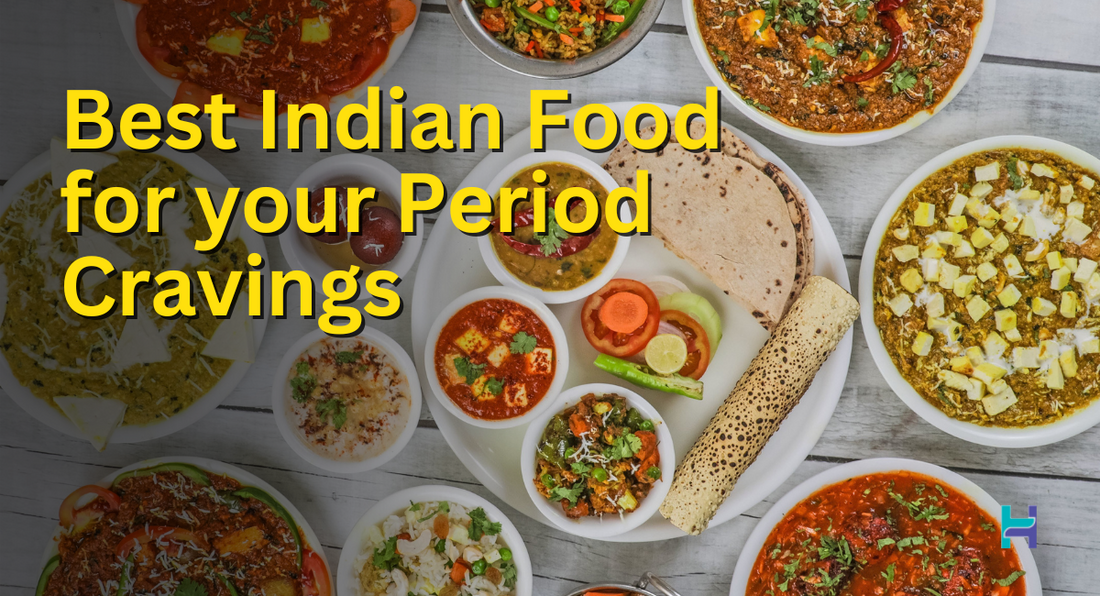
We know how it feels when those cravings hit, and trust us, you're not alone! Many people experience these strong desires for certain foods during menstruation. Imagine having your favorite treats, snacks, and dishes that make you feel warm, happy, and satisfied when you need it the most. Well, that's what we're here for! In this blog, we'll explore why period cravings happen, the science behind them, and most importantly, how you can tackle them with some delicious Indian comfort food recipes. So, let’s learn why you may be craving specific foods during your period and how you can enjoy some fantastic dishes that will make your taste buds dance with joy. We will also find out how to make your period time extra special with the best comfort foods ever! Understanding Period Cravings When you're going through your menstrual cycle, your body goes through some changes, and that can make you want to eat certain foods more than usual. It's totally normal, and it happens to many people. During your period, your hormones are doing a little dance, and that can affect your mood and appetite. Sometimes, your body may be telling you that it needs extra comfort and care, and that's when those cravings kick in. It's like your body's way of saying, "Hey, I could really use some tasty snacks or treats right now!" So, those urges to grab some chocolate, chips, or other yummy stuff are pretty common during this time. But wait, there's more! Did you know that some of these cravings might not just be physical but emotional too? Yup, that's right! Stress and mood swings can also play a role in making you want specific foods. So, it's not just about your tummy but your feelings too! Remember, it's all part of the natural process of being a human with fluctuating hormones. Why Period Comfort Foods? When you're on your period, you might experience some discomfort and mood swings, and that's where comfort foods come to the rescue. They have a magical way of making you feel better and putting a smile on your face. But why do these foods have such superpowers? Well, it's not just about taste; it's also about emotions! Comfort foods are like a warm hug for your soul. They can bring back sweet memories and make you feel safe and cozy. Also read: Food you should avoid during period The moment you enjoy your favorite comfort food, it triggers happy chemicals in your brain. It's like a little happiness boost! That's why, when you're feeling a bit down during your period, reaching for those familiar and comforting dishes can be a real mood lifter. It's totally normal to crave these foods during your period because your body knows they can give you comfort and relief. How to Tackle Period Cravings Those period cravings can be pretty strong. Here’s some awesome tips to help you handle them in a better way. Mindful Eating: When those cravings hit, try to be mindful of what you're eating. Take a moment to think about whether you're really hungry or just craving something tasty. Sometimes, a small portion of your favorite treat is all you need to satisfy those cravings. Stay Hydrated: Drinking enough water is essential during your period. Sometimes, you might think you're craving food when your body actually needs some hydration. So, grab a glass of water and see if that helps before reaching for the snacks. Healthy Swaps: You can still enjoy your favorite comfort foods by making some healthy swaps. For example, if you're craving something sweet, try a piece of dark chocolate instead of a whole candy bar. It's just as delicious but with more health benefits. Balanced Meals: Eating balanced meals with a mix of proteins, veggies, and carbs can help keep your hunger and cravings in check. It gives your body the right nutrients it needs to feel satisfied. Get Moving: Believe it or not, exercise can actually help with period cravings. When you move your body, it releases feel-good chemicals that can reduce your desire for certain foods. Emotional Support: If you find that your cravings are more emotional than physical, it's okay to seek emotional support from friends or family. Sometimes talking about your feelings with your husband or partner can make a big difference. Indian Recipes for Period Comfort Foods Here comes the exciting part – delicious Indian recipes that will make your period time super enjoyable! We've handpicked some fantastic dishes that can comfort you and satisfy those cravings. Let's check them out! 1. Mouthwatering Kheer This creamy and sweet rice pudding is a classic Indian treat. It's made with milk, rice, sugar, and flavoured with cardamom and nuts. One spoonful, and you'll feel like you're in dessert heaven! 2. Soothing Khichdi Khichdi is a wholesome dish made with rice and lentils, perfect for soothing your tummy during your period. It's easy to digest and packed with nourishment. 3. Yummy Pani Puri Craving something tangy and flavourful? Pani Puri to the rescue! These little crispy puris filled with spicy mint water and tamarind chutney will satisfy your taste buds. 4. Delicious Masala Chai A warm cup of masala tea is like a hug in a mug! The blend of spices like ginger, cardamom, and cinnamon will lift your spirits and keep you cozy. 5. Savory Samosas These crispy, deep-fried pastries filled with spiced potatoes and peas are a delight to munch on. They're the perfect savoury treat for your period cravings. 6. Comforting Dal Tadka Dal Tadka is a comforting soup with a tempering of spices. It's easy to make and pairs well with rice or bread. 7. Hearty Vegetable Biryani Biryani is a flavourful rice dish cooked with aromatic spices and vegetables. It's a satisfying meal that will make you feel pampered. 8. Sweet and Spongy Rasgulla Rasgulla is a light and spongy Indian dessert made from fresh cheese balls soaked in sugar syrup. It's a delightful treat to indulge in. Get Your Exclusive 12% OFF – Just for Our Loyal Readers! Enjoy a special discount on your next purchase. Grab your code now before it expires!. Email Address Get Coupon By signing up, you agree our terms of use and acknowledge the data policies in our privacy policy. You may unscubscribe any time! 9. Crunchy Aloo Tikki Aloo Tikki is a crispy potato patty spiced with Indian flavours. Enjoy it with some mint chutney for a delightful snack. 10. Scrumptious Butter Chicken If you're in the mood for something indulgent, try Butter Chicken! It's a rich and creamy chicken curry that will make your taste buds dance. These mouthwatering Indian recipes will not only make your period time special but also keep those cravings at bay. In conclusion Well, that's a wrap on our journey through period cravings and the best comfort foods! Comfort foods are like magical treats that can bring joy and happiness during this time. They not only taste great but also make you feel better inside. We really hope you try out some of the fantastic Indian recipes we've shared. Don't forget to savour those delicious comfort foods. Until next time, happy eating and happy periods!
Read More
If you're dealing with PCOS (Polycystic Ovary Syndrome) and love starting your day with a delicious Indian breakfast, you've come to the right place. In this blog, we'll explore breakfast options that not only satisfy your cravings but also support your PCOS journey. We'll discuss the importance of a healthy breakfast for managing PCOS symptoms, highlight key nutrients to focus on, and provide tips for making your breakfasts nourishing and enjoyable. Let's dive in! Also read: PCOS Lunch ideas for Indian Kitchen What is PCOS or Polycystic Ovary Syndrome PCOS is a hormonal disorder that affects many women, and it can bring along a range of challenges. But fret not, dear readers, because the power of nutrition can truly make a difference! When it comes to managing PCOS, paying attention to what we eat is crucial. A balanced diet rich in essential nutrients can help lessen symptoms and support our overall health. PCOS Friendly breakfast There are a few essential tips to keep in mind, when it comes to crafting a PCOS-friendly breakfast. First and foremost, we need to strive for balance. A well-balanced breakfast ensures that we receive a mix of nutrients to kickstart our day. We should aim to include a combination of protein, fibre, and healthy fats to provide sustained energy and support blood sugar control. Portion control is another important aspect to consider. We should be aware of serving sizes to prevent overeating and maintain a healthy weight. Also, focusing on whole foods and minimizing processed ingredients is key. Opting for whole grains, fresh fruits, vegetables, lean proteins, and good fats. If we include these, we can create breakfasts that not only taste delightful but also nourish our bodies and manage our PCOS symptoms effectively. Also read: Indian Period Recipe to ease period cramps Ah, the delightful world of Indian breakfast awaits us! Let's explore some incredible PCOS-friendly breakfast choices inspired by our vibrant Indian cuisine. We all know that variety adds a special touch to our mornings, and what better way to fill them with tastes we love? So, here are a few categories of Indian breakfast items that we can easily customize to suit our PCOS needs: 1. Idli, Dosa, and Uttapam Variations We can prepare these traditional South Indian delicacies using whole grain flours like ragi (finger millet) or oats to add up the fibre content. And don't forget to serve them with a delicious coconut chutney or a protein-rich sambar made with daal and veggies – a perfect combination to satisfy our taste buds and nourish our bodies. 2. Upma and Poha Varieties Upma and poha are versatile breakfast options that can be prepared in a jiffy. Let's choose semolina or flattened rice made from brown rice for a healthier twist. To boost the nutrition, we can add protein-rich ingredients like peas, sprouts, or tofu – they'll not only make our breakfast more filling but also provide us with essential nutrients. Paratha and Roti Options Ah, the aroma of freshly made parathas and rotis! We can opt for whole wheat flour or multi-grain flour to enhance the fibre content. And here's the fun part – we can stuff them with nutritious fillings like spinach, paneer, or grated veggies, creating a delightful and satiating meal that's bursting with flavours! Also Read: Benefits of Cranberry Juice for Period Pain Smoothies and Shakes with PCOS-friendly ingredients When we need a refreshing and quick breakfast option, smoothies and shakes come to the rescue! You can also blend together low-glycaemic fruits like berries, apples and to make it even more nourishing, add some healthy fats from nuts if available at home. Trust me, these creamy concoctions will leave us feeling energized and satisfied. These breakfast options are just the beginning of our culinary adventure. The beauty of Indian cuisine lies in its versatility, and we have endless possibilities to explore. Foods to avoid during PCOS It's important to be watchful of certain foods that may exacerbate symptoms or disrupt hormonal balance. Here's a general list of foods to consider avoiding or minimizing: Deep-fried snacks: Foods like samosas, pakoras, and vadas are delicious but often deep-fried, which can increase calorie intake and unhealthy fat consumption. Opt for healthier cooking methods like baking or steaming when possible. Sweets and desserts: Indian sweets such as jalebi, gulab jamun, and rasgulla are typically high in sugar and calories. It's advisable to limit their consumption or choose healthier alternatives White rice and refined grains: White rice, refined flour (maida), and other refined grains have a high glycaemic index, leading to rapid blood sugar spikes. Consider swapping them with whole grains like brown rice, quinoa, or whole wheat products. Full-fat dairy products: Full-fat milk, ghee (clarified butter), and certain types of cheese can be high in saturated fat. If you choose to consume dairy, consider opting for low-fat or skim milk, and use healthier cooking oils instead of ghee. Processed and instant foods: Instant noodles, ready-to-eat meals, and packaged snacks are often high in sodium, unhealthy fats, and preservatives. These can negatively impact overall health and should be limited or avoided. In addition to a PCOS-friendly breakfast, regular physical activity plays a vital role in managing PCOS symptoms. Engaging in exercises like brisk walking, yoga, dancing, or any activity you enjoy can help improve insulin sensitivity, regulate hormone levels, and support weight management. Get Your Exclusive 12% OFF – Just for Our Loyal Readers! Enjoy a special discount on your next purchase. Grab your code now before it expires!. Email Address Get Coupon By signing up, you agree our terms of use and acknowledge the data policies in our privacy policy. You may unscubscribe any time! In conclusion The importance of balance, portion control, and choosing whole, nutrient-rich foods. And let's not forget the power of regular physical activity and staying hydrated. With these additional tips in mind, we can navigate our PCOS journey with confidence, enjoying flavourful Indian breakfasts that nourish our bodies and bring joy to our taste buds.
Read More
Ladies, we all know that time of the month can sometimes feel like a rollercoaster ride. From cramps to leaks, it can be quite challenging to navigate through our menstrual cycles smoothly. But fear not, because we are here to share with you some must-have items that will make your period journey a whole lot easier. Wouldn't it be amazing to have products that provide both comfort and convenience? That's where reusable options like period panties come into the picture. They are not only comfortable and eco-friendly but can also save you money in the long run. By the end of this blog, you'll have a complete understanding of the must-have period essentials that can make your cycle smoother and more enjoyable. 11 Must Have Period essentials From period panties to pain relievers, here’s a curated list that will ensure you're well-prepared for a smooth and worry-free period experience. 1. Period Panties Invest in a few pairs of high-quality period panties for those happy periods. These specially designed underwear has built-in absorbent layers that offer leak protection and replace the need for traditional menstrual products. We would highly recommend you check out our GoPadFree Period Panties. 2. Menstrual Pain Relief Essentials There are various menstrual pain relievers available in the form of balms or ointments that can provide soothing relief during menstruation. Include these items in your essential kit that help alleviate menstrual cramps and discomfort. We would suggest you also add a heating pad or a hot water bottle that provide soothing warmth to ease your pain. 3. Hot water bag A hot water bag is a helpful addition to your period essential kit because it can provide soothing relief for menstrual cramps. Trust us, we understand how uncomfortable those cramps can be during your period. The warmth from a hot water bag applied to your lower abdomen can help relax your muscles and alleviate the pain. It's like a cozy hug for your tummy! So, don't forget to include a hot water bag in your period kit to make those crampy days a little more bearable. 4. Feminine wipes Including those intimate wipes in your period essential kit is a smart move for maintaining personal hygiene and feeling fresh during your period. Let's face it, sometimes we can't always access a washroom with running water when we need it the most. That's where intimate wipes come to the rescue! They are specially designed to gently clean and refresh your intimate area, ensuring you stay comfortable and confident throughout the day. 5. Sanitizers Sanitizers in your period essential kit is a smart choice to prioritize hygiene and keep germs at bay. As someone who values cleanliness, we all know how important it is to feel fresh and protected during your period. Sanitizers, whether in gel or wipe form, provide a convenient way to cleanse your hands when soap and water are not readily available. They help eliminate bacteria and ensure you maintain good hygiene, especially when handling menstrual products or changing them on the go. 6. Extra Period underwear An extra pair of period panties in your period essential kit is a wise move that I highly recommend. They provide you with a backup option if your current pair gets soiled or uncomfortable. You can simply change into the fresh pair and continue your day with confidence, knowing that you're protected against leaks and feeling comfortable. So, be prepared and toss an extra pair of period panties into your kit. 7. Period Pain Relief Oil Period pain can be unbearable for some women. A period pain relief oil can help alleviate menstrual cramps and discomfort. It is made of natural ingredients like eucalyptus, peppermint, and lavender oil. 8. Aloe Vera Tea Aloe vera tea is known for its anti-inflammatory properties. It can help reduce menstrual cramps and bloating. It is also a great way to stay hydrated during your period. 9. Travel pouch or bag Including a travel pouch or bag in your period essential kit is a smart idea that we personally swear by. It keeps everything organized, discreet, and easy to find when you need it the most. Whether it's spare period panties or pain relief tablets having a dedicated pouch or bag ensures that you can easily access what you need, whenever and wherever you are. So, consider adding a travel pouch or bag to your period essential kit. 10. Dark Chocolate Dark chocolate is a mood booster and can help alleviate PMS symptoms. It contains magnesium, which can help reduce menstrual cramps. It is also a delicious treat during your period. We have written a dedicated blog about Dark Chocolates. 11. Period tracking app Keeping track of your menstrual cycle can be a bit challenging, especially if your periods have irregular patterns. That's where a period tracking app comes to the rescue! It's like having a personal period assistant right at your fingertips. It's convenient, insightful, and helps you plan ahead, whether it's knowing when to expect your next period or scheduling self-care activities around those days. So, don't forget to download a reliable period tracking app and make it an essential part of your period kit. Get Your Exclusive 12% OFF – Just for Our Loyal Readers! Enjoy a special discount on your next purchase. Grab your code now before it expires!. Email Address Get Coupon By signing up, you agree our terms of use and acknowledge the data policies in our privacy policy. You may unscubscribe any time! To sum it up We've reached the end of our journey exploring the must-have items for a smooth and comfortable period experience. Throughout this blog, we've highlighted the importance of personalizing our period essentials and tailoring them to our unique needs. Our periods are a natural part of life, and we deserve to approach them with self period care and comfort. Whether it's finding the perfect period panties that keep us leak-free or using intimate wipes to stay fresh, each item in our period kit plays a significant role in enhancing our well-being.
Read More
Iron is an essential mineral that plays a critical role in many bodily functions, including the production of red blood cells. However, iron deficiency is a common problem, particularly among women, and can lead to a range of health issues. In particular, low iron levels can impact menstrual health, causing changes in flow, duration, and other symptoms. In this blog post, we'll explore the topic of iron deficiency and its potential impact on periods. Let's uncover the relationship between low iron and periods and understand the importance of addressing iron deficiency for overall health. What is Iron Deficiency? Iron deficiency is a common condition that occurs when the body doesn't have enough iron to produce hemoglobin, a protein in red blood cells that carries oxygen throughout the body. When iron levels are low, the body can't produce enough red blood cells, leading to a condition called anemia. Anemia can cause a range of symptoms, including fatigue, weakness, shortness of breath, and dizziness. Iron deficiency can occur for several reasons, including poor diet, chronic blood loss, and certain health conditions. The symptoms of iron deficiency can be mild or severe, depending on the level of deficiency. Mild symptoms may include fatigue, weakness, and pale skin, while severe symptoms may include rapid heartbeat, shortness of breath, and chest pain. Also read: Can you donate blood during periods? Causes of Iron Deficiency Iron deficiency can occur due to several reasons. We have listed a few of them below. 1. Poor Diet: Iron is mainly obtained from the food we eat. A diet that lacks iron-rich foods can lead to iron deficiency. This is particularly common among vegetarians and vegans who don't consume enough iron-rich foods such as meat, poultry, and fish. 2. Chronic Blood Loss: Blood loss due to injury, surgery, or a health condition can cause iron deficiency. Women are particularly susceptible to iron deficiency due to blood loss during menstruation. Chronic blood loss can also occur due to conditions such as ulcers, hemorrhoids, and cancer. 3. Pregnancy and Breastfeeding: Women who are pregnant or breastfeeding require more iron than usual to support the growth and development of the fetus or baby. If they don't get enough iron from their diet, they may develop iron deficiency. 4. Certain Health Conditions: Certain health conditions such as celiac disease, inflammatory bowel disease, and gastric bypass surgery can interfere with the body's ability to absorb iron from food. How Menstruation can Contribute to Iron Deficiency During menstruation, women lose blood, which contains iron. If the iron isn't replaced through diet or supplements, it can lead to iron deficiency. Women who have heavy or prolonged periods are particularly susceptible to iron deficiency. In some cases, women may require iron supplements to maintain healthy iron levels during menstruation. How Low Iron Impacts your Periods Iron deficiency can impact periods in several ways. These includes 1. Changes in Flow Women with iron deficiency may experience changes in their menstrual flow. This can include lighter or heavier periods than usual. 2. Changes in Duration Iron deficiency can also cause changes in the duration of periods. Women may experience shorter or longer periods than usual. 3. Other Menstrual Symptoms Iron deficiency can exacerbate other menstrual symptoms such as cramping, fatigue, and mood changes. 4. Risk of Anemia If left untreated, iron deficiency can lead to anemia, which can cause more severe symptoms such as weakness, dizziness, and shortness of breath. One should address iron deficiency promptly to prevent these menstrual symptoms and reduce the risk of developing anemia. What else can cause anemia? While iron deficiency is the most common cause of anemia, there are several other factors that can contribute to this condition. Vitamin deficiencies, such as a lack of vitamin B12 and folate, can cause anemia. Chronic diseases, including kidney disease and cancer, can also lead to anemia. Also, blood loss due to injury, surgery, or menstruation can lead to anemia. Also read: Vitamin D and periods? What's the connection Managing Iron Deficiency Now that we understand how iron deficiency can affect our periods, let's talk about how we can take charge. Here comes the power of incorporating iron-rich foods into our meals. Think spinach, daal, and jaggery! These can help replenish our iron levels and keep our periods in check. Another trick is to pair these foods with sources of vitamin C, like citrus fruits or amla, which can boost iron absorption. If needed, we can also consider iron supplements, but it's important to consult with your doctor for the right guidance. Apart from the diet, managing your stress levels is key. Engaging in activities you love, practicing yoga or meditation, and taking time for self-care can make a big difference. Can we take iron tablets during periods? Yes, it is safe to take iron tablets during periods. In fact, women with heavy or prolonged periods may need to take iron supplements to maintain healthy iron levels. It's important to follow the recommended dosage prescribed by your doctor before starting any new supplements. Taking iron tablets can help prevent iron deficiency and reduce the risk of developing anemia. Any usage of medicine should be prescribed strictly by your doctor. We would encourage you take the natural ways to enhance your iron levels. Also read: Benefits of tracking your periods What Else Can Affect Your Period? Several factors can affect your menstrual cycle, including stress, weight changes, hormonal imbalances, and certain medications. Stress can cause changes in hormone levels, which can affect the regularity and duration of periods. Sudden weight changes, such as weight gain or weight loss, can also affect hormone levels and lead to irregular periods. Hormonal imbalances, such as polycystic ovary syndrome (PCOS), thyroid disorders, and pituitary gland disorders, can also cause changes in menstrual cycles. In addition to all these, certain lifestyle factors, such as excessive exercise and smoking, can also affect menstrual cycles. Get Your Exclusive 12% OFF – Just for Our Loyal Readers! Enjoy a special discount on your next purchase. Grab your code now before it expires!. Email Address Get Coupon By signing up, you agree our terms of use and acknowledge the data policies in our privacy policy. You may unscubscribe any time! Bottom Line We have explored the significant impact of iron deficiency on our menstrual cycles. We learned that low iron levels can lead to changes in menstrual flow, irregularities, and potential disruptions to our overall health . It's important to address iron deficiency promptly through dietary changes, iron supplements, and treating any underlying health conditions to prevent long-term health issues such as anemia. By prioritizing iron management, we can unlock a world of benefits, including increased energy levels and improved overall health. References: Iron Deficiency Anemia Secondary to Inadequate Dietary Iron Intake
Read More
Do mood swings in relationships sometimes make you feel confused or far from your partner? One moment everything looks fine, and next moment small things turn into big argument. Many couples face this kind of emotional change but don’t always understand why it happen. Mood instability are not only about being angry or sad, they are small signals from mind and body that something need little attention. In this blog, we will tell you why mood swings happen in relationships, how they affect your bonding, and seven simple ways to deal with them calmly. By end, you will understand how to manage these changes and keep your relationship more peaceful and loving. Also read: Turmeric milk benefits during periods What Are Mood Swings in Relationships? Mood swings in relationships means sudden change in feeling or behaviour between partners. One minute you may feel happy and loving, and next minute you feel upset, angry, or silent for no big reason. It happens to many people, and it is not always a bad thing. Every person has different emotions, and sometimes they just come out without control. In relationships, these changes can come from many things. Tiredness, hormones, work pressure, stress or even small misunderstanding. Sometimes, it is just because one person had tough day but forget to express it. Both men and women can have mood swings, it is not limited to one side only. You may even think, “I have massive mood swings in my relationship, is something wrong with me?” The answer is mostly no. Mood swings are part of human life. But learning how to understand and handle them in right way can make relationship stronger and more peaceful. Why This Mood Swing in Relationships happens Many times, you may ask yourself, why this mood swing in relationships happens so often? The answer is not very specific. Our emotions are affected by body, mind, and situation around us. Sometimes it is small issue that grows big because we are already tired or stressed. For women, hormonal changes are one big reason. Before period or during ovulation, mood can shift suddenly, happy one moment and irritated next. For men too, stress, pressure or even small failure at work can make them quiet or angry. Both sides go through emotional waves, just in different ways. Some common reasons for mood swings in relationships include: Hormonal changes, especially before or during menstruation. Work stress or financial pressure that stay in mind. Lack of proper rest or poor sleep, making emotions harder to control. Unspoken feelings that build up over time. High expectations from partner that sometimes lead to disappointment. When these small things come together, emotions can burst suddenly. One person may feel hurt, another may feel ignored, and both stop understanding each other. But remember, having mood swing is not wrong. It is body’s small signal saying something is unbalanced. Maybe you need peace, or little more connection with your partner. Once you see this clearly, you can deal with emotions instead of fighting with them. How to Deal with Mood Swings in a Relationship 1. Learn to stay calm when emotions rise We know it is not easy to stay calm when argument starts, but taking few deep breaths can save many hurt words. When your partner’s mood changes suddenly, try not to react instantly. Give few minutes to let emotions settle. You can even say softly, “I understand you are upset; we can talk in a while.” This shows maturity and patience. You will notice that silence in such moment often brings peace faster than reaction. 2. Listen without interrupting or judging Sometimes, you don’t have to solve the problem, only to listen. When your partner feels heard, half of the fight already ends. Try to keep your phone away, look at them, and just listen with heart. We know it can be hard to not defend yourself, but once they finish talking, you will see they also calm down. Listening is not weakness; it is one of the strongest tools in relationship communication. 3. Express feelings gently, not harshly When you speak, choose words that describe your feelings, not your partner’s mistakes. Say “I feel hurt when you ignore me” instead of “You always ignore me.” This small change in sentence keeps communication soft and respectful. We have seen that when words are kind, even a harsh truth is accepted easily. You can express everything, only tone should carry care. Get Your Exclusive 12% OFF – Just for Our Loyal Readers! Enjoy a special discount on your next purchase. Grab your code now before it expires!. Email Address Get Coupon By signing up, you agree our terms of use and acknowledge the data policies in our privacy policy. You may unscubscribe any time! 4. Take small breaks when needed If things feel too heated, it is okay to take short break. Sometimes distance for few minutes gives mind time to think clearly. You can walk, drink water, or sit in quiet corner till emotions settle. You don’t have to solve every issue immediately. We often suggest couples to come back after cooling down. It is not running away; it is giving relationship small breathing space. Also read: Best ways to support your partner during periods 5. Understand your own triggers Many times, we blame others for our mood when truth is, something inside us is already tired or stressed. Try to notice your triggers. Is it lack of sleep, work pressure, or hormonal change? Once you know what disturbs your mood, you can explain it better to your partner. It builds understanding instead of confusion. We recommend keeping small note in diary to track your moods, it really helps in long run. 6. Support each other through stressful times When life gets stressful, small things start to feel big. That’s when both of you need extra care and support. Encourage your partner, give hugs, and remind them you are on same team. We always say, small gestures like making cup of tea or listening quietly can heal big fights. Emotional support builds trust, and trust controls many mood swings naturally. 7. Build healthy routine together Good food, sleep, and daily routine have big effect on emotions. Try to eat on time, sleep enough, and do small activities together like evening walk or cooking. These small things make big difference in how your moods behave. We have seen that when couples follow healthy habits together, relationship becomes more balanced. So, treat your emotional health same as physical health, it keeps love calm and steady. Also read: Stress and Periods: Are they related? Problems in Relationships Due to Mood Swings Mood swings can quietly create distance between two people who once understood each other so well. When emotions keep changing, it becomes harder to trust how the other person will react. Small talks start to feel heavy, and silence begins to grow longer. One day you feel loved, and next day you feel ignored or unwanted, which makes heart confused. Over time, these ups and downs can make one or both partners emotionally tired. We have seen that when such imbalance continues without talking, it leads to more misunderstandings and less connection. The real problem is not mood swing itself, but not noticing it early. When both partners accept it and try to manage together, the relationship again becomes more peaceful. Male Mood Swings in Relationships Many people think only women have mood changes, but that is not true. Men also face mood swings, only they show it in different ways. Sometimes they become quiet, sometimes angry or distant, and often they do not even realize what is happening inside them. For men, mood swings usually come from mental pressure. Work stress, money problems, family expectations or feeling of failure can affect their emotions deeply. Some common signs of male mood swings in relationships are: Sudden irritation or anger without clear reason Not talking much or avoiding conversation Losing interest in activities or intimacy Feeling restless or worried often When such behaviour happens, it is easy for partner to feel hurt or confused. The best way to deal with male mood swings is with calmness and patience. We highly suggest you to encourage open talk, give them space when needed, and show that you are there to listen without judging. Please remember that slowly, emotional comfort builds trust, and relationship becomes more balanced. When Do Girls Have Mood Swings in Relationships Many girls go through mood swings at different times, and it is not something to feel bad or ashamed about. These emotional changes are mostly connected with the body’s natural cycle. During PMS or near period days, hormones like estrogen and progesterone keep changing, and that directly affects mood. You may feel extra emotional, get irritated fast, or sometimes cry without even knowing why. At times, stress from office, study pressure, or even small things at home make it stronger. It does not mean you are too emotional, it only means your body and mind are asking for little rest and care. We always tell women, when you start noticing such mood patterns, talk about it with your partner. When they understand what you are feeling, it becomes much easier for them to support you and keep the relationship happy and understanding. Let’s Wrap This Up Mood swings in relationships are part of being human. What truly matters is how you both handle them together. Understanding, patience, and simple daily care can turn emotional ups and downs into moments of learning. When you give space, listen with heart, and talk with honesty, love becomes stronger each time. We would love to know your thoughts. Have you or your partner faced mood swings in your relationship? Share your experience in the comments below References: Bowen, R., et al. (2017). Mood instability is a precursor of relationship and marital problems: Evidence from British surveys. Frontiers in Psychiatry, 8, Article 276. https://doi.org/10.3389/fpsyt.2017.00276 Alisbh. (2025, January 22). How mood disorders affect relationships. Alisbh Blog. https://www.alisbh.com/blog/how-mood-disorders-affect-relationships/ Marriage.com (2024, September 26). 13 practical ways to deal with mood swings in a relationship. https://www.marriage.com/advice/mental-health/how-to-deal-with-mood-swings-in-a-relationship/ Cleveland Clinic. (2025, September 15). Mood swings: What they are & causes. https://my.clevelandclinic.org/health/symptoms/mood-swings
Read More
Once upon a time in a small Indian village, there lived a young girl named Pramila. Pramila had a passion for running and dreamed of becoming a champion athlete. She trained tirelessly, pushing herself to the limits to improve her speed and endurance. However, Pramila faced a unique challenge that set her apart from her male counterparts - her monthly period. As Pramila continued her journey as an athlete, she couldn't help but wonder how her periods affected her performance and whether there were specific practices she could adopt to overcome the hurdles they presented. Curiosity sparked within Pramila, and she embarked on a quest to uncover the secrets of menstrual hygiene for athletes. She sought answers to questions that echoed in her mind: How do women'sush s bodies adapt differently to the demands of competitive sports? What challenges do female athletes face when navigating their periods? And most importantly, how can they find the right products and practices to excel in their chosen sports? In this blog, we embark on a similar journey, delving into the world of menstrual hygiene for athletes. We will explore the complexities, offering insights and practical solutions for female athletes like Pramila who strive for greatness in their athletic pursuits. Throughout the blog, we will address the significance of understanding menstrual cycles and their impact on physical and mental strength. So, let us embark on this enlightening journey, inspired by the tale of Pramila and countless women like her. Together, we will unlock the insights and guidance needed to navigate menstrual hygiene for athletes, enabling them to thrive in their pursuit of sporting excellence. Menstrual cycle and athletic performance In sports, it's all about getting an edge. When it comes to women athletes, understanding the impact of menstruation on their performance is essential. While having your period doesn't necessarily mean you can't perform well, it's essential to know how hormonal changes during this time can impact your body and mind. Every woman's period is different, with unique symptoms and variations it's crucial to know that women experience hormonal changes that can cause physical discomfort, mood swings, and other effects. These differences mean that women may need to adjust their training routines based on their menstrual cycle. Also read: Period Hacks during travel Lack of Research and Awareness There is a lack of research and awareness when it comes to understanding how menstrual cycles affect women athletes. Most of the existing studies focus on men, which means there is limited information about the specific challenges women face during their periods in competitive sports. This lack of research can make it difficult for sports organizations to create appropriate training routines and support systems for women athletes. Understanding Menstrual Hygiene When you're an athlete, your body is your tool, and it's important to take care of yourself to stay at your best. This means making sure that you're eating well and sleeping enough, but it also means paying attention to how you manage your menstrual cycle. Now, you might be wondering why menstrual hygiene is important. Well, maintaining good menstrual hygiene is crucial to prevent infections, discomfort, and other problems that can arise during periods. It helps girls feel comfortable, confident, and able to carry on with their daily activities. Right Menstrual product and practices As a woman athlete, it's important to understand menstrual hygiene and how to maintain your well-being during your period. Here are some key points to consider: Menstrual products: Use menstrual products that suit your comfort and preference, such as period underwear. Choose products that provide sufficient absorbency for your level of physical activity. GoPadFree Period Panties are a great choice. Hygiene practices: Change your menstrual products regularly, following the recommended guidelines on the packaging. This helps prevent discomfort, odour, and the risk of infections. Comfortable clothing: Opt for breathable and moisture-wicking sports clothing that allows air circulation and helps manage sweat. This can prevent discomfort and potential chafing during physical activity. Plan ahead: Track your menstrual cycle and anticipate when your period is likely to occur. This allows you to plan your training and competition schedule accordingly, ensuring you have an additional pairs of period panty and can make any adjustments if needed. Nutrition and hydration: Maintain a well-balanced diet with sufficient nutrients and stay hydrated throughout your menstrual cycle. Adequate iron intake is particularly important to compensate for any potential blood loss during your period. Rest and self-care: Listen to your body and give yourself rest when needed. Take breaks if you're feeling fatigued or experiencing severe discomfort. Engage in self-care activities, such as getting enough sleep, practicing relaxation techniques, and managing stress. Open communication: Feel free to talk to your coach, trainer, or teammates about your menstrual cycle and any specific needs or concerns you may have. Building a supportive environment where everyone understands and respects each other's experiences can be beneficial. Stay clean and dry: Keep your genital area clean by washing with mild, unscented soap and warm water. Pat dry with a clean towel to avoid excess moisture, as dampness can lead to irritation. Pain management: If you experience menstrual cramps or discomfort, consider using pain relief methods recommended by your consultant doctor, such as over-the-counter pain killers, heat packs, gentle exercises or meditation. Through Pramila's story, we recognize the significance of education and destigmatization around menstruation in sports. By providing athletes with accurate information about their menstrual cycles and debunking common myths, we can empower them to make informed decisions and adapt their training routines accordingly. Get Your Exclusive 12% OFF – Just for Our Loyal Readers! Enjoy a special discount on your next purchase. Grab your code now before it expires!. Email Address Get Coupon By signing up, you agree our terms of use and acknowledge the data policies in our privacy policy. You may unscubscribe any time! Apart from that, raising awareness and promoting open discussions within the sports community helps break down the barriers and foster a supportive environment where athletes feel comfortable seeking assistance and sharing their experiences. Let us embrace the power of education, destigmatization, and empowerment to enable female athletes to reach their full potential while managing their menstrual cycles with confidence and ease. Together, we can create a future where menstruation is no longer a barrier but a natural and respected part of an athlete's journey.
Read More
We're going to talk about a topic that might seem a little bit uncomfortable, but it's really important for all girls to know about. We're going to talk about late periods and menstrual cycle irregularities. Your period is an important indicator of your overall health. If your periods are irregular, it might be a sign that something is not right within. Plus, knowing about the different causes of late periods can help you understand your body better and feel more in control of your health. In this blog, we'll be discussing 10 possible causes of late periods. Some of these causes are totally normal and nothing to worry about, while others might require doctors attention. By the end of this blog, you'll have a better understanding of what might be causing your late period and what you can do about it. Here are the 10 Possible Causes of Late Periods 1. Stress and Anxiety: Stress and anxiety can cause a hormonal imbalance in the body, which can disrupt the menstrual cycle. When you're stressed or anxious, your body produces more of the hormone cortisol, which can interfere with the production of other hormones that regulate your menstrual cycle. If you're experiencing a lot of stress, it's important to find ways to manage it, such as through exercise or relaxation techniques. 2. Hormonal Imbalance: Hormonal imbalances can be caused by a variety of factors, including stress, weight changes, or medical conditions like PCOS. These imbalances can cause irregular periods or a complete absence of periods. Treatment options depend on the cause of the hormonal imbalance and may include medication or lifestyle changes. Also read: Vaginal infections and delayed periods 3. Polycystic Ovary Syndrome (PCOS): PCOS is a hormonal disorder that can cause irregular periods, as well as other symptoms like acne, weight gain, and excess hair growth. PCOS is caused by an imbalance of hormones in the body, and treatment options vary depending on the severity of the condition and the patient's individual needs. 4. Thyroid Problems: Thyroid problems can cause a range of menstrual cycle irregularities, including late periods. The thyroid gland produces hormones that regulate metabolism, and when the gland is not functioning properly it can disrupt the production of other hormones in the body. Treatment for thyroid problems may include medication or other medical interventions. 5. Extreme Weight Loss or Gain: Rapid weight loss or gain can cause hormonal imbalances in the body, which can lead to late or missed periods. This is because hormones like estrogen are stored in fat cells, so changes in body weight can affect the body's hormone levels. Maintaining a healthy weight through balanced nutrition and exercise can help prevent menstrual cycle irregularities. Also read: Healthy Juices for Period Pain 6. Birth Control: Certain types of birth control, such as hormonal birth control pills, can cause changes in the menstrual cycle. Some women may experience lighter periods or no periods at all while using birth control. If you're concerned about your menstrual cycle while using birth control, talk to your doctor to discuss other options. 7. Certain Medications: Certain medications, such as antidepressants or chemotherapy drugs, can cause menstrual cycle irregularities. If you're taking medication and notice changes in your menstrual cycle, talk to your doctor or gynocologist to determine if the medication is the cause. 8. Perimenopause or Menopause: As women age, their menstrual cycles naturally become less regular and eventually stop altogether, signaling the onset of menopause. Perimenopause is the period of time leading up to menopause, during which menstrual cycles may become irregular. Hormone replacement therapy may be an option for women experiencing severe symptoms during menopause. 9. Chronic Illnesses: Chronic illnesses like diabetes or lupus can affect the menstrual cycle. These conditions can cause hormonal imbalances, which can lead to irregular periods. Treatment for chronic illnesses often involves medication or other medical interventions. 10. Pregnancy or Breastfeeding: Pregnancy and breastfeeding can both cause changes in the menstrual cycle. During pregnancy, the body's hormone levels shift to support the growing fetus, which can lead to changes in the menstrual cycle. While breastfeeding, hormones that regulate the menstrual cycle are suppressed, which can cause a temporary absence of periods. If you're concerned about your menstrual cycle during pregnancy or breastfeeding, talk to your family doctor. What to do when periods are late If you experience a delay in your menstrual cycle, it is generally not a cause for immediate concern. However, if you miss your period for more than three consecutive months, it is recommended that you visit a doctor. Delayed periods can be caused by a variety of factors, including stress, hormonal imbalances, and certain medical conditions. It's important to note that delayed periods can sometimes be a sign of pregnancy. If you have missed your period and suspect that you may be pregnant, it is recommended that you take a home pregnancy test or visit a doctor for a confirmatory test. Also read: Does menstruation impact thyroid tests Get Your Exclusive 12% OFF – Just for Our Loyal Readers! Enjoy a special discount on your next purchase. Grab your code now before it expires!. Email Address Get Coupon By signing up, you agree our terms of use and acknowledge the data policies in our privacy policy. You may unscubscribe any time! In conclusion Late periods can be a common concern among women and can be caused by a variety of factors. We have discussed 10 possible causes of late periods, including stress, hormonal imbalances, PCOS, thyroid problems, extreme weight loss or gain, birth control, certain medications, perimenopause or menopause, chronic illnesses, and pregnancy or breastfeeding. To our readers, we encourage you to continue sharing your experiences in our comment section below.
Read More
Polycystic Ovary Syndrome (PCOS) is a hormonal disorder that affects women of reproductive age. It is a common condition that affects up to 10% of women worldwide. PCOS can cause a range of symptoms, including irregular menstrual cycles, weight gain, acne, and excess hair growth. However, one of the most common and significant symptoms of PCOS is menstrual irregularity. Women with PCOS may experience infrequent or absent periods due to hormonal imbalances that affect the ovulation process. In this article, we will provide a brief overview of PCOS and its impact on menstrual cycles, as well as strategies for managing these symptoms at home. In PCOS, the ovaries produce excessive amounts of androgens, which are male hormones that are normally present in women in smaller amounts. This hormonal imbalance can affect the regularity of menstrual cycles, causing them to become irregular, infrequent, or absent. In some cases, women with PCOS may experience heavy bleeding during their periods. Most people get confused with PCOS & PCOD. Here is a detailed discussion about PCOD vs. PCOS which you should considering reading. How to get periods naturally in PCOS There are various ways to treat PCOS symptoms at home, and making lifestyle changes is one of the most effective approaches. Eating a healthy, balanced diet and exercising regularly can help manage symptoms such as weight gain, irregular periods, and insulin resistance. Here are seven ways to manage PCOS symptoms at home. 1. Maintain a healthy diet Maintaining a healthy diet is an essential way to manage PCOS symptoms. Eating a balanced diet that is low in carbohydrates and sugars can help regulate insulin levels, which is often disrupted in PCOS. Eating foods that are rich in fiber and healthy fats can also help reduce inflammation and improve overall health. It is also important to avoid processed and refined foods as much as possible, as these can contribute to weight gain and hormonal imbalances. 2. Exercise regularly Regular exercise can help manage PCOS symptoms by reducing insulin resistance and improving metabolic function. Aim to get at least 30 minutes of moderate exercise daily, such as brisk walking, jogging, or cycling. Strength training exercises can also be helpful in building lean muscle mass, which can help manage weight and improve overall health. 3. Get enough sleep Getting enough sleep is important for managing PCOS symptoms. Lack of sleep can cause hormonal imbalances, insulin resistance, and increased stress levels. Aim to get at least 7-8 hours of sleep each night, and establish a regular sleep routine that includes winding down before bed and avoiding electronic devices. 4. Manage stress levels Stress can exacerbate PCOS symptoms by causing hormonal imbalances and increasing inflammation. Managing stress levels through relaxation techniques such as yoga, meditation, or deep breathing can be helpful in reducing symptoms. It is also important to prioritize self-care and engage in activities that bring joy and reduce stress levels. 5. Use natural remedies Using natural remedies such as herbal supplements and essential oils may also be helpful in managing PCOS symptoms. Certain herbs such as cinnamon and fenugreek may help regulate insulin levels, while essential oils such as lavender and peppermint may help reduce stress and improve mood. 6. Keep track of your menstrual cycle Keeping track of your menstrual cycle can help you identify any irregularities and manage PCOS symptoms. Use a calendar or menstrual tracking app to keep track of your periods, and note any changes or irregularities. This can help you identify potential hormonal imbalances or other issues that may need medical attention. 7. Maintain a healthy weight Maintaining a healthy weight is crucial for managing PCOS symptoms, as excess weight can worsen insulin resistance and hormonal imbalances. Eating a healthy diet and exercising regularly can help manage weight, but it is also important to seek medical attention if weight management is an ongoing issue. A healthcare provider may recommend medical interventions such as medication or surgery to manage weight and improve overall health. Managing PCOS for Long-Term Health PCOS can be a challenging condition to manage, but there are ways to take care of yourself and stay healthy in the long run. You should consult with your gynocologist and have regular check-ups to make sure you're doing everything you can to manage PCOS. Your gynocologist will help you managing the symptoms. They can also help you come up with a plan to stay healthy and avoid complications. There are also things you can do at home to manage PCOS, like we have mentioned above. If you are interested in knowing how Ashokarishta helps relieve PCOS symptoms, then head over to our blog about PCOS and Ashokarishta. Get Your Exclusive 12% OFF – Just for Our Loyal Readers! Enjoy a special discount on your next purchase. Grab your code now before it expires!. Email Address Get Coupon By signing up, you agree our terms of use and acknowledge the data policies in our privacy policy. You may unscubscribe any time! FAQs on Managing PCOS Symptoms Q: How long can PCOS delay your period? A: PCOS can delay your period for several weeks or even months. The length of delay varies from person to person. Q: How long is a PCOS period cycle? A: Women with PCOS may have irregular periods, which means the length of their menstrual cycle can vary from month to month. Some may have very long cycles, while others may have very short or no cycles at all. Q: Can PCOS go away naturally? A: While there is no cure for PCOS, it is possible for some women to manage the symptoms effectively and even have their periods return to a regular cycle without medical intervention. Q: Is PCOD and PCOS same? A: PCOD (Polycystic Ovary Disease) and PCOS (Polycystic Ovary Syndrome) are often used interchangeably but they are not exactly the same. PCOD refers to the presence of multiple cysts on the ovaries while PCOS is a hormonal disorder that can cause cysts and other symptoms. Q: Which fruit is good for PCOD? A: Fruits that are rich in antioxidants and fiber such as pomegranate, papayas, apples, and pears are considered good for PCOD. Q: Can stress cause polycystic ovaries? A: While stress is not a direct cause of PCOS, it can contribute to hormonal imbalances, which can worsen the symptoms of PCOS. Q: Can people with PCOS eat pomegranate? A: Yes, pomegranate is a good fruit for people with PCOS because it is rich in antioxidants and can help reduce inflammation in the body. Q: Does papaya help in PCOS? A: Papaya is a good source of fiber and antioxidants, making it a healthy fruit for people with PCOS. However, it is not a cure for PCOS and should be consumed as part of a balanced diet. Read our blog on eating papaya during periods. On a Final note You can take to manage the symptoms and promote overall health. Maintaining a healthy diet, exercising regularly, getting enough sleep, managing stress levels, using natural remedies, keeping track of your menstrual cycle, and maintaining a healthy weight are all important strategies for managing PCOS at home. It's also important to seek support from your OBGYN or gynecologist, to develop a personalized treatment plan and manage PCOS in the long term. By taking these steps and staying proactive about your health, you can improve your quality of life and manage the symptoms of PCOS. We would love to know how are you managing things at your end. Do comment below and let us know.
Read More
Traveling is a fun and exciting adventure, but it can also be stressful, especially when you're on your period. It can be challenging to stay comfortable and manage your period while you're on the go. But don't worry, we've got you covered with these period hacks for a stress-free journey.
Read More
Meditation is a mental practice that involves training the mind to focus, concentrate, and achieve a state of calmness and relaxation. It is a practice that has been around for thousands of years and is used in many cultures and spiritual traditions.
Read More
Key Takeaways Cervical mucus changes naturally across your cycle and shows what phase your body is in Dry, sticky, creamy, and stretchy mucus each indicate different stages Egg-white mucus is a clear sign that ovulation is near Daily checking helps you understand your body patterns better Sudden unusual changes may need attention, but most variations are normal Cervical mucus is a natural fluid your body makes. It keeps changing throughout your menstrual cycle to support different phases. If you see these changes, it tells you what is happening inside your body. We often ignore it, but this tiny bodily change silently gives clues about your cycle every single month. You might have seen discharge suddenly feel different and wondered if this is normal. Have you ever checked and thought, “Why does this feel different today?” After you know this, it becomes much easier to feel prepared and can be hard to understand during different days of your cycle. What Cervical Mucus really means Cervical mucus is a fluid made by your cervix, and it keeps changing across your cycle depending on hormones. Pay attention and you may see it sometimes thick, sometimes slippery, sometimes almost dry. This is not random; this is your body that is adjusting itself gently. As per medical guidance, these changes are driven mainly by rising estrogen before ovulation and higher progesterone afterward, which alter both the amount and texture of cervical mucus. Ladies often confuse cervical mucus with discharge, but they are not exactly same. Once you get the difference between normal vaginal discharge and cervical mucus clearly, it becomes easy to read your body signals. We believe your body is always communicating, you just need to notice small signs. You can think of it simply like this: It helps sperm travel during fertile days It protects from infections on other days It changes texture based on your cycle phase If you start paying attention to these patterns daily, then it will slowly make more sense to you. How Cervical Mucus changes throughout your cycle Your body follows a pattern every month, and notice this only when you observe closely. Cervical mucus during cycle does not change randomly, it moves step by step alongwith your hormones. Studies describing mucus patterns show that after menstruation there are dry or low‑mucus days, followed by sticky or creamy mucus, then clear stretchy ‘egg‑white’ mucus near ovulation, and finally thicker or minimal mucus before the next period. Some days you may stay dry, some days more wet, and sometimes very slippery. After you know this flow, it becomes easier to know what phase you are in. We often notice that once you track for 1–2 cycles, it does make more sense to you. During your period days and early cycle phase While on your period, you may not notice much cervical mucus because bleeding is already there. The blood can mask any discharge, so you may feel like nothing is present. If you observe after bleeding reduces, you may still feel slightly dry. This is completely normal and part of the early phase. If you want to realize this better, you can read more about what happens during each menstrual cycle phase in detail. Your body is just resetting here. Just after your period when things feel dry Once your period ends, you may notice very little or no mucus. It can remain dry or slightly sticky if you check. Some days, you may not see any discharge at all, and that is okay. If you are expecting something visible daily, this phase can create doubt. But this dryness simply means your body is not in fertile mode. Once you get this, it helps you not overthink normal changes. Few days before ovulation when it turns creamy As you move closer to ovulation, mucus slowly starts increasing. You might see a creamy or lotion-like texture, usually white or cloudy. It feels moister compared to earlier dry days. If you check regularly, this change becomes quite noticeable. This is your body preparing for possible ovulation. We often notice a lot of women ignore this stage, but it is an important transition phase. Around ovulation when mucus appears stretchy and slippery During ovulation, cervical mucus becomes clear, stretchy, and slippery, almost like raw egg white. As per research on fertile discharge, this egg‑white cervical mucus usually appears in the few days before ovulation and marks the peak fertile window. If you stretch it between your fingers, it does not break easily. This is one of the clearest ovulation signs your body gives. If you notice this type of mucus, it usually means you are in your fertile window. The body creates this texture to help allow sperm to pass easily. As you learn this stage, it can be very useful for cycle awareness. After ovulation when things become dry again After ovulation, you may suddenly notice the mucus reducing. It can become thick again or almost disappear. This happens because hormone levels shift, especially progesterone increases. If you were tracking daily, this change feels quite sudden. Your body is now moving into a non-fertile phase. If you understand this pattern, it helps you recognise that ovulation has already passed. Also read: Causes of Ovulation Pain and Signs Different Types of Cervical Mucus When you start checking daily, these changes become easier to recognise over time. Your body does not keep it same every day, it shifts texture and amount in a pattern. At first it can seem confusing, but slowly it becomes familiar. We often see that once you connect these changes with your cycle days, things become clearer. Dry or no mucus days There are days when almost nothing is seen or felt. Underwear can stay completely dry, and there is hardly any visible discharge. This usually happens just after periods or later in the cycle. It is a normal phase and does not mean anything is wrong. Your body is simply in a non-fertile stage here. A lot of women guess something is missing, but this is part of the cycle. Sticky or slightly damp mucus In this stage, the mucus appears thick and a bit tacky. It can look white or slightly yellow, and it does not stretch much. When touched, it can break easily between fingers. There is a slight dampness, but not much moisture overall. This phase comes before the fertile window begins. It is like your body slowly preparing for the next change. Creamy white mucus Here the mucus becomes smoother and more like lotion. It spreads easily and looks cloudy or milky white. There is more moisture compared to earlier days, so underwear may look slightly wet. This stage usually comes closer to ovulation. It shows that hormones are increasing and the body is moving toward fertile days. Ladies confuse this with infection, but it is normal. Stretchy egg-white mucus (Type 4 cervical mucus) This is the most noticeable type and looks similar to raw egg white. It is clear, slippery, and can stretch between fingers without breaking quickly. The texture is thin and almost jelly-like. This stage is linked with ovulation and is considered the most fertile time. Fertility research using standardized mucus types shows that Type 4 cervical mucus, clear, stretchy, and slippery is associated with the highest chance of conception when intercourse occurs on those days. How you can check Cervical Mucus at Home You do not need anything complicated to check cervical mucus, it can be done easily at home. Once you get used to it, it becomes a quick daily habit. We often seem unsure in the beginning, but that is completely normal. The simple finger test method explained Wash your hands properly first, then gently collect a small sample from the vaginal opening. Take it between your thumb and finger and slowly stretch it. Check the colour, thickness, and how easily it stretches. Some days it will break quickly, other days it may stretch like a thread. This small check gives a lot of information about your cycle. What you should notice while checking Try to check around the same time each day so patterns become clearer. Look for changes in texture, amount, and appearance across days. Do not worry about being perfect, even rough tracking works. Over time, your body’s pattern becomes easier to recognise. What Happens to Cervical Mucus Before Your Period Starts As your period gets closer, cervical mucus usually reduces and becomes minimal. Most days looks dry, or there may be very little thick discharge. This change happens because progesterone levels are higher in this phase. It is your body’s way of shifting out of the fertile window. In some cases, a small amount of sticky or creamy mucus can still be seen. This is normal and does not always mean anything unusual. Many people expect an increase, but that is not very common before periods. If there is sudden heavy discharge, strong smell, or discomfort, it is better to not ignore it. Otherwise, slight dryness or low mucus is just a regular part of your cycle. What Cervical Mucus Tells You About Ovulation Signs Cervical mucus gives one of the clearest hints about ovulation timing. When it becomes clear, stretchy, and slippery like egg white, it usually means your fertile window is open. This stage comes just before ovulation, not after. A lot of women think this mucus appears once ovulation is over, but that is not correct. It shows up 1–2 days before ovulation and helps makes it easier for sperm to reach easily. Fertile days are short, so tracking this change can be helpful. What Can Cause Sudden Changes in Cervical Mucus Sometimes cervical mucus may look or behave differently than usual, and that can seem unclear. In most cases, there is a simple reason behind it. Hormonal shifts are the most common cause, especially when your cycle timing changes a bit. Low water intake, stress, or sudden lifestyle changes can also affect mucus quality. As per Invitra website, there are a few medications, like some antihistamines, antidepressants, and other drugs with drying effects, that can reduce cervical mucus volume or make it thicker, while hydration and overall health support normal secretions, although hormones remain the main driver. Infections can also change colour, smell, or amount. If you want clarity on this, you can read more about how infections affect normal vaginal discharge patterns clearly. Small changes are usually harmless. But if something feels very unusual for a few days continuously, it is better to not ignore it and talk to a doctor. When Cervical Mucus Does Not look Normal Most changes in cervical mucus are part of your natural cycle, but sometimes signs can point to something else. If the colour turns green, grey, or very yellow, it is not typical. A strong or unpleasant smell is also something your body is signalling. Itching, burning, or irritation along with discharge should not be ignored. These symptoms can indicate an infection or imbalance. Sometimes the amount may suddenly increase in an unusual way, which can appear different from your regular pattern. In such cases, it is better to consult a doctor. Simple Ways to Track Cervical Mucus Tracking cervical mucus does not need to be complicated or perfect. A quick daily check is enough to understand your pattern over time. You can make a small note on your phone or just remember the texture for the day. On days when discharge is more or periods seem heavier, staying comfortable becomes important. Choosing something breathable and reliable, like Healthfab GoPadFree Period Panties, can make daily tracking easier without extra worry. In a nutshell Cervical mucus is one of the simplest ways it communicates changes throughout the cycle. At first it may feel unclear, but slowly it becomes familiar. You do not need to track everything perfectly. Every cycle may not look exactly same, and that is okay. We believe that when you start trusting these natural signs, it becomes easier to understand your body without overthinking every small change. Frequently Asked Questions About Cervical Mucus How many days will cervical mucus be visible? Cervical mucus can be seen for several days in a cycle. It usually appears more clearly around ovulation time. Some women see it for 3–5 days, others for longer duration. On some days, it can be very less or almost absent. This variation depends on hormones and cycle length. Can drinking more water improve cervical mucus? No, drinking water does not directly increase cervical mucus. Good hydration helps in your overall body functions. It may help maintain better fluid balance in the human body. But cervical mucus is related to your hormonal changes. Drinking water alone cannot change its quantity significantly. What causes low or poor cervical mucus? Hormonal imbalance is a common reason. There are a few medicines like antihistamines which can also affect it. Low estrogen levels can lead to less mucus production. Stress and poor nutrition also play an important role here. Why there is mucus even during your period? During period, some mucus can be present. It mixes with menstrual blood and may not be clearly visible. The cervix continues to produce small amounts of fluid and this is a normal body process.It does not indicate any problem most of the times. How period-related mucus usually looks? Your period-related mucus looks different from other days. It is usually mixed with blood and appears thick. Sometimes it may appear slightly stringy or clumpy and the colour can range from red to dark brown. This is very normal during menstrual flow. References Cleveland Clinic. (2021, October 26). Cervical mucus: Chart, stages, tracking & fertility. https://my.clevelandclinic.org/health/body/21957-cervical-mucus Apollo Pharmacy. (2024, December 22). Understanding cervical mucus changes in your cycle. https://www.apollopharmacy.in/momverse/a/cervical-mucus-cycle-changes Healthline. (2020, July 22). Identifying and understanding egg white cervical mucus. https://www.healthline.com/health/fertility/egg-white-cervical-mucus University of North Carolina, Time to Conceive Study. (n.d.). Cervical mucus monitoring. https://www.med.unc.edu/timetoconceive/study-participant-resources/cervical-mucus-testing-information/ InviTRA. (2022, February 9). Drugs that affect cervical mucus. https://www.invitra.com/en/cervical-mucus/medications-affect-cervical-mucus/ Ubie Health. (2026, March 24). Hydration and cervical mucus: Your daily fluid goal and next steps. https://ubiehealth.com/doctors-note/water-drink-fertility-hydration-cervical-mucous-5233e1
Read More
Key Takeaways Ovulation pain, also called mittelschmerz, usually happens in the middle of your cycle and is often normal. Mild, one-sided mid-cycle cramping that settles within one to two days is generally harmless. Severe pain, fever, vomiting, or heavy bleeding should not be ignored. Clinical guidelines recommend immediate care for severe pain with fever, nausea, or heavy bleeding, to rule out ectopic pregnancy or appendicitis. Tracking your cycle helps you identify whether the pain follows a regular ovulation pattern. If pain feels stronger than your usual cycle pattern, consult a doctor for proper treatment. If you have ever felt a sudden sharp pain around the middle of your cycle, we are sure it may have felt totally unexpected. One moment you are fine, and next moment there is a pulling or cramping sensation on one side of your lower abdomen. Naturally, you start thinking, is this ovulation pain or something serious? We feel you should know this clearly. In most cases, this mid-cycle discomfort, called mittelschmerz, is normal and temporary. But if the pain feels very strong or different from your usual pattern, you should pay attention. What Is Ovulation Pain? If you have felt any pain around the middle of your cycle, you should know the exact cause of this. Ovulation pain, medically called Mittelschmerz, happens when one Ovary releases an egg. This usually occurs about 12 to 16 days before your next period. As per StatPearls, mittelschmerz is a benign preovulatory lower abdominal pain midcycle. Ovulation pain is a healthy sign that your reproductive cycle is functioning normally. It is not a disease. It is your body doing its natural monthly work. Studies confirm it's typically mild, one-sided, and lasts minutes to hours in reproductive-age women. How Mid-Cycle Cramping feels like? If you have experienced mid-cycle cramping, you might have felt it only on one side of your lower abdomen. That is common. The pain mostly appears on the side where the ovary releases the egg that month. It can feel like a sharp pinch. Sometimes it feels like a dull ache. In some cycles, it lasts only a few minutes. In others, it may continue for a few hours, and in very rare cases, up to one or two days. And sometimes this may feel confusing, particularly if you track your cycle carefully. But mild, short-lived ovulation pain is generally normal. It may even switch sides next month. Why does Ovulation Pain happen? If you are wondering why this pain appears suddenly, then let us explain what actually happens inside. During ovulation, your body releases a hormone called Luteinizing Hormone. This hormone signals the ovary to release an egg. Just before the egg comes out, the small sac holding it stretches. That stretching can cause discomfort. When the sac breaks open, a little fluid or tiny amount of blood may irritate the lining of your abdomen. Research indicates this irritation from follicular fluid or blood release causes the pain, along with luteinizing hormone effects. If you feel this pain around the same time each month, it is often just your body following its natural rhythm. When Is Ovulation Pain not Normal? If you have felt ovulation pain before, you already know it is usually mild and manageable. But you should also know when it is not normal. If the pain becomes very severe, sudden, and unbearable, you should not ignore it. If it lasts more than two days, or keeps increasing instead of settling, it needs an immediate attention. Fever, vomiting, dizziness, or heavy unusual bleeding are also warning signs that you should not ignore. Sometimes conditions like Ovarian cyst, Endometriosis, or even Appendicitis can cause similar pain. Mayo Clinic notes diagnosis involves pelvic exam and history to exclude these, with ultrasound if needed. If something feels very different from your usual pattern, trust that feeling and consult a doctor. When should you ask for medical care? If you have ever sensed the pain that made you stop your routine completely, we feel you should take it seriously. Normal ovulation pain should not make you feel helpless or extremely sick. Contact your doctor immediately if you notice: Sudden, sharp, or unbearable lower abdominal pain Pain with high fever above 100.4°F Nausea or repeated vomiting Fainting, dizziness, or weakness Heavy or unusual vaginal bleeding Pain that keeps worsening instead of reducing We are sure this may sound alarming, but these signs are not distinctive of normal mittelschmerz. If such symptoms appear, do not wait. You would need an immediate evaluation. How to Manage Normal Ovulation Pain Normal mid-cycle cramping does not usually require heavy treatment. Small care is often enough. You can try: Placing a heating pad on your lower abdomen to relax the muscles Taking a warm bath to ease pelvic tightness Resting for a few hours if discomfort increases Using over-the-counter pain relief, of course after consulting your doctor though Doing gentle stretching instead of intense exercise If your ovulation pain is predictable and mild, these steps usually control it well. But if it keeps disturbing your routine every month, consult your doctor for better guidance. Say goodbye to Period Discomfort Make your periods worry-free with ultra-absorbent, reusable GoPadFree™ period panties. Get them today for your period comfort. Shop Now Ovulation Pain vs Period Cramps: What is the difference Sometimes you may get confused between ovulation pain with period cramps, and we understand why. Both cause lower abdominal discomfort. But the timing makes the difference. Ovulation pain appears around the middle of your cycle, usually 12 to 16 days before your next period. Period cramps start just before or during menstrual bleeding. Ovulation pain is often felt on one side. Period cramps are usually felt in the centre and may spread to the lower back. If you track your cycle dates carefully, it becomes easier to identify which pain you are experiencing. Because timing gives you clarity. Summary Mostly, it is a normal sign that your body is releasing an egg. Mild mid-cycle cramping, even if it feels sharp for a short time, is generally harmless. But if the pain becomes unbearable, unusual, or comes with other worrying symptoms, do not ignore it. We believe understanding your cycle gives you confidence. When you track your pattern, you respond calmly instead of panicking. Your body gives signals. Learn them and then act wisely. Get Your Exclusive 12% OFF – Just for Our Loyal Readers! Enjoy a special discount on your next purchase. Grab your code now before it expires!. Email Address Get Coupon By signing up, you agree our terms of use and acknowledge the data policies in our privacy policy. You may unsubscribe any time! FAQ Q1. Is ovulation pain normal? Yes, ovulation pain is normal. It happens when the ovary releases an egg in the middle of your cycle. Mild or short-lasting pain is common. Q2. How do I know if it's ovulation pain or something else? If the pain comes around the middle of your cycle and stays on one side of the lower abdomen, it is likely ovulation pain. It usually feels mild to moderate and settles within a few hours or one to two days. Q3. What are the 7 signs of ovulation? Ovulation signs include mild one-sided ovulation pain, clear stretchy discharge, slight rise in basal body temperature, breast tenderness, increased sexual desire, light spotting, and mild mood changes. Q4. Does ovulation pain mean you are very fertile? Ovulation pain does not mean you are more fertile than others. It simply shows that ovulation is happening. Some women feel pain during egg release, and some do not feel anything. Both can have normal fertility. Pain is not a measure of fertility level. Q5. What to drink for ovulation cramps? Warm fluids help relax the lower abdomen. You can drink warm water, herbal tea like ginger tea, or chamomile tea. These may reduce mild cramping. Staying hydrated also helps in balancing your hormones. Cold sugary drinks may increase bloating, so avoid them during mid-cycle pain. Q6. Does ovulation get more painful with age? For some women, ovulation pain may feel stronger with growing age. Hormonal shifts or underlying pelvic infection or other issues can increase sensitivity. But this does not happen to everyone. If pain becomes frequent or severe as you grow older, consult a doctor for proper check-up. References Apollo Hospitals. (2026, January 12). Mittelschmerz - Causes, symptoms, diagnosis, and treatment. https://www.apollohospitals.com/diseases-and-conditions/mittelschmerz Babcock, K. (2021, September 28). What is ovulation pain? Your commonly asked questions. Henry Ford Health. https://www.henryford.com/Blog/2021/09/What-is-ovulation-pain-and-is-it-normal Mayo Clinic. (2024, February 12). Mittelschmerz - Diagnosis and treatment. https://www.mayoclinic.org/diseases-conditions/mittelschmerz/diagnosis-treatment/drc-20375126 StatPearls. (2023). Mittelschmerz. NCBI Bookshelf. https://www.ncbi.nlm.nih.gov/books/NBK549822/ Wikipedia. (2003, January 9). Mittelschmerz. https://en.wikipedia.org/wiki/Mittelschmerz
Read More
Key Takeaways Menstrual fatigue is largely driven by hormonal dips affecting serotonin and energy. Small lifestyle shifts can improve energy levels within one cycle. Sleep quality and hydration have the fastest impact on fatigue. Light movement can boost mood and reduce exhaustion. Tracking your cycle helps you prepare before fatigue hits. Menstrual fatigue is often caused by hormonal shifts that affect mood, sleep, and energy, but the right daily adjustments can help you feel like yourself again much faster. Understanding why period fatigue happens is the first step toward managing it better. What is menstrual fatigue? Menstrual fatigue is the drop in energy many experience before or during their period, often accompanied by mood changes, bloating, and headaches. Sometimes, the pain could be too much to handle. Regulating a few things and being disciplined is the key to fighting the same. Many people report feeling unusually tired before or during menstruation. Clinical data reveals mental fatigue peaks in the mid-luteal phase due to hormonal effects on emotional regulation. So if you have been wondering whether it is normal or not - let us tell you that yes, it is. In some months, it can be extreme while in others, you might feel a lower level of fatigueness. However, managing work, school, and college can be difficult with this condition bothering you constantly. Why does menstrual fatigue happen? It is a part of PMS syndrome. It mainly occurs due to hormonal changes around your menstrual time. StatPearls confirms PMS fatigue arises from luteal phase progesterone and estrogen drops, affecting up to 75% of women. When the estrogen level drops, so do levels of serotonin, a brain chemical, which is directly related to mood swings and alertness. As per latest research, declining estrogen reduces serotonin regulation, contributing to premenstrual fatigue and low energy. There could be other possible reasons behind your lack of energy, which you should check! It includes disturbed or irregular sleep for a long time due to insomnia, heavy bleeding, poor diet, etc. If you visit a doctor, he or she would also like to rule out these other possibilities. Make sure you take care of these aspects as well. 8 ways to fight menstrual fatigue Here are eight solid ways to fix period fatigue. These simple habits can support faster recovery from period-related fatigue. 1. Create a healthy bedtime routine Believe it or not, this can improve your sleeping cycle, thereby helping deal with your period fatigue. Go for a relaxing bubble bath, skip screen time, avoid heavy meals and go to bed at the same time every day. Sleep in a dark room and make sure you are comfortable. Better sleep quality can improve energy levels within days. Studies show menstrual cycle phases alter sleep architecture via estrogen and progesterone, worsening fatigue in the luteal phase. 2. Focus on your diet What you eat can directly affect how quickly your body recovers from fatigue. Having a healthy diet will also help you in many ways. Avoid having alcohol, fried food items and caffeine. Do not consume food that has too much sugar content in it. Try to include a lot of healthy greens and fruit juices into your diet. Drink water throughout the day. Do not drink sodas and energy drinks. Go for iron-rich food because you will be losing out on a lot of blood. And yes, do not forget your protein as well. Eat a diet rich in complex carbohydrates. Try to include as much calcium as possible in your diet. Instead of having large portions of meals, intake a higher number of smaller meals. 3. Move gently to Restore Energy This improves concentration and takes care of your energy levels. It also eases most PMS symptoms. Light exercise during periods to avoid discomfort and regulate the flow. A moderate amount of aerobics can help you deal with your period pain and fatigue. You can also go for walks. You can also use herbal remedies and acupressure techniques to treat certain symptoms. 4. Try to keep your bedroom cool Turn on the AC or open a window and use fans to regulate the bedroom temperature. It will help you with your sleep. It is suggested that you sleep regularly for 8 hours. It helps your body regain all the energy it needs. A comfortable sleep environment helps prevent energy crashes the next day. 5. Stay hydrated Staying hydrated can help prevent sluggishness during periods. Research indicates electrolyte imbalances from hormonal shifts exacerbate dehydration-related fatigue and cramps during menstruation. 6. Practice relaxation techniques Relaxation techniques such as deep breathing exercises, progressive relaxation therapy and meditation will help you fight fatigue. Reducing stimulation before bed may improve rest quality. A few other relaxation techniques are also effective, such as massage therapy, yoga and biofeedback. 7. Warm Compresses It turns out that applying a warm compress to the lower abdomen is a very easy and efficient way to relieve the pain that comes with menstrual cramps. The application of mild heat helps to relax and lessen the severity of cramping symptoms by calming the abdominal muscles. Relief from cramps can reduce energy drain. 8. Use a period tracker Tracking your cycle can help you prepare for fatigue in advance. This will also help you recognize the pattern. This way, you can make changes to your exercise routine, sleep routine, diet etc. When to visit your doctor If fatigue persists despite lifestyle changes, medical advice may help identify underlying causes. If you feel exhausted even after having a healthy diet and sleeping for 8 hours per day, you need to seek an appointment with a gynaecologist. They will provide you with appropriate treatment plan depending on your condition. When the fatigue doesn't respond to at-home treatments and interfaces heavily with your daily activities. Let the doctor know if you have any kind of other issues such as hypothyroidism, menopause syndrome, chronic fatigue syndrome, anxiety or depression. It will help him to carry on the right kind of treatment if you are open about it all. Get Your Exclusive 12% OFF – Just for Our Loyal Readers! Enjoy a special discount on your next purchase. Grab your code now before it expires!. Email Address Get Coupon By signing up, you agree our terms of use and acknowledge the data policies in our privacy policy. You may unsubscribe any time! Is menstrual fatigue normal Yes, Fatigue during periods is common, but persistent exhaustion should be evaluated. Summary Menstrual fatigue is a common yet often overlooked challenge that can interfere with daily functioning, concentration, and overall well-being. The sudden drop in energy levels during this phase is largely influenced by hormonal fluctuations, changes in sleep quality, nutritional deficiencies, and the physical strain associated with menstruation. When fatigue begins to affect routine activities such as work, studies, or household responsibilities, it can lead to frustration and reduced productivity. We hope this will help you overcome your menstrual fatigue, fast! Also read: Does night shift cause irregular periods? Let us understand References 1. Bona Fide. (2025, May 15). Why am I so tired on my period? Fatigue during period. https://hellobonafide.com/blogs/news/why-am-i-so-tired-during-my-period 2. Baker, F. C., & Lee, K. A. (2023). The menstrual cycle's influence on sleep duration and cardiovascular health. PMC. https://pmc.ncbi.nlm.nih.gov/articles/PMC10656370/ 3. Brooks, S., & Baker, F. C. (2020). Physical and mental fatigue across the menstrual cycle in women. PubMed. https://pubmed.ncbi.nlm.nih.gov/31899259/ 4. Buoy Hydration. (2025, November 17). Hydration for women: How electrolytes support menstrual cycle wellness. https://justaddbuoy.com/blogs/hydration-station/hydration-for-women-electrolytes-menstrual-cycle-wellness5. StatPearls Publishing. (2023, July 16). Premenstrual syndrome. NCBI Bookshelf. https://www.ncbi.nlm.nih.gov/books/NBK560698/
Read More
Key Takeaways Yeast infection does not directly delay periods Stress and hormonal imbalance can cause short delays Symptoms may be obvious or completely hidden Natural care helps in mild cases Comfort and hygiene support faster recovery Many women worry and ask, does yeast infection delay period. The short answer is, sometimes it can, but not in the way you may think. This confusion is common, and you are not alone in feeling this way. For just one second, image that your period date is close, but instead you feel itchy. Your mind goes straight to worry. Is something wrong with my cycle? A yeast infection mostly affects vaginal health, but the stress, discomfort, and body response around it can quietly disturb your period timing. We will explain this slowly and clearly, so you understand what is happening inside your body, without fear. Understanding Yeast Infections: Causes and Treatments A yeast infection is a very common vaginal infection. It happens when a natural fungus called Candida grows more than it should. Usually, your body keeps it under control, but sometimes balance gets disturbed. This infection mainly affects the vagina. It does not directly attack your periods. But it can still make your body uncomfortable and stressed. Many things can trigger it. Hormonal changes, antibiotics, tight clothes, sweating, or even weak immunity. Sometimes, it just happens without a clear reason, and that feels confusing. When your body is busy fighting irritation or infection, it focuses on healing first. Small things like cycle timing may get affected a little. Treatment depends on severity. Mild cases of infection settle with proper hygiene and rest. More severe ones need medical treatment. Comfort also matters during this phase. Soft, breathable options like Healthfab GoPadFree Period Panties can help you feel dry and relaxed, especially when irritation or discharge makes regular days uncomfortable. Reasons for Yeast Infection in females Yeast infection in females happens when the natural balance inside the vagina changes. This balance is delicate, and small habits can disturb it. Common reasons include: Taking antibiotics for many days Wearing tight or non-breathable innerwear Excess sweating or staying in wet clothes Hormonal changes before periods or during stress Sometimes, there is no clear reason at all. Body chemistry differs for every woman. So if you face it once, it does not mean you did something wrong. Yeast Infection Symptoms in females Yeast infection symptoms in females can look different for each woman. Some feel it strongly, while others notice only small changes. The most common signs include itching around the vaginal area and thick white discharge. You may also feel redness, soreness, or slight swelling. For some women, there is a burning feeling, especially after urination. Here is something important. Not everyone gets clear symptoms. In some cases, an asymptomatic yeast infection happens. Your body has the infection, but you feel almost normal. This can make it confusing, because the issue stays unnoticed. Clinical studies report asymptomatic vaginal candidiasis in up to 45% of women, where yeast is present without noticeable symptoms. During such days, even simple movements can feel irritating. Staying dry and comfortable helps a lot. Many women prefer soft, breathable innerwear like Healthfab GoPadFree Period Panties to avoid extra friction when the skin already feels sensitive. Common and Hidden Symptoms in Women Some yeast infection symptoms are easy to notice. Others stay hidden for a long time. Common symptoms include itching, redness, and thick white discharge. You may feel burning after urination or discomfort during daily movement. These signs usually make you alert quickly. Hidden symptoms are different. You may feel only mild irritation or nothing at all. This is called an asymptomatic yeast infection. Even then, your body is dealing with imbalance inside. So, if something feels slightly off, trust your body signals. Can Yeast Infection Delay Periods? No, a yeast infection does not directly delay your period. Let us explain why. A yeast infection stays in the vaginal area. It does not affect the uterus or menstrual blood flow. So, it cannot stop a period on its own. But your body does not see things separately. When there is infection, irritation, or constant discomfort, the body feels stressed. Stress disturbs hormonal balance. Hormones control ovulation. If ovulation gets delayed, your period also comes late. Prospective studies confirm that higher perceived stress levels increase the risk of anovulatory cycles and menstrual delays by interfering with reproductive hormones. This is how yeast infection and delayed period get connected. Lack of sleep, itching, burning, and mental worry add to this stress. The body focuses on healing first. You may think, my cycle is always regular, why this time? Once the infection settles and your stress reduces, the cycle usually normalises. In most cases, the delay is short and temporary. Can a Yeast Infection Be Passed from Male to Female? Yes, it can, but it is not always the case. A yeast infection is not a typical sexually transmitted infection. But yeast can pass between partners during sexual contact. Sometimes, the male partner may not have any symptoms at all. Still, the yeast can move from skin to skin. This can trigger a female vaginal yeast infection. This is why infections may come back again and again. Treating only one partner may not be enough in some cases. As per the latest research in couples shows Candida can be shared via sexual contact, though genetic similarity between partners is uncommon, and male genitalia are rarely a major reservoir. So, if yeast infection keeps repeating, both partners may need medical advice. There is no blame here. It is just how the body and bacteria behave sometimes. Say goodbye to Period Discomfort Make your periods worry-free with ultra-absorbent, reusable GoPadFree™ period panties. Get them today for your period comfort. Shop Now How to Treat Yeast Infection Naturally Yes, mild yeast infections can improve naturally in many cases. The focus should be on restoring balance and keeping the area calm. First, keep the vaginal area clean and dry. Avoid harsh soaps or scented washes. Plain water is often enough. Some simple habits help a lot: Wear loose, breathable cotton innerwear Change out of wet clothes quickly, especially after sweating Reduce sugar intake for some time Get proper sleep, even short rest helps Home care supports healing, but patience is important. Relief may take a few days. During this time, comfort matters. Discharge or irritation can make daily wear uncomfortable. Soft, breathable options like Healthfab GoPadFree Period Panties help you stay dry and reduce friction, without adding pressure on already sensitive skin. If symptoms do not reduce or keep returning, natural care alone may not be enough.That is when medical advice becomes necessary. Guidelines recommend medical evaluation for recurrent yeast infections (4+ episodes/year), as maintenance antifungal therapy may be needed beyond home care. 💡 Pro Tip: During infection or discharge days, avoid tight or synthetic innerwear. When to See a doctor Most yeast infections are mild and settle with care. But some situations need medical attention. You should see a doctor if itching or burning becomes severe. If thick discharge has a strong smell, do not ignore it. Pain, fever, or repeated infections also need checking. Studies link recurrent vulvovaginal candidiasis to higher stress and psychological symptoms, warranting evaluation if infections persist despite treatment. If your period is delayed for many weeks, it is better to consult. Early guidance prevents complications. Listening to your body early always helps. Get Your Exclusive 12% OFF – Just for Our Loyal Readers! Enjoy a special discount on your next purchase. Grab your code now before it expires!. Email Address Get Coupon By signing up, you agree our terms of use and acknowledge the data policies in our privacy policy. You may unsubscribe any time! Summary So, does yeast infection delay period? Yes, it can, but only indirectly. A yeast infection does not directly stop periods. But stress, discomfort, and hormonal disturbance around it can delay ovulation, which delays periods. Most cases are mild and temporary.With proper care, cycles usually return to normal. The key is not panic. Understand your body, give it comfort, and seek help when needed. Small care steps make a big difference over time. References Jukic, A. M., Steiner, A. Z., Longnecker, M. P., Kissling, G., & Weinberg, C. R. (2015). Perceived stress, reproductive hormones, and ovulatory function: A prospective cohort study. American Journal of Epidemiology, 181(11), 851–858. https://pmc.ncbi.nlm.nih.gov/articles/PMC4315337/ Padmavathi, D. V., & colleagues. (2015). Prevalence of asymptomatic infections in sexually transmitted diseases clinic attendees. Indian Journal of Sexually Transmitted Diseases and AIDS, 36(2), 155–159. https://pmc.ncbi.nlm.nih.gov/articles/PMC5111297/ Reed, B. D., Pierson, C. L., Hooton, T. M., Stratton, J., & Gillespie, B. (2003). Candida transmission and sexual behaviors as risks for a repeat episode of Candida vulvovaginitis. Journal of Women's Health, 12(10), 979–989. https://pubmed.ncbi.nlm.nih.gov/14709186/ Workowski, K. A., Bachmann, L. H., Chan, P. A., Johnston, C. M., Reno, H., Sereeen, S. B., ... & Bolan, G. A. (2011). Vulvovaginal candidiasis: A current approach and patient management. American Family Physician, 83(12), 1482. https://www.aafp.org/pubs/afp/issues/2011/0615/p1482.html Rezaei, N., & Khalili, M. (2020). Association of sexual function and psychological symptoms including depression, anxiety and stress in women with recurrent vulvovaginal candidiasis. Journal of Obstetrics and Gynaecology Research, 46(8), 1352–1359. https://pmc.ncbi.nlm.nih.gov/articles/PMC7294830/
Read More
Key Takeaways Dizziness during periods happens due to hormone shifts, low iron, low sugar, or dehydration. Drinking enough water and eating regular meals keeps the body steady. Indian foods like palak, rajma, masoor dal, and citrus fruits help reduce weakness. Simple remedies like ginger tea, peppermint, and slow breathing calm the body. If dizziness stays for long or comes with heavy bleeding, a doctor should check it. Many women feel dizzy during their period, and it becomes a little scary when your head suddenly feels light or the room moves in a strange way. Dizziness mostly happens when your body loses balance in blood, hormones, or energy levels during your cycle. You can stop this feeling with a few easy habits that keep the body calm and make your mind feel steady. We have noticed that once you understand why dizziness happens, it becomes easier to handle it at home. In this guide, we share simple steps that help you feel more stable, so your period days do not trouble your normal routine. Why dizziness happens on period Dizziness during your period happens when the body goes through many small changes at the same time. The hormone levels rise and fall in a short time, and this can affect how steady you feel. Some women eat less because of cramps or nausea, so the blood sugar drops and the head become light. If the bleeding is heavy, the body loses more iron, and this reduces the oxygen that reaches the brain. Even dehydration in periods can make the dizziness stronger because the body cannot balance fluids properly. When these changes mix together, your body feels weak for a while, and the dizziness appears suddenly. Doctors explain that heavy menstrual bleeding can lead to iron deficiency anemia, where the blood cannot carry enough oxygen, causing symptoms like fatigue, weakness, and dizziness (Munro et al., 2025; Mayo Clinic, 2025). Period-related causes of dizziness Dizziness during your period often happens because your body manages many changes at once. When the bleeding becomes heavier or the hormones shift quickly, the balance in your body gets disturbed for a short time. Low iron and heavy bleeding When the bleeding is heavy, the body loses more iron than usual, and this reduces the oxygen carried in your blood. Women may feel weak, shaky, or lightheaded when the iron level drops, because the brain does not receive steady oxygen flow. If this continues for a few cycles, anemia can slowly develop, making dizziness appear more often. Hormone shifts and low sugar During your period, hormones like estrogen and progesterone rise and fall quickly, and these changes can affect the way your body controls energy. When the hormones dip suddenly, some women feel a drop in their blood sugar, which makes the head feel light or unsteady. This kind of dizziness usually comes suddenly. Health experts mention that skipping meals or eating very little during your period can worsen this effect, leading to Hypoglycemia and dizziness in some women (Always, 2025). Dehydration during periods Dehydration is another common reason for dizziness during your period. The body loses fluids along with blood, and if you are not drinking enough water, the blood pressure drops a little. When the body does not get enough fluids, it struggles to balance electrolytes and blood volume. Causes not related to your period Some dizziness during your period may come from reasons that are not linked to your cycle at all. Conditions like migraine, vertigo, anxiety, low blood pressure, or inner ear problems can also make your head feel light. If the dizziness continues even after your period ends, the cause might be something outside menstruation. How to stop dizziness real fast You can control dizziness quickly with a few easy habits that calm the body and steady your breathing. When the head becomes light, the body usually needs more fluid, more oxygen, or a short moment of rest. These small actions help your brain get what it needs, so the dizziness settles down in a gentle way. Here are two simple steps that you can follow anytime you feel unstable. Drink enough fluids Take slow deep breaths These tiny habits look simply, but they help your body gain balance. Indian foods that reduce dizziness Indian meals naturally include many ingredients that help women feel steadier during their period. Foods rich in iron and vitamins keep the body’s energy stable, which reduces the lightheaded feeling. Simple dishes like palak paneer, saag, or rajma give steady iron and help the blood carry oxygen better. Masoor dal, sprouts, and roasted chana are also helpful when you feel weak or tired. Nuts like almonds and cashews give small bursts of energy and keep your sugar levels balanced. Adding citrus fruits such as oranges or sweet lime helps your body absorb iron in a better way. These everyday Indian foods make your meals stronger and keep dizziness under control. Vitamin C-rich foods improve the absorption of non‑heme iron from plant sources, which is especially helpful for people who rely on vegetarian Indian meals (Munro et al., 2025). Say goodbye to Period Discomfort Make your periods worry-free with ultra-absorbent, reusable GoPadFree™ period panties. Get them today for your period comfort. Shop Now Here are a few home remedies Some simple home remedies give fast relief when dizziness starts during your period. A warm glass of water in the morning helps your body feel settled, and many women find ginger tea soothing when the head feels unsteady. Peppermint tea also gives a calming effect and relaxes the stomach when nausea comes along with dizziness. Sitting down for a minute and keeping your head slightly forward improves blood flow and reduces the spinning feeling. Studies have found that peppermint oil or peppermint tea may reduce the frequency and severity of nausea in different conditions, making it a gentle option to try at home (Healthline, 2017; Health, 2025). When should I visit a doctor? You should talk to a doctor if the dizziness becomes very strong, keeps coming back every month, or stays even after your period ends. If you faint, see large clots, or feel breathless along with dizziness, it may be a sign of low iron or heavy blood loss that needs medical care. Sudden dizziness with severe headache or blurred speech also needs quick attention. If the feeling does not improve with rest, food, or hydration, a doctor can check simple blood tests and guide you with the right treatment. Get Your Exclusive 12% OFF – Just for Our Loyal Readers! Enjoy a special discount on your next purchase. Grab your code now before it expires!. Email Address Get Coupon By signing up, you agree our terms of use and acknowledge the data policies in our privacy policy. You may unscubscribe any time! Prevention tips for your next cycle You can reduce dizziness in your next cycle by taking a few steady steps throughout the month. Eating regular meals keeps your sugar levels stable, and drinking enough water helps your body manage fluid changes during your period. Getting good sleep allows your mind and body to recover, which lowers the chance of sudden lightheaded moments. Gentle walking or stretching keeps your blood flow active in a simple way. You can also include iron-rich foods more often, so your levels stay balanced before your period starts. Experts suggest that addressing low iron and improving diet between cycles is one of the best ways to prevent repeated period‑related dizziness and fatigue (Kinder Hospitals, 2025; Munro et al., 2025). 💡 Pro Tip: Keep a small snack like nuts or roasted chana in your bag during your period. Eating a few bites when you feel weak stops sudden dizziness quickly. Final thoughts Dizziness during your period can feel worrying, but with a little understanding and a few steady habits, your body becomes calmer and more balanced. When you eat well, drink enough fluids, and rest at the right time, the dizziness reduces in a natural way. We suggest you pay attention to any new symptoms and trust your body if something feels unusual. If the dizzy spells keep returning or feel stronger than before, a doctor can guide you with simple tests. References Always. (2025). Dizziness during menstruation: Causes and treatments. https://always-africa.com EBSCO. (2023). Natural treatments for nausea. Research Starters. https://www.ebsco.com/research-starters/health-and-medicine/natural-treatments-nausea FYZICAL Therapy & Balance Centers. (2024). How to stop dizziness during period. https://www.fyzical.com/garland-campbell-tx/blog/how-to-stop-dizziness-during-period Health. (2025). 7 effective natural remedies to help relieve nausea. https://www.health.com/natural-remedies-for-nausea-11729823 Healthline. (2017). Nausea: Video and natural remedies for relief. https://www.healthline.com/nutrition/nausea-remedies Kinder Hospitals. (2025). Iron deficiency & menstrual fatigue – Guide by Bangalore gynaecologist. https://kinderhospitals.com/blogs/iron-deficiency-menstrual-fatigue-guide-by-bangalore-gynaecologist/ London Women’s Centre. (2024). Why you should not ignore tiredness during your period. https://www.londonwomenscentre.co.uk/info/news/not-ignore-tiredness-period Mayo Clinic. (2025). Iron deficiency anemia: Symptoms & causes. https://www.mayoclinic.org/diseases-conditions/iron-deficiency-anemia/symptoms-causes/syc-20355034 Medical News Today. (2024). 18 home remedies to get rid of nausea. https://www.medicalnewstoday.com/articles/320877 Medical News Today. (2025). Lightheaded and dizzy on period: Causes and treatments. https://www.medicalnewstoday.com/articles/dizzy-on-period Munro, M. G., et al. (2025). Heavy menstrual bleeding, iron deficiency, and iron deficiency anemia. International Journal of Gynecology & Obstetrics. https://obgyn.onlinelibrary.wiley.com/doi/10.1002/ijgo.14943 Topline MD Women’s Healthcare of Boca Raton. (2025). 10 causes of dizziness before period. https://www.toplinemd.com/womens-healthcare-of-boca-raton/10-common-causes-of-dizziness-before-your-period/ Verywell Health. (2025). What can cause dizziness during my period? https://www.verywellhealth.com/dizziness-why-do-i-feel-dizzy-2721914 Women’s Health Services. (2009). Signs your periods are fueling low iron levels. https://www.womenshealthservices.com/blog/signs-your-periods-are-fueling-low-iron-levels Disclaimer This blog is intended for educational and informational purposes only. It is not a substitute for professional medical advice, diagnosis, or treatment. Always consult a qualified healthcare provider with any questions you may have regarding a medical condition.
Read More
Can UTI delay periods or affect your menstrual cycle? Find out the reasons, signs, and health tips every woman should know about UTI
Read More
Key Takeaways: PCOD is a hormonal disorder where ovaries produce excess male hormones. Causes: high male hormones, family history, and insulin resistance. Symptoms: irregular periods, excess hair, acne, weight gain, fertility issues. PCOS is a more severe metabolic condition than PCOD. Treatment: lifestyle changes (diet, exercise) and medications for hormone balance. Polycystic Ovarian Disease (PCOD) is a common endocrine disorder that affects the function of a woman's ovaries. It's categorized by the presence of multiple small cysts on the ovaries and a range of symptoms stemming from hormonal imbalances. What is PCOD Problem In simple words, PCOD is a condition where the ovaries produce an abnormal number of androgens, which are male hormones that are typically present in women in small amounts. This hormonal imbalance leads to the formation of small, fluid-filled sacs, or cysts, in the ovaries. It is one of the most common hormonal disorders in women of reproductive age and as per the National Library of Medicine, it affects approximately 5-15% of women globally, though some estimates suggest it could be higher due to underreporting and misdiagnosis. Causes of PCOD in women The exact cause of Polycystic Ovarian Disease (PCOD) remains unknown, but several factors that may cause PCOD in women. The common causes are: High Levels of Male Hormones: Women with PCOD often have elevated levels of androgens (male hormones). These hormones are produced in the ovaries and can interfere with the development and release of eggs during ovulation. High androgen levels are the reason for many PCOD symptoms, such as acne, hirsutism (excess hair growth), and irregular menstrual cycles. Family History: PCOD often runs in families, suggesting a genetic link. If your mother or sister has PCOD, you might have a higher chance of developing it too. Several genes could play a role in passing down PCOD. High Insulin Levels: Many women with PCOD have insulin resistance, meaning their cells don't respond well to insulin. As a result, the body makes more insulin, which can boost male hormone levels in the ovaries. This can also lead to weight gain, worsening PCOD symptoms. Let’s explore the common symptoms of PCOD. Symptoms of PCOD Polycystic Ovarian Disease (PCOD) has many symptoms, which can be different for each woman. Common signs include: Irregular Menstrual Cycles: Women with PCOD may have irregular periods. This can show as longer-than-usual cycles, less than eight periods per year, or even menstrual absence (amenorrhea). These anomalies are caused by infrequent or missing ovulation, which disturbs the natural menstrual cycle. For some, this may imply heavy and protracted periods, but others may experience very mild or missed periods. Excess Hair Growth (Hirsutism): Increased amounts of male hormones, also known as androgens, can induce excessive hair growth in places normally associated with masculine patterns, such as the face, chest, back, and belly. This condition, called hirsutism, affects up to 70% of women with PCOD. The hair is frequently coarse and black, which can cause anxiety and lower self-esteem. Acne and Oily Skin: Hormonal imbalances can cause persistent acne, especially on the face, chest, and upper back. The skin may also be oilier than usual due to excess sebum production. This extra oil can block pores and aggravate acne, making it more difficult to treat with traditional skincare methods. Weight Gain: Many women with PCOD have difficulties maintaining a healthy weight and tend to gain weight, particularly around the abdomen. This central obesity is associated with insulin resistance, a typical characteristic of PCOD. Even moderate amounts of weight gain can exacerbate PCOD symptoms and raise the chance of acquiring related illnesses such as type 2 diabetes. Thinning Hair: PCOD can cause hair on the scalp to thin and fall out, resulting in female pattern baldness. This thinning usually develops in the crown and frontal portions of the scalp. Hair loss might be slow and not immediately obvious, but it can eventually lead to severe hair thinning and emotional suffering. Darkening of the Skin: Some women develop black patches of skin, especially in the creases of the neck, groin, and breasts. This disorder, known as acanthosis nigricans, is related with insulin resistance and elevated insulin levels. The skin in certain areas becomes silky and may appear thicker. Skin Tags: Skin tags, or small, extra skin growths, are commonly detected in the armpits or neck area of women with PCOD. These benign growths are not hazardous, although they might look unsightly. They are frequently related with insulin resistance and might grow in quantity with time. Fertility Problems: PCOD problem is a prevalent cause of infertility because it prevents the ovaries from consistently producing eggs. The hormonal abnormalities disrupt the ovulation process, making it difficult to conceive. Women with PCOD may require medical help to become pregnant, such as fertility treatments or ovulation-stimulating drugs. Impact of PCOD on Women’s health Women with PCOD often experience irregular menstrual cycles. This can result in fewer periods to no periods at all. This happens because of the lack of ovulation, which disrupts the normal menstrual cycle. PCOD can also affect ovulation, which may also lead to difficulties in conceiving. As per World Health Organisation’s website, PCOD is a leading cause of infertility. Research shows that women with PCOD are at an increased risk of developing insulin resistance, which can lead to type 2 diabetes and obesity. This metabolic aspect of PCOD also increases the risk of cardiovascular diseases. What is PCOD vs. PCOS Let's clear up the confusion between PCOD and PCOS (Polycystic Ovarian Syndrome). They sound similar but have some key differences. PCOD (Polycystic Ovarian Disease) occurs when the ovaries discharge a large number of immature or partially mature eggs, which develop into cysts over time. This causes the ovaries to expand, resulting in hormonal abnormalities. Common symptoms include irregular menstrual cycles, weight gain, bloating, and, in some cases, acne and hair loss. It is rather common and can be treated with a healthy lifestyle and drugs. Most women with PCOD problems can carry normal pregnancies. In contrast, PCOS (Polycystic Ovarian Syndrome) is a more severe metabolic disease. It causes major hormonal imbalances that can damage the entire body, not just the ovaries. PCOS symptoms include irregular periods, excessive hair growth, severe acne, weight gain, and trouble becoming pregnant. If not treated appropriately, PCOS can cause major health problems such as diabetes, heart disease, and infertility. Lifestyle adjustments, medicines, and, on occasion, hormone therapy are all used to treat the condition. In brief, while both disorders impact the ovaries and hormones, PCOS is more severe and has far-reaching health consequences than PCOD. Hence, PCOS treatment becomes much more important. Explore our range of PCOS Pain Relief cream Lifestyle changes and treatment of PCOD Problems PCOD treatment is mainly focused on symptom management and correcting underlying hormonal imbalances. Regular exercise and a well-balanced pcod diet and following proper diet chart are frequently recommended as the first line of PCOD treatment. Menstrual cycle regulation, testosterone reduction, and insulin sensitivity can all be treated with medication. In some situations, fertility medicines may be prescribed to help with ovulation and conception. Here are key takeaways: Lifestyle modifications: Exercise, balanced diet. Medications: Hormonal contraceptives, anti-androgen medicines, insulin-sensitizers. Fertility Treatments: Ovulation induction and assisted reproductive technology. While PCOD can be difficult to manage, there are effective treatment options available. How can women cure PCOD naturally? Women seeking natural remedies for PCOD condition can explore various options often found in Indian kitchen. Fenugreek: Fenugreek is known for its ability to regulate menstrual cycles and improve insulin sensitivity. It can be consumed as seeds or added to dishes as a spice. Cinnamon: With its anti-inflammatory properties, cinnamon may help in managing insulin resistance and reducing blood sugar levels. Sprinkling cinnamon powder on food or adding it into herbal teas can be very beneficial in controling the blood sugar levels. Turmeric: This spice is known for its potent anti-inflammatory and antioxidant properties. Curcumin, the active compound in turmeric, may help improve the symptoms of PCOD by reducing inflammation and insulin resistance. You can have turmeric milk, add turmeric to curries, soups, or beverages to reap its health benefits. Ginger: Ginger can be beneficial for women with PCOD because of its digestive and anti-inflammatory properties. Ginger tea or adding fresh ginger to meals can aid in digestion, reduce inflammation reducing the chances of feeling bloated, commonly associated with PCOD. Tulsi (Basil): Tulsi can help the body adapt to stress and regulate hormone levels. Drinking Tulsi tea or adding fresh Tulsi leaves to dishes can aid in easing PCOD symptoms. When to visit a doctor in PCOD? It is always suggested that you see your gynaecologist if you notice any changes or concerns related to irregular menstrual cycles, unusual vaginal discharge, pelvic pain, or discomfort during intercourse. If you are facing difficulty getting pregnant or have concerns about contraception, it's a good idea to schedule a visit. Your gynaecologist can provide guidance, perform necessary tests, and address any questions related to PCOD condition. Also read about the tips and benefits of ashokarishta in PCOS. Get Your Exclusive 12% OFF – Just for Our Loyal Readers! Enjoy a special discount on your next purchase. Grab your code now before it expires!. Email Address Get Coupon By signing up, you agree our terms of use and acknowledge the data policies in our privacy policy. You may unscubscribe any time! Finally We hope that the information we've shared has provided significant insights and support to anyone dealing with PCOD. As you continue your journey, we recommend that you read other blogs in our website that provide other viewpoints and insights into PCOD and related subjects. Also read: PCOS Hairfall - Symptoms and causes Disclaimer This blog is intended for educational and informational purposes only. It is not a substitute for professional medical advice, diagnosis, or treatment. Always consult a qualified healthcare provider or your family doctor with any questions you may have regarding a medical condition.
Read More
Key Takeaways: Heavy periods can lead to iron-deficiency anemia. Watch for symptoms like fatigue, dizziness, and pale skin. Track your cycle length, flow, and pad/tampon changes. Eat iron-rich foods and pair them with vitamin C. Treat heavy bleeding early to protect your health. See a doctor if bleeding lasts over 7 days If your periods leave you drained, dizzy, or endlessly exhausted, you’re not alone. Heavy menstrual bleeding can cause iron deficiency anemia, and that takes a toll on your body and daily life. Let’s break this down clearly and help you know what steps to take. Also read: Benefits of tracking your periods What counts as heavy bleeding? If you lose more than 80 mL (nearly 5 tablespoons) of blood each cycle—or you change period underwear every 1–2 hours, that’s a red flag for heavy menstrual bleeding. Heavy bleeding can look different for everyone, but these guidelines help you and your doctor, spot it clearly. According to Yale Medicine, about 1 in 5 women report periods that interfere with daily life, and up to one-third of premenopausal women experience heavy menstrual bleeding. How heavy periods lead to anemia Heavy bleeding can strip 30-40 mg of iron from your body each month, well above what your diet can replace. Over time, this drains your haemoglobin and leads to iron-deficiency anemia. In fact, heavy bleeding is the single most common cause of iron-deficiency anemia in women of reproductive age. As per an article published on health.com, around 60% of those with heavy periods may develop anemia if blood loss continues unchecked. Here are a few signs you shouldn’t ignore You feel exhausted even after a full night’s sleep. You experience dizziness or get short of breath with minimal effort. Your period lasts more than 7 days or floods through protection quickly. These symptoms often signal underlying anemia or another issue, and you should get checked. Risk Factors for anemia due to heavy periods Not everyone with heavy periods gets anemia. But some factors raise your risk. Long and heavy cycles cause more blood loss. If your period lasts over 7 days, you lose too much blood. Certain health conditions make bleeding worse. Fibroids, endometriosis, and polyps often cause heavy flow. Hormonal imbalance can trigger longer periods. Thyroid disorders and bleeding disorders like von Willebrand disease also increase loss. Low iron stores make anemia more likely. This happens if your diet lacks iron. It’s common with strict vegetarian or vegan diets without careful planning. Gut issues like celiac disease reduce iron absorption. Life stage plays a role. Teenagers often have heavy, irregular cycles in the first years after starting periods. Women in their 40s may bleed more during perimenopause. Pregnancy history matters. Multiple pregnancies can deplete iron stores. Short gaps between pregnancies don’t give your body time to recover. If you have these risks, watch for symptoms. Fatigue, dizziness, or pale skin mean you should act. Treat heavy bleeding early. Rebuild iron before anemia gets worse. Also read: Painful sex? It could be retrograde menstruation Ask your doctor early “If your periods affect daily life, cause anemia, or bring significant pain, talk to a doctor,” says gynaecologist Ruth Jessen Hickman, MD. Your provider may run a simple blood test (CBC) to check haemoglobin and ferritin. They may also check for fibroids, hormonal issues, or clotting disorders like von Willebrand disease. 💡 Pro Tip: Track your period in a journal or app. Note flow, colour, and symptoms. This record helps your doctor diagnose anemia and treat heavy bleeding faster. What treatments help Heavy periods and anemia need attention. Treat both at the same time. This helps you feel better faster and prevents long-term problems. Boost your iron Start with diet. Eat iron-rich foods every day. Choose lean red meat, chicken, fish, beans, lentils, spinach, and pumpkin seeds. Combine them with vitamin C foods like oranges, guava, or tomatoes. This helps your body absorb more iron. Avoid tea, coffee, and high-calcium foods right before or after iron-rich meals. They reduce absorption. Sometimes, diet is not enough. Your doctor may prescribe iron tablets or liquid supplements. Take them exactly as advised. Do not stop early. It takes weeks to rebuild iron stores. If tablets upset your stomach, ask about slow-release or liquid forms. Severe anemia may need iron injections or an IV infusion. These work faster. Recommended read: Should you donate blood during your period? or not Control heavy bleeding Reducing blood loss is key. Your doctor may suggest medicines you take only during your period. Tranexamic acid reduces bleeding by helping blood clot. Non-steroidal anti-inflammatory drugs (NSAIDs) like ibuprofen also reduce blood flow and ease cramps. Hormonal treatments are another option. Birth control pills, hormonal IUDs, or injections can make periods lighter. Some women stop bleeding completely with these methods. Your doctor will guide you based on your health, age, and plans for pregnancy. If medicines fail, procedures may help. Endometrial ablation removes or destroys the lining of the uterus. Myomectomy removes fibroids while keeping the uterus. In rare cases, hysterectomy (removing the uterus) may be recommended. Treat the cause Your doctor will look for why bleeding is heavy. It may be fibroids, polyps, thyroid issues, or a bleeding disorder. Treating the root cause often solves the problem. Treatments work best when started early. Track your symptoms. Share this with your doctor. The right treatment plan reduces bleeding, restores iron, and gives you back your energy. Summary Heavy periods can drain your energy. They can also cause anemia if you lose too much blood. Watch your cycle closely. Track how many days you bleed and how often you change period panties. If you feel tired, dizzy, or weak, take it seriously. These are not “normal” period symptoms. Get tested for anemia. Treat heavy bleeding early to protect your health. With the right care, you can stop anemia and feel stronger. Support your body with iron-rich food and medical treatment. Don’t ignore your symptoms. Your health is worth the attention. Say goodbye to Period Discomfort Make your periods worry-free with ultra-absorbent, reusable GoPadFree™ period panties. Get them today for your period comfort. Shop Now FAQ 1. What colour is your period blood if you are anaemic? Anemia can make your period blood look lighter or watery often. Many a times, it appears pale red or pinkish just because of lower haemoglobin levels in your body. However, The colour keeps changing and can also be caused by flow motion and your hormonal shifts. If your blood is consistently lighter and you feel tired or dizzy it is a good idea to get your iron levels checked. You should talk with a doctor rather than guessing from colour alone. 2. What is the heaviest day of your period? For most people, the heaviest bleeding happens on the first and second days. This is when the uterine lining sheds most actively. Heavy flow during these days is normal, but it should still be manageable. If you soak through your period underwear every 1–2 hours, that’s too much. Track this pattern and share it with your doctor if it becomes overwhelming. 3. How much blood loss is too much during your period? Losing more than 80 mL of blood per cycle is considered heavy. These equals soaking a pad or tampon every 1–2 hours for several hours in a row. Passing large clots or bleeding longer than 7 days also counts as excessive. These signs increase your risk of anemia. 4. Can you take iron tablets during periods? Yes, you can take iron tablets while menstruating. They help replace the iron you lose in blood. Take them with vitamin C to improve absorption. Avoid tea, coffee, and dairy around the same time because they block iron uptake. Follow your doctor’s dose instructions. 5. How to keep iron levels up during heavy periods? Eat iron-rich foods daily, such as lean meats, beans, spinach, and fortified cereals. Combine them with fruits rich in vitamin C for better absorption. Use iron supplements if your doctor recommends them. Treat heavy bleeding so you lose less iron each month. Regular checkups will help you monitor and maintain healthy iron levels. Also read: Why some women have two periods in one month? Disclaimer This blog is intended for educational and informational purposes only. It is not a substitute for professional medical advice, diagnosis, or treatment. Always consult a qualified healthcare provider with any questions you may have regarding a medical condition.
Read More
Have you ever found yourself ugly-crying over a spilled coffee or losing it in city traffic, like, two weeks before your period? If you feel like you’re losing your mind while everyone else just blames “PMS”, then it’s definitely not just “normal.” You may be suffering from a medical condition called PMDD—Premenstrual Dysphoric Disorder. According to Science Direct website, it affects about 3-8% of women, and trust us, it’s way more than the typical “meh” of PMS. PMDD is a serious medical situation that impacts the daily functioning and quality of life of a woman. What Is Premenstrual Dysphoric Disorder (PMDD)? Premenstrual dysphoric disorder (PMDD) is a serious form of premenstrual syndrome that goes far beyond simple menstrual discomfort. Unlike regular PMS, which causes mild to moderate symptoms, PMDD creates intensive emotional, physical and behavior changes that interfere with work, relationships and daily activities. PMDD is recognized as a separate psychiatric position in clinical and statistical manual (DSM-5) of mental disorders. To receive the PMDD diagnosis, there should be symptoms during the luteal phase of the menstrual cycle (two weeks before menstruation) and after menstruation starts significantly or disappears. The significant difference between PMDD and PMS lies in severity and functional loss - PMDD symptoms are so intense that they disrupt normal life activities. What are the symptoms of PMDD PMDD symptoms typically appear 1-2 weeks before menstruation and can be grouped into several categories. Emotional symptoms often dominate the experience and may include severe mood swings, feelings of hopelessness or despair, intense anger or irritability, and overwhelming anxiety or tension. A lot of women with PMDD describe feeling like a completely different person during these episodes. Physical symptoms mirror those of severe PMS but are more intense. The symptoms of PMDD commonly include: Extreme bloating and weight gain Breast tenderness and swelling Headaches or migraines Joint and muscle pain Extreme fatigue or low energy Changes in appetite, often with specific food cravings Behavioural and perceptive changes are equally disruptive. You may experience difficulty concentrating, feeling overwhelmed by routine tasks, social withdrawal, and changes in sleep patterns. The combination of these symptoms in women creates a perfect storm that can strain relationships, affect work performance, and diminish overall quality of life. What causes PMDD? The exact reason for PMDD is under investigation, but researchers have identified many reasons and factors. During the menstrual cycle, the primary reason appears to be an abnormal sensitivity for normal hormonal ups and downs. While estrogen and progesterone levels usually change in all menstruating women, people with PMDD have an exaggerated response to these hormonal shifts. Serotonin, the brain chemical responsible for mood regulation plays an important role in PMDD development. Research suggests that hormonal changes during the luteal phase can significantly affect the level of serotonin in susceptible individuals, characterizing severe mood disorder. Additionally, genetic factor also may contribute, as PMDD often moves in families. How is PMDD diagnosed? Proper diagnosis of PMDD requires careful evaluation by a qualified doctor, as the condition can be confused with other mood disorders or medical conditions. The diagnostic process typically involves tracking symptoms for at least two menstrual cycles to establish the cyclical pattern that defines PMDD. Doctors use specific criteria to diagnose PMDD: 1. Symptoms must occur during the luteal phase of the menstrual cycle 2. At least five specific symptoms must be present, with at least one being a mood-related symptom 3. Symptoms must significantly interfere with daily functioning 4. Symptoms must improve or disappear after menstruation begins 5. Other psychiatric or medical conditions must be ruled out Keeping a detailed symptom diary can be invaluable during the diagnostic process, helping both patient and doctor identify patterns and severity levels. Treatment for PMDD Fortunately, effective treatment for PMDD exists, from lifestyle modifications to medical intervention. Many women get relief through a combination of approaches to suit their specific symptoms and needs. Lifestyle amendments form the foundation of PMDD management. Regular exercise, especially aerobic activity, can help reduce symptoms by promoting endorphins and regulating mood. Dietary changes, such as caffeine, alcohol and reducing sophisticated sugars, can help stabilize blood sugar and mood, increasing complex carbohydrates. Stress management techniques including yoga, meditation and adequate sleep are also beneficial. Medical treatment often proves necessary for moderate to severe PMDD. The selective serotonin reuptake inhibitor (SSRI) is considered as the first-row treatment and can only be taken continuously or only during the luteal phase. Hormonal remedies, which include some birth control pills, that press ovulation, can help by eliminating hormonal fluctuations that trigger symptoms. Living with PMDD The management of PMDD involves, of course, a full-blown approach which extends beyond just medical intervention. Building strong bonds is important, including among family members and friends who would be able to provide emotional support during stormy times-one who understands the cyclical nature of the condition. Self-care strategies become necessary in symptom control. This may include respecting one's sleep schedule, practicing ways to reduce stress, and coming to recognize the initial circling symptoms of PMDD itself. A lot of people find tracking their cycles helpful. It assists them in preparing beforehand through difficult periods and better explain when they need help from those around them. Get Your Exclusive 12% OFF – Just for Our Loyal Readers! Enjoy a special discount on your next purchase. Grab your code now before it expires!. Email Address Get Coupon By signing up, you agree our terms of use and acknowledge the data policies in our privacy policy. You may unscubscribe any time! Summary PMDD is far more than: “bad PMS”—it is a medical condition and must be recognized, understood, and treated accordingly. Its severe symptoms hinder any facet of life, yet the opportunities of relief and empowerment restore in sufferers after proper diagnosis with adequate treatment. If you fear you might have PMDD, never suffer in silence. Seek out for a doctor’s opinion who will help determine your treatment options and best management plan for your unique scenario. Remember, PMDD can be treated-also, you're not going through this tough condition all by yourself. References: Research and Treatment of Premenstrual Dysphoric Disorder The prevalence of premenstrual dysphoric disorder: Systematic review and meta-analysis
Read More
You feel that familiar ache in your lower abdomen. It’s uncomfortable and you get ready for your period—but it never comes. Does this sound familiar? We get it. A lot of women in India experience menstrual-like cramps without having any actual bleeding. To some of us it might seem strange, but cramping without a period can occur because of several reasons—for a few of them this may seem harmless, but some women may need immediate medical check-ups. If you can differentiate what a normal pain is and what isn’t, it can ease your anxiety and help you figure out your next course of action. 1. Early pregnancy If you are pregnant, cramping may be one of the first signs. These small aches are called implantation cramps. They occur when a fertilized egg implants in your uterine lining, typically 6 to 12 days after ovulation. In contrast to typical period cramps, they are shorter, lighter, and more of a pinching or pulling type. Some females also experience minor spotting or light discharge during this period. Other signs such as nausea, fatigue, or breast tenderness may be there. Your best move after a missed period is to take a pregnancy test. You should also retake the test in a few days if the first test reading is uncertain. 2. Ovulation pain If you're experiencing cramps about two weeks before your expected period, ovulation might be the reason. This type of pain is called mittelschmerz, which is German for “middle pain.” It usually comes from one side of the lower abdomen and lasts from a few minutes to a couple of days. The cramping is caused by the release of an egg from the ovary and can be accompanied by a small amount of spotting or a change in vaginal discharge. This is totally normal for many women and doesn’t typically require any treatment. Also read: What are the main reasons of spotting 3. Stress can disrupt your menstrual cycle Stress doesn’t just mess with your mood—it can also mess with your menstrual cycle. When you're under a lot of pressure, your body produces more cortisol, which can throw off the balance of reproductive hormones. You might still feel period symptoms like bloating, cramping, or mood swings, but your period could be delayed—or skipped entirely. Work deadlines, relationship issues, travel, or even lack of sleep can contribute. If this happens once in a while, it's probably nothing to worry about. But if stress starts to regularly interfere with your cycle, it's worth looking into ways to manage it. 4. PCOS may be behind irregular cramps Polycystic Ovary Syndrome (PCOS) is a hormonal disorder that affects how the ovaries work. One of its tell-tale signs is irregular periods—or even months without one at all. Yet, women with PCOS can still feel the familiar ache of period cramps, even in the absence of bleeding. Here are a few signs to watch for: · Irregular or missed periods · Weight gain or difficulty losing weight · Excess facial or body hair · Acne or oily skin If these sound familiar, you may want to consult your gynaecologist. A diagnosis usually involves a hormone test and ultrasound. The good news? Lifestyle changes and medication can help you manage it. Also read: Here’s how to get periods naturally in PCOS 5. Endometriosis or Fibroids Many a times, the issue is not hormonal—it's physical. Endometriosis and fibroids are examples of conditions that may lead to cramping during menstruation without actually being in your period. Endometriosis occurs when tissue like the lining of your uterus develops outside of it. This wayward tissue reacts to hormonal shifts, leading to inflammation and cramping. Fibroids are benign growths in the uterus that may compress other organs. Both diseases can result in symptoms such as pelvic pain, painful sex, and heavy or long periods. If your cramps are bad, last longer than usual, or happen many times without bleeding, it's worth getting checked out. 6. New medications or Birth Control changes Started a new birth control pill? Missed a few doses? Switched to a hormonal IUD or injection? Any of these changes can lead to temporary hormonal fluctuations—and yes, cramps without bleeding. Even non-hormonal medications can impact your cycle. Antidepressants, thyroid medications, and even some allergy drugs can affect how your hormones behave. If the timing of your cramping lines up with a medication change, it’s worth discussing with your doctor to rule out side effects or the need for an adjustment. Also read: Home remedies for endometriosis pain 7. Changes in lifestyle can interrupt your cycle Major lifestyle changes—such as a new workout schedule, restrictive dieting or a large amount of weight gain or loss—can also cause you to delay your period. If your body is under extreme physical menace, it delays menstruation as a protective mechanism. If the hormones in your body are still fluctuating, you still may experience some sort of cramping in your body. We have often seen that women associated with sports or athletes suffer from this kind of or women who follow restrictive diets, or anyone dealing with strenuous physical activities. If you have lost or gained a lot of weight, and started doing high-intensity workouts or recovering from an illness, these factors might be causing your cycle changes. When do you need to consult your doctor Most of the time, cramps without a period are not a cause for panic. But don’t ignore your instincts. You should check in with a healthcare provider if: · The pain is sharp, severe, or lasts longer than 2–3 days · You’re experiencing other unusual symptoms like nausea, vomiting, or fever. · You’ve missed more than one period in a row. · You have a known condition like PCOS or endometriosis, and the symptoms are worsening. · Getting professional advice can help you understand what’s happening and put your mind at ease. If you're looking for fast, natural relief from cramps, our GoPainFree Period Relief Cream is a gentle, plant-based solution that works right where it hurts! Get Your Exclusive 12% OFF – Just for Our Loyal Readers! Enjoy a special discount on your next purchase. Grab your code now before it expires!. Email Address Get Coupon By signing up, you agree our terms of use and acknowledge the data policies in our privacy policy. You may unscubscribe any time! Final Thoughts Period less cramping is frustrating—and occasionally alarming. But most of the time, it's your body responding to changes in hormones, stress, or your lifestyle. Nevertheless, if something doesn't feel quite right or the pain is interfering with your life, don't wait to get assistance. Your menstrual health is a key sign. Paying attention to what your body is communicating is the beginning of maintaining balance. We would love to hear from you. Please let us know about your experience with missed or no periods. References: 1. Mittelschmerz - Definition 2. Maddern J, Grundy L, Castro J, Brierley SM. Pain in Endometriosis. Front Cell Neurosci. 2020 Oct 6;14:590823. doi: 10.3389/fncel.2020.590823. PMID: 33132854; PMCID: PMC7573391. 3. Harris HR, Titus LJ, Cramer DW, Terry KL. Long and irregular menstrual cycles, polycystic ovary syndrome, and ovarian cancer risk in a population-based case-control study. Int J Cancer. 2017 Jan 15;140(2):285-291. doi: 10.1002/ijc.30441. Epub 2016 Oct 6. PMID: 27667654; PMCID: PMC5542050.
Read More
Key Takeaways: Period panties for heavy flow help you sleep leak-free and comfortably all night. They absorb more than pads and feel softer on skin. Healthfab GoPadFree range offers multiple absorbency levels for every woman. Reusable, eco-friendly, and long-lasting, a perfect blend of comfort and care.
Read More
Did you know that the global period panties market is growing fast? In 2020, it was valued at $115.2 million. By 2026, it is expected to reach $495 million, with a strong annual growth rate of 28.2%, as per market insights. It is being used by many as a comfortable, reusable replacement for pads and tampons. Yet, after all you've heard, perhaps you're just scared to try. Really, are they bulky, unhygienic, or hard to clean? Here we will make things clear on these common misconceptions and unwrap the real facts about period panties. Let's get started. Myth #1. Period Panties Are Uncomfortable Fact: Most people think that period panties are thick and therefore uncomfortable. Actually, the period panties designed nowadays focus on comfort. Materials are lightweight and feel like regular underwear. The absorption layers are thin yet effective, making one comfortable during the day. We have a resourceful guide on why you should switch to period panty. Myth #2. Period Panties Can't Handle Heavy Flow Fact: Period panties have absorbency levels, and others are specifically designed for heavy flow days. They are capable of absorbing two to four sanitary pads worth, depending on the brand, and provide protection. Myth #3. Period Panties Are Not Clean Fact: Many seem to believe that the period panties are not clean at all, but they do. The reason why they are hygienic because of their design that includes several layers for moisture and odour neutralizers. If properly washed and taken care of, they would be clean, just like any other product used during menstruation. Myth #4. Period Panties are for the light day. Fact: Period panties are not only for light flow or spotting. Brands like HealthFab have now come with different levels of absorbency—from light to heavy—to suit your flow, making it versatile enough for any day of your period. Get Your Exclusive 12% OFF – Just for Our Loyal Readers! Enjoy a special discount on your next purchase. Grab your code now before it expires!. Email Address Get Coupon By signing up, you agree our terms of use and acknowledge the data policies in our privacy policy. You may unscubscribe any time! Myth #5. They're Hard to Clean Fact: Most people think that washing period panties is a pain in the neck. However, most period panties are machine washable. After rinsing them with cold water, you can put them with the rest of your clothes for washing; just avoid using fabric softeners for it may reduce their absorbency. For a detailed washing guide, head over to our Comprehensive guide to washing period panties. Myth #6. Period Panties Are Expensive Fact: Even though, at the first instance, its price could be a bit more than that of a box of pads or tampons, the point of using these panties are that they can be reusable up to two years or more if handled properly. So it's pretty cost-effective in the long run. Myth #7. Period Panties Leak Easily Fact: Some people are scared that period panties won't protect them enough. The fact is that period panties have multiple absorbent layers and waterproof backing to prevent the leak; thus, protection-wise, they are equal to pads or tampons. You can find our complete period panty guide here. Myth #8. They Look and Feel Like Diapers Fact: Period panties are bulbous and resemble diapers. Most period panties actually come in really cool styles, like sleek looks, and are completely indistinguishable from regular underwear. You'll find few variations in healthfab gopadfree period underwear. Myth #9. Period Panties are just used to absorb Menstrual Flow Fact: Period panties are versatile and can be used for other types of leakage, including postpartum bleeding or light incontinence. They're multi-functional. Myth #10. You Can only use Period Panties at Night Fact: Period panties are not only for sleeping. Depending on the brand and the style, they can be worn either during the day or while one exercises or engages in other activities like swimming. They bring flexible protection throughout the day and offer convenience and peace of mind. Summing It Up Period panties are today's answer to menstruation management. They make a point for comfort, hygiene, and practicality across different kinds of menstrual needs. Heavy flow, light spotting, and even postpartum leaks can be served reliably with them. Despite this, there exists a bank of myths that crowds their real worth. We hope that this content has cleared up few of the myths. If you’re considering switching to period panties, our Ultimate Period Panty Guide is a great resource that will walk you through everything you need to know.
Read More
Seeing your daughter growing up in front of your eyes might seem like yesterday. In a blink of an eye, she has grown from playing with dolls to buying the ticket for the Taylor Swift contest! Now she is all about talking about her career, makeup and of course, her recent crush! As she is all grown up, it is time for you to know and understand the most uncomfortable conversation ever – the period talk! Make sure she is not surprised when your daughter’s first period happens by preparing her beforehand. Talking to your now grown-up daughter about her first periods can be awkward, but as a parent, you have to do it! Your daughter needs access to reliable sources of information. When they understand about their bodies and how they function, it will be easier for them to make informed decisions. She might start with – “Eww gross” or “Mummy, that is so disgusting!” but you have to be patient and let her know everything about menstruation. If she asks you the most bizarre questions, then also you should have your answers ready. Most mothers get confused and go around asking others about this. But we are here to help you. Also read: How Period Panties help build confidence? Here's what we know When to Have the Period Talk & What to Say? While you can start as early as the age of six or seven, it is a mandate for you to have the talk when she is around 10. If your child is just around 6 or 7 years old, you can talk about the basics. This is the time when they ask questions such as where babies come from, changing bodies, etc. If she is a bit older, say around 9 years, then she might already have heard it from her friends or classmates. You can share detailed information with her like how a girl changes to a woman, the way babies come to earth, changing bodies, etc. You should tell them that babies need to grow inside their mom for a time being and that place is called a uterus. Every month, the wall of the uterus gets ready for the baby. Educate her about Period Myths and facts. If there is no baby, the uterus wall comes off and bleeds a little. Tell them that the blood typically comes out of a woman's private parts. The body creates a new wall every month, just in case the baby arrives. Try to deep dive a little when she is older, around the age of ten. However, you can skip the details if she is younger. When do most girls get their period? Most get it between the ages of 10 and 15. The average age is 12 so it is better to start the talk before she turns 10. One major sign that you should look out for is when their breasts start to grow. It is said that girls get their periods two years after their breasts start to develop. Vaginal discharge is another sign, which starts about 6 months to a year before a girl gets her first period. It stays for around 5 days. However, the same might differ from one person to another. What causes a period? A period occurs because of the changes in the hormones in the body. You need to be fully informed before you go ahead and have the first-period talk. Be ready for all kinds of questions!! As you might already know, The ovaries release the hormones estrogen and progesterone, which leads to the buildup of the lining of the uterus. The built-up lining is ready for a fertilized egg to attach and start developing. The lining breaks down leading to bleeding if there is no fertilized egg. You get periods once a month as the lining takes about a month to build up. Also read: Benefits of Periods Get Your Exclusive 12% OFF – Just for Our Loyal Readers! Enjoy a special discount on your next purchase. Grab your code now before it expires!. Email Address Get Coupon By signing up, you agree our terms of use and acknowledge the data policies in our privacy policy. You may unscubscribe any time! What happens if you are not comfortable having “the talk”? While we highly recommend you have the talk directly with your child, if you are uncomfortable, you can share the information on some other day. A video or reading a book together can help! You can also ask her doctor or school counselor to educate her about the same. Show her a diagram if required. Here are solid ways to prepare her for her first menstruation! Answer all her questions: To start with, you should have answers ready to all her questions. It will be a strange and confusing time for her and the questions can be silly! Give her the privilege. Listen to her: You need to listen to her as well. She might have heard a few things at school. Give her all the necessary items: What does a girl need for her first period? The first period can be scary! Remember when you first got it? As a parent, you must make sure that she has everything she needs before her first period starts. She would need period products. Make sure she carries them with her in her bag at all times. You can also give her period panties. There is a wide variety of period panties available in the market, but you can definitely trust on Healthfab Period Panty. Also, enlighten her about the fact that flow might differ from one time to another. You can spoil her a bit if this is her first time. Make sure she is comfortable. Provide a heating pad of medication, to relieve cramps. Ease her by telling them that it is not painful. Explain PMS: You should also explain what PMS is, and the symptoms so that she is aware. Symptoms are headaches, bloating, problems sleeping, mood swings, cramps, pimples, painful breasts and fatigue. Reassure her about her feelings: Yes, she might feel worried or stressed out. Validate her feelings and tell her that it is completely okay to feel this way. It is a milestone and she obviously will be anxious. Teach her how to use period products: You should educate her about how to use the underwear during her flow. You can also educate her and buy her period underwear, etc. Teach her about period tracking: You should also teach about how to track her monthly periods. A diary or an application might help. You should do everything so that she is always prepared and does not have to walk around with a stained skirt in her school! Keep communication open: Comfort her and tell her she can come up to you with her questions at any time. Communication is the key during this time of her life. Talk to her about menstrual products, menstrual hygiene, etc. Make sure that you tell her that there is nothing to be ashamed of and that every woman gets it. Talk to your child’s pediatrician: You should also have a talk with your child’s pediatrician. Maybe he/she can help you with some effective tips that would make your darling daughter more ready for her first period. Reassure her about the different kinds of pain and flow: Everything period is normal! And it is important for you to tell your child about it. Ask her not to compare hers with her friends. Share some coping hacks as well. Finally Preparing your child for her first period is not just about providing information but creating an open, supportive environment. Now that your little one is not so little anymore. So a clear communication, offering education, ensuring access to necessary period supplies, providing emotional support are a few things you need to do as her mom! We would love to know about your experiences. Do share how have you handled this situation in the comments section below.
Read More
We keep getting this question many a times; Can Vaginal Infections the reason for delay in periods? Today, we will uncover the link between vaginal health and menstrual cycles. Our primary aim is to demystify the potential link between vaginal infections and delayed periods, and thereby shedding light on how these common health issues might intertwine. So, let’s dive deeper and understand what vaginal infections are, how they could affect your menstrual cycle, and what steps you can take for a healthier reproductive journey. Let's navigate this together. Also read: What are Period Pimples and How to treat them What is Vaginal Infection A vaginal infection is a common health issue that affects many women. In simple words, it occurs when there's an overgrowth of harmful microorganisms in the vagina, disrupting its natural balance. Our vagina naturally contains a mix of bacteria, yeast, and other microbes that contribute to the vaginal health. But, when this balance gets upset then problems may arise. Also read: Can UTI cause delay in your period Vaginal infections come in various forms, such as yeast infections and bacterial vaginosis. These infections are often visible with symptoms like itching, unusual discharge, and discomfort. Understanding what a vaginal infection is, lays the groundwork for comprehending how it might impact the regularity of your menstrual cycle. Symptoms of Vaginal Infection It all starts with unusual discharge and discomfort. Here are some of the common symptoms of vaginal infection. Itching and Irritation: One of the most common symptoms of a vaginal infection is persistent itching and irritation in the genital area. This discomfort often leads to a heightened awareness of the affected area and can be accompanied by a burning sensation. Unusual Discharge: Changes in vaginal discharge are another telltale sign of a possible infection. Women may notice an increase in discharge that varies in color, consistency, or odor. For example, a yeast infection might cause a thick, white, cottage cheese-like discharge, while bacterial vaginosis may result in a fishy-smelling discharge. Discomfort or Pain: Vaginal infections can lead to discomfort or pain, particularly during activities like urination or sexual intercourse. The presence of an infection can make these routine activities more uncomfortable, prompting women to seek relief and doctor’s advice. Also read: Yeast infection symptoms in females How Vaginal Infections Delay Periods The connection between vaginal infections and delayed periods lies in the complex balance of hormones and bodily functions. When the delicate environment of the vagina is disrupted by an infection, it can trigger a chain reaction that impacts the overall reproductive system. The body's response to infection may involve an increase in stress hormones, such as cortisol, which in turn may affect the regularity of menstrual cycles. In addition to that, the inflammatory response associated with vaginal infections can influence the production and regulation of reproductive hormones, which can likely lead to disruptions in the menstrual cycle. Also read: Sex may delay your periods Common Reasons for Vaginal Infections A lot of factors can contribute to the development of vaginal infections. It is a good idea to learn about them for both preventive and effective measures. 1. Poor Hygiene Practices Inadequate or incorrect hygiene practices can disrupt the natural balance of bacteria in the vagina which creates an environment conducive to infections. It is important to maintain proper hygiene without overusing harsh soaps or cleansers. Also, you should be careful in choosing the right period products. GoPadFree Period Panties are free from PFAS, and any harmful chemicals which may cause infection. 2. Bacterial Overgrowth An overgrowth of harmful bacteria which leads to bacterial vaginosis can occur when the balance of bacteria in the vagina is disturbed. This imbalance may be triggered by factors like sexual activity, douching, or the use of certain antibiotics. 3. Weakened Immune System A weakened immune system which may be due to stress, illness, or certain medications, can make the body more susceptible to infections, including those affecting the vagina. Strengthening the immune system through a healthy lifestyle, yoga or exercising during periods is the key to preventing recurrent infections. Remedies for Vaginal Infections There are several effective remedies and strategies to deal with vaginal infection. Here are practical tips for managing and preventing vaginal infections: Maintain Good Hygiene: Practice proper hygiene by washing the genital area with mild, unscented soap and water. Avoid harsh cleansers, douching, and excessive use of scented products, as these can disrupt the natural balance of bacteria. Probiotics: Include Probiotics into your diet or consider supplements. Probiotics help maintain a healthy balance of bacteria in the body, supporting the immune system and preventing the overgrowth of harmful microbes. Stay Hydrated: Drinking plenty of water supports overall health, including the health of the vaginal mucosa. Proper hydration can help flush out toxins and maintain optimal bodily functions. Avoid Irritants: Steer clear of potential irritants, such as perfumed products, harsh detergents, and synthetic materials. Opt for hypoallergenic, fragrance-free options to minimize the risk of irritation. Eating Curd in your meals: It is a good idea to add plain, unsweetened curd with live cultures into your diet. The beneficial bacteria in curd, such as lactobacillus, can help restore the balance of microorganisms in the vagina. Do checkout our blog on if you can eat curd during periods or not. When to consult a doctor or a gynecologist? If you find that symptoms persist despite trying home remedies or over-the-counter treatments, it's time to schedule a visit. It becomes very much essential if you have severe discomfort or pain during activities like urination or sexual intercourse. Also, do notice unusual odors or changes in vaginal discharge if it is accompanied by persistent discomfort. Lastly, if you develop a fever or chills alongside other symptoms, it indicates a potential systemic issue that requires prompt medical attention. Gynecologists specialize in women's reproductive health and can provide accurate diagnosis and tailored treatment plans. To conclude If you know the symptoms, causes, and remedies, it helps you to take proactive steps in maintaining a healthy vaginal environment. If you've experienced similar challenges or have insights to share, we encourage you to comment below. Your experiences contribute to understanding, where knowledge is shared and women's health is prioritized. Also read: Whats the connection between dehydration and periods?
Read More
Women of all ages get urinary tract infections at some point or the other. And it is very painful. This is the reason why we always ask our readers to choose the right feminine products, drink lots of water, maintain proper washroom hygiene, and avoid certain food that irritates the bladder. There are a few tips that would usually help you avoid urinary tract infections. We are just going to explore those today. What is Urinary Tract Infections (UTI) Your pee generally moves through the urinary system without any kind of contamination. But sometimes, bacteria can get into your urinary system leading to UTIs. Research says that around 60% of women and 12% of men get UTI at least once in their lifetime. Several Bacteria— especially E. coli is the major reason why women get UTIs so often. Source: Research into Urinary Tract Infections Some of the symptoms include facing pain while peeing and pain in your side or lower back, needing to go to the washroom to pee often, etc. It also may affect your menstrual cycle. Mostly, doctors recommend antibiotics for UTIs. This type of infection can involve: Urethra (urethritis) Kidneys (pyelonephritis) Bladder (cystitis) Ureters In fact, healthcare providers treat 8-10 million people each year for UTIs. How the Urinary Tract gets infected? Micro organisms such as bacteria can lead to urinary tract infections. They generally enter the urethra and may infect the bladder. The infection also travels up from your bladder through your ureters and even your kidneys. Tips to Prevent Urinary Tract Infection Here are some tips to prevent urinary tract infections: 1. Stay Hydrated Drink plenty of fluids. It is important for you to drink plenty of water per day so that your chance of getting a UTI reduces. Increase your fluid intake and drink lots of water and juices. This will automatically reduce the need for oral antibiotics. Taking a preventive antibiotic helps prevent an infection from developing after intercourse. You may doses of antibiotic just to be on the safer side. Again, we do not recommend you for self-medication. You should ask your doctor for a thorough check-up before you gulp any medicines. 2. Practise proper hygiene Wiping from back to front can transfer the bacteria from the anus and rectum towards the urethral opening. This is the reason why doctors always ask to wipe from front to back. You should always practice ways to keep the bacteria away from the urethral opening. We recommend you read our tips on period health and hygiene. 3. Urinate frequently You can get a kidney infection if you do not pee often. Women who spend more than 4 hours without going to the washroom have an increased chance of developing a UTI. So, it is ideal that you keep a count. 4. Wear breathable clothing There is a reason why Period panties are so popular. You should always opt for breathable and loose-fitting fabric to prevent moisture that causes bacterial growth. Avoid wearing tight pants and thongs when there is no special occasion. 5. Opt for showers over baths While a relaxing bath is something you have been dreaming of all day long, it is better to opt for a shower. Soaking in a tub can enhance the chances of developing a UTI. Stick to showers at the end of the day. 6. Choose the right feminine products You need to choose the right feminine products. This will help you prevent UTI. You should also avoid heavily scented products. The vagina contains microbiome which is a microdynamic ecosystem in itself. It is important for you to take all measures to keep your vagina healthy with a balanced pH level. Using perfumed soaps and bodywashes down there is also a big no-no! Scented feminine products can disrupt the balance, thereby allowing bacteria to grow. It can lead to UTI and yeast infections. Do not use douches, perfumed pads and tampons, deodorants, or perfumed powders down there. You can wash down there just with plain water. You do not need to scrub. Please be gentle and use the right period product. 7. Incorporate Cranberry Products: It is very important for you to incorporate cranberry products into your diet. Drinking fresh cranberry juice after getting a UTI is a great way to control it. However, we always recommend our readers take a cranberry supplement or start drinking juice at all times. Cranberries contain proanthocyanidins (PACs), which prevent bacteria from adhering to the bladder wall. Cranberries are beneficial for women in more ways than one! Here are some bonus tips to prevent UTI Urinate before and after intercourse: While many people are aware of this, UTIs get transferred during sexual activity or intercourse. Bacteria from the perineum can get pushed up against the urethra. You should practise good sexual hygiene by urinating before and after intercourse so that you flush the unwanted bacteria away. Avoid certain food items: You should also avoid bladder-irritating food items such as coffee, tea and drinks with bubbles, alcohol, pickled foods, citrus fruits, chocolates, etc. We are not saying that you should eradicate them from your diet but try to have them in moderation. Follow a good diet: You need to intake probiotics because they increase good gut bacteria. They can also protect you from getting a UTI. There are several ways to intake probiotics which can improve the health of your urinary tract, such as eating fermented foods, taking probiotic supplements, using probiotics suppositories, et al. There are plenty of cranberry supplements available in the market these days, which will prevent you from getting UTIs. Yogurt is a popular and accessible source of probiotics, containing live cultures like Lactobacillus bulgaricus and Streptococcus thermophilus. UTIs are more common in older women because of forgetfulness of maintaining good hygiene, decreased estrogens levels, decreased immune function, etc. Get Your Exclusive 12% OFF – Just for Our Loyal Readers! Enjoy a special discount on your next purchase. Grab your code now before it expires!. Email Address Get Coupon By signing up, you agree our terms of use and acknowledge the data policies in our privacy policy. You may unscubscribe any time! On a Final note UTIs can be extremely dangerous and painful and this is the reason why women should practice good hygiene at all times. The infections are uncomfortable and are the most common cause of gross hematuria. Getting a UTI can cause hindrances in your everyday life. It is your duty to take care of your bladder health. It is important that you prioritize your well-being, stay informed, and make conscious choices for a healthier urinary tract and overall vitality.
Read More
Dealing with your period is a part of life for many women. Understanding the changes your body undergoes during this time provides a lot of reassurance and clarity. Every woman's experience is unique and different. But if you know what to expect then it can be a source of comfort. Remember, if you are not sure about what you're going through, it is always a good idea to consult with your doctor or gynaecologist. If you're truly interested in understanding the details of what occurs during your menstrual cycle, this article is here to provide you some great insights. Overview of Menstrual Cycle The menstrual cycle is a recurring process in a woman's body that prepares for the possibility of pregnancy. The cycle is roughly around 28 days however this may vary from women to women. During this cycle, the body undergoes various hormonal changes. The menstrual cycle may have shorter or longer cycles, which is perfectly normal for some women. Also read: Here are 10 Reasons for delayed periods In simple words, inside a woman's body, there is a special place called the uterus. It's like a little nest where, one day, a baby could grow. To get ready for this, the uterus lines itself with something called endometrium. We can think of it like a soft bed for a probable baby. Now, if a woman doesn't become pregnant, her body doesn't need this special bed anymore. So, it starts breaking it down. This process is triggered by hormonal changes. The result? The lining, which has thickened to support a pregnancy, is shed. This is what women see as menstrual bleeding. The muscles in the uterus contract to expel the old lining. Women feel crampy and uncomfortable during this time. That is the body's way of helping with this clean-up. It's completely normal and it is a sign of a healthy reproductive system. Let's explore into the various phases of this complex process. 1. Menstrual Phase The Menstrual Phase lasts from day one to five of their cycle. It's when the uterus sheds its lining if pregnancy hasn't occurred. In simple terms, it's when you bleed. 2. Follicular Phase The Follicular phase spans from day 6 to 14 for most of the women. The uterine lining thickens as estrogen levels rise. Estrogen is a hormone that regulates the female reproductive system. Follicle-stimulating hormone stimulates the growth of follicles in the ovaries. These follicles can develop into eggs, which, if fertilized, can result in pregnancy. Estrogen is frequently referred to as the main "female hormone." Estrogen is mostly generated in the ovaries, with a small amount also produced in the adrenals and fat cells. Also read: Here’s how to boost your happy hormones during periods 3. Ovulation Phase Alright, let us visualize that your body is like a big control centre with lots of switches and buttons. One of those buttons is called LH, or luteinizing hormone. LH is like a messenger hormone that your brain sends to your ovaries. Around 14th day to 28th day, the luteinizing hormone (LH) surges, releasing an egg - this is ovulation. It is worth noting that ovulation may not happen every month, and its timing can vary. 4. Luteal Phase From 15th day to 28th, the released egg journeys through the fallopian tubes to the uterus. Progesterone levels rise, preparing the body for pregnancy. If pregnancy doesn't occur, the cycle resets. Progesterone is a caretaker hormone in a woman's body. Its main job is to get everything ready for a possible baby. If we have to explain you in easy way, think of it as the hormone that says, "Okay, if a baby comes, we're all set!". If no baby is on the way, progesterone levels drop, and the cozy lining in the uterus starts to break down. Physical and Emotional Changes During menstruation, you might experience both physical and emotional shifts. You may experience menstrual cramps, which are dull and achy near lower abdomen. Many women also face a sense of bloating. On emotional front, women may face mood swings which may cause their feelings to change immediately and some feel irritable. These changes are normal and happens due to hormonal fluctuations within your body during periods. Common Symptoms of Having a Period Some to the most common signs and symptoms that accompany menstruation are mentioned below Menstrual cramps: A dull, aching pain in the lower abdomen. Breast tenderness: Sensitivity or discomfort in the breasts. Mood swings: Fluctuations in emotions, from sadness to irritability. Fatigue: Feeling unusually tired or lethargic. Bloating: A sensation of fullness or puffiness in the abdomen. Social withdrawal: Feeling inclined to spend more time alone. Crying spells: Emotional moments that lead to tears. Abdominal bloating: Swelling or distension in the abdominal area. Poor concentration: Difficulty focusing or staying attentive, and studying while on periods. And these symptoms do not last for long and usually goes away within three to four days. What To Do When You Get Your Period You do not need to arrange anything special before your period arrives. However, navigating your period days become much easier if follow these guidelines. Be prepared with your Period Underwear Stock up on menstrual products such as your period panties and period cramp relief cream. If you want comfortable and leak-free periods, consider using GoPadFree period underwear. GoPadFree period pain relief cream works great if you have period pain and discomfort during your periods. Maintain proper period hygiene Keep yourself clean. We would advise you to regularly change your menstrual underwear, use unscented soap, and keep feminine wipes handy. GoPadFree Period panty is easy to wash and care for. Refer to our Period Panty guide for best usage guidelines. Stay hydrated and nourished A balanced diet and proper hydration promote overall well-being and can help stabilize period symptoms. Have lots of juices and water. If you are not sure about best juice to drink during periods. Listen to your body It's perfectly fine to acknowledge when you're not feeling your best. Rest and self-care are essential. You should give yourself enough time and care for your body. Understand your body and opt for some relaxation techniques. In a nutshell Throughout the menstrual cycle, the female body goes through remarkable changes. It's important to appreciate the beauty of this natural process even when it sometimes causes discomfort to go through. Period underwear, like our GoPadFree leakproof underwear, provides a comfortable and environmentally friendly substitute for conventional items. Keep in mind that taking care of yourself is a celebration of the fact that your period is a part of you.
Read More
Every woman experience period bloating at some point in her life. It is a typical, albeit unpleasant, phase of the menstrual cycle. The comfort of your period will significantly alter depending on how long it would last and how to handle it. This blog talks about the details of period bloating, and provide you with valuable insights, and practical tips to overcome the situation. What is Period Bloating The uncomfortable swelling or puffiness women experience in their abdominal area during their menstrual cycle is known as period bloating. It feels like a little balloon inside your tummy that puffs up during your monthly period. Typically, this bloating begins a few days prior to menstruation. Your belly may feel bloated and full due to hormonal changes in your body, something like the day after a substantial wedding dinner. During this time of the month, some women may even have slight cramps or a little more gas. How Long Does Period Bloating Last? Period bloating begins a few days before menstruation and it can continue till a week into your cycle. You may experience this bloating for about 5-7 days every month. However, every individual’s experiences may vary. A lot of reason such as diet, stress, and certain medical issues that may lead to the intensity and duration of period bloating. We know it is uncomfortable, but period bloating is a common and normal part of the menstrual cycle that is experienced by many women across the world. What causes Period Bloating? When you are on your period, your body goes through certain hormonal changes, especially the fluctuation of estrogen and progesterone. These changes can lead to water retention and gas accumulation, resulting in that uncomfortable bloated feeling. Other contributing factors may include your food choices, such as consuming excess sodium or carbonated beverages, as well as a lack of physical activity or exercise. Then there are certain stress levels and medical conditions also that can worsen bloating. Home Remedies to ease Period Bloating In order to deal with period bloating, there are some simple and effective home remedies that can provide instant relief. These remedies are like little helpers that can make you feel more comfortable during your menstrual cycle. These remedies include sipping on soothing teas to gentle exercises, that are natural ways to ease that bloated feeling. Let us discuss some of these easy-to-follow remedies that can make a big difference when you feel bloated during your period. 1. Stay Hydrated Drinking plenty of water can help reduce bloating. Proper hydration helps flush excess sodium from your body, reducing water retention. Consider your body like a garden, and water is like sunshine for it. When you drink enough water, it's as good as giving your garden the perfect amount of sunshine. This helps your body work smoothly and stay healthy. Another way is to top up with some healthy fresh frutit juices which are great in keeping your hydrated. 2. Combine Diuretic Foods Foods, such as cucumber and watermelon are great. They can gently push out extra fluids from your body. Consider these foods like when you squeeze out a sponge that's holding too much water. These foods work in a similar way. You should include these foods in your meals as these can be tasty and natural way to make you feel more comfortable during your menstrual cycle. 3. Exercise regularly Physical activity stimulates blood flow and can help ease bloating. Exercise helps your blood circulate better, which can really enhance your bloating symptoms. You should include activities like walking, yoga, or swimming into your routine. Yoga is like a special kind of exercise that combines gentle movements with deep breathing. The stretches and poses in yoga can help relax your muscles and reduce tension, which can really help with bloating. 4. Herbal Teas Herbal teas, in particular those produced from chamomile and peppermint, have gained popularity for their notable therapeutic qualities. Peppermint, which is well known for its digestive benefits, and chamomile, which has moderate yet calming effects, are the two plants that stand out as particularly potent natural remedies for bloating alleviation. The chamomile flower, which resembles a daisy and is used to produce chamomile tea, is renowned for its ability to soothe the digestive tract. It might aid in calming anxiety and promoting tranquility. The ability of peppermint tea, on the other hand, is well known for aiding in digestion, making it a great choice for those who are bloated. Its organic components help the digestive process run more smoothly, which may ease the discomfort brought on by bloating. It can be wise to include these herbal teas into your wellness routine in order to manage period bloating. Also Read: Natural and Best PCOS Tea 5. Avoid Trigger Foods Maintaining a balanced and mindful diet is vital in managing period-related bloating. One key approach is to exercise caution with certain types of foods. You should abstain yourself from those foods that are rich in sodium, sugar, and processed carbohydrates. When you excessively consume these foods, they have the potential to worsen bloating. High sodium content, commonly found in processed and packaged foods, can lead to water retention, amplifying the feeling of fullness and discomfort. Similarly, sugary foods and beverages can disturb the body's natural equilibrium, possibly leading to increased bloating. Processed carbohydrates, prevalent in white bread, cakes, pastries, and certain foods, can also contribute to bloating due to their impact on digestion. Opting for whole, unprocessed foods and including a variety of fruits, vegetables, lean proteins, and whole grains into your diet can provide a more balanced approach to easing period-related bloating. Get Your Exclusive 12% OFF – Just for Our Loyal Readers! Enjoy a special discount on your next purchase. Grab your code now before it expires!. Email Address Get Coupon By signing up, you agree our terms of use and acknowledge the data policies in our privacy policy. You may unscubscribe any time! 6. Apply Heat A hot water bottle or heating pad can provide soothing relief to a bloated abdomen. It is a time-tested and highly effective method to cope up with period discomfort. When you apply heat to the abdominal area, it triggers a series of physiological responses that can pointedly improve comfort levels. The warmth helps to relax the muscles surrounding the digestive tract, easing any tension or tightness. The application of heat increases blood flow to the targeted area and results in enhanced blood circulation which brings with it a fresh supply of oxygen and nutrients, aiding in the body's natural healing process. Whether you are opting for the gentle, sustained warmth of a heating pad or the comforting weight of a hot water bottle, both options provide a soothing and nurturing touch to your period discomfort and bloating. FAQs Q1. How can I differentiate between period bloating and weight gain? Yes! It can be easily differentiated. Period bloating is temporary and usually subsides within a week. But weight gain is a more gradual and it is a long-term process. If you pay attention to the underlying symptoms, you can very well make out the differences between the two. Q2. Is it normal for bloating to vary from cycle to cycle? Yes, bloating may vary from cycle to cycle and it's perfectly normal. Factors, including stress levels, diet, and hormonal fluctuations, can influence the intensity and duration of bloating. It is worth noting that all women are different and it may effect every women differently. Q3. Can certain medications worsen bloating? Yes! If you are on medication, such as hormonal contraceptives or pain killers, then it may contribute to bloating in some individual. It is suggested that you get in touch with your gynaecologist for further consultation. Q4. Are there specific diets that can help reduce bloating? Of course! A balanced diet rich in whole foods, fiber, and low in sodium can help minimize bloating during your period. Q5. Is severe bloating ever a cause for concern? While mild bloating is common, severe or sudden bloating accompanied by severe pain should be evaluated by a healthcare provider. To sum it up Understanding how long period bloating lasts and using efficient treatments will greatly enhance your menstrual cycle quality of life. You can reduce discomfort and feel more at ease by drinking plenty of water, eating sensibly, and being active. Because every woman's experience is different, it's important to figure out what works best for you. If you follow these home remedies, for sure they can help you subside your period bloating experience. Do not hesitate to share your experience with us in the comment section below.
Read More
Are you looking for the best PFAS-Free Period Underwear? And wondering how to make the perfect choice? Then you are in the right blog. At Healthfab India, we understand the importance of safe and comfortable period products. In this comprehensive guide, we'll answer all your questions and provide you with a perfect shopping guide personalized to your needs. Let's dive into the world of PFAS-free period underwear and make your shopping experience a breeze! What is PFAS PFAS, or per- and polyfluoroalkyl substances, are chemicals used in some products to make them resistant to water, grease, and stains. When PFAS are used in feminine hygiene products, your skin may absorb them. Due to their difficulty in breaking down in the body, some compounds may be dangerous. They may build up and remain in your body over time. According to some studies, having high concentrations of PFAS in the body may result in hormonal issues, a compromised immune system, and perhaps even some types of cancer. It's possible that PFAS will enter your body after using a product containing them, posing long-term health risks. This makes choosing PFAS-Free goods, especially for period products, a logical and health-conscious decision. Why to choose PFAS Free Period Panty PFAS-Free Period Panties are specially designed underwear made without a group of chemicals called PFAS (Per- and polyfluoroalkyl substance). When you buy a PFAS-Free Period Panty, you're actually picking underwear that doesn't have these harmful chemicals. So, these PFAS-Free Period Panties like a safe and comfortable shield during your period. They're made to absorb blood, keep you dry, and most importantly, they're gentle on your skin. Also read: Here's top 10 secret about GoPadFree Period Underwear Health Benefits of PFAS-Free Period Underwear Choosing PFAS-Free Period Underwear brings a host of health advantages. One of the most significant advantages of choosing PFAS-free period underwear is safeguarding your health. PFAS chemicals, found in some conventional period products, can have harmful effects on your body. By opting for GoPadFree Period Underwear, you're making a conscious choice to protect yourself from potential health risks associated with PFAS exposure. Unlike conventional period products, PFAS-Free Period Underwear eliminates the risk of these chemicals coming into contact with your skin. In addition to that, if you opt for PFAS-Free Period Underwear, you steer clear of potential disruptions to your hormonal balance. PFAS-Free Period Underwear supports a stronger immune system. Without the interference of these chemicals, your body can focus on its natural defence mechanisms, which helps to bolster your overall health. Environmental Impact of PFAS Chemicals Beyond personal health, our commitment to being PFAS-free extends to the environment. PFAS contamination poses serious ecological threats. PFAS chemicals have been known to persist in the environment for extended periods, contributing to soil and water pollution. It is worth noting that the production and disposal of PFAS-Free products have a lower environmental footprint. The manufacturing process of PFAS-Free materials often involves less resource-intensive methods and fewer harmful chemicals. This translates to reduced energy consumption, lower greenhouse gas emissions, and decreased overall environmental impact. When you choose GoPadFree Period Panty, you're contributing to a more sustainable lifestyle. You're saying no to harmful chemicals and yes to a cleaner, greener planet. Also read: How Period Panty works? Availability of Period Panties in India Now that you know why PFAS Chemicals are harmful, let us get into the steps of buying PFAS Free period panties. You can easily find GoPadFree Period Panty, your trusted PFAS-free period underwear, on our official website, HealthFab India. We understand the importance of accessibility, which is why we've made it convenient for you to shop for our products online. Experience the comfort and safety of GoPadFree right at your fingertips. GoPadFree-Best PFAS Free Period Panty In the Indian market, GoPadFree stands out as a trusted and leading brand in PFAS-free period underwear. What sets GoPadFree apart is not just the absence of harmful chemicals, but a steadfast commitment to quality and safety. This dedication has resonated deeply with customers across the country, establishing GoPadFree as a name synonymous with reliability and excellence. These panties are engineered to be rash-free, ensuring that your skin remains irritation-free even during those sensitive days. This extra layer of care means you can move through your day with confidence and ease, without the worry of discomfort. You can read about our comprehensive guide to GoPadFree Period Panty. Best Period Underwear Buying Guide Selecting the best PFAS-free period underwear is a breeze with GoPadFree. Consider factors like absorbency, style preferences, and your size. With our wide range of options, you're sure to find the perfect fit for your needs. Plus, with our user-friendly size guide, browsing and selecting your preferred variant is a seamless experience. There are two main types of period panties available at Healthfab right now: GoPadFree Heavy, and GoPadFree Ultra. We have made it easier to choose the right Period Underwear based on your Flow pattern. Sizing and Fit We understand the importance of a comfortable fit. To ensure you get the right size, refer to our detailed size chart available on our product page. This guide will help you accurately measure and select the perfect fit for maximum comfort and effectiveness. Care Instructions Caring for your GoPadFree Period Panty is simple. For best results, hand wash or machine wash on a gentle cycle. Do not use harsh chemicals or bleach. Air dry or tumble dry on low. By following these instructions, you'll ensure your GoPadFree period underwear maintains its quality and effectiveness over time. You may read our GoPadfree washing guide frequently asked questions. Get Your Exclusive 12% OFF – Just for Our Loyal Readers! Enjoy a special discount on your next purchase. Grab your code now before it expires!. Email Address Get Coupon By signing up, you agree our terms of use and acknowledge the data policies in our privacy policy. You may unscubscribe any time! Conclusion Making the best choice for PFAS-free period underwear shouldn't be a challenging endeavour. With GoPadFree, you're not just safeguarding your health; you're also contributing to a healthier environment. We request you take a moment to visit our official website at www.healthfab.in, where you can discover a diverse range of PFAS-free period underwear designed to provide unprecedented levels of comfort and safety. By making the switch to GoPadFree, you're not only prioritizing your well-being, but you also hold a more sustainable and health-conscious approach to managing your period. Experience the difference today. If you have any question, please refer to our FAQ section. You may also ask any specific questions you may have in the comment section below.
Read More
Periods can be a bit of a hassle, but they don't have to be! With the right knowledge, managing your period can be a breeze. One of the most important aspects of period care is keeping your period underwear clean and fresh. After all, no one wants to deal with leaks or stains. In this comprehensive guide, we'll cover everything you need to know about washing your period underwear. But, before we dive into the specifics of washing period panties, let's first discuss what they are and why they are becoming increasingly popular by the day. Also Read: Period Panty Guide Overview of Period Panty A period panty is a special type of underwear designed to be worn during menstruation when girls and women experience bleeding from their uterus for a few days each month. Unlike traditional underwear, period panties are designed with absorbent materials that can hold menstrual blood and prevent leaks. They are a comfortable and convenient option that can also be more environmentally friendly since they reduce the amount of waste generated by disposable menstrual products. They come in various styles and size categories to suit everyone's preferences, and they can be used alone without the need for additional menstrual products such as sanitary pads, menstrual cup, or tampons. With that said, let's explore how to properly care for and wash your period panties to ensure they stay clean and hygienic for each use. What is the importance of washing panties regularly Washing your panties regularly is important for a number of reasons. Let us have a look at them in detail. 1. Accumulation of bacteria It helps to maintain good personal hygiene and prevent the growth of bacteria and other germs that can cause infections and odours. The moist and warm environment of our genitals provides a perfect breeding ground for bacteria, and wearing sanitary pads or tampons for an extended period can increase the risk of developing infections like yeast infections or bacterial vaginosis. 2. Extends Period Panty Life Regular washing of your panties can help to extend their lifespan. When you wear underwear, it accumulates oils and sweat which can cause wear and tear to the fabric over time. If you don't wash your panties regularly, these accumulated materials can cause the fabric to degrade more quickly, leading to holes, thinning, and fading. 3. Helps remove Stains & Odours Washing your panties regularly can help to remove any stubborn stains or odours that may have accumulated on them. Menstrual blood, urine, and vaginal discharge can leave stains on panties that may be difficult to remove if left unaddressed. Washing your panties regularly with mild detergent and in warm water can help to remove these stains and odours, ensuring that your panties remain clean and fresh. Also Read: Healthy Juices for Period Pain A step-by-step guide to washing Period Underwear Here is a step-by-step guide to ensure that your period underwear remains clean, fresh, and in good condition for its next use. Soak: After removing your period underwear, soak it in a small bucket of cold detergent water as soon as possible. This helps to prevent stains from setting and removes the dried period blood. Pre-wash: For stubborn stains, pre-wash the affected area under running tap water or a small amount of your regular detergent. Wash: You can either machine wash your period underwear on a gentle cycle or handwash it with regular detergent. Be sure to avoid using bleach or fabric softeners as these can damage the fabric and reduce its effectiveness. Dry: Hang your period underwear to air dry it, under the Sun if possible. Once your period underwear is dry, check to make sure that it is clean and free of any stains or odours. How to get rid of stubborn period blood stains? Getting rid of stubborn period blood stains can be a challenge, but one effective way to do it is by soaking the period pants immediately in a small bucket of detergent water after using. Another method involves holding the stained area of the pant under the tap and allowing the water to flow over the stain. As the water flows over the stain, it can help to loosen and wash away the blood, gradually lightening the stain. Then wash with your regular detergent like you normally do to your underwear until the stain is fully removed. Also read: Best PFAs Free Period Underwear Buying Guide What is the ideal washing temperature for period underwear? Cold water is the ideal washing temperature for period underwear. Using cold water can help to prevent any stains from setting in, making it easier to clean and maintain the underwear. In general, using a gentle detergent and washing in cold water should keep your period underwear clean and in good condition. How to make period panty last longer? Wash in cold water: To help preserve the multiple layers fabric in period underwear, it's best to wash in cold water. This will also help to prevent staining and fading. Air dry: You can put your period panty in a string to air dry. We recommend Sun drying whenever possible as this ensures faster and complete drying naturally. Avoid stretching: When washing or drying your period panty, avoid stretching the fabric, as this can cause damage and reduce the absorbency of your period panty. Rotate your underwear: Having multiple pairs of period underwear to rotate can help to reduce wear and prolong the life of each pair. Do period pants need to be washed immediately? Yes, it is recommended to wash period pants as soon as possible after use. This is because the stained period panty left unattended may start breeding bacteria, cause odors and stains if left on the fabric for too long. To prevent this, it's best to soak the period pants in a bucket of water or rinse under running cold water and then wash them in the washing machine or by hand. Is it advisable to wash period underwear separately from other clothing items? Washing underwear separately helps to prevent the period stains getting to other clothing items, and ensures that the underwear is thoroughly cleaned and sanitized. while it's not strictly necessary to wash underwear separately every time, it is a good practice to help maintain good hygiene. Get Your Exclusive 12% OFF – Just for Our Loyal Readers! Enjoy a special discount on your next purchase. Grab your code now before it expires!. Email Address Get Coupon By signing up, you agree our terms of use and acknowledge the data policies in our privacy policy. You may unscubscribe any time! To Summarize Washing your period undies properly is an important step in maintaining good menstrual hygiene and extending the lifespan of your favorite pair of period undies. By following these tips and tricks, you can ensure that your period underwear stays clean, comfortable, and reliable for years to come. If you have any other tips or tricks for washing your period undies, please share them in the comments below. We'd love to hear about your experiences and learn from your expertise! Remember, taking care of your menstrual underwear is not only important for your health and well-being but also for the environment, as it helps reduce waste and supports sustainable practices.
Read More
Say goodbye to pads and tampons forever with period underwear. Discover the many benefits of making the switch today.
Read More
You know the saying "no pain, no gain?" Well, when it comes to your period, that's actually a little bit true. There are plenty of benefits that come with menstruating, but there are also some less-than-ideal symptoms. As anyone who's ever had their period knows, it can take quite a toll on our bodies—from cramps and headaches to bloating and diarrhea. But besides these annoying symptoms and the discomfort they bring, there is something even more unpleasant about our periods: stains on our clothes! Whether we're at work or school or just hanging out with friends, there's nothing worse than knowing you have blood stains all over your pants. Fortunately, period underwear offers a practical solution to the problem of unexpected period leaks. This specially designed underwear not only ensures maximum comfort during your monthly cycle but also prevents any unexpected and embarrassing stains on clothing. The unique absorbent and leak-proof materials used in period panties provide superior protection and allow you to go about your day without worrying about any mishaps. Evolution of Period Panty Period panties have become increasingly popular in recent years. They are designed to provide a more comfortable and sustainable option for menstruation and have since evolved to include a range of features such as different absorbencies, styles, and materials. The benefits of these include increased comfort and breathability, reduced environmental impact, cost-effectiveness, and improved leak protection. In this blog, we will explore the many period underwear benefits and why they're becoming increasingly popular among women. We'll dive into the unique features of period underwear that make them so comfortable and practical, as well as why you should consider switching from traditional sanitary products, menstrual cup, or tampons. If you're curious about period panties and their benefits, keep reading! Benefits of using Period Panty Do you know what's better than having a period? Not having one. But if you do, menstrual underwear is the best bet. These underwear are designed to prevent blood from leaking onto your clothes, making them perfect for use instead of pads or tampons. They can help to reduce cramps and discomfort during your period. Furthermore, period panties can lower the risk of Toxic Shock Syndrome (TSS), a rare but serious condition caused by bacterial infection from tampons or menstrual cups. With period panties, the moisture is absorbed into the fabric instead of being absorbed directly into the private part like other types, reducing the risk of infection. Also read: Improve mental health during periods 1. Period Panty makes you feel confident Let's talk about how period pants can make you feel super confident during your monthly cycle. Firstly, they offer maximum leak protection which means no more awkward and embarrassing stains on your clothes. Secondly, they're super comfortable and breathable, allowing you to go about your day without any discomfort. And lastly, they're an eco-friendly option that eliminates the need for disposable menstrual products, so you can feel good about reducing your environmental impact. 2. Period Panties are Rash-Free Period panties are rash-free? Yep, you heard it right! Unlike some disposable sanitary products, period panties are free from any harmful chemicals that can cause irritation, chafing, and rashes. The soft and breathable materials used in these panties ensure maximum comfort and protection for your sensitive skin. With this period underwear, you won't have to worry about any discomfort or irritation during your menstrual cycle, giving you the freedom to move around and do the things you love without any worries. Since they don't require additional wearables like pads or tampons, there is less friction and irritation, resulting in a rash-free experience. 3. Great alternative to Sanitary Pads and Tampons If you're looking for a comfortable alternative to pads and tampons, period underwear is the way to go. Period pants can be worn for all types of period flow and are great for exercise and swimming. They're also perfect for sleeping. You don't have to worry about waking up in a pool of blood! They can even be worn while doing chores around the house (or anywhere else). 4. They are a washable and reusable product Well, you do not have to stock up on tampons or sanitary pads every month. Period Panties are washable and can be reused. After you wear them during your period, all you need to do is rinse them with water and wash them as you do with your other clothes. You can even put them in the washing machine! This way, any stains will come off and your panties will be all clean again. After the wash, you won't see any wetness marks, smell, or any kind of stain on them. 5. Suitable for all types of Period Flow Period underwear is suitable for all types of period flow because it offers a range of absorbency levels to accommodate different menstrual flow levels. There are various styles of period underwear available, including those designed for light to moderate flow and others specifically for heavy period flow days. Explore our Heavy, and Ultra Period Products The absorbent layers of period underwear can hold varying amounts of menstrual fluid, depending on the product's design and technology. GoPadFree Period panty offers options for Light, Medium, and Superheavy menstrual flow days. 6. Period Underwear saves money in the long run Period underwears are a great investment for long-term usage. Unlike disposable sanitary products, period underwear can be purchased and used for months and even years, depending on the quality and care. By investing in a few pairs of high-quality stuff, you'll be able to save money in the long run and reduce your environmental impact by reducing the amount of waste generated by disposable products. Get Your Exclusive 12% OFF – Just for Our Loyal Readers! Enjoy a special discount on your next purchase. Grab your code now before it expires!. Email Address Get Coupon By signing up, you agree our terms of use and acknowledge the data policies in our privacy policy. You may unscubscribe any time! The Benefits Period Panty overshadows the negatives The benefits of using Period Panty outweigh the negatives. These products are comfortable and convenient. They allow you to go about your day without feeling like you have to change your sanitary pads every few hours. They can help reduce cramps by keeping you dry throughout the day. This is especially helpful if you're prone to experiencing heavy bleeding or clots during menstruation; wearing period underpants can make these symptoms less painful and more comfortable. GoPadFree Period Panty offers leak-resistant materials that keep blood from seeping through onto clothes. An added benefit for people who work in professional environments where visible stains would be embarrassing or unprofessional. Are period Pants good for the night? Absolutely Yes! Period Panties are a comfortable and reliable solution that allows you to sleep soundly. With period pants, you can rest easy knowing that you're fully protected from leaks or rashes. Finally Period Panty is a great alternative to sanitary pads and tampons. It helps you feel confident during your period and keeps your clothes from getting stained. We strongly encourage you to use period underpants. They are more comfortable, and help save money and the environment!
Read More
Periods are painful, annoying, and exhausting – there’s no denying of that, but that doesn’t mean you have to spend all your days moping and sulking! We have come up with a fun yet informative list to help you understand your periods better and even give you some tips on what you can do to help cheer yourself up! Here is an A-Z period Guide A for Acne 65% of women experience breakouts during their periods. This is because of fluctuating hormone levels, namely oestrogen and progesterone, along with sebum which causes your skin to become oilier leading to more breakouts! Practice your skincare routine religiously during thebese few days to prevent any pimples and cysts as much as possible. B for Bloating Once again, hormones are to blame. There are some home-based treatments you can try to reduce bloating while on your period – drink lots of water, limit your sodium intake, and don’t forget to exercise! C for Cramps Every girl’s worst enemy. Every woman experiences varying intensities of cramps, and the best solution is to have over-the-counter painkillers to alleviate the pain. If you’re not big on medication, you could try some traditional methods to reduce cramping like placing a hot water bottle on your abdomen, making healthy changes to your diet, and some even suggest that ginger makes for an excellent substitute to medication. D for Diet A balanced diet goes a long way in lessening your period symptoms. Here are some recommended items to add to your diet: fruit, green veggies, dark chocolate, nuts, and proteins like fish, tofu, lentils etc. Some foods you can avoid during these few days are sugar, coffee, alcohol, and red meats. E for Exercise Don’t go overboard with heavy lifting and weights! Try some light stretches because it has been scientifically proven to reduce cramping and your mood! F for Flow Your menstrual cycle says a lot about your health. Periods should occur anywhere between 21 to 35 days and last 2 to 7 days. Typically, women bleed only 2-3 tablespoons each period, but if you feel like your flow is too heavy, you should consult your gynaecologist. G for GoPadFree™ Period Panties are a lifesaver for women! GoPadFree™ uses the latest technology to guarantee a leak-proof and stain-free and a super comfortable period experience for women, and is reusable for up to 2 years! No need to wear anything extra ever again. H for Heating Pads The muscles in your uterus contract to expel blood, resulting in excruciating cramping. You can purchase heating pads or even heating patches to put on your abdomen since heat is known to be a natural remedy to reduce pain. I for Iron Very heavily bleeding, in extreme cases, can lead to anaemia. If you’re experiencing symptoms like dizziness, fatigue, and light-headedness, you are probably suffering from an iron deficiency. Make sure to include lots of greens in your diet, especially during your period, to keep your iron levels up! Also Read: Busting Myths about periods: A Guide for Teenagers J for Journaling Journaling during your period can be therapeutic. Write down what you are feeling, and help yourself navigate through your emotions. You don’t necessarily have to use pen and paper, you could look up some apps on your phone to help you get into the habit of journaling! K for Klutz It’s not just you, brain fog is a real thing! If you find it hard to focus, confuse dates, and generally feel unmotivated on or before your period, it’s just your hormones acting up. Don’t worry, it’ll pass once your period is over! L for Lavender Take our advice, and use lavender oil on your period days. Given its anti-inflammatory properties, lavender can help reduce cramps and control bleeding. M for Mood Swings PMS- we’ve all been there! Ladies, don’t suppress your feelings, speak your mind and ride this wave, because there are no medicines or solutions to mood swings except waiting it out. Get Your Exclusive 12% OFF – Just for Our Loyal Readers! Enjoy a special discount on your next purchase. Grab your code now before it expires!. Email Address Get Coupon By signing up, you agree our terms of use and acknowledge the data policies in our privacy policy. You may unscubscribe any time! N for Nuts Almonds are known to be rich in Vitamin E, which is scientifically proven to reduce swelling and painful breasts during cycles. Nuts are also good for keeping your energy levels high! O for Oranges Better stock up on Vitamin C. Fruits like oranges are important for increasing oestrogen and progesterone levels to help balance the fluctuations in your hormones, and put you in a better mood for the rest of the day. P for PCOD India records more than 1 million cases of PCOD every year. It is a condition wherein a woman’s ovaries produce partially mature eggs, and due to this, the ovaries begin to produce male hormones causing infertility, weight gain, hair loss, and irregular cycles. PCOD can lead to many problems in the future, so if you are showing symptoms, consult your gynaecologist immediately. Q for Queasiness Why do some women feel nauseated during their period? It is a result of chemical and hormonal changes and isn’t necessarily a cause for worry. You could have some over-the-counter medication including antacids to quell the queasiness. R for Romcoms The best cure to period pain is romcoms! Put on a cheesy film, get yourself a bowl of popcorn and binge-watch all your favourites. S for Sugar Although you’re probably craving something sweet during this time, try to restrict your sugar intake as much as possible. Try healthy snacking like a trail mix to satisfy your cravings. Also Read: Why GoPadFree™ Period Panties Are a Good Investment? T for Tea Tea in both contexts! Call up your girlfriends and indulge in a good old gossip session; this is the best de-stressor anyone could ask for. Try the other kind of tea too, like green teas, because they are known to soothe abdominal cramps and help you relax. U for Ugh! It’s a well-known fact that women feel icky and generally uncomfortable during this time. Here are some suggestions on what you can do to feel a little better: Take a long, hot shower, Binge on a TV show, light a candle, and make yourself comfy in the thickest comforter you own! V for Vaginal Odour An unfamiliar smell coming from down there is more common than you think. Vaginas naturally cleanse themselves to keep the bacteria at bay, so you have nothing to worry about. However, if a strong odour persists, even after your period is over, there could be an underlying cause. W for Water Nothing more important than hydration. If you’re not drinking at least 8 glasses of water each day, you’re inviting a host of problems to yourself including bloating, headaches, fatigue, and irregular urination. X for XOXO Cuddles can cure almost anything! So cuddle up to your partner, your pet, or even your stuffed toy, and unwind from all the stresses of the day. Y for Yoga Yoga is good for your mind, body, and soul. Don’t think of it as exercise, rather as something that’ll help you relax and de-stress. Z for ZZZ The answer to all your worries- naps. Turn off your phone, ignore all your notifications, and bring out your comfiest blanket. Trust us, you won’t regret it. We hope this comprehensive A-Z guide helps. Let us know some period hacks that make your days easier and we’ll add them to the list.
Read More
Periods are overwhelming for all women, irrespective of their age and experience, but hitting puberty as a teenager can be a daunting journey. The changes that a young girl experiences, both physically as well as mentally, can be confusing enough, without the added pressures and expectations from society. Amidst the myriad of suggestions and advice from everyone around, it’s hard to filter out the useful information from the irrelevant ones, and because of this overload, there is miscommunication all around. Consequently, as everyone knows, miscommunication leads to misinformation, and thence, many misbeliefs and myths are created about periods; and the most innocent victims of these fabricated stories are uninformed teenagers. You don’t have to worry; we are here to bust some common myths about periods with accurate facts and certainties to help teenagers understand their bodies a little better. Here's a list of common myths and facts Myth: Your period comes on the same date every month Fact: The biggest misconception about periods, especially for beginners, is that the time of the month never changes. It is completely normal for dates to move around since cycles are constantly changing. It is assumed that a menstrual cycle lasts 28 days, but this is only an average number. All women have a different threshold, and factors like travel, medication, emotions, etc. can lengthen or shorten your cycle. So, if you got your period on the 10th of this month, don’t expect it to fall on the same date next month too. Also Read: 4 Things You Probably Didn’t Know About Periods Myth: You are infertile while menstruating Fact: Read this very carefully: yes, you can still get pregnant while on your period. Although the likelihood of you conceiving is statistically less, it is not completely out of the question. No matter what, under any circumstance, do not forget to use contraceptives to prevent an unplanned pregnancy. Myth: You should not exercise on your period because it causes cramps Fact: People around you will tell you to practice bedrest and limit your movements during this time of the month because moving around too much ‘reduces infertility’. However, this is a myth. Exercising is as important as good sleep and rest, and some light physical activities can actually help relieve cramps, boost your mood, and overcome exhaustion. Get Your Exclusive 12% OFF – Just for Our Loyal Readers! Enjoy a special discount on your next purchase. Grab your code now before it expires!. Email Address Get Coupon By signing up, you agree our terms of use and acknowledge the data policies in our privacy policy. You may unscubscribe any time! Myth: PMS is all in your mind Fact: The rush of emotions and mood swings that you experience before your period is not your imagination. This premenstrual syndrome is a result of fluctuating hormones, and can even cause physical symptoms such as fatigue, bloating, and irritability. Myth: You should not eat pickles or other sour foods during your period Fact: There is no scientific evidence to support this claim. It is important to consume a well-balanced diet and ensure you are getting all the necessary nutrients, but there is no specific food that is particularly ‘bad’ for you during this time of the month. What are some of the superstitions you have heard growing up? Let us know in the comments and we can help bust them with logic and facts! Let’s not continue living in the dark ages while we’re in the era of the internet Also Read: Hesitant To Try Period Panties? Read this before you decide
Read More
Ask yourself why? What is holding you back from exploring the newer, more advanced world of menstrual products? A product that not only makes your life easier, but also will ensure that you’re doing it in the best, most sustainable way possible. Whatever said and done, we understand why you would be hesitant to step out of your comfort zone, especially given the wildly uncomfortable periods women have. 4 Reasons why you should switch to Period Panties That’s why we are giving you 4 reasons why switching to Period Panties is not a scary change, rather something that will promise you ease and comfort on any day of the week: No Stains, No Leaks- When you think of periods, what is the first (among many) inconveniences that comes to your mind? Staining your favourite pair of pants and leaking through your sanitary pad is definitely up there.That’s why GoPadFree™ Period Panties are a complete game-changer! With a promise of a stain-free and leak-proof experience, these Period Panties will ensure you can kick-back and relax in your white pants, without having to worry. Comfort is King- We don’t blame you if you skip out on plans while on your period just because you’re uncomfortable and not in the mood. But what if we told you there was a way to enjoy being outside even while menstruating? Period Panties will guarantee you a snug fit, and thanks to the supremely soft cotton, you don’t have to wear the soaked, itchy sanitary pads for long periods ever again. Ladies, we no longer have to plan our vacations based on ‘that time of the month’ anymore! 5x more absorption- Period Panties have the ability to absorb up to 5 times more than a standard pad! The airy fabric and breathable fit will make you forget you even have them on. So, if you’re looking for a secure and snug experience, you’ve come to the right place. A Greener Future- The plastic waste generated from sanitary pads is quickly filling up landfills, and pretty soon our oceans are going to be polluted with toxic substances.All it takes is a little effort on our behalf to take the first step and pave a sustainable way forward. And it starts right here: GoPadFree period underwear is made of cotton that is sourced sustainably and shipped in eco-friendly packaging. Get Your Exclusive 12% OFF – Just for Our Loyal Readers! Enjoy a special discount on your next purchase. Grab your code now before it expires!. Email Address Get Coupon By signing up, you agree our terms of use and acknowledge the data policies in our privacy policy. You may unscubscribe any time! Still hesitant to try Period Panties? Hear from some women who have tried GoPadFree™ period panties, and see what they have to say: Read other reviews about GoPadFree™ here.
Read More
The wedding season is here! While all the festivities, customs, food and dance rehearsals keep us preoccupied all day, there’s no denying that the added burden of your period gets in the way of all the enjoyment and excitement. Amidst all the chaos and bustle, and the hundreds of outfit changes, finding the time and place to repeatedly change your pad is nothing but a hassle; added to that is the worry of staining your clothes and the general discomfort of your shifting pad. Say goodbye to Period Discomfort Make your periods worry-free with ultra-absorbent, reusable GoPadFree™ period panties. Shop Now But you don’t have to suffer in silence any longer! GoPadFree™ is your ultimate companion this wedding season. Not only do Period Panties promise a stain-free and leak-proof experience, they have 5x the absorption power of a regular pad – so it lasts much longer. With period panties, you don’t even have to worry about bad odour or any itchy rashes. This wedding season all you have to focus on is looking fabulous and eating to your heart’s content. Dance away all night long without a worry in the world! Also read: Dark blood during period - Should you be worried? Physically, weddings can get exhausting – one function after the other leaves you feeling drained and fatigued, especially on the days of your period. Don’t fret ladies, we’ve got your back! Here are a few tips on how to keep your spirits high during your favourite season of the year: Whatever amount of water you’re drinking, double that! It’s important for you to stay hydrated – make sure to keep a small water bottle with you at all times of the day. Take little water breaks in between your dance practice sessions too. There’s magic in magnesium. Consume magnesium-rich foods like nuts, bananas and lots of rice to help keep you active No matter how packed your day is, don’t skip out on meals. An easy-to-make green leafy salad will keep your iron levels at a normal rate, giving you energy to keep going for the rest of the day The best thing you can do for your body is sip on tea, especially green tea. It will soothe your cramps and curb your caffeine cravings, which really is a blessing in disguise because cramps and caffeine do not go well together! Get Your Exclusive 12% OFF – Just for Our Loyal Readers! Enjoy a special discount on your next purchase. Grab your code now before it expires!. Email Address Get Coupon By signing up, you agree our terms of use and acknowledge the data policies in our privacy policy. You may unscubscribe any time! Try GoPadFree™ Period Panties this wedding season and tell us all about your experiences! Trust us, you won’t regret it :)
Read More
Periods aren’t as enjoyable and are nothing like the over-ambitious advertisements they show on television and in films. However, a regular, monthly visit is your body’s way of telling you that it is healthy and doing its job the way it is supposed to; isn’t nature just spectacular? Women have approximately 450 periods during the span of their lifetime, but there are still some myths and misconceptions that need addressing. Here are some things about periods that may come as a surprise to you: Yes, you can still get pregnant. Although it is less likely that you will conceive during these 3-7 days, it is not altogether impossible. So, to prevent an unplanned pregnancy, make sure to use contraceptives always, no matter what time of month it is! Did you know the weather also plays a big role in your menstruation? A colder climate lengthens the duration of your period, and also increases the flow. As the days get shorter and darker, the gloominess combined with fluctuating hormones significantly impacts your mood. Without sunshine, which is known to produce dopamine in our body, you will probably experience more severe pre-menstrual and menstrual symptoms. It’s not just you – period poop is a thing. When you get your period, your body produces some hormone-like compounds known as prostaglandins. These compounds trigger the uterus to contract (hence explaining the cramps), and also travel to the bowels, prompting more movement. In fact, the out of the blue bouts of diarrhea that you get on your period are because of these prostaglandins. It could even be a sign that you have large amounts of prostaglandins floating through your body. Your flow is much lesser than you think it is. We’re all familiar with the spine-chilling moments: sneezing too loudly on your period or getting up too fast – it feels like you’re literally bleeding out. Although it seems like a lot of blood, you lose only about 2-3 tablespoons during these 3-7 days. If you feel like you’re having a particularly heavy flow day, make sure to stock on your GoPadFree™ Period Panties to ensure a leak-proof cycle! (And don’t worry, it’s not a bloodbath down there.) Get Your Exclusive 12% OFF – Just for Our Loyal Readers! Enjoy a special discount on your next purchase. Grab your code now before it expires!. Email Address Get Coupon By signing up, you agree our terms of use and acknowledge the data policies in our privacy policy. You may unscubscribe any time! Were you aware of these 4 facts about your period? It is important we remain aware of our bodies and let nature run its course – however, it is also important that we do so based on scientifically proven facts rather than myths and misconceptions.
Read More
Isn’t GoPadFree expensive? Why should I spend so much on a period panty? Isn’t it more economical to purchase pads instead? Here’s something you were not expecting to hear: period panties are actually cheaper than sanitary napkins in the overall scheme of things! The math is simple: how much do you spend on pads? Probably an approximate of Rs. 150 per packet, which is usually enough to last you one cycle. One packet every month would cost you Rs. 1800 annually. Well, here’s something you should know! There’s an added advantage with period panties, they are reusable for up to 2 years! It is a one-time investment of Rs. 1150 and you never have to worry about running out because it is super easy to wash and use again. Get Your Exclusive 12% OFF – Just for Our Loyal Readers! Enjoy a special discount on your next purchase. Grab your code now before it expires!. Email Address Get Coupon By signing up, you agree our terms of use and acknowledge the data policies in our privacy policy. You may unscubscribe any time! But that isn’t the only reason why period panties are worth the cost. In fact, the advantages of this menstrual product over the others are enough to justify the investment. So, why should you make the switch? Here are 3 reasons: It doesn’t get more comfortable than this! Made with cotton, period panties are stitched to ensure a snug fit that promises maximum comfort while also giving you a sense of security. It feels just like your regular underwear, so you never have to go back to prickly, shifty sanitary napkins ever again. They are leak-proof and rash-free Ladies, be honest- how often do you avoid wearing your favourite pair of pants or stop yourself from using your most comfy sheets because you’re afraid of staining? Well, with GoPadFree™, you don’t have to worry about stains anymore because of the premium quality of fabric with which it is made. What’s even better is that since there are no harmful chemicals used in the making, you get a smooth, rash-free experience that is perfect for sensitive skin. Eco-friendly The tons of plastic from sanitary pads takes decades if not centuries to decompose. For the cause of the environment, it’s time we make changes to our lifestyle and switch to more sustainable products. GoPadFree period panties are made with cotton that is delivered to your doorstep in an eco-friendly package. Make the smart choice. Opt for a comfortable, reliable, and sustainable menstrual product that is worth every penny you spend. As the world moves on to bigger and better things, it’s important we don’t get left behind.
Read More
Period Panties are the latest life-changing invention made specifically for women of today’s fast-paced world. How often do you have to change your pad when you are at work or school? Isn’t the whole process inconvenient, uncomfortable, and in most cases, unhygienic? However, with menstrual panties, you never have to worry about these things again. With this invention, you now have an authentic alternative to pads and tampons. But why should you make the switch? You may be wondering what it is that makes GoPadFree™ Period Panties so special and dependable. Here are some reasons why this is the ultimate menstrual product: Comfort and Absorption- Changing your pad every few hours becomes a hassle, especially when you have a long day away from home. However, with Period Panties, you can go a lot of hours without having to change since it contains absorbent layers within itself that absorb upto 5 times more than a regular sanitary pad. Moreover, the lightweight and breathable cotton ensures you remain comfortable throughout the whole day, ensuring a snug fit that will keep you feeling safe and secure! Get Your Exclusive 12% OFF – Just for Our Loyal Readers! Enjoy a special discount on your next purchase. Grab your code now before it expires!. Email Address Get Coupon By signing up, you agree our terms of use and acknowledge the data policies in our privacy policy. You may unscubscribe any time! No More Stains- Every woman on her period has this niggling thought at the back of her mind – is there a stain on my pants? But now that is a worry of the past. With GoPadFree Period Panties you don’t have to think twice about wearing your favourite pair of pants or sitting on your new sheets because it assures a leak-proof and rash-free experience! It’s Convenient: Period Panties are re-usable for upto 2 years. So unlike a regular packet of pads, you don’t have to use and throw. Instead, you just have to follow a simple washing routine: keep them under running tap water followed by a gentle wash, and let them air-dry with the rest of your clothes. And the best part is that they are portable – they can easily fit into your bag no matter where you are! Do it for the environment: Every little contribution makes a huge difference in saving the planet. A woman like you and me can generate upto approximately 16.3 kgs. of plastic menstrual waste during her lifetime. About 113,00 tonnes of used sanitary pads are dumped in landfills every year. This generated plastic waste takes decades if not centuries to decompose. It is time to switch to a more organic approach. GoPadFree period Panties are made with cotton and are proudly delivered to your doorstep in eco-friendly packaging! Do your bit for the environment. Start today. Ladies, don’t we deserve a more comfortable and hassle-free period experience? If the periods aren’t painful enough, we have added worries that come from menstrual products. Take the decision and make the change! Try GoPadFree™ Period Panties, and you won’t be disappointed. Go and get your pair now!
Read More
As women of the 21st century, we’re not unaware of all the taboo and stigmas menstruating women have had to face over the course of history. The options available were negligible and also highly questionable when it came to hygiene: from bandages and flannel clothes, these rags were considered the norm in society. As modern menstrual technologies began to develop, more alternatives began to enter the mainstream. Tampons, sanitary pads, menstrual cups flooded markets as women began to speak more openly about their bodies and their femininity. While each menstrual product comes with their own sets of advantages and challenges, the latest technology in this space is reusable period panties. Some people may be iffy about the whole idea- isn’t this going back in history? But we’re here to tell you that’s not the case at all. The science behind period panties is exceptional, even somewhat magical: they are made to look and feel like regular underwear for added comfort, but are actually incorporated with extra layers and special fabrics to absorb blood without staining or leaking. In fact, this new generation of panties lasts much longer than an ordinary sanitary pad and doesn’t leave you with any rashes. Just like our GoPadFree! Get Your Exclusive 12% OFF – Just for Our Loyal Readers! Enjoy a special discount on your next purchase. Grab your code now before it expires!. Email Address Get Coupon By signing up, you agree our terms of use and acknowledge the data policies in our privacy policy. You may unscubscribe any time! It doesn’t just end here. One of the greatest advancements of period panties is the impact it has on the environment: it eliminates the enormous amounts of plastic generated from sanitary waste and provides a more sustainable, eco-friendly approach. As period technologies improve and continue to grow, it’s important that we take initiative to keep up with the latest advancements in the field. And as women, it’s our responsibility to understand the impact that menstrual technologies have on our mental and physical well being. Shouldn’t we then, make more of a conscious effort to take a well-informed and educated decision?
Read More
Hitting puberty is an overwhelming experience for young girls who are confused and slightly alarmed by all the changes taking place in their bodies. These changes aren’t just restricted to physical developments of the body but also all the social expectations that come with it, and that obviously has an impact on the psychological well-being of a young woman. We don’t generally realize it, but there happens to be enormous pressure on girls who are new to the world of menstruating. While powering through cramps and bodily aches, they are also required to participate in all school activities as if there isn’t a storm brewing inside their bodies. They get scared, uncomfortable and extremely intimidated. This transition from a girl to a woman can be traumatising if she doesn’t get the love and support from the women she looks up to. Also Read: A to Z Period Guide Busting Myths about periods: A Guide for Teenagers Hesitant To Try Period Panties? Read this before you decide Teens are choosing Period Panties, Here's why So what can we do to make this transition easier for our beloved younger ones? Well, for starters we need to create an environment that will ensure smooth-running and as hassle-free an experience as possible. Period panties are the perfect choice for teenagers. With the period panties that absorb, youngsters don’t have to undergo all the side-effects of menstruating during school hours. One major cause of worry for students is staining their uniforms with no hygienic washrooms to wash up and get their pads changed. Get Your Exclusive 12% OFF – Just for Our Loyal Readers! Enjoy a special discount on your next purchase. Grab your code now before it expires!. Email Address Get Coupon By signing up, you agree our terms of use and acknowledge the data policies in our privacy policy. You may unscubscribe any time! That’s why the new technology of the period panties is a game changer for teens: it’s convenient, reliable, and long-lasting. Period panties are just like regular underwear but period-absorbing. Our teens have to just wear period panties and nothing else. The GoPadFree™ period panty is 5x more absorbent than regular tampons or pads. It may last upto 8 hours, so there’s no need to worry about changing regularly. It’s also leak-proof, removing all worries of staining! Sometimes your cycle can catch you off-guard- but that’s okay because these panties are super handy and portable too. The time to make the switch from pads to panties is now. For girls all over the world who really suffer these 3-5 days, this is a simple yet effective way to make things a little simpler and trouble-free. Let the younger generation lead the way in this change, which is a more sustainable choice not only for us as women, but also for the cause of the environment!
Read More
Let’s be honest, no one likes exercising when menstruating; you’re tired, annoyed, and in pain too. But trying some light exercises can actually help relieve some pain and put you in a better mood. So get your GoPadFree™ and put on your workout clothes, plug in your motivational playlist and try these 5 super simple exercises to get your body moving and active: Cobbler’s Pose (Baddha Konasana) - The digestive system takes the brunt of your periods- diarrhoea or constipation are some common symptoms to experience. However, there’s a way to avoid these extremes. This bound angle pose soothes your system, alleviates some of the cramping, and is a very simple pose to master. Try it for yourself and see the change in your energy before and after! 2. Reclining Twist - This pose is perfect if you experience back and hip aches. By stretching your body, you’re actually providing some pressure that will reduce the pain and the soreness. Also, the stimulation from this pose increases the blood flow to your digestive system, consequently decreasing cramping. Talk about killing two birds with one stone! 3. Inverted Leg Pose / Viparita Karani - This pose offers multiple benefits: physically, it improves circulation, boosts energy levels, and even has a soothing effect on the nervous system. Mentally, it enhances creative thinking and problem solving, so if you ever feel like you’re in a work slump, invest some time practicing the leg pose to get into the right frame of mind. 4. Pilates Lunges - It’s true, lunges can seem exhausting and monotonous, but once you’ve got the rhythm right, there’s nothing quite like it. Get Your Exclusive 12% OFF – Just for Our Loyal Readers! Enjoy a special discount on your next purchase. Grab your code now before it expires!. Email Address Get Coupon By signing up, you agree our terms of use and acknowledge the data policies in our privacy policy. You may unscubscribe any time! Lunges direct the blood flow to the larger muscle groups, which takes your attention off the center and towards the periphery of your body, thus helping you take your mind off the agonising cramps. Muscle exercises always get you in the groove, and soon enough the fatigue you were feeling from earlier will be gone. Also read: Yoga for irregular periods While the period discomfort is real, wearing something comfortable can go a long way in motivating you to exercise. The GoPadFree™ period panties are made with fabric that is gentle on sensitive skin. With our period underwear, you can exercise without worrying about rashes or leaks.
Read More
When menstruating, cravings can get the best of us. Whether it’s chocolates or a cheesy slice of pizza, once you’ve imagined it, you can’t go without it. While giving into these cravings is a good way to lift your mood during these few days, it’s important not to forget adding the right amount of nutrition to your diet. Eating right along with light exercises is the best way to manage the pain, bloating, cramping, and your overall energy levels. Eating healthy doesn’t necessarily have to be boring! In fact, you can make all 3 meals fresh and exciting by adding something new or interesting to your daily diet. We’re giving you 3 ideas for a balanced yet delicious breakfast, lunch, and dinner: Breakfast A lot of women have sugar cravings on their period, and it is okay to indulge in moderation. But a great replacement for refined sugar is natural sugar! Having sweet, ripe, water-rich fruits such as watermelons, cucumbers, and papayas is a great source of Vitamin C to keep you energized and to also satisfy your sugar cravings! If this sounds a little boring to you, you can switch things up and make yourself a delicious fruit chaat! All you have to do is cut up 3-5 of your choice of fruits, sprinkle a little black salt, chaat masala, and a tiny pinch of salt to elevate the flavours, and soon enough, you have a vibrant bowl that’ll fill you right up. Lunch The best thing you can do is add protein to your lunch plan. Chicken and fish are your best options. If you’re a vegetarian, lentils, quinoa and tofu are highly rich in protein too. What you can do is make a sandwich by adding some veggies, a little bit of your favourite dressing, and finally your choice of protein. You could even make a little appetiser- blanch your tofu in hot, salted water, slice it into small cubes, and serve it with some chaat masala (use toothpicks instead of forks for a more fun dining experience!) Dinner You should keep dinner light and easy on your tummy. Make greens the star of your dish, use spinach or beans to cook up something like a simple spinach dal soup or a broccoli salad with some nuts. It’s common to experience a dip in iron-levels when menstruating which can lead to exhaustion, dizziness and headaches. Instead of taking supplements, you can try to include iron-rich foods in your diet. Get Your Exclusive 12% OFF – Just for Our Loyal Readers! Enjoy a special discount on your next purchase. Grab your code now before it expires!. Email Address Get Coupon By signing up, you agree our terms of use and acknowledge the data policies in our privacy policy. You may unscubscribe any time! To end the day, you should make yourself a cup of piping hot chamomile tea that will soothe your sore muscles and sit warm in your stomach, putting you right to sleep. Do you know what else you need to forget the period worries and focus on eating right? Period panties! With GoPadFree™ period underwear, you can go on for hours without having to stress about leaks or stains. These reusable cotton panties are going to change your period to a whole new level of comfort! There’s actually an exciting offer we running, check it out
Read More
Sanitary pads aren’t always the easiest! While they are easily available and convenient to use, they can often be uncomfortable, sticky and a hassle when you’re on the go. Period Panties are a great alternative that make menstruating a little more bearable. Reasons for wearing Period panties We get it, you’re still hesitant to invest in panties and the concept is something you want to try, but aren’t totally convinced yet. So we’re giving you 6 reasons why you should switch from sanitary pads to GoPadFree™: 1. A lot more absorptionSanitary pads are good but Period Panties have the power to absorb upto 5 times more than a regular pad, so you can stay worry free for longer. Thanks to the breathable fabric and the secure fit, once you’ve put on GoPadFree™ period panties, you won’t even remember you have them on! 2. Say goodbye to stainsDo you constantly find yourself checking your pants or the couch for period stains? Some women actually sit a certain way to avoid leakage from sanitary napkins. What if we told you that you can just wear panties and not have to worry about leaks even for a second? Sounds heavenly! GoPadFree™ are completely leak-proof period underwear.3. The comfortThis will really change your life! The snuggest fit created with ultra soft cotton makes GoPadFree™ period panties every woman’s dream come true. Why wear itchy, scratchy sanitary pads when you can wear just panties? You don’t have to worry about re-stocking pads every month either. Period panties are reusable and really simple to wash- just keep them under running water followed by a thorough hand wash and air-drying. 4. Care for the environment Did you know that a single woman may generate up to approximately 16.3 Kgs of plastic waste from sanitary pads throughout her lifetime? And this takes anywhere between 500-800 years to decompose. With an ever-increasing population, the amount of plastic waste is always on the rise. It takes little effort to care for the environment and adapt to more sustainable practices. Get Your Exclusive 12% OFF – Just for Our Loyal Readers! Enjoy a special discount on your next purchase. Grab your code now before it expires!. Email Address Get Coupon By signing up, you agree our terms of use and acknowledge the data policies in our privacy policy. You may unscubscribe any time! It’s all the more easier when it comes with added comfort and convenience. GoPadFree™ period panties are made with sustainably sourced cotton and delivered in an eco-friendly packaging. Try the GoPadFree™ period panties on your next period for a super comfortable experience. And you won’t hate your periods so much, we promise! ;)
Read More
Over the past few weeks we have been conducting some polls on our Instagram to really get to know what women go through during their periods, and after receiving these votes from women belonging to diverse backgrounds, we decided to address the issues and bring forth some feasible solutions. 1. Workout Woes 74% of women find it uncomfortable to exercise during those 3-7 days! We really can’t blame them, with the cramps, soreness, and general discomfort, no one would be motivated to work out. A genuine problem a lot of women face with sanitary pads is the movement of the pad while exercising which leads to staining; and that’s one of the greatest advantages of using Period Panties- since they are designed to fit very snugly, they promise a leak-proof and exceptionally comfortable experience, which makes it (if only a little bit) more motivating to get some exercise in. 2. Good Night NOT! Do you experience a change in your sleeping pattern during your periods? Well, 84% of women do. The constant fear of leaking and waking up to change a pad keeps women up at night, and finding the right position to get comfortable is a nearly impossible task when menstruating. This can get quite frustrating, night after night. Hence we propose a more agreeable alternative- Period Panties! The breathable fabric ensures maximum comfort, and the absorption power is 5x that of a regular sanitary pad. Without the niggling worries of staining your favourite sheets at the back of your mind, won’t you have an easier time falling asleep at night? 3. Go Rash Free with GoPadFree™ Did you know this fact? Commercial Menstrual products can be harsh on sensitive skin and the endless supply of ointments and rash creams make those tiresome few days all the more painful. So why not switch to a rash-free option? Using cotton as the foundation, period panties eliminate the use of harmful chemicals that sit on your skin for days consecutively, giving you rashes. Hence, GoPadFree™ not only ensures a smooth, rash-free experience, but also plays an integral role in reducing the tons of disposable sanitary waste that other menstrual products use, making it an eco-friendly (and super comfortable!) product. Get Your Exclusive 12% OFF – Just for Our Loyal Readers! Enjoy a special discount on your next purchase. Grab your code now before it expires!. Email Address Get Coupon By signing up, you agree our terms of use and acknowledge the data policies in our privacy policy. You may unscubscribe any time! 4. Periods make travel tough! This one’s a no-brainer. Who can enjoy constantly moving around, juggling plane and train rides while bleeding out? And to top it all off, you’re always looking out for a clean washroom at every stop. Doesn’t wearing just a panty make things a whole lot easier? Since there’s no need for changing at regular intervals, you can go sight-seeing all day without worrying about a foul odour or having to replenish your stock of pads every few hours.Girl, you’re not alone in your period problems! We’re here to make it better :)
Read More
Period pains are an unavoidable reality, but what makes these 3-5 days of menstruation more difficult is the discomfort and inconvenience that comes with it. While there are a few options for products you can use, nothing compares to the comfort of JUST PANTIES!GoPadFree™ is India’s first truly leak-proof, reusable period panty. If you’ve been hesitant to try this product, we’re busting all myths and answering all your questions today! == product content === Here's Everything You Ever Wanted To Know 1. Do I need to wear a pad/tampon/cup? Absolutely not! It’s true! GoPadFree™ is India’s first ever leak-proof underwear that absorbs 5 times more than regular sanitary pads or tampons. You don’t have to worry about leaking or wearing double underwear to avoid staining through your clothes - thanks to the absorbent material used in these panties. 2. How often do I have to wash them? Wash them after every use - it's very easy! We recommend hand-washing under running tap water and hang-drying. Just use your regular detergent to ensure hygiene! Using fabric softener and drying under direct sun may reduce the expected life of the product. Please ensure they are fully dry before storing/reusing them. 3. Can I get Toxic Shock Syndrome (TSS) from wearing Period Panties? Most women fear using tampons, even sanitary pads for too long because of therisk of TSS. However, the risk of TSS from this menstrual underwear is negligible because they are worn externally and are designed to wick the wetness away from the body. Moreover, the panties are made with super fine fabric. So, worry not ladies, you’re safe with GoPadFree™ ! Also Read: Hesitant To Try Period Panties? 4. Is there a bad odour? If you follow the washing instructions, you will not experience any bad odour. Given the patent-pending breathable fabric multi-layered structure and use of premium quality cotton, GoPadFree™ promises maximum hygiene and minimal odour. Also read: How Period Panty actually works ? 5. Is it actually good for the environment? Unlike other period products, Period Panties don’t create any disposable plastic waste. They are mostly biodegradable and can be used upto 2 years. As a brand, sustainability is one of our core principles and therefore the packaging material has also been designed in a minimalistic and eco-friendly fashion. GoPadFree™ is the best alternative to keep our planet safe! Get Your Exclusive 12% OFF – Just for Our Loyal Readers! Enjoy a special discount on your next purchase. Grab your code now before it expires!. Email Address Get Coupon By signing up, you agree our terms of use and acknowledge the data policies in our privacy policy. You may unscubscribe any time! Wrapping up We hope you liked our quick FAQs on Period Panties. If you’ve got any questions, drop us a message here or on Instagram or Facebook and our experts will answer all your queries. We are on a mission to make the world a happier place for women, especially during those most uncomfortable days of the month!
Read More
Everyone’s period is different. Growing up, each one of us knew about these differences. Still GoPadFree packed with a set of 7 amazing features can be your savior during that time of the month. Read on to learn more!
Read More
The thyroid gland produces T3 and T4 hormones. Hypothyroidism occurs when hormone levels drop, affecting bodily functions and menstrual cycles, mainly in women
Read MoreOur Top Essentials


